

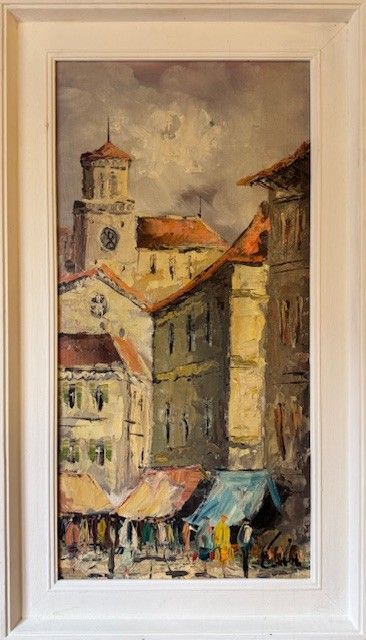


Ochre Canvas Artwork
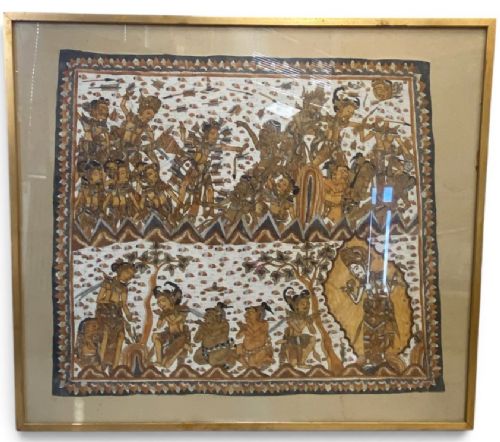
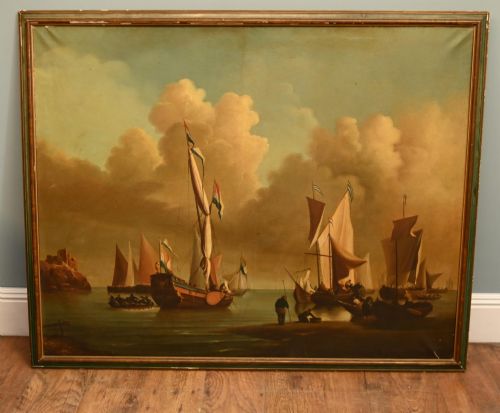
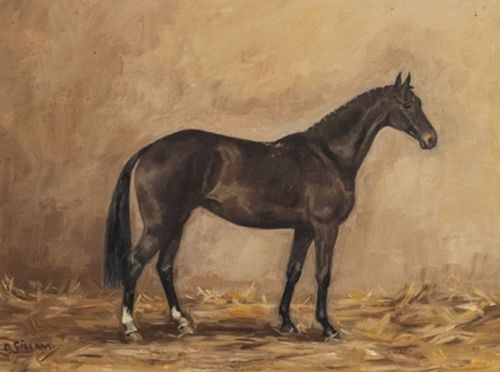
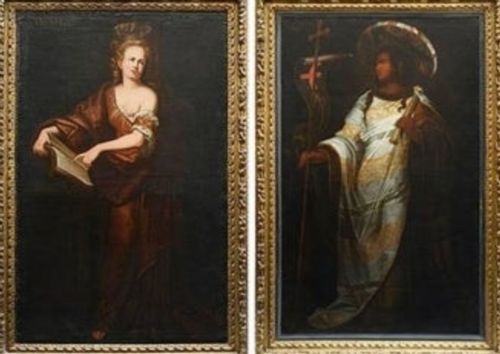
Ochre canvas artwork brings together oil paint, wood and canvas across periods spanning the eighteenth to the twentieth centuries.
Ochre Canvas Artwork
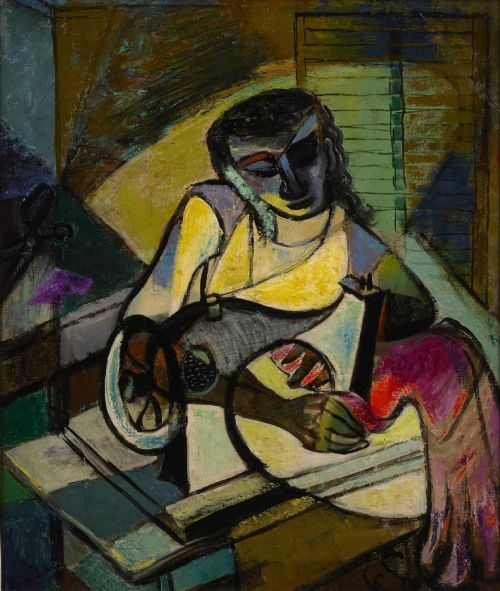
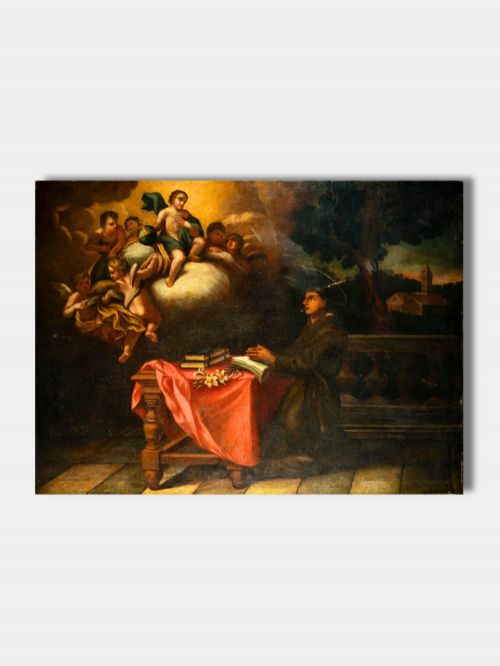
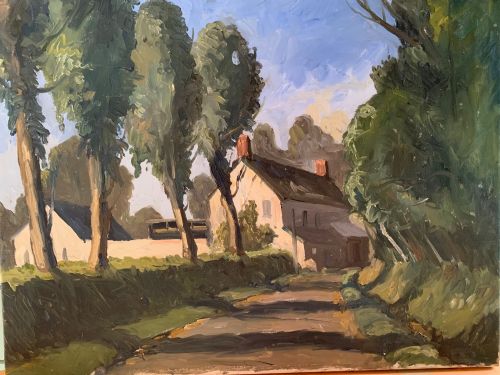
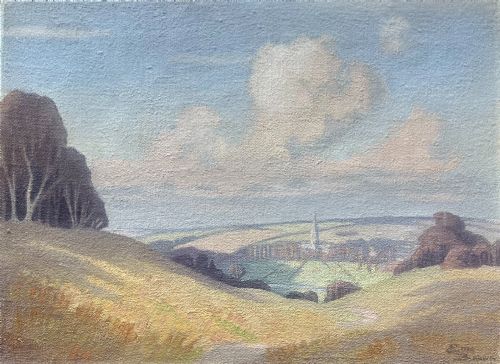
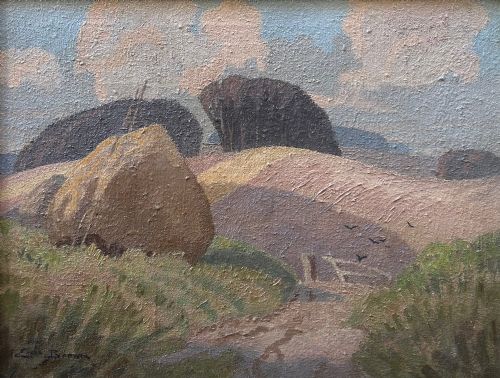
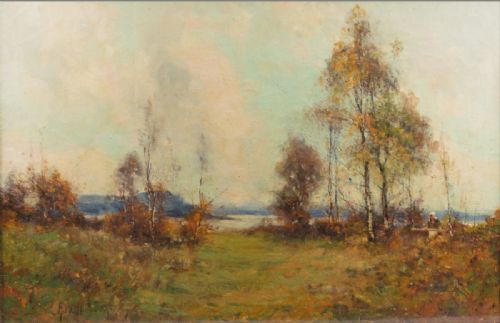
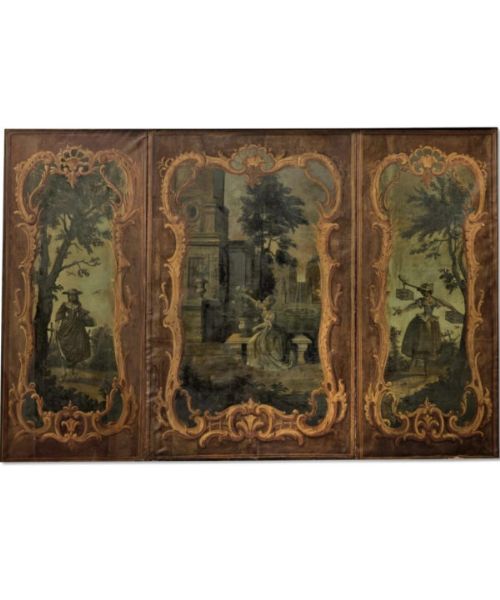
When searching for ochre canvas artwork, a buyer encounters oil paintings on canvas, fine art, and wall art spanning periods from the eighteenth century to the mid-twentieth century. The selection includes British Impressionism, Post-Impressionism, Mid-Century Modern, and Victorian realism.
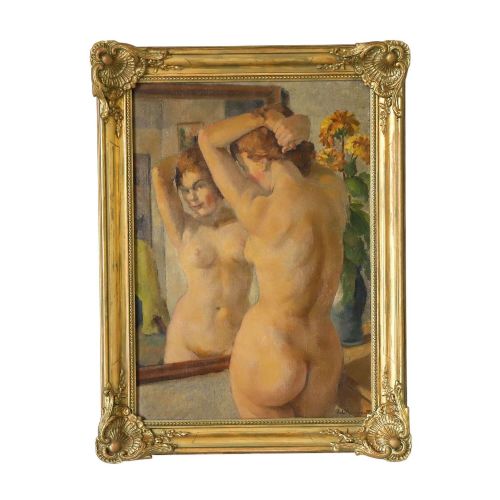
Pieces range from landscapes and coastal scenes to portraits and still life studies. The forms are primarily oil paintings on canvas, sometimes framed in wood or finished with gold leaf and gilt.
Materials and technique
These works are executed using oil paint applied to canvas supports. Many pieces incorporate wood frames, and some employ gold leaf and gilt finishes.
The technique relies on the layering of oil paint to build depth, texture, and light within the painted surface.
Ochre Canvas Artwork Retail Price Guide 2026
Typical asking prices for ochre canvas artwork among the pieces listed under this phrase on Sellingantiques today, from the lower quarter to the upper quarter. They describe what is for sale here now, not the wider market.
Listings feature canvas supports, oil paint, wood frames, and gold leaf spanning the eighteenth to twentieth centuries.
Quality variations
Quality in these oil paintings depends on the handling of pigment, brushwork confidence, and composition. The distinction lies in the artist's command of light, tone, and surface texture across the canvas.
Works demonstrate differing degrees of execution, from loose impressionistic application to detailed realist rendering.
Eric Brown·Lena Gurr·Alexander Wellwood Rattray·Raymond Picque·Reginald Grange Brundrit·Cecil Rochfort D'Oyly-John·Amile Coppieters·Ron Folland·Charles Malfroy·William George Meadows·James William Booth·Sir Matthew Smith·Claude Thomas Stanfield Moore·Arthur Winter Shaw·Frederick Christian Lund·Robert Lesley Howey·Frederick William Jackson·John Cawthorn·Ernest Higgins Rigg·William Greaves
The Ochre Canvas Artwork Glossary
- Canvas
- A heavy woven fabric used as a surface for oil painting. It provides the tensile support for the pigment layers.
- Oil paint
- A slow-drying paint made of pigment particles suspended in a drying oil. It allows for rich colour mixing and varied application.
- Gold leaf
- Gold beaten into extremely thin sheets used for gilding surfaces. It appears on frames accompanying paintings.
- Gilt
- A thin layer of gold applied to wood or other surfaces. It enhances the decorative presentation of the artwork.
Ochre Canvas Artwork: Frequently Asked Questions
What is ochre canvas artwork?
Ochre canvas artwork encompasses oil paintings created on canvas supports using earth tones and varied colour palettes. These pieces range from nineteenth-century realism to mid-century impressionism.
Subjects include landscapes, architectural views, portraits, and still life compositions executed by British and European artists.
How should these oil paintings be displayed?
Display these works on interior walls away from direct sunlight and excessive moisture to protect the canvas and oil pigments. Proper placement ensures the surface remains stable over time.
Many pieces are housed in original wood or gilt frames that complement the composition.
How are the periods identified?
Periods are identified through stylistic markers, canvas preparation, framing techniques, and artist signatures or documentation. Victorian and twentieth-century works exhibit distinct handling of paint and subject matter.
Stylistic movements such as Post-Impressionism and Mid-Century Modern provide clear chronological indicators.
What subjects do these paintings feature?
The subjects cover a wide geographical and thematic range, including rural landscapes, city streets, rivers, and coastal harbours. Figures and still life arrangements also appear frequently.
Artists recorded scenes from Britain, France, Scandinavia, and Spain across multiple decades.