
Framed Textile Art
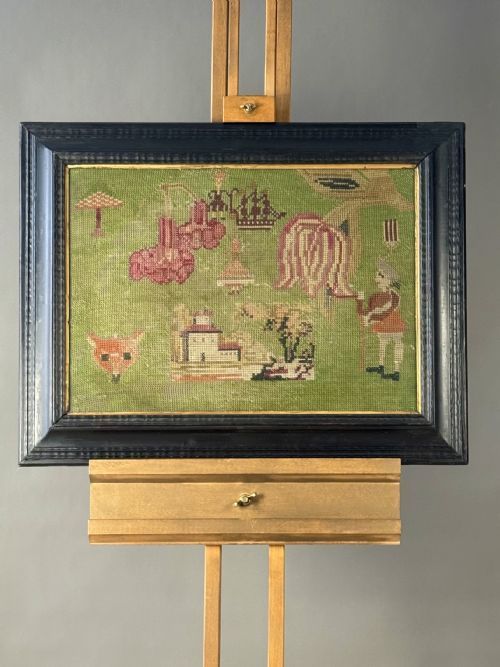
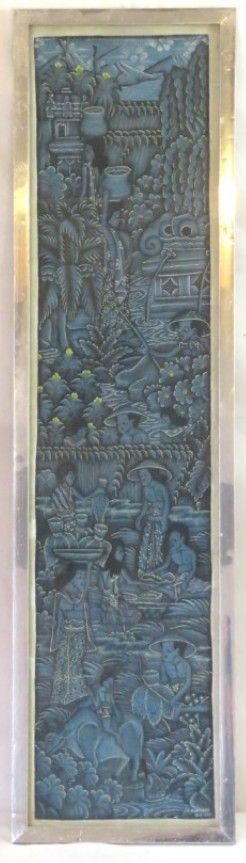
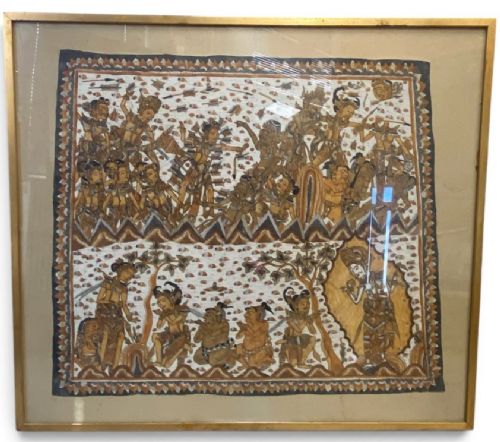
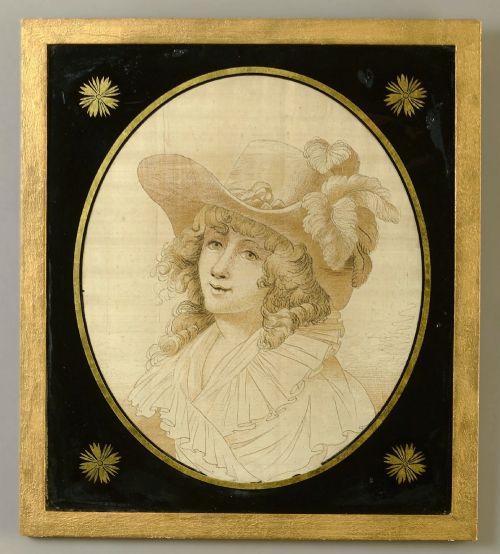
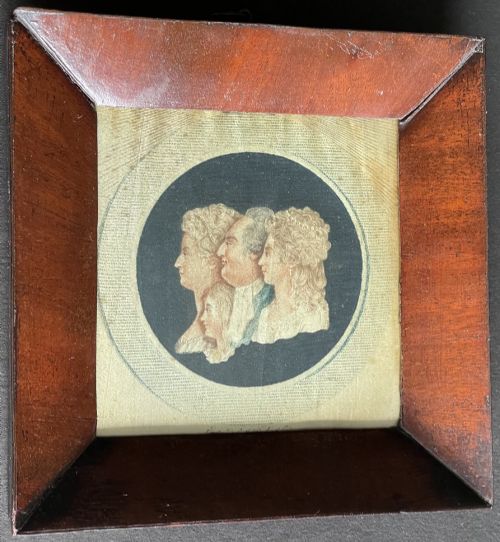
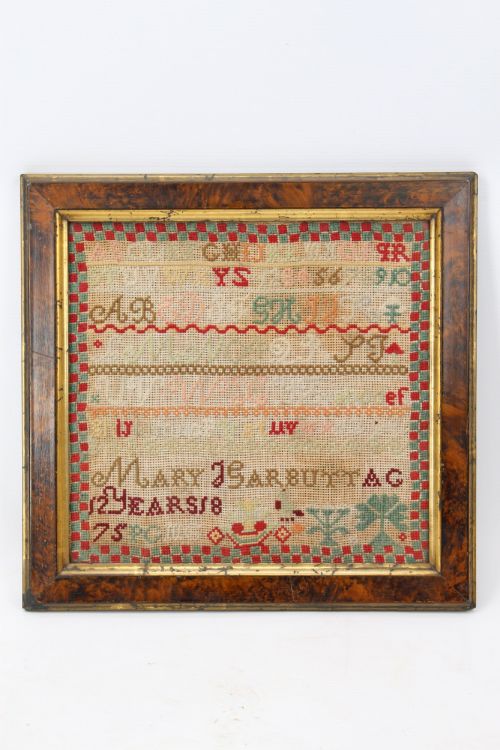
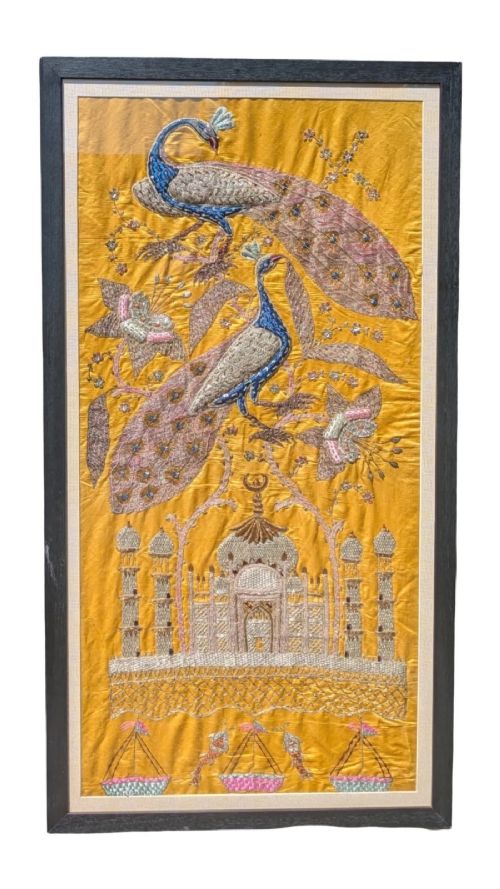
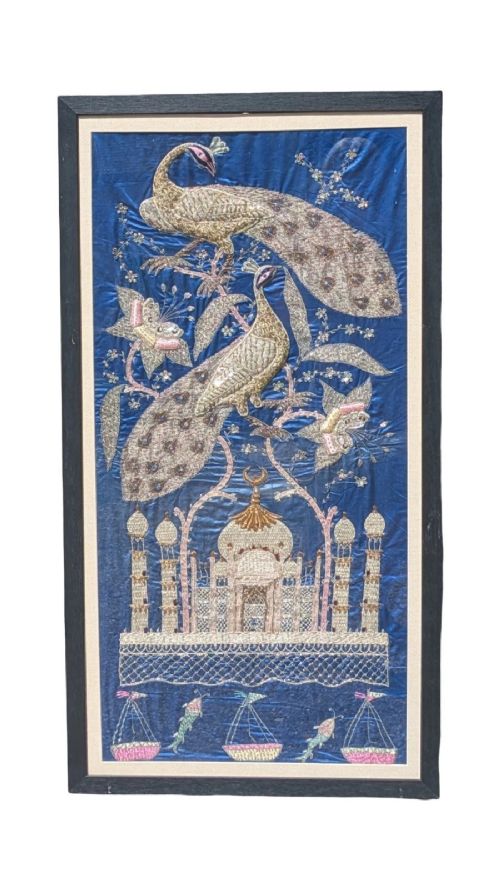
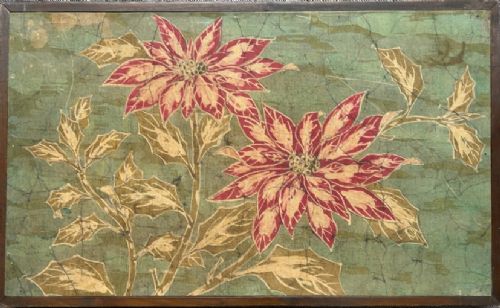
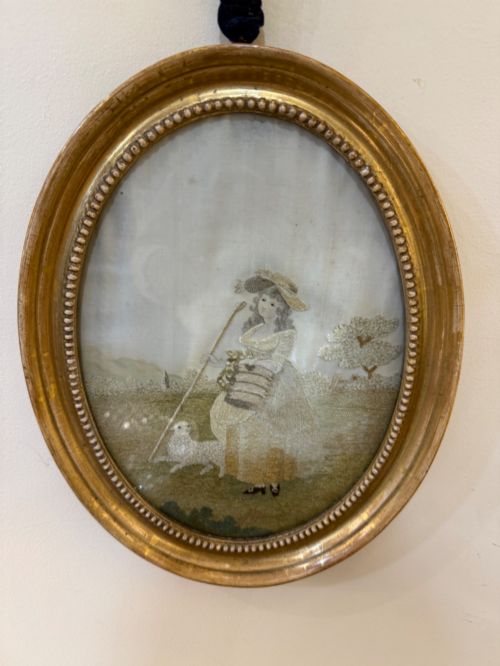
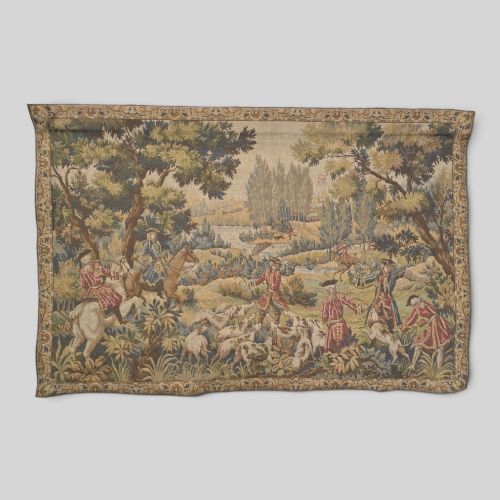
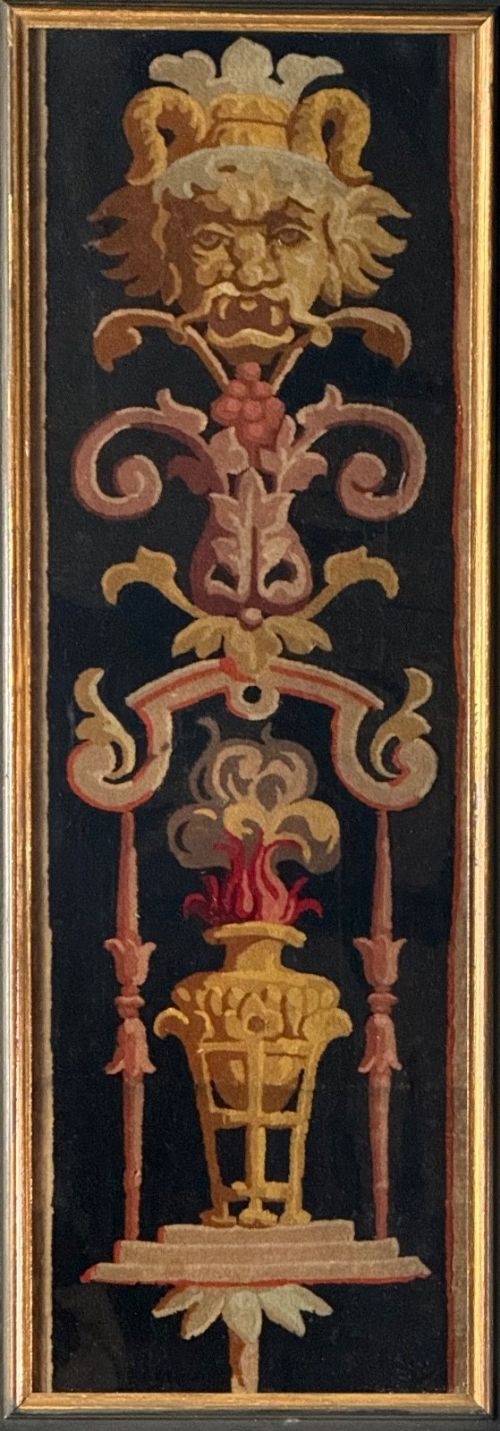
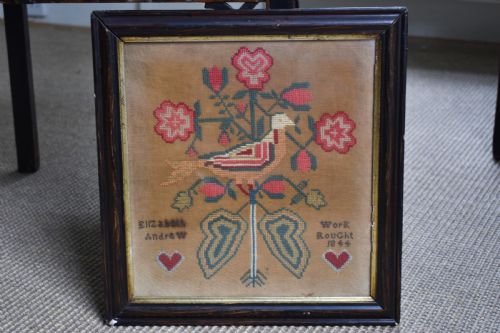
Framed antique textile art brings historical needlework, woven panels and embroidered fragments directly onto the wall.
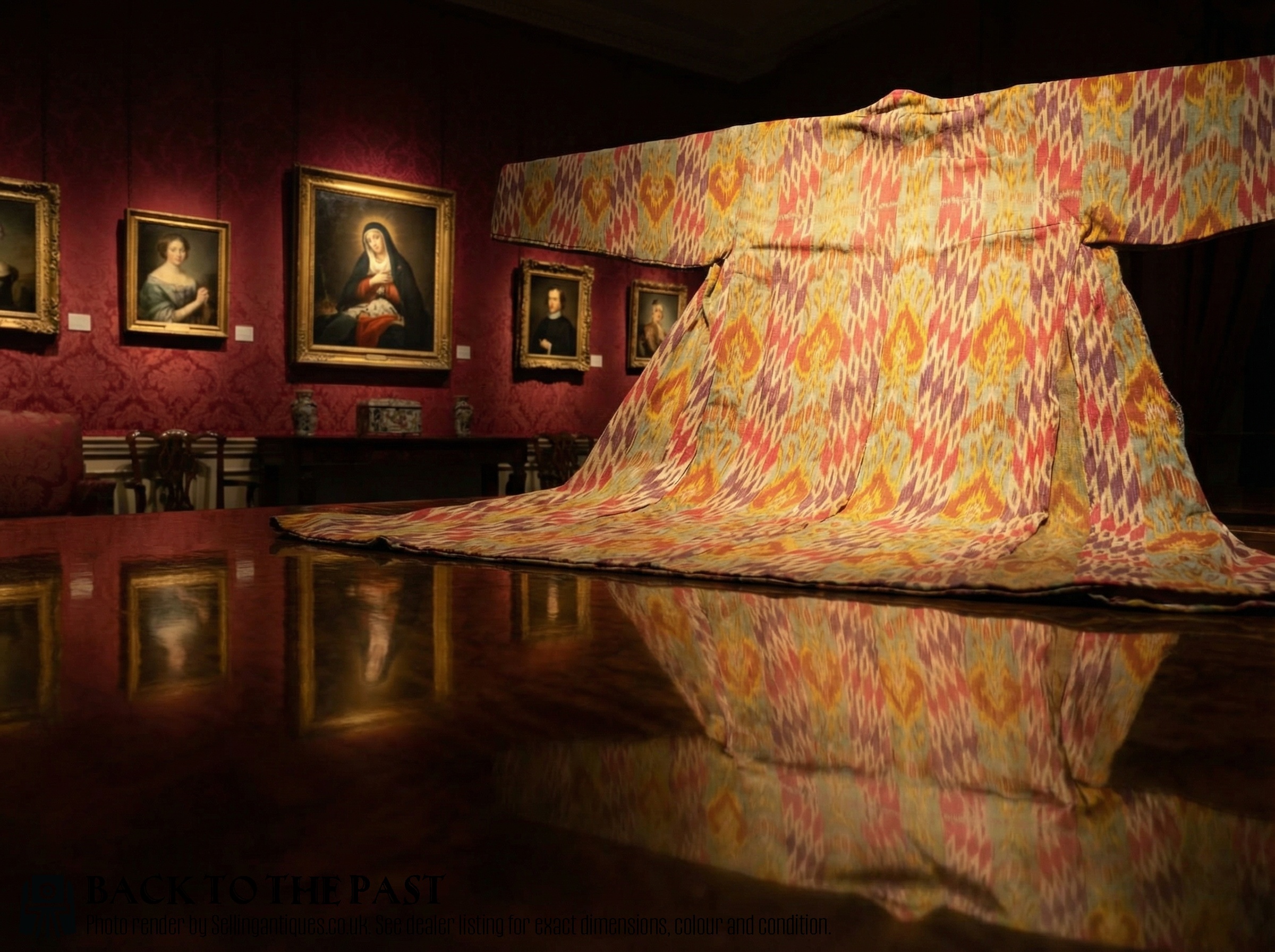
Framed Textile Art
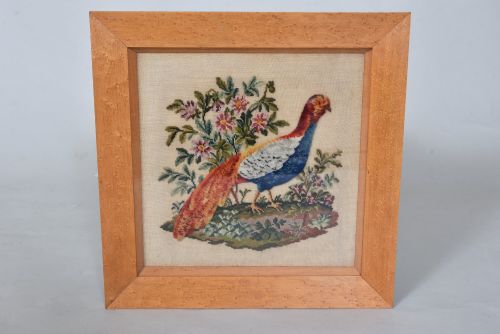
Framed antique textile art covers wall hangings, mounted panels and garments preserved behind glass, originating from periods such as the seventeenth century, the nineteenth century and around nineteen hundred. Buyers searching for framed antique textile art encounter pieces ranging from Chinese silk paintings and Ottoman embroidered fragments to Central Asian ikat coats and Indian tribal work.
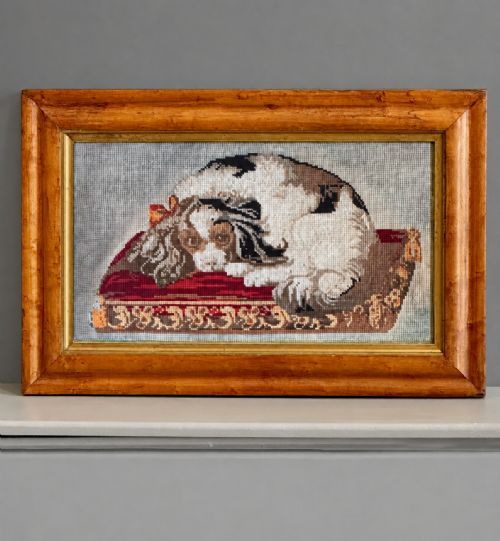
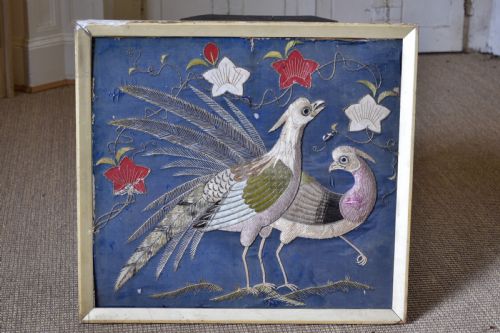
The objects take many forms, including pheasant embroidery, tapestry cushion covers and Banjara gala textiles, each secured within wooden frames. Most examples on display demonstrate global textile traditions, utilising cotton, wool, silk and metallic thread.
How they were made
These pieces rely on natural materials including silk, cotton, wool and metallic thread, worked by hand into complex patterns. Artisans constructed fragments and panels using traditional needlework, embroidery and weaving techniques suited to their specific regional workshops.
Many items incorporate glass and wood as part of their presentation or structural support, protecting delicate fibres from environmental damage while allowing the textile artistry to remain visible.
Framed Textile Art Retail Price Guide 2026
Typical asking prices for framed textile art among the pieces listed under this phrase on Sellingantiques today, from the lower quarter to the upper quarter. They describe what is for sale here now, not the wider market.
Materials across the selection include silk, wool, cotton, wood, glass and metallic thread.
What varies in quality
Quality rests upon the preservation of the fibres, the complexity of the needlework and the integrity of the materials, such as surviving metallic thread and undisturbed silk. Pieces showing minimal fragmentation and clear execution sit higher in the range than heavily worn or degraded examples.
The sophistication of the design, whether Chinoiserie, Ottoman or Central Asian in style, also dictates distinction, alongside the historical significance of the original textile form.
The Framed Textile Art Glossary
- Ikat
- A dyeing technique where yarns are pattern-dyed before weaving, creating characteristic blurred edges on fabrics from regions such as Bukhara.
- Chinoiserie
- A European stylistic tradition reflecting Chinese artistic motifs, frequently found on decorative textile panels and screens.
- Ottoman
- Pertaining to the historic empire known for intricate metal-thread embroidery and luxurious court textiles.
- Fragment
- A surviving portion of a larger historical textile, often mounted and framed for preservation and display.
- Tapestry
- A form of heavy textile art woven on a vertical loom, traditionally utilised for covers and wall hangings.
Framed Textile Art: Frequently Asked Questions
How do I hang framed textiles?
Keep framed textiles away from direct sunlight to prevent the fading of silk, cotton and wool threads behind glass.
Ensure wall fixings match the weight of the wooden frame and the enclosed artwork safely.
Are these pieces cleaned?
Historical textiles require specialist conservation rather than standard washing to protect fragile metallic threads and aged fibres.
Light dusting of the exterior glass is generally all that is needed for ongoing maintenance.
What periods are represented?
The selection spans from the seventeenth century through the nineteenth century up to around nineteen hundred.
Each era brings distinct regional techniques and material choices visible in the surviving work.
How are garments displayed?
Items such as coats and fragments are carefully mounted within wooden frames behind glass to secure the fabric.
This method allows three-dimensional historical garments to be viewed securely as flat wall art.