




Antique Cushion Panel Framed
These antique cushion panel framed pieces bring rich textile art and historic tapestry fragments directly into modern interiors.
Antique Cushion Panel Framed
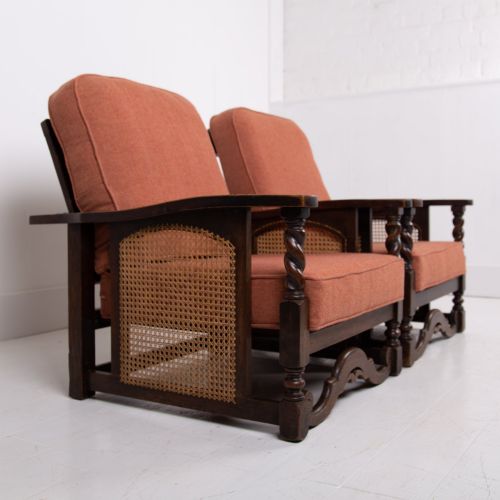
When you search for antique cushion panel framed pieces, you encounter textile art spanning the seventeenth century up to nineteen ten. The selection includes framed tapestry fragments, needlework pictures, and pillow embroidery alongside oak framed armchairs.
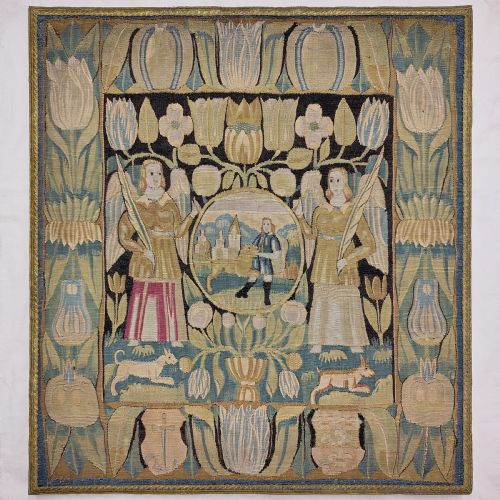
Tapestry cushion covers from the seventeenth century feature prominently among the listed items. You also discover seventeenth century baroque works, Victorian pieces, and Scandinavian folk art items.
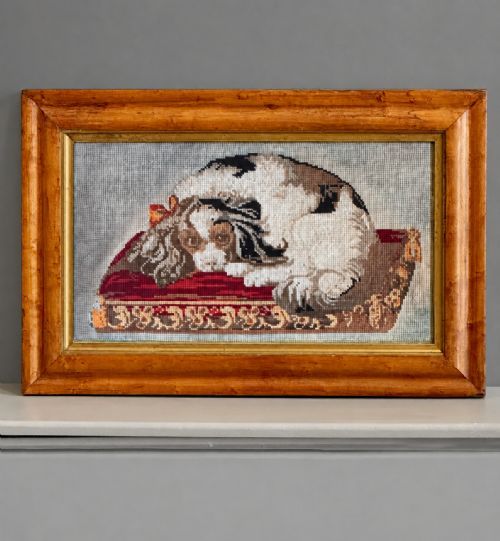
Wall hangings and textiles provide numerous options for displaying historic fabric under glass or within timber surrounds. These pieces range from seventeenth century needlework to nineteenth century Berlin work depicting animals like King Charles spaniels.
How they were made
Maker utilisation of wool, silk, and linen provides the foundational fabric for these textile works. Artisans executed needlework and embroidery using fine threads upon woven grounds.
Antique Cushion Panel Framed Retail Price Guide 2026
Typical asking prices for cushion panel framed among the pieces listed under this phrase on Sellingantiques today, from the lower quarter to the upper quarter. They describe what is for sale here now, not the wider market.
A King Charles spaniel immortalised in nineteenth century Berlin work gazes out from its original burr maple frame.
What varies in quality
The preservation of the textile surface dictates the visual impact of each piece. Intact stitching and vibrant wool or silk threads elevate the character of seventeenth century fragments and nineteenth century needlework.
The construction and finish of the surrounding frame contribute significantly to the overall integrity of the object. Original timber frames, such as those in burr maple or oak, maintain the period context of the textile panel.
The Antique Cushion Panel Framed Glossary
- Berlin work
- A type of needlework popular in the nineteenth century that used charted designs printed on squared paper. Stitchers typically employed wool on canvas grounds to create pictorial scenes.
- Tapestry
- A form of textile art woven by hand on a loom, often depicting figural or floral motifs. Historic examples frequently utilise wool and silk yarns.
- Needlework
- General terminology for decorative stitching executed by hand using a needle and various threads. This encompasses diverse historical embroidery techniques.
- Baroque
- An ornate artistic style spanning the seventeenth and eighteenth centuries characterised by dynamic movement and rich detail. Textile designs from this period display dramatic compositional depth.
Antique Cushion Panel Framed: Frequently Asked Questions
How are antique cushion panels framed?
Makers mount historic textiles and tapestry fragments behind glass within timber frames made from materials like oak or burr maple.
This method protects fragile historic fabric from dust and handling while allowing clear visual appreciation of the needlework.
What periods do these pieces span?
The listed items primarily date from the seventeenth century, alongside nineteenth century examples and pieces from nineteen ten.
Earlier items incorporate seventeenth century baroque and Jacobean styles, while later items include Victorian needlework and Scandinavian folk art.
Where should I hang textile art?
Protected textile panels suit interior wall spaces away from direct sunlight to prevent fading of wool and silk threads.
Display them at eye level in rooms with controlled humidity to preserve the fabric and its original wooden frame.
What materials make up these items?
Construction relies on natural textiles including wool, silk, linen, and fabric combined with wooden frames.
Some pieces incorporate glass for protection, and related furniture items utilise oak, cane, and new cushions.