


Wool Tapestry Wall Art
Wool tapestry wall art brings centuries of textile skill into domestic spaces, offering rich textures and historic narratives that anchor a room.
Wool Tapestry Wall Art
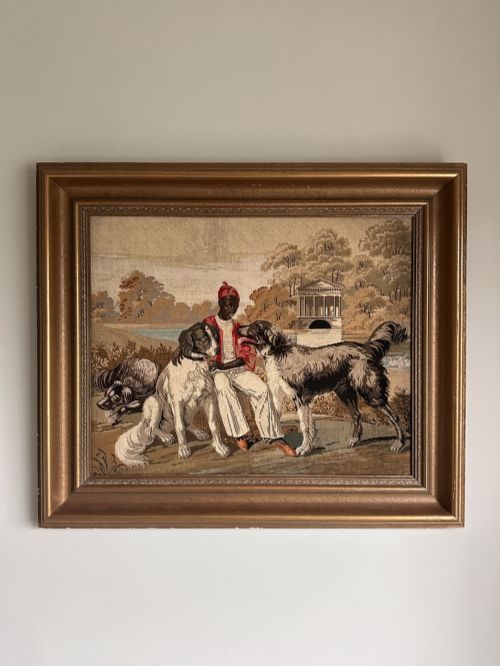
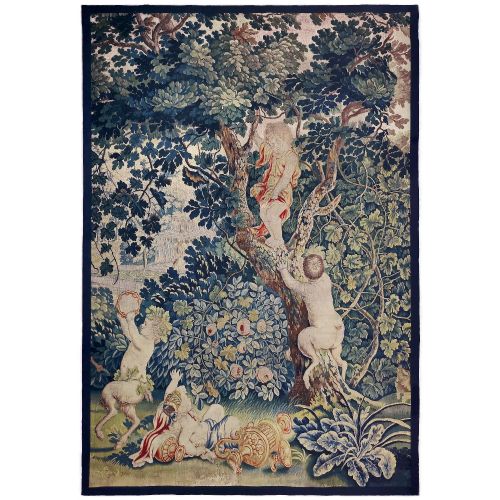
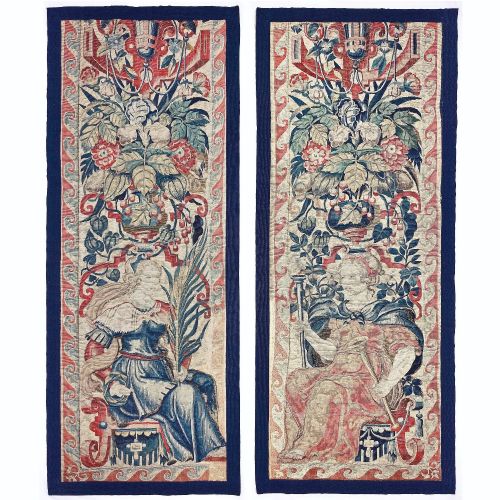
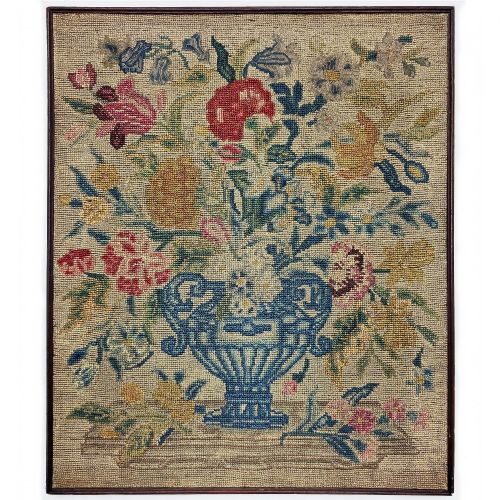
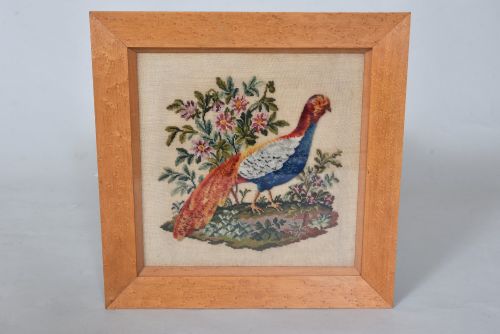
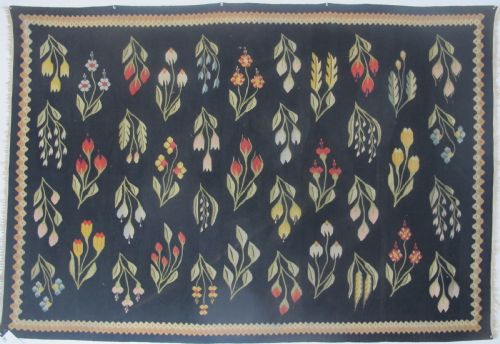
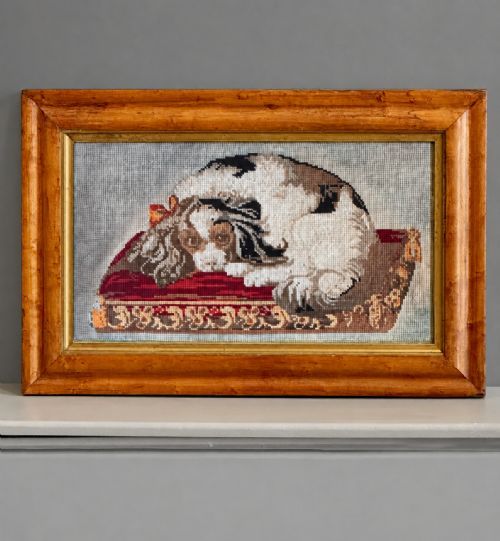
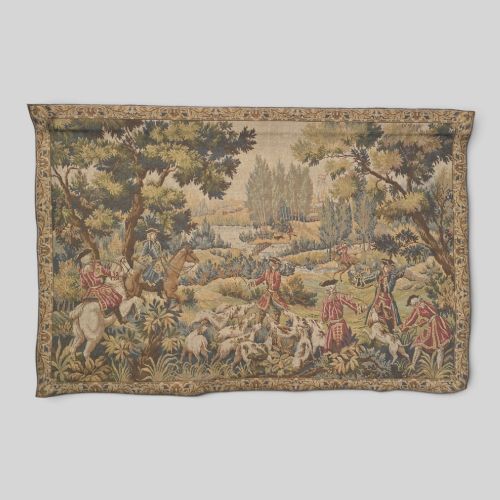
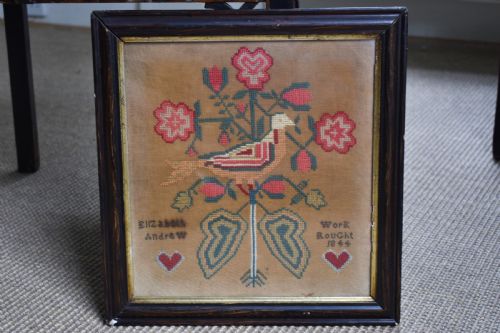
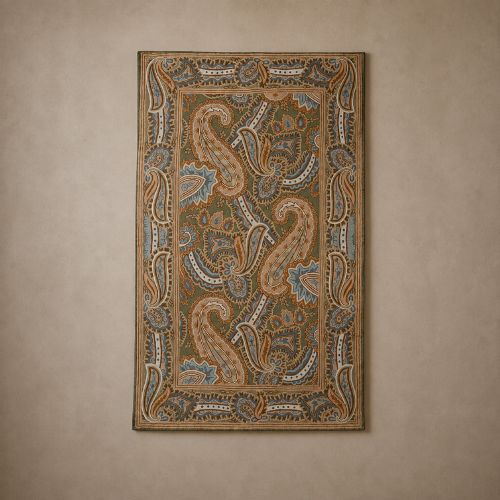
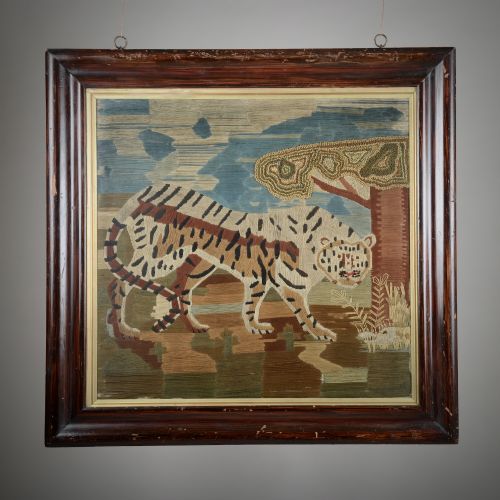
Wool tapestry wall art encompasses everything from grand 17th century Flemish verdure panels to Victorian Berlin work and Central Asian tribal hangings. Pieces range from large architectural room coverings originating in France to smaller framed needlework pictures depicting animals, classical figures, and pastoral scenes.
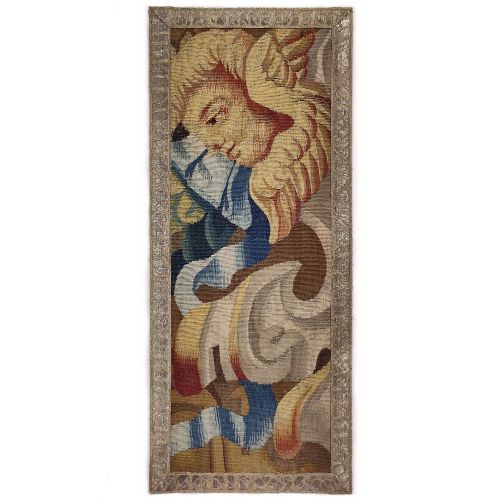
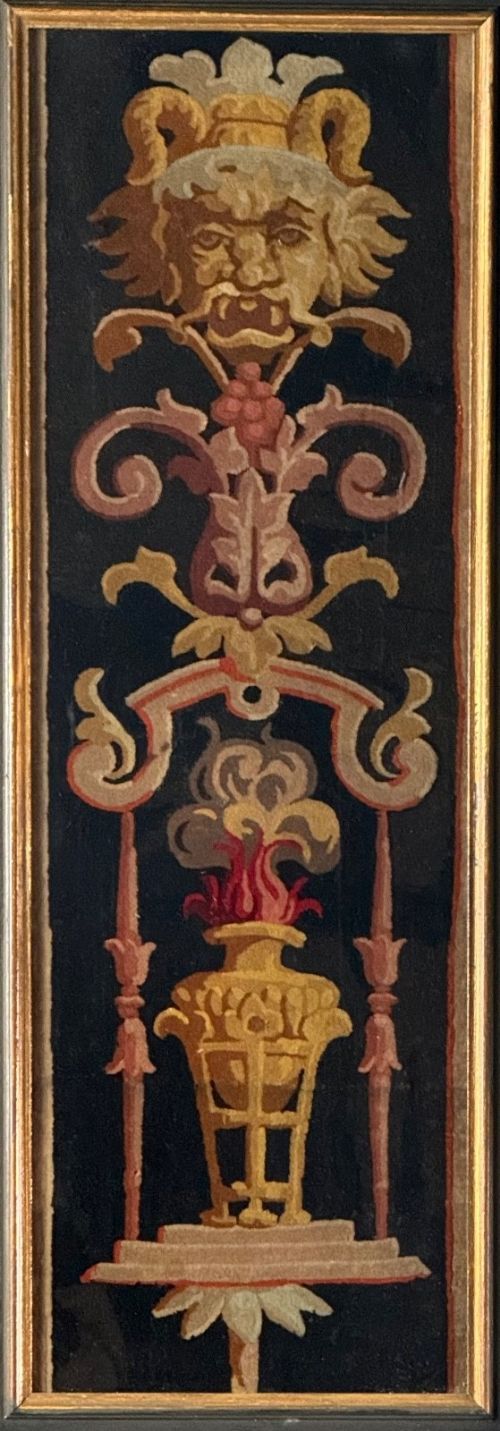
Buyers frequently encounter 19th century interpretations alongside authentic 17th and 18th century European weavings. Forms vary from complete hanging panels and Aubusson fragments mounted to linen to specialised tribal items like Turkmen asmalyks and Kirghiz embroidered felt panels.
Materials and Techniques
The construction of these pieces relies primarily on wool, frequently combined with silk, cotton, and linen threads to build up complex pictorial surfaces. Frames utilising giltwood, burr maple, and verre églomisé glass often accompany needlework panels and woolies.
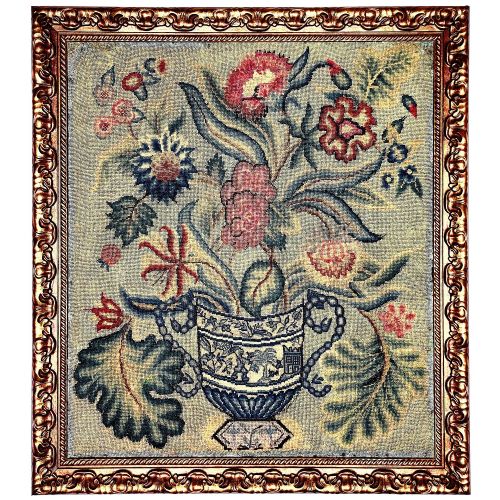
Techniques span traditional hand-weaving on looms for verdure and mille-fleurs tapestries to intricate needlepoint, plushwork, crewelwork embroidery, and flatweave constructions seen in tribal carpets and cradles.
Wool Tapestry Wall Art Retail Price Guide 2026
Typical asking prices for wool tapestry wall art among the pieces listed under this phrase on Sellingantiques today, from the lower quarter to the upper quarter. They describe what is for sale here now, not the wider market.
The inventory spans the seventeenth to the twentieth century, recording wool, silk, linen, and canvas worked in French, Flemish, Victorian, and Central Asian traditions.
Assessing Quality
The integrity of the textile foundation heavily influences the standing of a piece, distinguishing intact historical panels and well-preserved framed needlework from heavily restored or fragmented wall art.
The Wool Tapestry Wall Art Glossary
- Verdure
- A type of tapestry featuring lush botanical or forest landscapes, often populated by birds and foliage. These panels were particularly popular in 17th and 18th century Flanders and France.
- Berlin work
- A popular form of 19th century needlepoint worked on canvas from printed and hand-coloured grid patterns. It typically utilised brightly dyed wool yarns to create vivid pictorial subjects.
- Asmalyk
- A pentagonal or hexagonal camel caparison made by Turkmen tribes, such as the Yomut, used during wedding processions. They feature characteristic geometric designs executed in flatweave or pile techniques.
- Mille-fleurs
- A French term meaning a thousand flowers, describing a background style filled with small, distinct plants and blossoms. This decorative scheme appears frequently on medieval and Renaissance revival tapestries.
- Plushwork
- A textile technique utilising raised, cut-pile stitching to create a textured, velvety surface effect. It is often found on Victorian animal depictions and decorative panels.
Wool Tapestry Wall Art: Frequently Asked Questions
How do I hang a heavy antique tapestry?
Large tapestries require even weight distribution to prevent structural strain on the historical fabric. A professional conservator can sew a strong linen support sleeve along the top edge to accommodate a concealed mounting rod.
Smaller framed needlework pieces utilise standard picture wire fixed securely to sturdy wooden frames, such as original burr maple or giltwood mouldings.
How should I clean wool wall art?
Routine maintenance involves very gentle surface dusting using a soft brush or low-suction vacuum applied through a protective mesh screen. Avoid vigorous shaking or beating, which can snap aged wool and silk fibres.
Professional textile conservators should handle any deep cleaning or wet treatments to prevent dye bleeding and shrinkage.
How can I tell a 17th century tapestry from a 19th century copy?
Early pieces from the 17th and 18th centuries typically display hand-spun animal fibres with natural dye variations that have mellowed over centuries. The complexity of the verdure weaving and the presence of period stitch-work on linen backings offer key indicators of age.
Nineteenth-century revivals often utilise machine-spun yarns with more uniform synthetic dye palettes and distinct Victorian framing styles.
What is the difference between a verdure and a pastoral tapestry?
Verdure tapestries focus entirely on dense forest landscapes, heavy foliage, and occasionally distant chateaux or animals. They draw the viewer into a secluded, leafy environment typical of Flemish and French workshops.
Pastoral tapestries place greater emphasis on human figures, shepherdess scenes, and romanticized rural narratives set within open countryside backgrounds.