





Antique Tapestry Cushion Cover
An antique tapestry cushion cover brings rich textile art into a room, offering tactile historical depth and centuries of traditional craftsmanship.
Antique Tapestry Cushion Cover
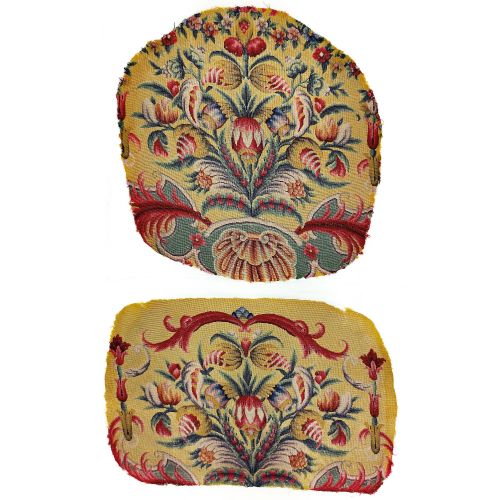
When you search for an antique tapestry cushion cover, you are looking at historical woven panels repurposed as soft furnishings. These pieces transform fragments of larger wall hangings, nomadic bags, and traditional textiles into decorative cushion covers suitable for domestic display.
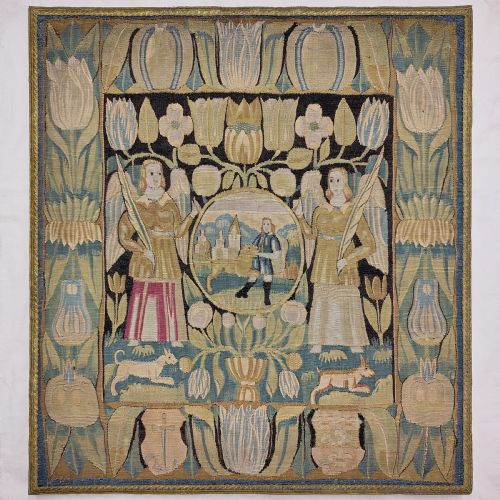
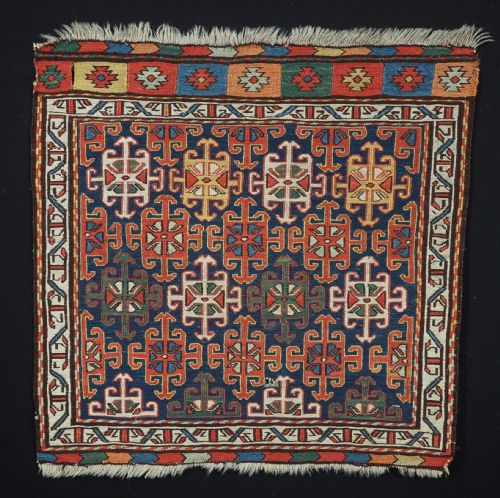
The versions you are most likely to meet on this page include seventeenth-century European tapestry covers alongside nineteenth-century tribal weavings. Alongside these, you will encounter Swedish pillow embroidery and various nomadic bag faces adapted into cushions.
The forms range from square formats to longer rectangular configurations depending on the original textile source. Each piece retains the characteristic palette and iconography of its period and regional origin.
Materials and construction methods
These textiles rely on natural fibres such as wool, silk, linen, and cotton, spun and woven by hand. Many examples incorporate natural dyes that yield deep, enduring hues over centuries of use.
Construction techniques vary from seventeenth-century European tapestry weaving to flatweave methods like soumak and banded flatweave. Artisans also utilised detailed embroidery techniques on linen and wool grounds to create decorative pillow surfaces.
Antique Tapestry Cushion Cover Retail Price Guide 2026
Typical asking prices for tapestry cushion cover among the pieces listed under this phrase on Sellingantiques today, from the lower quarter to the upper quarter. They describe what is for sale here now, not the wider market.
Nomadic weavers occasionally embedded stray animal hairs and natural imperfections directly into their tribal bag faces, giving each cushion a distinct personality.
Judgements of quality
Quality in these textiles depends upon the density of the weave and the complexity of the design. Finer wools and silks combined with sophisticated natural dye palettes elevate a textile from a basic utility item to a work of art.
The integrity of the remaining textile structure dictates the standard of the piece. Superior examples display minimal disruption to the original pictorial or geometric composition during the adaptation into a cushion format.
The Antique Tapestry Cushion Cover Glossary
- Tapestry
- A form of textile art woven on a vertical loom, where coloured weft threads create pictorial or decorative patterns. These panels were frequently cut down in later centuries to form cushion covers.
- Soumak
- A flatweaving technique that wraps weft threads over warp threads to produce a textured, durable surface. This method appears frequently on nineteenth-century tribal bag faces.
- Flatweave
- A textile constructed without pile by interlocking warp and weft threads together. This technique creates a thin, durable fabric characteristic of nomadic tribal weavings.
- Mafrash
- A large nomadic storage container or box panel woven in flatweave or soumak techniques. Surviving fragments are often repurposed into cushions.
- Natural Dyes
- Colourants derived from plants, insects, and minerals used before the invention of synthetic dyes. They produce complex, harmonious tones that age gracefully over time.
Antique Tapestry Cushion Cover: Frequently Asked Questions
What is an antique tapestry cushion cover?
An antique tapestry cushion cover is a decorative soft furnishing created from historical woven textiles. These pieces repurpose older fragments, such as seventeenth-century tapestries or nineteenth-century tribal bag faces, for modern interior use.
Such items bridge the gap between textile art and practical home decor. They allow collectors to live with museum-quality weaving on everyday seating.
How do I care for antique textiles?
Caring for historical textiles requires gentle handling, protection from direct sunlight, and minimal agitation. Keeping them away from harsh light preserves the integrity of natural dyes and delicate fibres.
Professional conservation cleaning is recommended when necessary rather than standard washing. Regular light vacuuming through a mesh screen helps remove surface dust safely.
Where were these textiles made?
The pieces originate from various European workshops and nomadic tribal regions across the Middle East and Scandinavia. European examples often date from the seventeenth century, while tribal weavings frequently originate from nineteenth-century Anatolia and Central Asia.
Each geographical region utilised distinct motifs, materials, and weaving structures. These regional characteristics make it possible to trace the origin of individual pieces.
Can I use them every day?
These covers function well as decorative accents on armchairs, sofas, or beds. Their primary role is visual enhancement rather than heavy physical support.
Placing them in low-traffic seating areas preserves the older fibres and historical stitching. Gentle daily use ensures the textile remains intact for future generations.