




Framed Fabric Art
Framed antique fabric art brings centuries of hand-stitched silk, woven tapestry and needlework into modern rooms behind protective glass and wood.
Framed Fabric Art
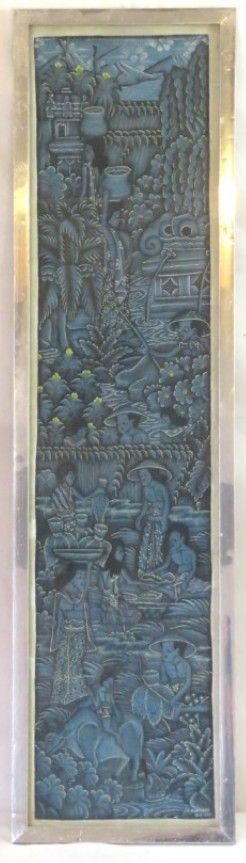
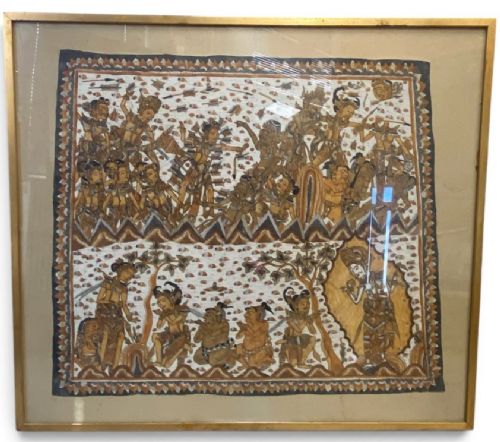
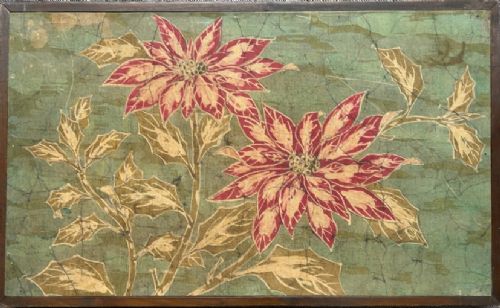
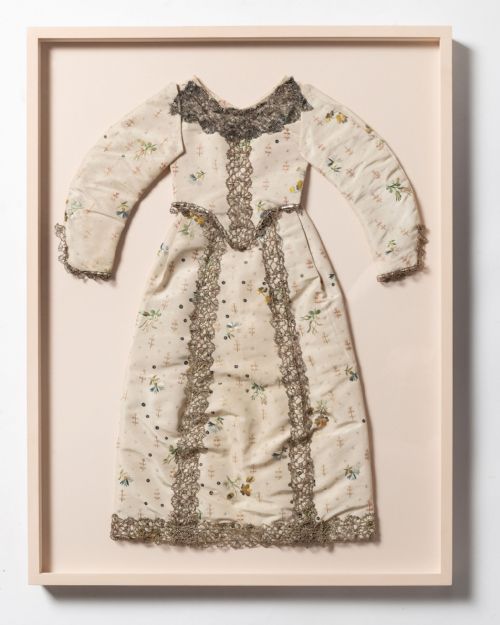
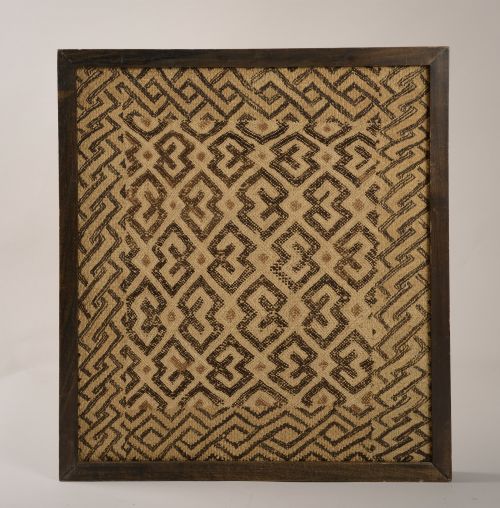
When you search for framed antique fabric art, you encounter a diverse selection of historical textiles mounted and preserved under glass or set upon wooden panels. These pieces span from eighteenth-century woven French tapestry panels and needleworks to nineteenth-century lace samplers, silk embroideries and Central Asian Suzani panels.
The version you are most likely to meet on this page is a framed textile or mounted embroidery originating from the nineteenth or early twentieth centuries. Regional pieces such as Japanese silk paintings and Banjara gala textiles also appear alongside Western fragments like Toile de Jouy.
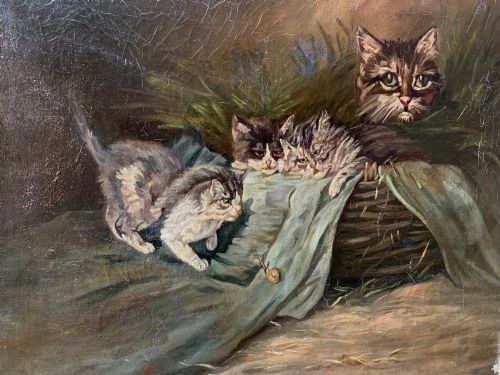
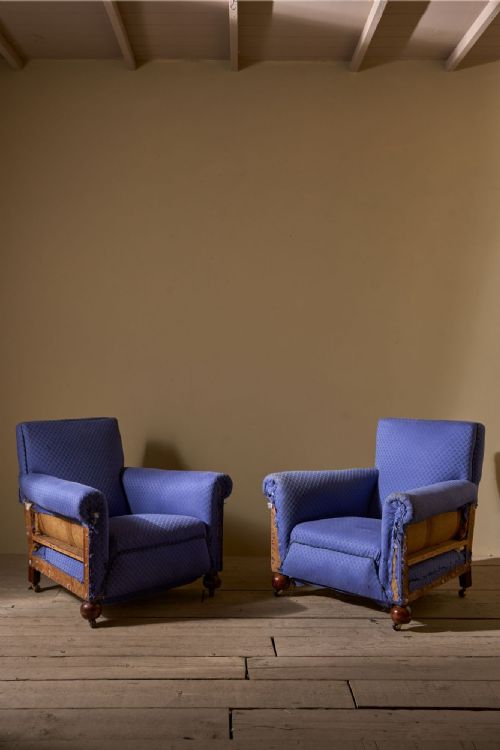
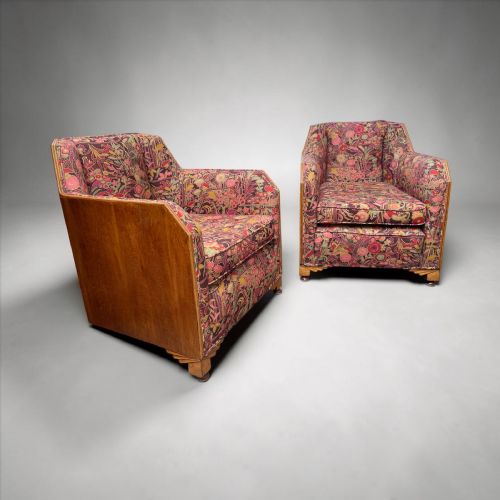
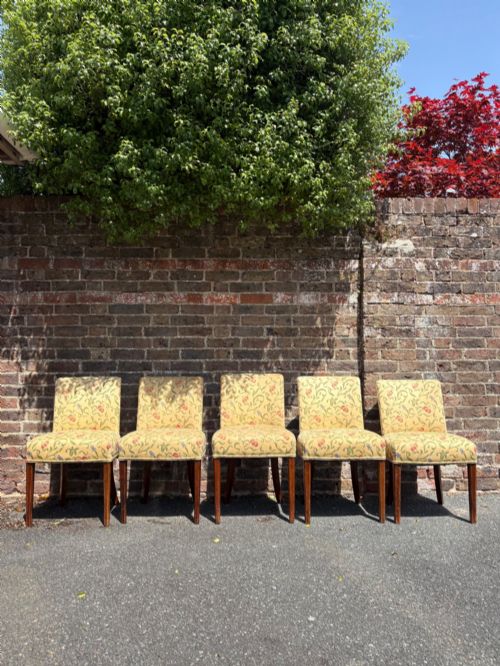
While the inventory includes various seating furniture and oil paintings, the core focus remains on flat textile works presented in frames. These wall art pieces preserve fragile fabrics from handling while displaying intricate needlework and weave structures directly to the viewer.
Materials and construction
Makers utilised natural organic fibres including silk, cotton, linen and wool, often hand-sewn or woven on traditional looms. These delicate materials required sturdy wooden frames and glass shields to protect them from environmental damage and physical wear over the decades.
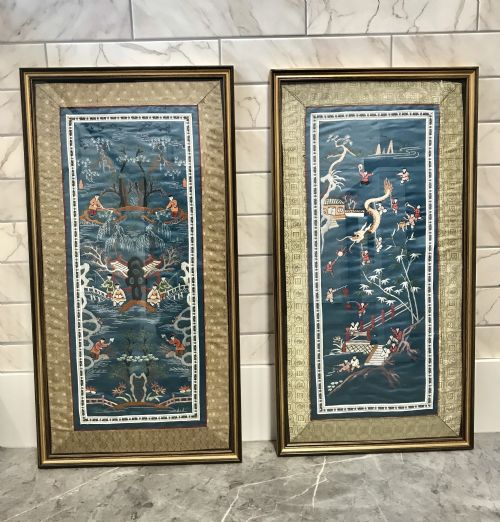
Execution techniques vary from intricate hand-sewn Chinese silk embroidery depicting figures and dragons to the dense needlework of early British samplers. Larger compositions employ mounted panels and tapestries stretched across board or secured within timber surrounds.
The inventory includes global works such as Balinese Kamasan paintings, Chinese silk embroideries and Nurata Suzani panels.
Distinctions in quality
The standard of framed antique fabric art rests upon the complexity of the needlework, the stability of the fibres and the clarity of the design. Finer examples display tight, even stitches, minimal fibre degradation and rich, unfaded natural dyes across silk and wool.
Framing standards and mounting methods also dictate the overall integrity of the piece. Superior examples utilise conservation-grade mounting that supports the textile without adhesive damage, housed within period wood frames that complement the age and origin of the fabric.
The Framed Fabric Art Glossary
- Suzani
- An embroidered tribal textile originating from Central Asia, typically worked in silk on a cotton or linen ground with bold floral motifs.
- Sampler
- A piece of needlework produced by a maker to demonstrate various stitch proficiency, often featuring alphabets, numbers and motifs.
- Toile de Jouy
- A traditional French fabric printed with monochrome pastoral scenes, usually in red or blue on a light background.
- Ikat
- A dyeing technique where yarns are pattern-dyed before being woven into complex geometric or figurative textiles.
- Tapestry
- A form of heavy woven textile produced on a loom, featuring pictorial designs created by interweaving warp and weft threads.
Framed Fabric Art: Frequently Asked Questions
How should I hang framed textiles?
Mount these pieces away from direct sunlight and high humidity to protect fragile organic fibres like silk and wool from fading and decay.
Ensure the hanging wall is structurally sound to support the weight of the wood frame and glass panel safely.
Are these fabrics cleaned?
Historical textiles generally retain their original patina and require minimal intervention to preserve the integrity of the delicate fibres and historical stitching.
Professional conservation cleaning is reserved for severe contamination, as standard washing methods can dissolve old dyes and weaken ancient threads.
How do I date an embroidery?
Dating relies on stylistic analysis of the motifs, the chemical composition of the threads and the type of ground fabric used in the construction.
Comparative study against dated samplers and documented regional textile traditions helps narrow the period of origin.
Can I remove the glass?
Removing the protective glass exposes the fragile antique fabric to airborne pollutants, dust and physical contact that can quickly damage the piece.
Glass serves as a crucial barrier for silk, cotton and wool items, maintaining a stable microclimate inside the frame.