





Antique Botanical Embroidery
These antique botanical embroidery works bring flora and fauna into interior spaces through needlework, offering structured depictions of natural subjects.
Antique Botanical Embroidery
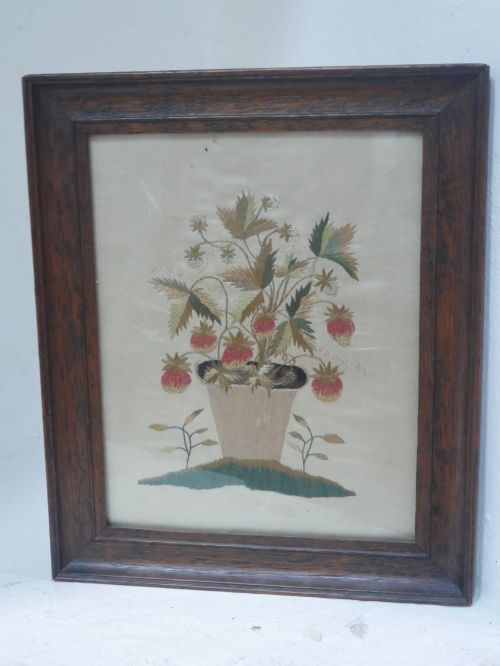
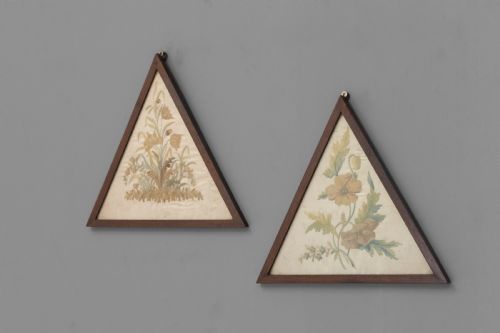
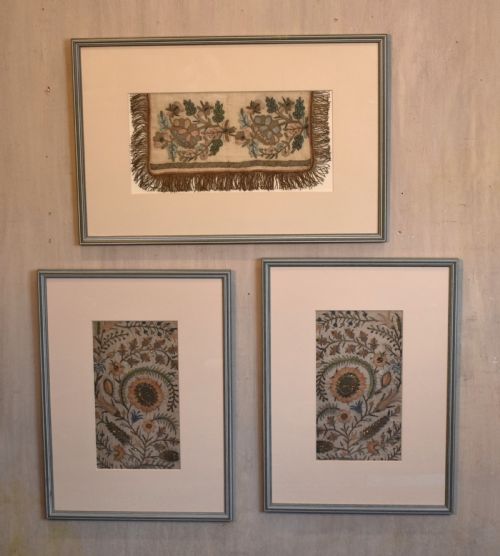
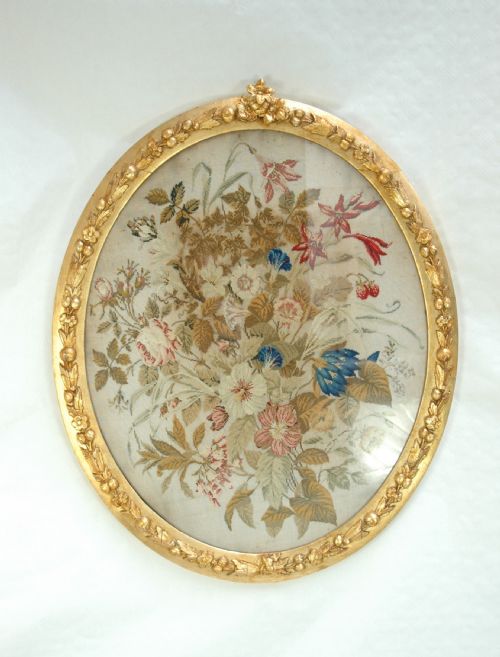
When someone searches for antique botanical embroidery, they encounter a range of needlework pictures, framed textile panels, and wall art spanning the eighteenth century to the early twentieth century. These pieces capture natural forms, birds, and garden scenes using textiles as the primary medium.
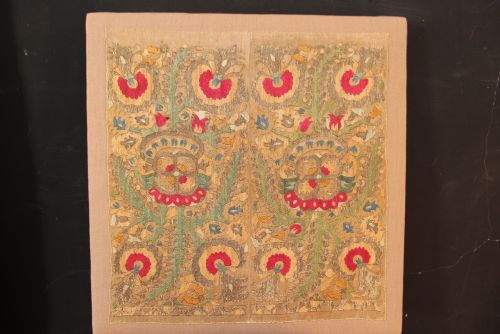
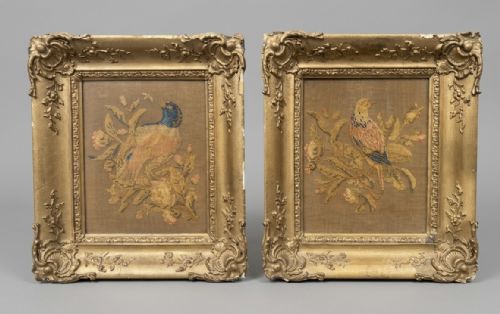
The selection on this page includes English needlework pictures, Chinese embroideries of garden birds, and Central Asian suzani bed covers. Forms vary from small octagonal gilt wood frames to large wall panels and textile art.
How they were made
These works rely on materials such as silk, wool, cotton, and linen stitched onto canvas or fabric grounds. Many pieces incorporate silk threads for fine detail, creating textured surfaces for floral and avian subjects.
Framing methods involve glass and giltwood or wood surrounds that protect the textiles. Larger textile panels, such as Suzanis, utilise hand embroidery techniques on expansive linen or cotton bases.
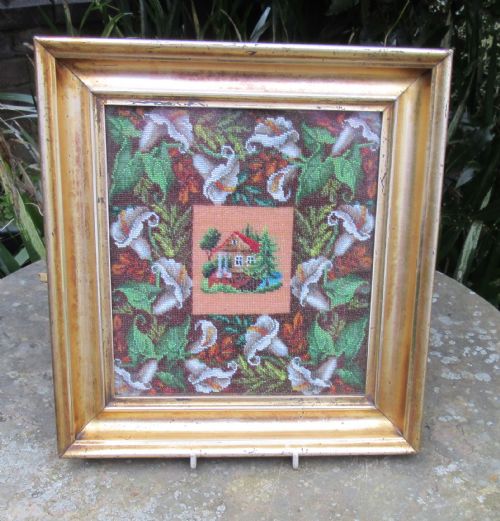
Listings combine eighteenth-century English needlework pictures with nineteenth-century American beadwork and Central Asian silk suzanis.
What varies in quality
Quality rests in the precision of the needlework and the preservation of the textile ground. Pieces executed with tight, varied stitches maintain their structural integrity and visual clarity over centuries.
The integration of the frame and the textile also distinguishes the work. Original giltwood frames and well-preserved glass settings elevate the presentation of eighteenth-century needlework pictures.
The Antique Botanical Embroidery Glossary
- Suzani
- A large, embroidered tribal textile originating from Central Asia, typically worked in silk on a cotton or linen ground. These pieces often feature bold floral and botanical motifs.
- Giltwood
- Wood that has been coated with a thin layer of gold leaf or gilt paint. It provides an ornate, reflective border for framed textile art.
- Needlework picture
- A pictorial composition created using thread and needle on a fabric backing, often framed for display as wall art.
- Canvas
- A heavy woven fabric used as a sturdy foundation for needlepoint and embroidery stitches.
- Tapestry picture
- A woven or heavily embroidered wall hanging depicting a scene or pattern.
Antique Botanical Embroidery: Frequently Asked Questions
How should I clean an old textile?
Historic textiles require professional conservation rather than standard domestic cleaning methods. Moisture and friction can damage fragile silk and wool threads.
Dusting gently with a soft brush or keeping pieces behind glass prevents particulate accumulation without risking the fabric.
Can I hang these panels in direct sunlight?
Direct sunlight causes natural silk and wool threads to fade over time. Ultraviolet rays degrade the organic dyes used in older embroideries.
Positioning pieces away from bright windows or using UV-filtering glass protects the colouration of the botanical motifs.
How do I identify eighteenth-century work?
Eighteenth-century pieces typically display specific stitch densities, hand-spun thread characteristics, and framing styles common to the period. The subjects often reflect the decorative priorities of Georgian interiors.
Comparing the backing materials and mounting techniques helps distinguish these earlier examples from nineteenth-century revivals.
What is a Suzani used for?
Suzanis were traditionally created as part of a bride's dowry in Central Asia, functioning as wall hangings, bed covers, or decorative domestic textiles. Their large scale allowed them to wrap around furniture or adorn living spaces.
Today, collectors mount these embroidered textiles on walls to display their bold floral patterns.