
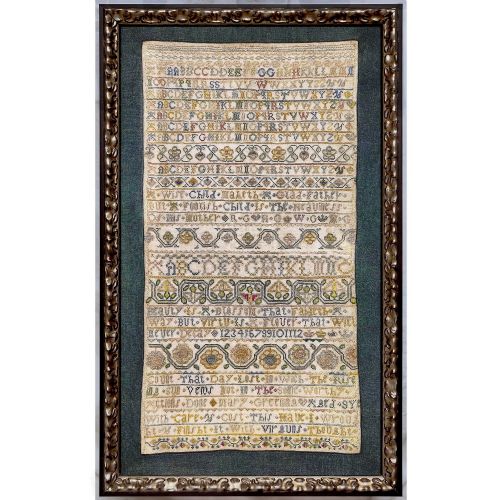

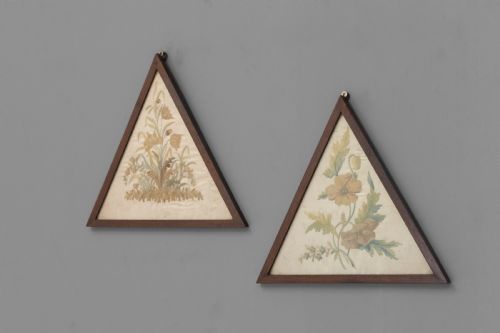


Cream Silk Embroidery
Cream silk embroidery brings subtle texture and historic handwork to interiors, offering collectors delicate needlecraft framed for modern walls.
Identifying cream silk embroidery
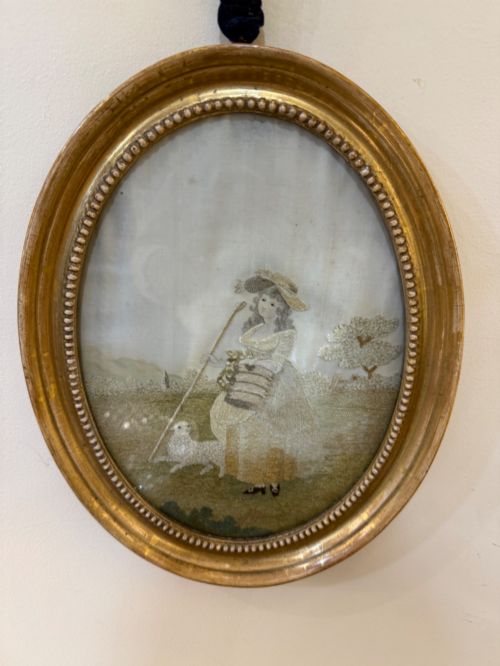
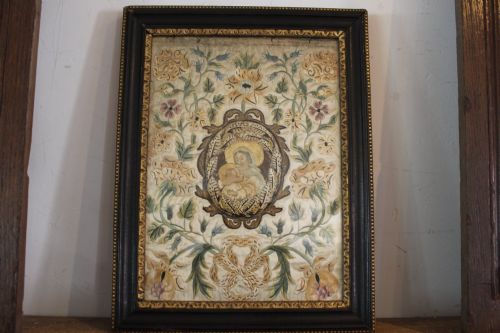
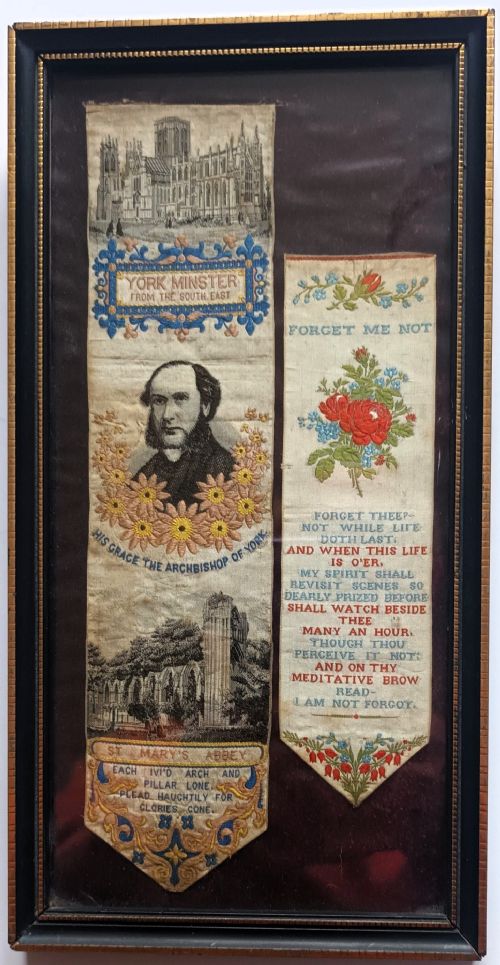
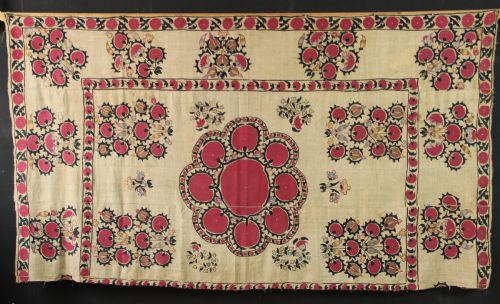
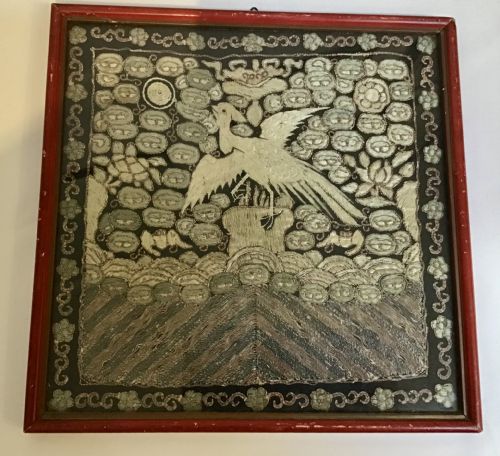
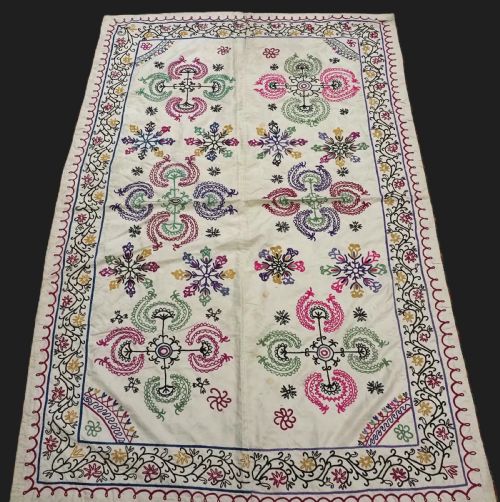
Cream silk embroidery encompasses textile panels and wall art produced across the late nineteenth and early twentieth centuries. These pieces typically feature intricate needlework stitched onto fine silk grounds.
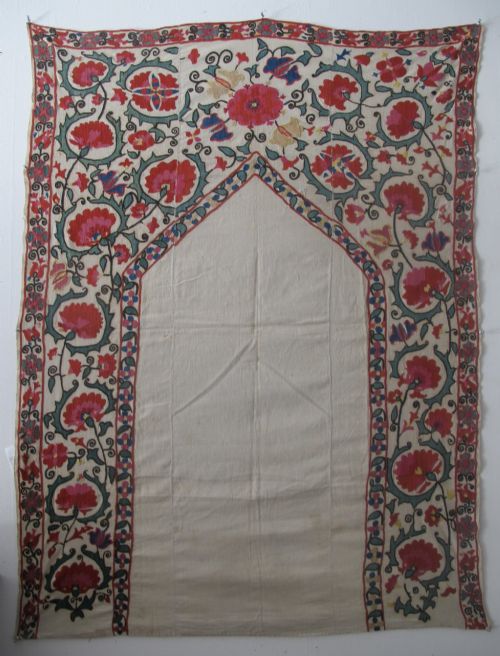
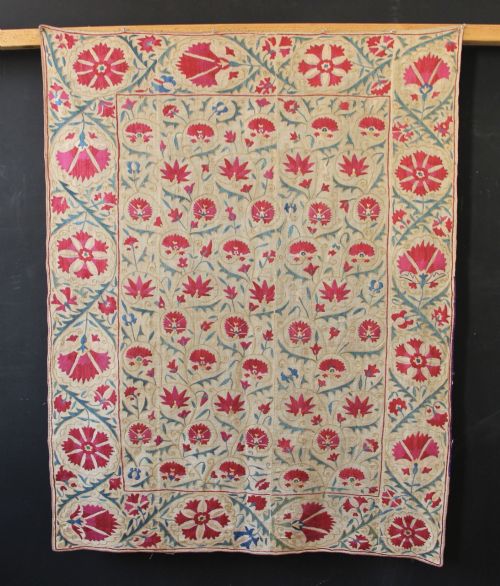
Examples on this page include Edwardian floral tapestry wall art in glazed frames, nineteenth-century Persian Zoroastrian embroidery, and hand-stitched decorative panels from around eighteen ninety.
Buyers encounter varied formats ranging from domestic English country house decorative pieces to large-scale Qajar Persian textiles. Each object showcases distinct cultural traditions in textile design.
Materials and construction
Maker execution relies on silk foundations combined with supporting materials like cotton, wool, and canvas. Needleworkers applied fine threads to create detailed pictorial and geometric motifs.
Presentation formats include framing behind glass within giltwood and wooden frames. This protective housing preserves fragile textile fibres from environmental damage over decades.
Even a quiet nineteenth-century needle worker occasionally misplaced a stitch, leaving a tiny human secret hidden inside the floral vines.
Assessing quality and execution
Quality separates ordinary decorative work from exceptional needlecraft through the precision of individual stitches and the complexity of the composition. Superior panels demonstrate meticulous execution to the highest standard.
The integrity of the silk ground and the preservation of the framing elements dictate the overall desirability of each piece. Retaining original glazed frames enhances the historic character of the textile.
The Cream Silk Embroidery Glossary
- Silk
- A natural protein fibre spun by silkworms, providing the lustrous ground fabric for fine needlework panels.
- Tapestry
- A form of textile art traditionally woven on a loom or executed as needlepoint embroidery on canvas.
- Giltwood
- Wood decorated with gold leaf or gilt paint, commonly used for traditional picture frames housing antique textiles.
- Glazed frame
- A protective wooden enclosure fitted with glass to safeguard delicate historic fabrics from dust and handling.
Frequently Asked Questions
How should I hang cream silk embroidery?
Mount these framed textiles away from direct sunlight to protect delicate silk fibres from fading and degradation over time.
Ensure wall fixings securely support the weight of glazed wooden frames without placing strain on the antique materials.
How do I clean antique silk embroidery?
Dust glazed frames gently with a soft dry cloth while leaving the sealed interior textile undisturbed behind the glass.
Professional textile conservators should handle any deep cleaning or structural interventions required for fragile historic panels.
What periods do these embroideries date from?
Current listings span the late nineteenth and early twentieth centuries, specifically covering the eighteen seventies through to nineteen thirty.
Distinct styles range from English country house floral tapestries to Persian Zoroastrian textile traditions.
Are these pieces supplied ready to hang?
Most examples arrive within original or period glazed frames equipped for immediate wall mounting.
Checking the framing condition ensures the internal textile remains safely sealed against environmental exposure.