


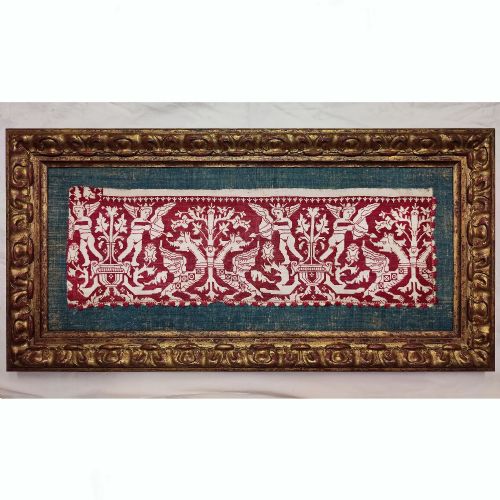

Silk Needlework Panel
A silk needlework panel brings centuries of intricate hand-stitched artistry into a room, offering rich textures and historic narratives that collectors prize for display.
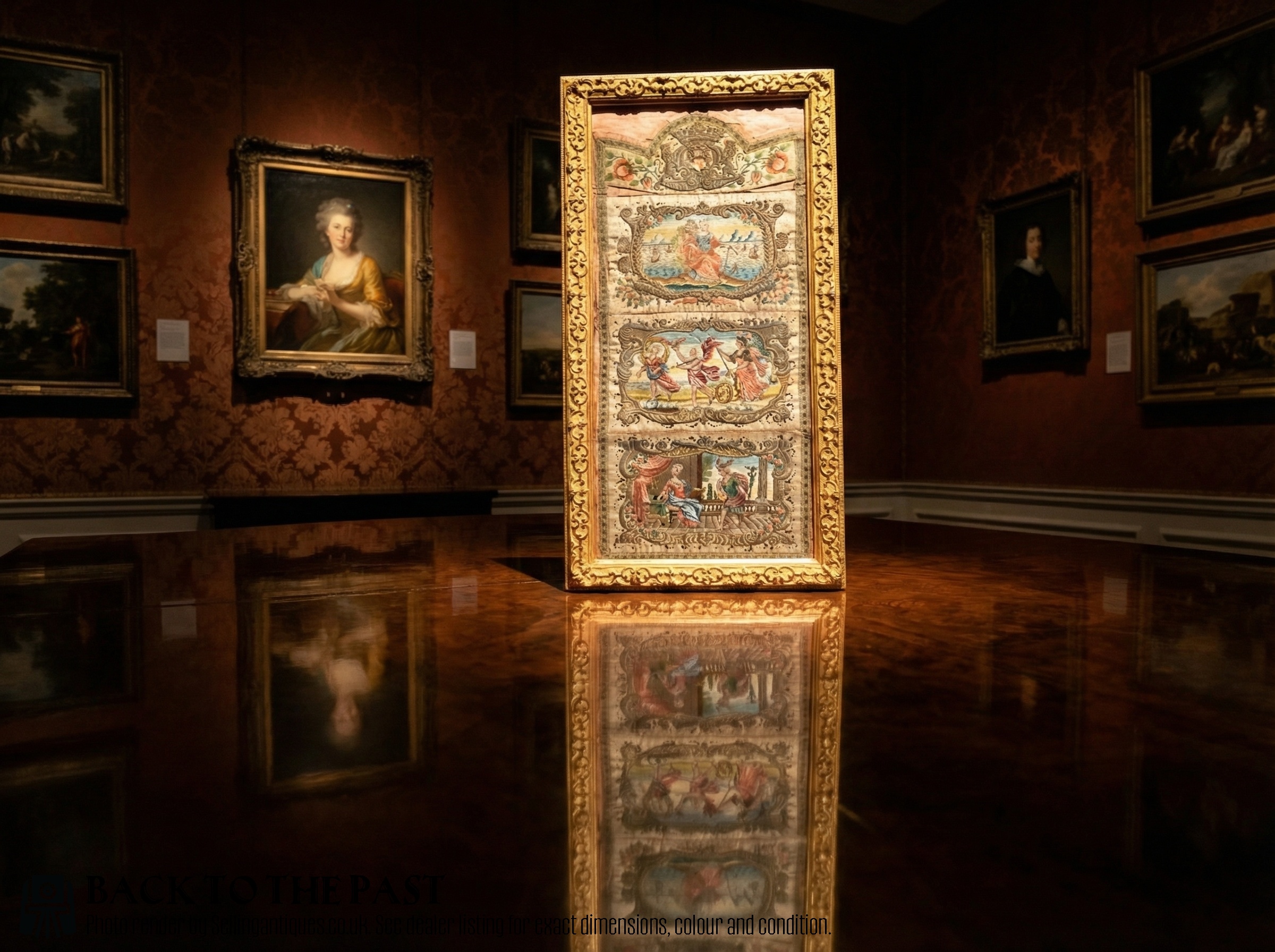
Silk Needlework Panel
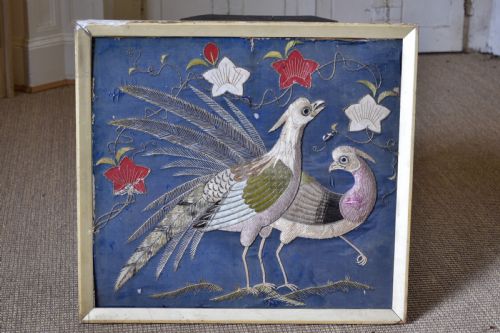
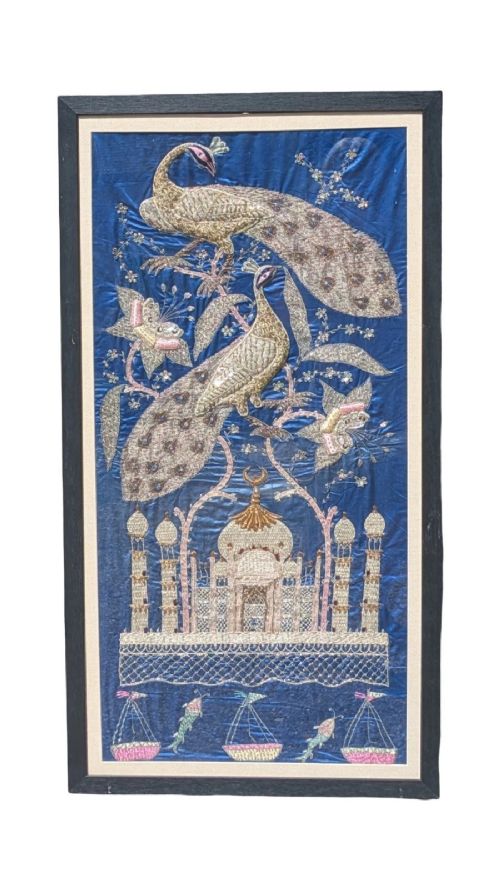
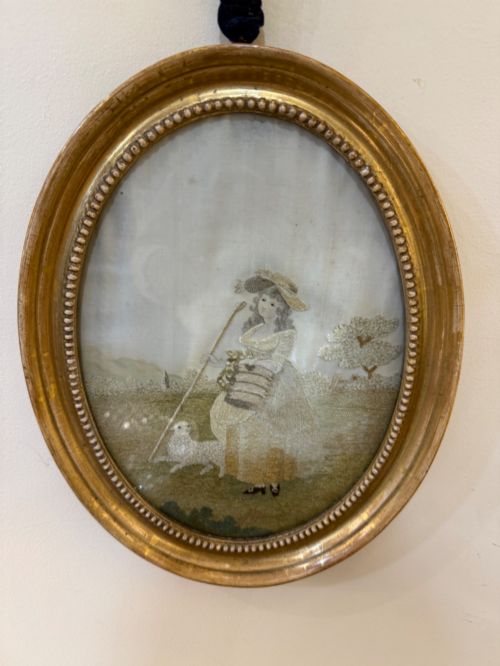
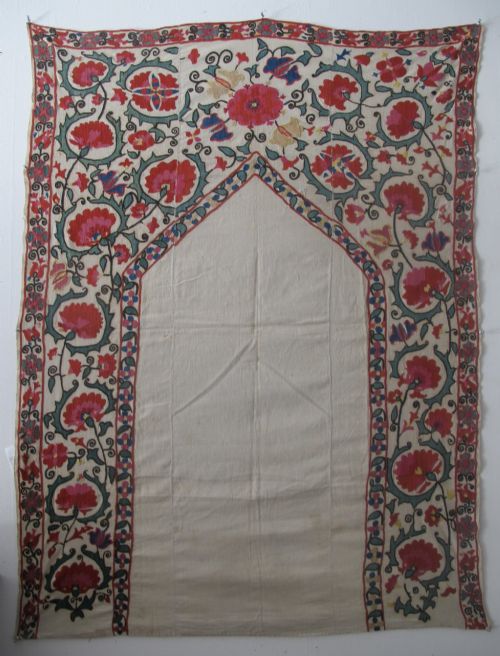
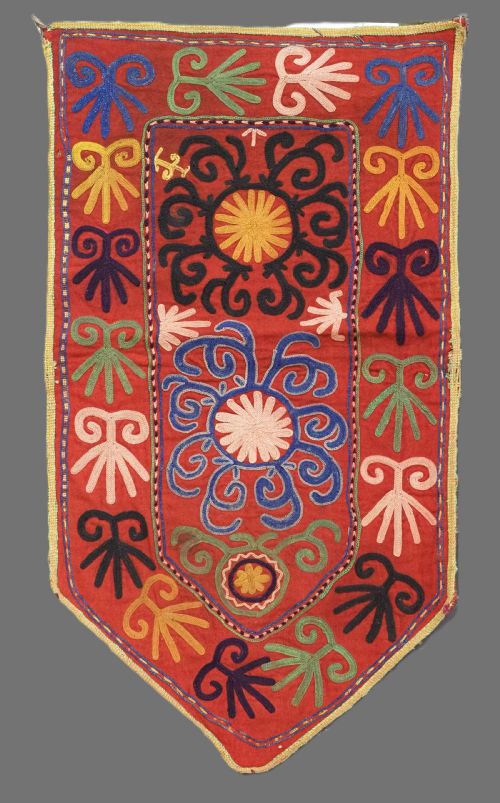
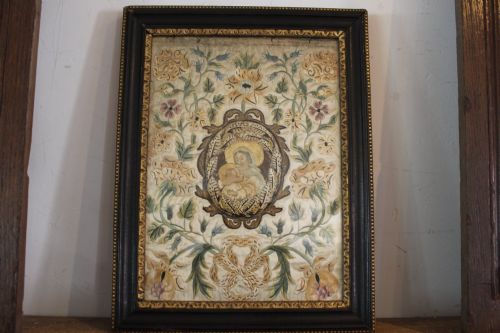
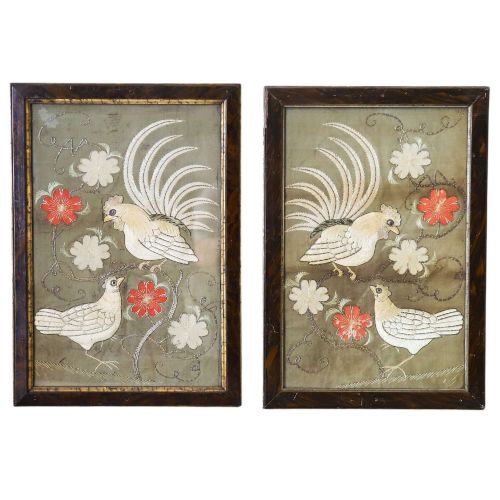
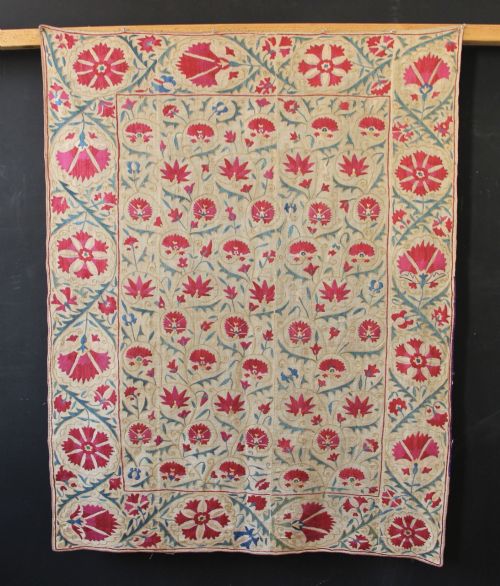
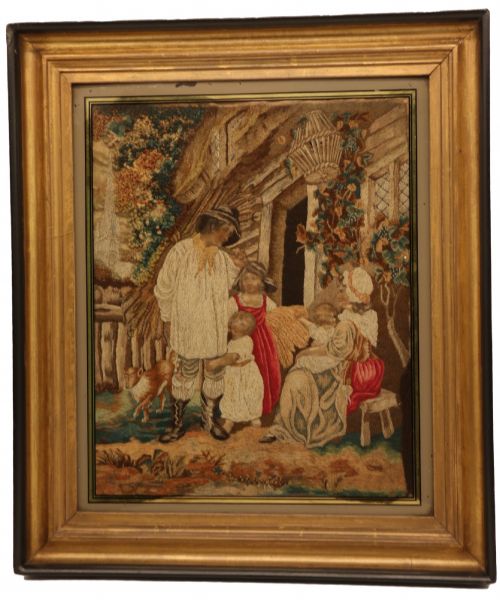
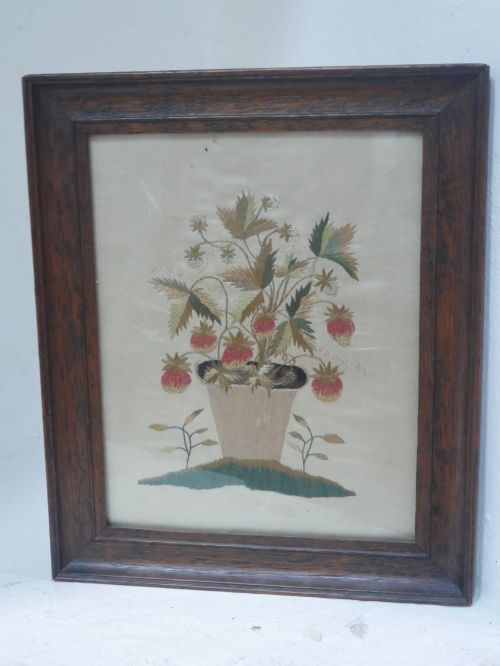
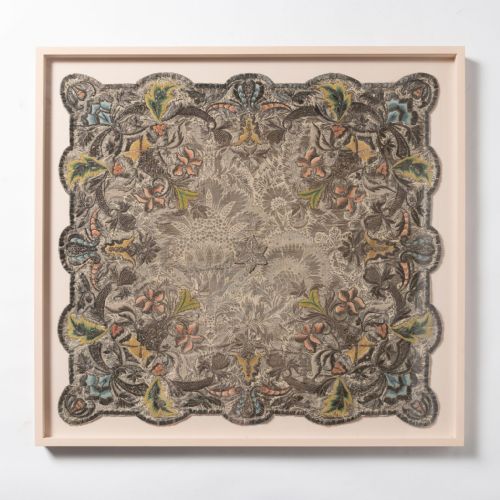
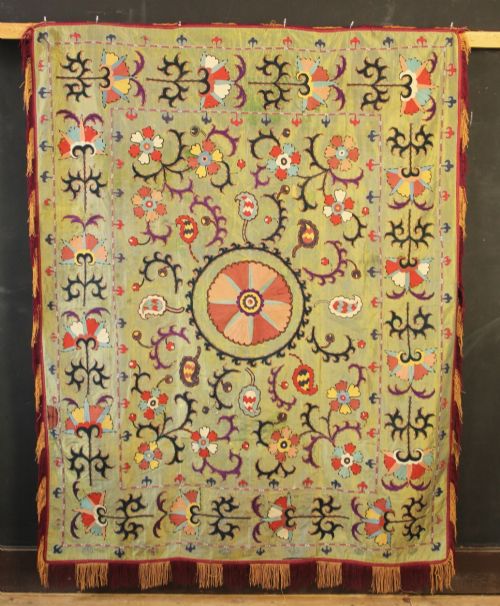
A silk needlework panel represents a diverse category of historical textiles, encompassing framed pictorial scenes, band samplers, and large embroidered wall hangings. When searching for a silk needlework panel, buyers encounter works ranging from delicate Stuart stumpwork and Georgian pastoral pictures to vibrant Central Asian suzanis and Persian applique pieces.
The selections available span multiple centuries, originating from English workshops, Greek islands, and Uzbek tribes. Pieces take various forms, including mounted picture panels, ceremonial horse covers, and domestic bedsheet borders.
Most examples combine fine silk thread with supporting grounds of linen, cotton, wool, or felt, often framed in wood or giltwood for preservation and display.
How they were made
Maker execution relies on foundational ground materials such as linen, cotton, or wool, onto which artisans apply fine silk floss and metallic threads using specialised needlework techniques. Persian examples often utilise a red or black felt ground decorated with intricate silk applique work.
Stitching methods vary significantly by origin, ranging from the raised padded motifs of Stuart stumpwork to the dense surface embroidery found on Bokhara suzanis and Greek island borders. Many works incorporate hand-painted silk elements alongside traditional stitching to add depth and pictorial detail.
Silk Needlework Panel Retail Price Guide 2026
Typical asking prices for silk needlework panel among the pieces listed under this phrase on Sellingantiques today, from the lower quarter to the upper quarter. They describe what is for sale here now, not the wider market.
A seventeenth-century English coif proves that even historical headwear deserved elaborate silk embroidery.
What varies in quality
Quality rests in the precision of the needlework and the complexity of the design, distinguishing standard domestic samplers from masterworks of regional artistry. Superior examples display tight, uniform stitching, well-preserved silk floss, and sophisticated compositional balance.
The integrity of the ground material and the survival of metallic threads dictate the overall condition and visual impact of the panel. Works retaining their original frames, such as faux tortoiseshell or period wood mouldings, command greater appreciation among collectors.
Mary Greening·Jane Wettmore·Louiss Elkins
The Silk Needlework Panel Glossary
- Stumpwork
- A raised or embossed style of embroidery popular in seventeenth-century England. This technique uses padding over wooden moulds or carved shapes to create three-dimensional figures.
- Sampler
- A piece of needlework produced to demonstrate a worker's proficiency in various stitches and alphabets. Historical examples frequently record the maker's name and age.
- Applique
- A sewing technique where pieces of fabric are attached to a larger background ground to form a design. Persian Rasht embroideries frequently employ this method using silk on felt.
- Metallic thread
- Wrapped metal strands utilised in needlework to add shimmering linear details. These threads appear frequently in historical European and Mediterranean panels.
Silk Needlework Panel: Frequently Asked Questions
What is a silk needlework panel?
A silk needlework panel is a historic textile created by stitching silk threads onto a supportive ground fabric like linen, cotton, or felt. These pieces include framed pictures, decorative samplers, and large tribal wall hangings.
They reflect the domestic skills, cultural traditions, and artistic styles of various regions, spanning from seventeenth-century England to Central Asia.
How were these panels used historically?
Historical uses varied widely depending on the origin and form of the textile. European pieces were typically framed as decorative wall art or worked as educational samplers.
Central Asian suzanis and tribal panels served as ceremonial furnishings, dowry items, or wall hangings within domestic interiors.
How do I care for a textile panel?
Protect antique textiles by hanging them away from direct sunlight and high humidity, which can fade delicate silk threads and degrade ground fabrics. Professional framing with UV-filtering glass helps shield the surface from dust and environmental damage.
Avoid pressing or cleaning these panels with water, as old silk floss and hand-dyed grounds are extremely sensitive to moisture.
How can I tell the period of a panel?
Dating relies on stylistic clues, including the type of embroidery technique, motif designs, and the materials used for the foundation. For instance, raised stumpwork figures point to the seventeenth century, while specific floral medallions identify nineteenth-century Central Asian suzanis.
Signatures, dates worked directly into samplers, and accompanying historical documentation also help establish the correct timeframe.