
Tribal Silk Embroidery
Tribal silk embroidery brings together vibrant Central Asian wall hangings, ceremonial horse covers and dowry textiles worked in rich threads.
Tribal Silk Embroidery
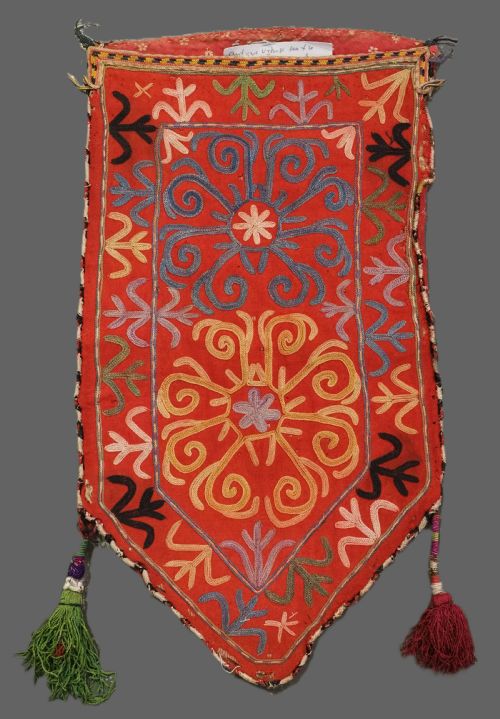
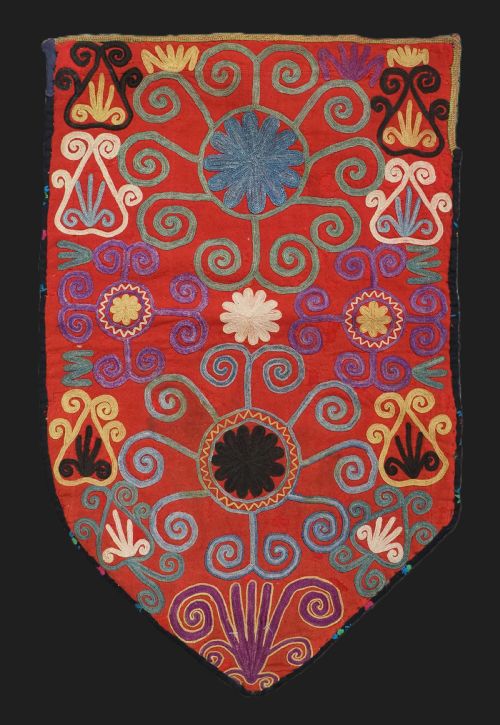
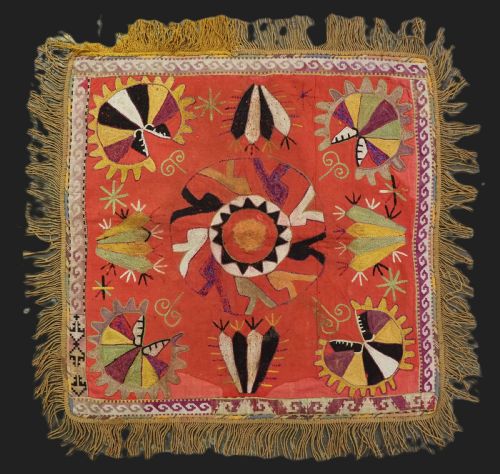
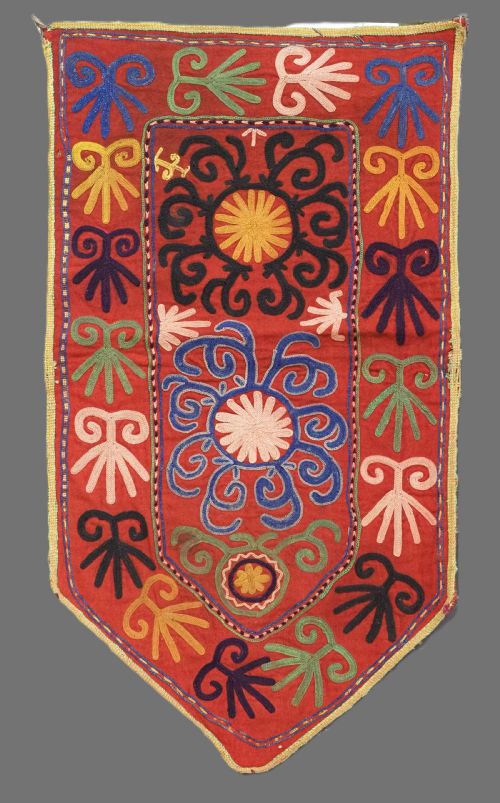
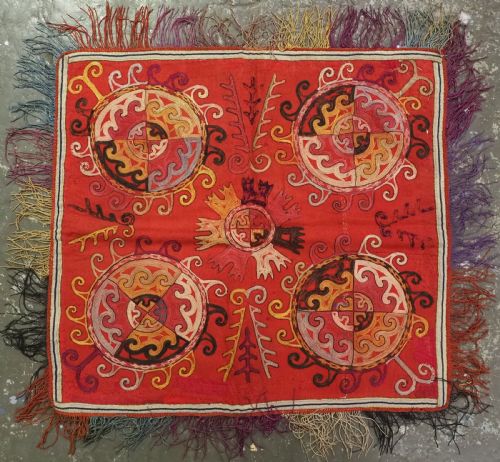
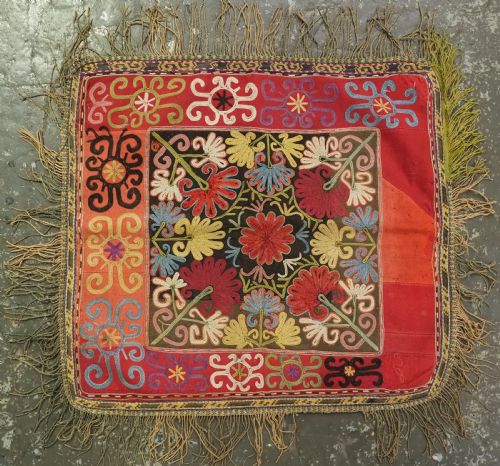
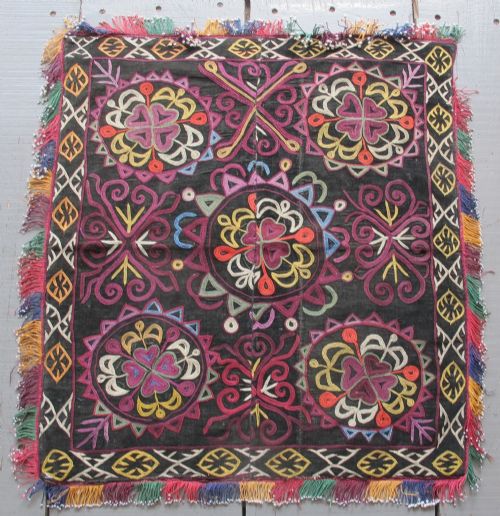
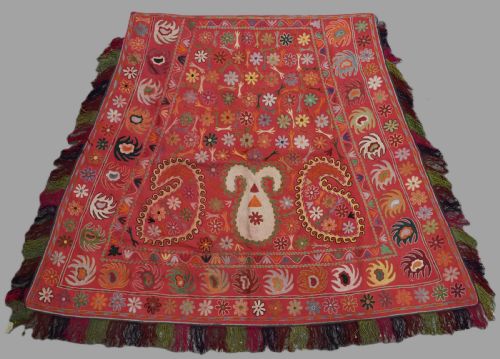
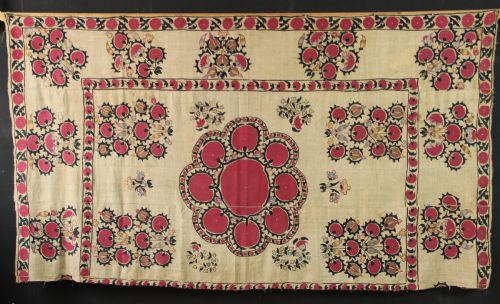
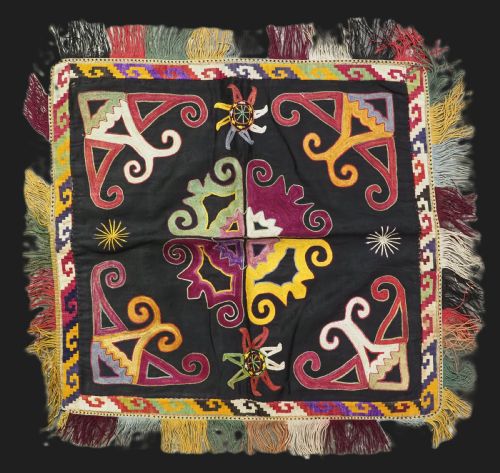
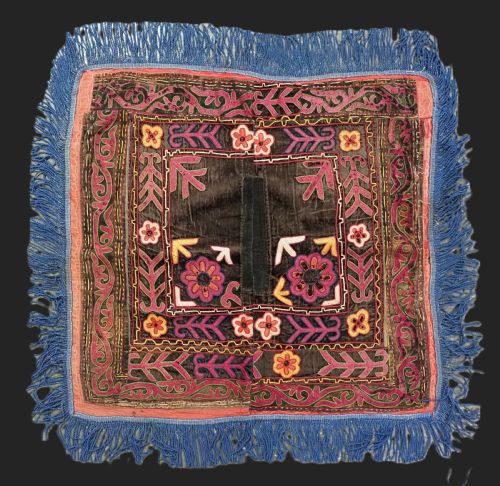
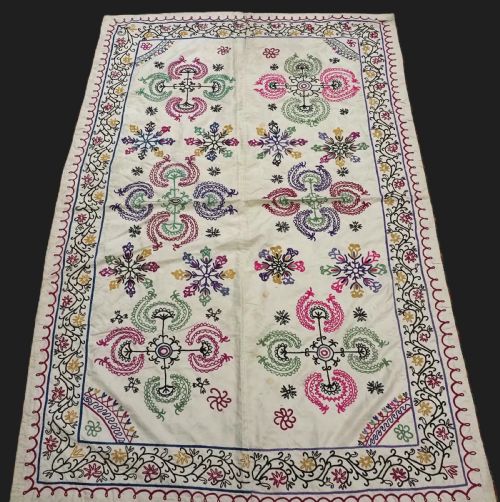
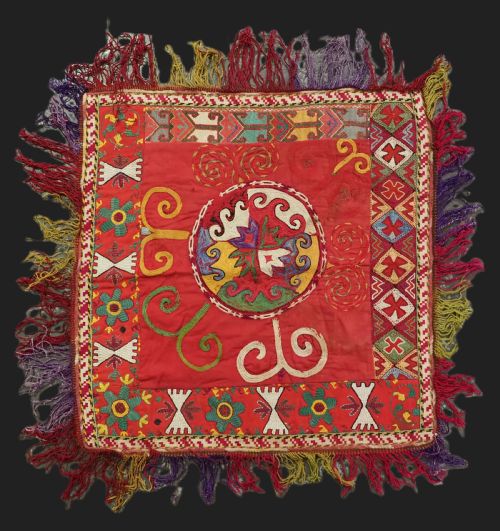
When searching for tribal silk embroidery, buyers encounter a diverse selection of Central Asian pieces created primarily by Uzbek, Lakai and Turkmen makers. These objects range from large wall hangings and domestic furnishings to specific ceremonial items like horse covers, mirror cases and ladies coats.
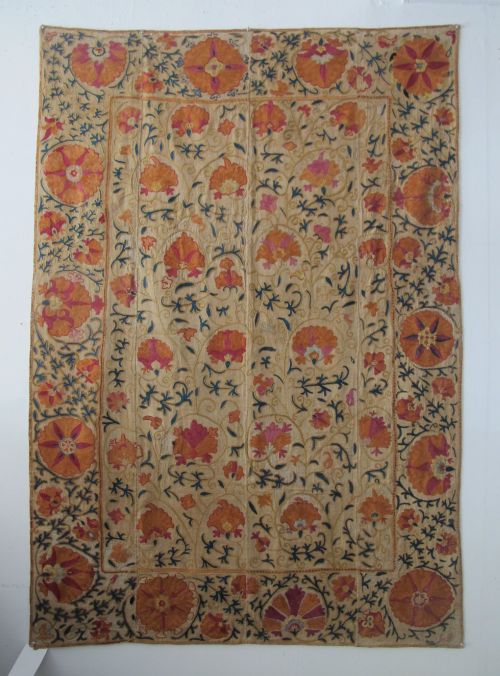
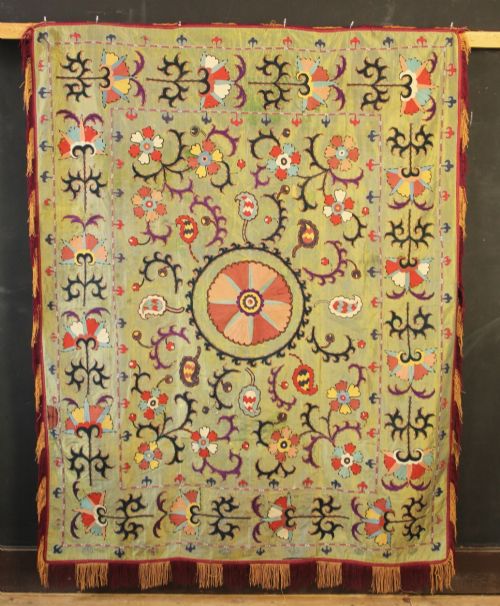
The pieces appearing on this page span from the early nineteenth century through the early twentieth century. Common formats include suzani panels, ilgich dowry embroideries and yurt wall hangings originating from regions such as Shakrisabz, Tashkent and Bukhara.
Factors determining quality
Quality rests upon the density of the needlework, the precision of the stitching and the complexity of the design layout. Fully embroidered panels showing complete coverage demonstrate a higher level of artisan skill than sparse or unfinished compositions.
The vibrancy of the original dyes and the preservation of the ground fabrics also dictate the standing of a piece. Finer examples maintain crisp chromatic contrast and intact borders without heavy degradation to the underlying silk or wool support.
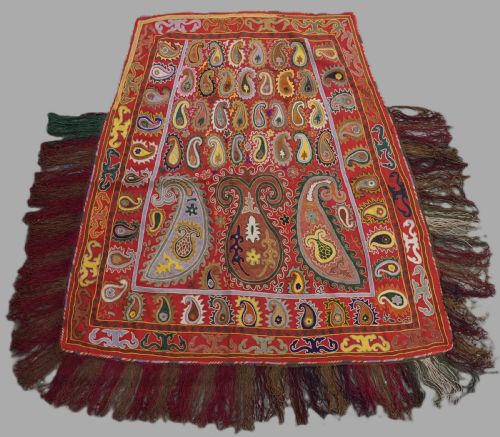
Several horse covers in the collection prove that nineteenth-century riders took embroidery very seriously indeed.
The Tribal Silk Embroidery Glossary
- Suzani
- A large embroidered Central Asian wall hanging or textile panel typically worked in silk thread on a cotton or linen ground. These pieces were traditionally made by brides as part of their dowry.
- Ilgich
- A specific form of Central Asian dowry embroidery often used as a wall hanging or domestic furnishing. They frequently display characteristic tribal motifs associated with Lakai makers.
- Torba
- A small hanging bag or trapping produced by Turkmen and related tribal groups. They often feature detailed geometric embroidery and silk highlights.
- Tush kyiz
- A large embroidered yurt wall hanging originating from Kyrgyzstan. These textiles celebrate traditional domestic life and marriage through intricate needlework.
- Chyrpy
- A traditional ladies ceremonial coat heavily embroidered in silk. These garments served as status items among Turkmen communities.
Tribal Silk Embroidery: Frequently Asked Questions
How were these embroideries used?
These textiles served multiple domestic and ceremonial functions within Central Asian households. Families displayed large suzanis and ilgiches on walls as decorative and symbolic elements of a bride's dowry.
Other items fulfilled specific practical roles, such as ceremonial horse covers for festive occasions, protective mirror cases, or worn garments like the heavily embroidered chyrpy coat.
How do I hang a textile on the wall?
Hanging antique textiles requires careful support to prevent sustained tension or tearing along the fabric. Professional framing behind conservation glass provides complete protection from dust and handling.
Alternatively, a specialist can sew a fabric sleeve or Velcro strip along the reverse top edge, allowing the piece to hang evenly from a concealed wooden batten.
How do I distinguish regional styles?
Regional attribution relies on observing specific motifs, stitch directions and ground fabrics. Lakai embroideries often feature idiosyncratic, smaller-scale geometric and figurative shapes on red wool or cotton grounds.
In contrast, suzanis from urban centres like Tashkent or Bukhara tend to display expansive floral sprays, medallion layouts and fully worked surfaces executed on finer cotton fabrics.
How should I care for silk embroidery?
Silk textiles require protection from direct sunlight, which fades natural dyes and weakens fragile protein fibres over time. Displaying them away from windows and heat sources prevents drying out and colour loss.
Cleaning should be left strictly to textile conservators, as amateur washing causes shrinkage, dye bleeding and structural damage to older foundation threads.