
Central Asian Silk Embroidery
Central asian silk embroidery brings together vibrant tribal textiles and historic wall hangings that anchor a room with rich cultural depth.
Central Asian Silk Embroidery
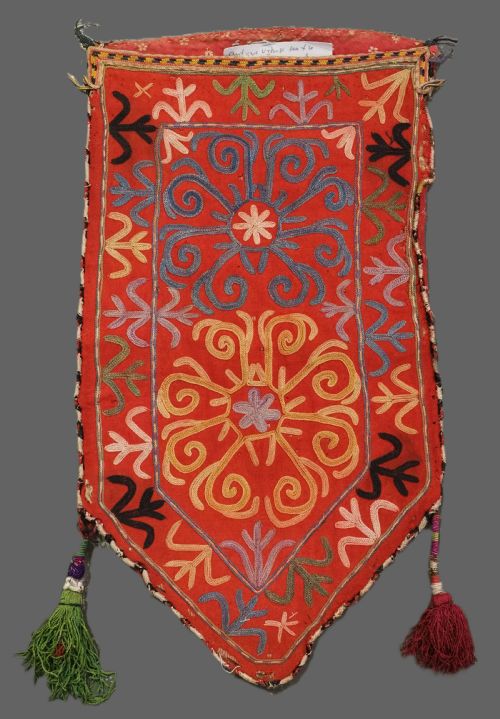
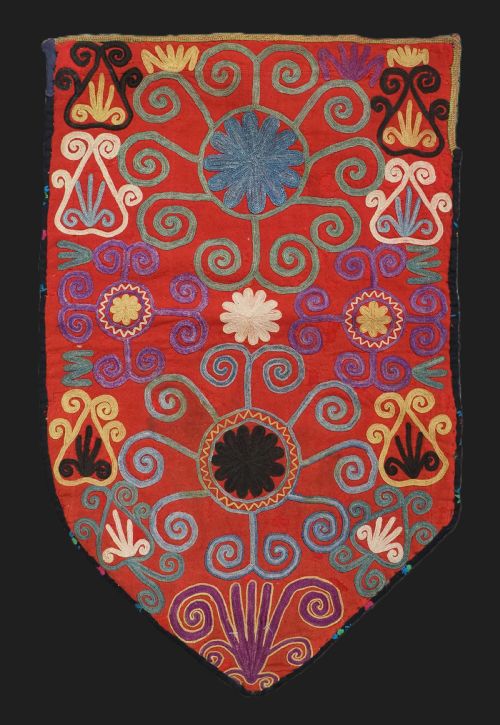
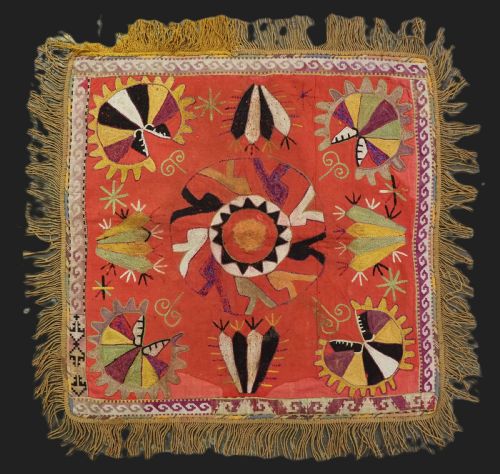
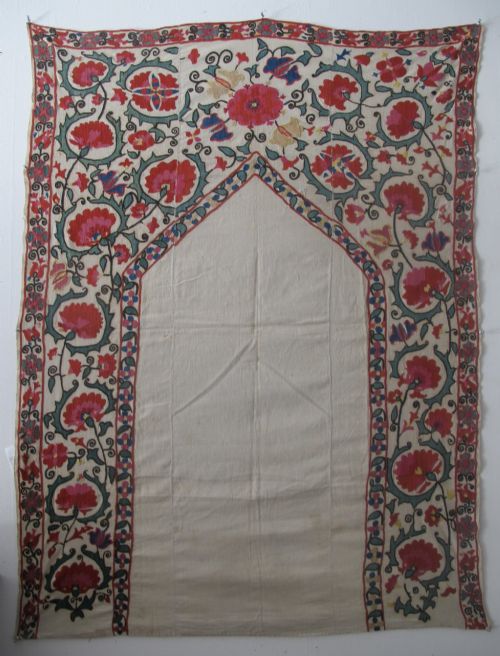
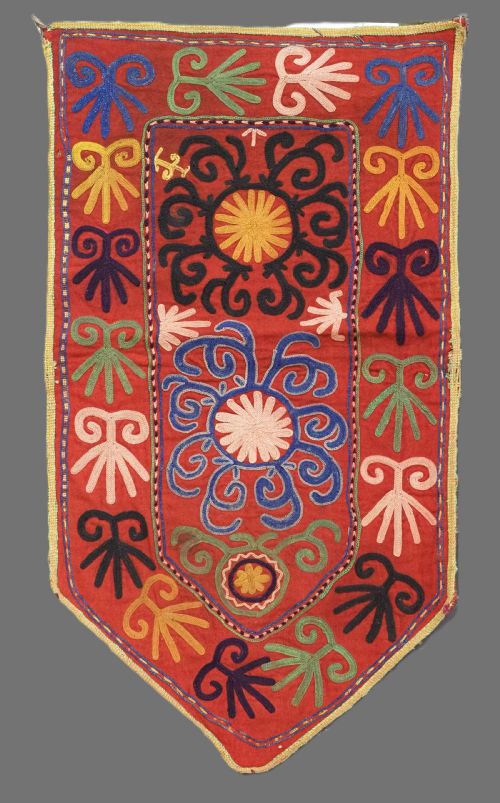
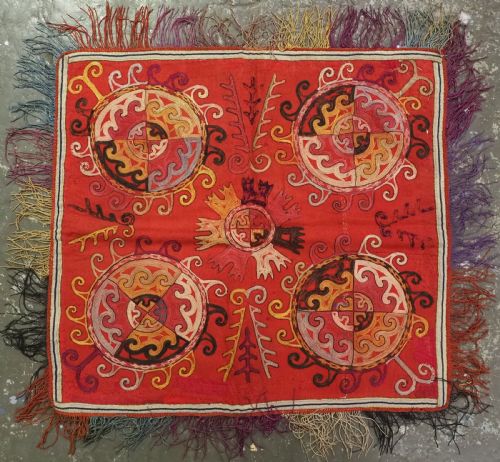
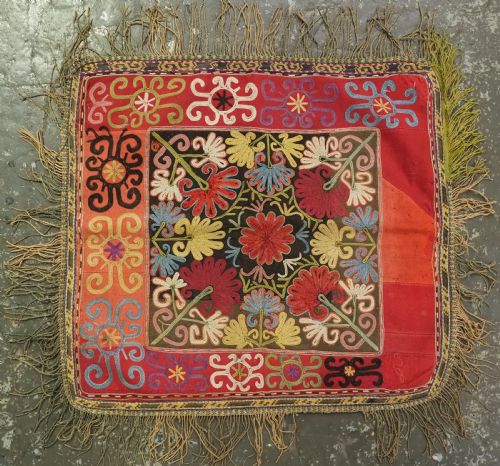
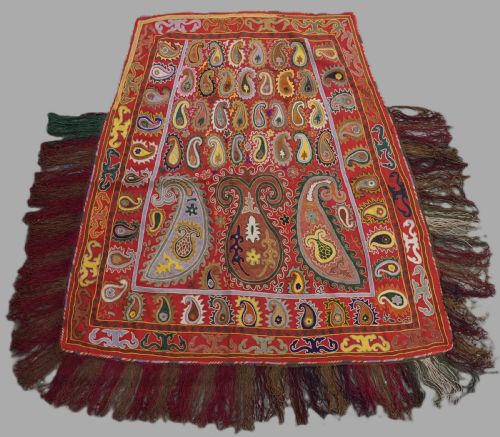
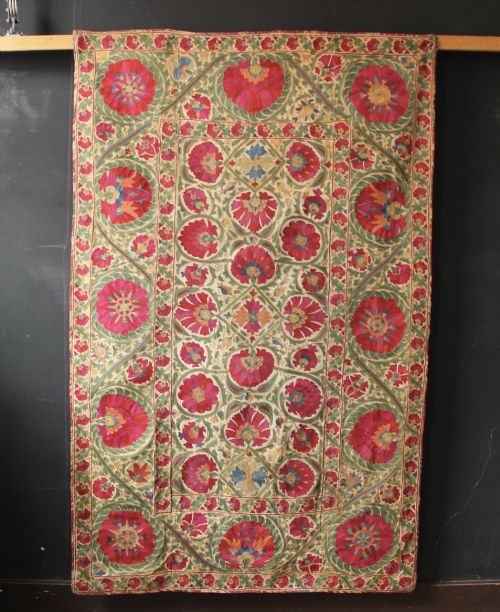
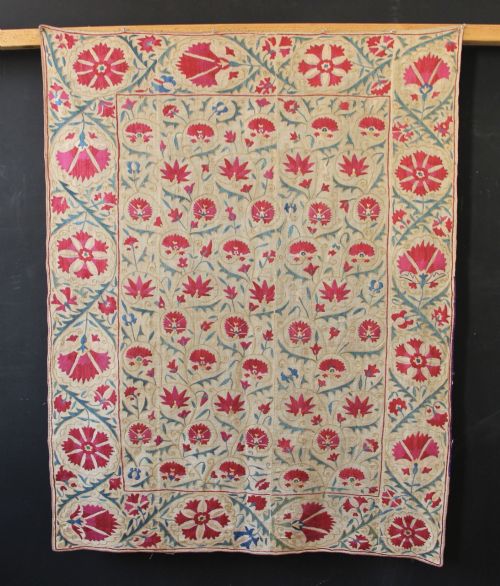
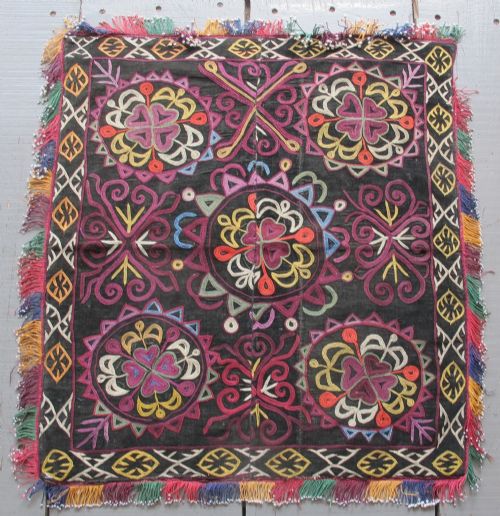
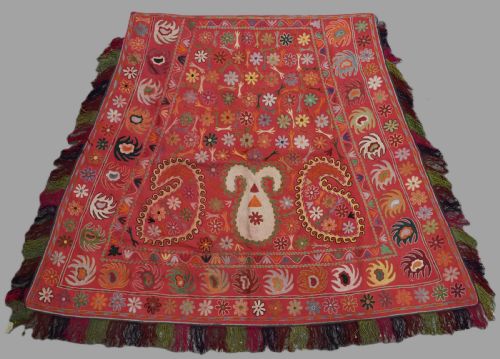
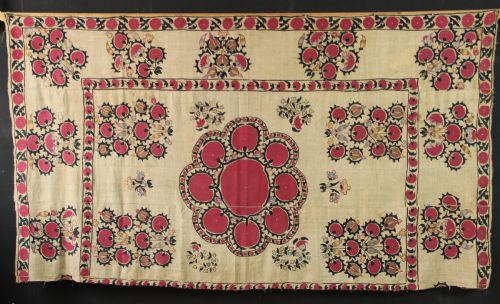
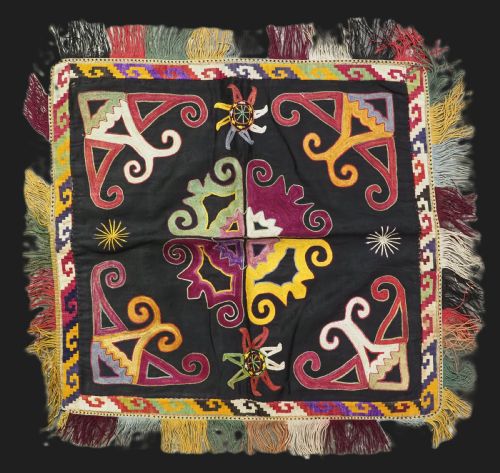
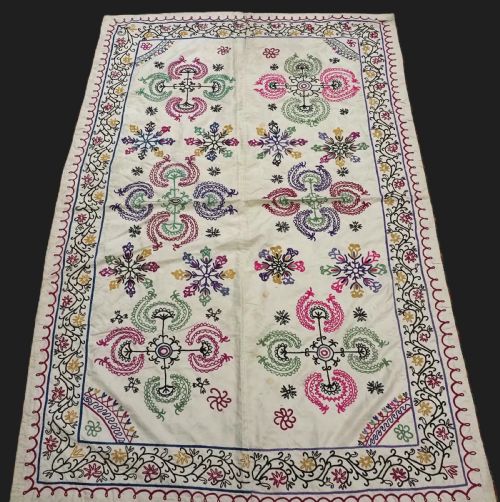
Central asian silk embroidery encompasses historic domestic textiles, wall hangings, and ceremonial pieces originating from regions such as Uzbekistan and surrounding areas. Buyers pursuing central asian silk embroidery typically encounter specialised regional forms including suzani wall hangings, dowry embroideries, and tribal household items. The selection frequently includes pieces attributed to the Lakai, Uzbek, and Tajik traditions dating from the mid-nineteenth century through the early twentieth century.
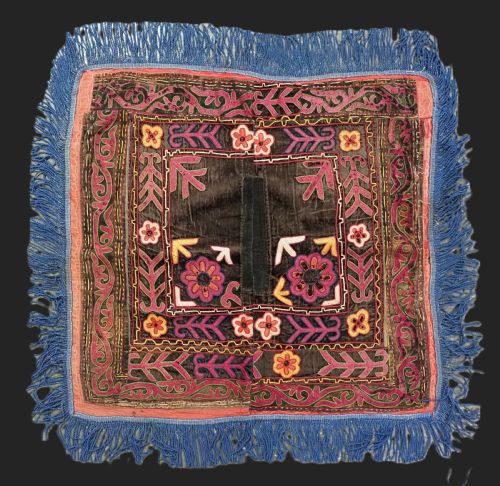
The functional range spans large bed covers and wall hangings down to smaller utilitarian objects such as mirror covers, horse saddle covers, and storage bag faces. Pieces originating from centres like Bokhara, Nurata, and Shakrisabz display distinct compositional traits that help identify their specific geographical provenance. Domestic textiles like the ru-i-jo bed cover and the uut kap ilgich illustrate the diverse domestic applications of needlework within nomadic and settled communities.
Materials and Construction Methods
Needlework techniques relied upon specialised stitches executed by hand, creating dense surface patterns and layered textural effects across the fabric. The combination of dyed silk yarns and sturdy base textiles ensured durability for items intended for everyday domestic use or ceremonial display.
Central Asian Silk Embroidery Retail Price Guide 2026
Typical asking prices for central asian silk embroidery among the pieces listed under this phrase on Sellingantiques today, from the lower quarter to the upper quarter. They describe what is for sale here now, not the wider market.
Nomadic embroiderers occasionally added glass beads to horse covers, ensuring that a bride's mount sparkled brilliantly during wedding processions.
Evaluating Quality and Execution
The refinement of needlework execution and the complexity of the design layout distinguish superior examples from standard specimens. Precision in stitch density and the harmonious saturation of natural or early synthetic dyes contribute significantly to the visual impact of an embroidered textile.
Preservation of the original ground fabric and the integrity of the silk thread determine the physical condition of the piece. Intricate pictorial balance, particularly in architectural or medallion suzanis, reflects the skill level of the original maker.
The Central Asian Silk Embroidery Glossary
- Suzani
- A large embroidered wall hanging or bed cover from Central Asia, traditionally worked in silk on a cotton or linen foundation.
- Ilgich
- A specific form of Central Asian embroidery, often associated with the Lakai tribe and utilised for dowry wall hangings or storage items.
- Uut Kap
- A nomadic storage bag face produced by tribal groups, frequently decorated with dense geometric and figurative embroidery.
- Ru-I-Jo
- A traditional Central Asian bed cover or coverlet, often created as part of a bride's dowry.
- Torba
- A small hanging bag used within nomadic tents, often featuring elaborate face embroidery with silk highlights.
Central Asian Silk Embroidery: Frequently Asked Questions
How were suzanis used in traditional homes?
Suzanis served primarily as decorative wall hangings, festive bed covers, and ceremonial textiles within Central Asian households. Families displayed them prominently during weddings and other significant cultural events.
They also formed a vital component of a bride's dowry, demonstrating the needlework skill and social standing of the family. These textiles brought colour and warmth to domestic interiors.
What is the difference between a suzan and an ilgich?
A suzani is typically a large-scale wall hanging or bed cover featuring floral or medallion motifs created by settled urban workshops. An ilgich is more commonly associated with nomadic and tribal groups like the Lakai.
Ilgich pieces often appear as smaller dowry items or storage bag faces with distinct geometric and dynamic compositions. Both utilise silk thread embroidery but stem from different cultural contexts.
How can I care for an antique embroidered textile?
Protect antique textiles from direct sunlight to prevent the fading of silk threads and natural dye colours. Mounting the textile professionally onto a padded, fabric-covered board helps distribute the weight evenly.
Avoid folding older pieces for extended periods to prevent stress fractures along the crease lines. Professional textile conservators should handle any necessary cleaning or stabilization.
Where were these embroidered textiles made?
Production centred across historic regions of Central Asia, notably within modern-day Uzbekistan and neighbouring areas. Specific towns and cities such as Bokhara, Nurata, and Shakrisabz developed distinct regional styles.
Nomadic tribes including the Lakai and Ersari produced distinct work in surrounding rural territories. Each group maintained specific colour palettes and decorative motifs passed down through generations.