



Multicoloured Silk Textile
These multicoloured silk textile pieces bring vibrant Central Asian and European craftsmanship into your home through richly dyed panels, coats, and embroideries.
Multicoloured Silk Textile
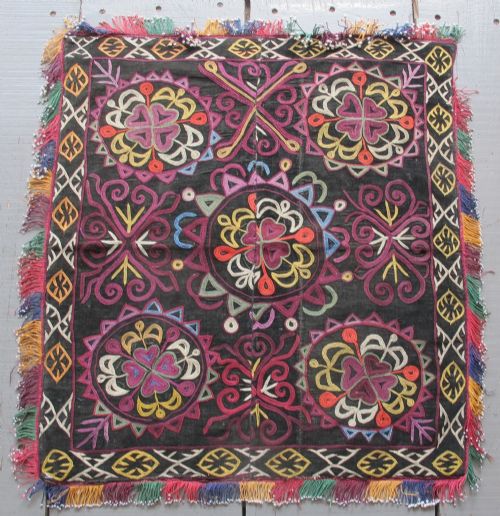
A multicoloured silk textile encompasses an array of vibrant decorative forms, ranging from large Central Asian ikat panels and traditional gentleman's coats to intricate European embroideries spanning multiple centuries. You will frequently encounter Central Asian tribal works, including embroidered mirror covers and wall hangings alongside smaller daily items such as purses.
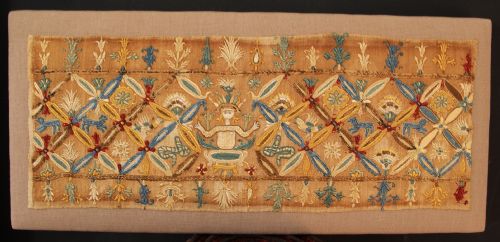
The selection bridges several distinct cultural traditions, featuring Greek island embroidery from the eighteenth century alongside nineteenth-century Uzbek tribal pieces from Bukhara and Samarkand. Pieces vary dramatically in scale from compact purses and torba ilgich bag faces to substantial wall panels measuring over two metres across.
Dating conventions stretch from seventeen-hundred European needlework up to nineteen-hundred tribal weavings, capturing shifting regional aesthetics across different eras. Silk dominates the material palette, often supported by cotton, wool, linen, wood, and glass beads depending on the specific tribal or European origin.
Materials and construction methods
These textiles rely principally on fine silk yarns, frequently paired with cotton, wool, or linen foundations to provide structural stability for heavy embroidery or woven patterns. Artisans utilised specialised resist-dyeing techniques for ikat panels, where warp threads are bound and dyed prior to weaving to create characteristic feathered colour transitions.
Surface ornamentation often involves dense needlework utilising colourful silk threads, sometimes augmented with glass beads to catch the light on ceremonial hangings and bags. Wood and glass elements occasionally appear as structural components or decorative accents within mounted panels and mirror covers.
Current listings demonstrate a geographical span from Greek island embroidery to Central Asian ikat coats and European panels.
Assessing quality in historical textiles
Quality rests upon the intricacy of the dye work and the precision of the silk weave or embroidery stitches executed by the maker. Superior pieces display harmonious colour palettes with crisp pattern definition, whereas lesser examples show muddy dye bleeding or sparse needlework.
Condition and completeness heavily influence the standing of an item, particularly when evaluating delicate antique garments like gentlemen's coats or tribal storage bags. Intact borders, original backing materials, and stable silk fibres distinguish top-tier historical examples from heavily degraded fragments.
The Multicoloured Silk Textile Glossary
- Ikat
- A dyeing technique where warp or weft threads are tie-dyed before weaving to form intricate patterns. This method produces the characteristic blurred, hazy outlines seen on many Central Asian panels and coats.
- Khalat
- A traditional loose-fitting long robe or coat worn across Central Asia. These garments are often fashioned from vibrant silk ikat fabrics featuring bold geometric and floral motifs.
- Cretan Embroidery
- Needlework originating from the Greek islands during the seventeenth and eighteenth centuries. These pieces typically feature stylised floral and human motifs stitched in rich silks.
- Patchwork
- A needlework method where smaller scraps of fabric are joined together to form a larger composite surface. This technique creates complex multicoloured geometric compositions on wall hangings.
Multicoloured Silk Textile: Frequently Asked Questions
How do I hang a textile securely?
Large panels and wall hangings require even distribution of weight across the upper edge to prevent distortion of the delicate silk fibres. Using a padded wooden baton with a cotton sleeve allows the textile to be attached safely without piercing the fabric.
Avoid hanging textiles in direct sunlight, as ultra-violet rays will quickly fade the vibrant natural and synthetic dyes found in these historical pieces.
Can I wear an antique coat?
Many nineteenth-century coats were constructed for ceremonial or formal daily wear, featuring delicate silk ikat structures that become fragile over time. Wearing them subjects the ancient seams and aged threads to physical stress which can cause permanent tearing.
It is generally wiser to preserve wearable historical garments as display pieces or study items rather than incorporating them into a modern wardrobe.
What is a torba ilgich used for?
A torba ilgich functioned as a decorative storage bag face or tent-hanging within nomadic tribal households in Central Asia. These items displayed the fine needlework skills of the maker while serving practical domestic storage needs.
Today, collectors appreciate them as compact examples of tribal textile art that fit easily into smaller interior spaces.
How are different regional styles identified?
Regional attribution relies on examining the specific motif vocabulary, stitch structures, and dye palettes characteristic of distinct tribal groups or European workshops. For example, Lakai embroideries utilise particular geometric filler stitches that separate them from urban Uzbek ikats.
Comparing piece proportions and backing materials against established historical examples helps confirm the geographical origins of unsigned items.