

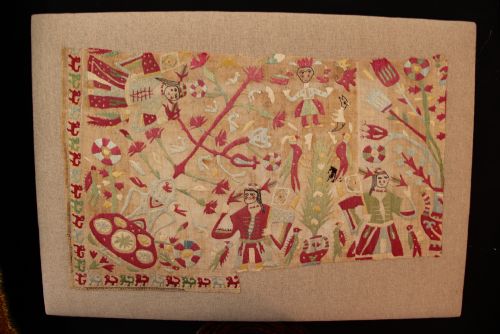


Red Silk Embroidered Panel
A red silk embroidered panel brings together vibrant textile traditions from Central Asia, China, and the Ottoman Empire, offering rich colour and intricate needlework for interior display.
Red Silk Embroidered Panel
A red silk embroidered panel encompasses a diverse array of historic textile forms, from Central Asian suzanis and dowry items to Chinese kimono fragments and Ottoman borders. When exploring this selection, buyers encounter wall hangings, framed panels, and yurt decorations originating primarily from nineteenth and early twentieth century traditions.
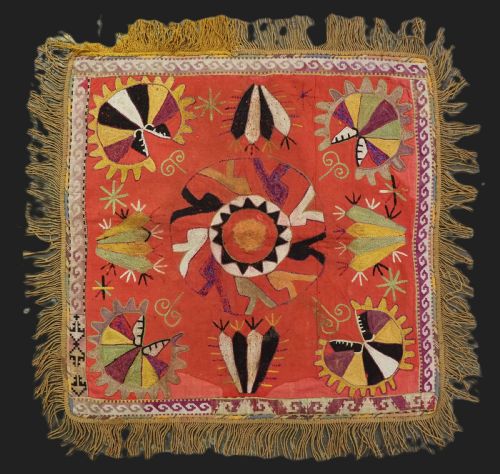
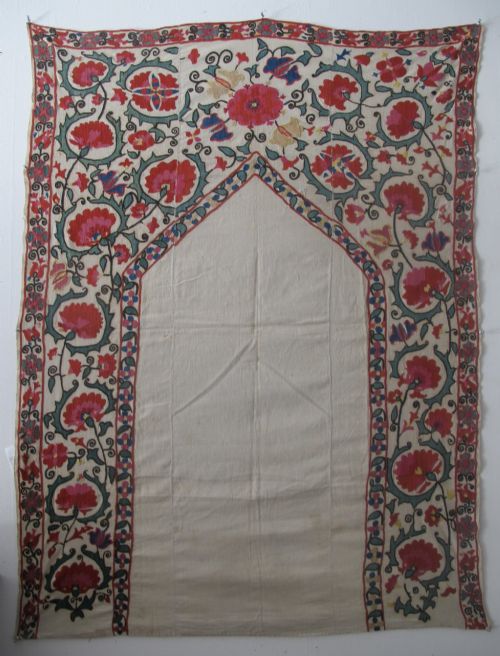
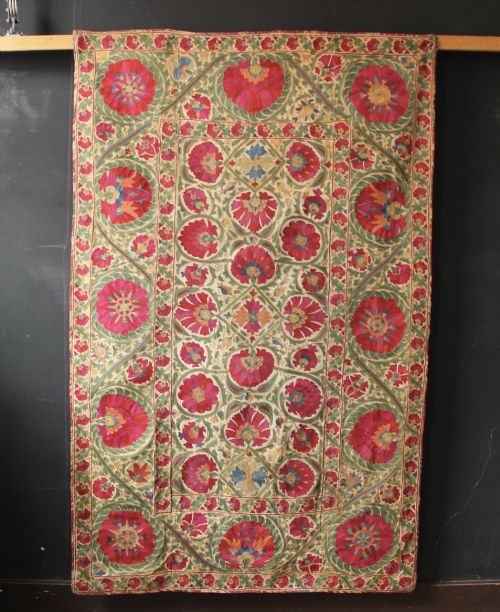
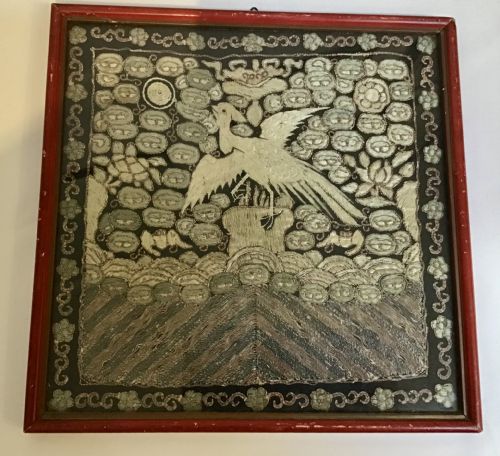
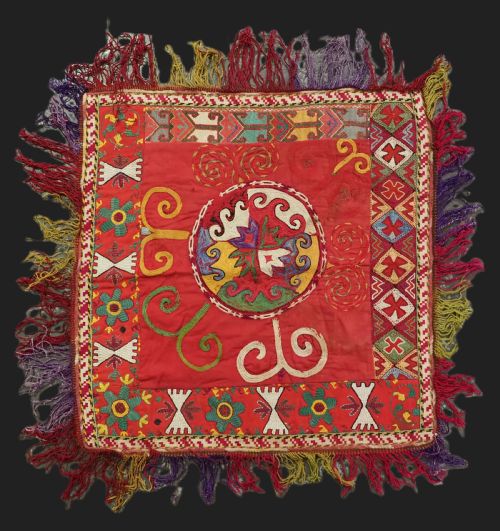
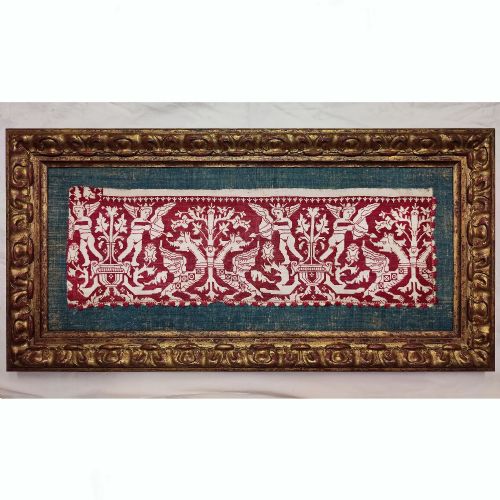
Central Asian suzanis and tribal ilgich pieces dominate the offerings, showcasing bold botanical motifs, stars, and architectural layouts executed by makers in regions such as Bokhara, Tashkent, and Samarkand. Alongside these tribal works, European and Asian decorative fragments provide smaller scale examples including Greek island bedsheet borders and Chinese rank badges.
Dating ranges from seventeenth century European needlework to twentieth century folk art, with the nineteenth century heavily represented among surviving examples. These textiles frequently served domestic, ceremonial, or architectural functions before being repurposed as decorative wall art for modern interiors.
Materials and construction
The foundation fabrics vary according to regional tradition, utilising hand-spun cotton, wool felt, adras silk, or heavy linen alongside the characteristic red silk grounds. Artisans then applied bright silk threads, occasionally incorporating metallic thread or wool to build up dense, textured surfaces.
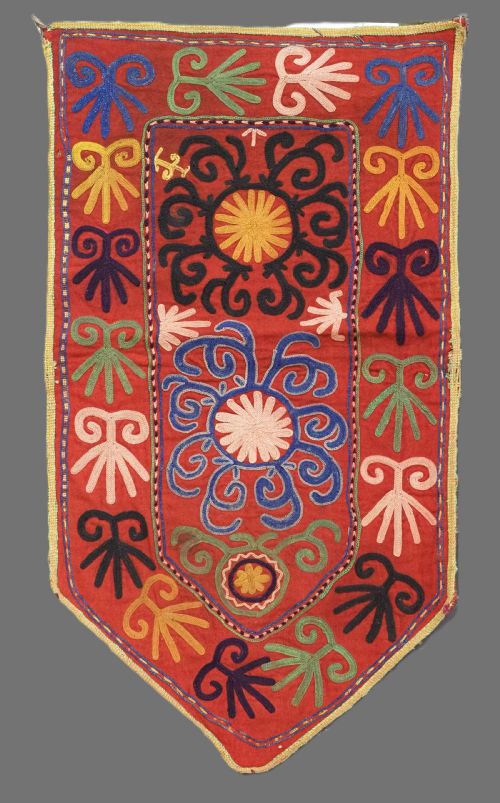
Needlework techniques include couching, satin stitch, and applique work, where shaped pieces of felt or contrasting fabric are stitched to the red ground. Many larger suzanis were worked in sections on narrow looms before being joined together by hand into a unified composition.
Listings feature red silk embroidered panels spanning from the seventeenth century through to the twentieth century, originating across Central Asia, China, Greece, and the Ottoman Empire.
Assessing quality and execution
Quality rests upon the fineness of the needlework, the complexity of the design, and the integrity of the ground fabric. Superior examples display dense, precise stitching that maintains tension across the entire surface without distorting the cloth.
The visual impact depends significantly on the vibrancy and harmony of the dyed silk threads, alongside the preservation of the original composition. Pieces that retain their full design geometry and structural strength without excessive loss to the delicate embroidery command greater appreciation among collectors.
The Red Silk Embroidered Panel Glossary
- Suzani
- A large, embroidered tribal wall hanging or decorative textile from Central Asia, traditionally worked in silk on a cotton or linen ground. These pieces often feature bold floral and stellar motifs created for dowries.
- Ilgich
- A small Central Asian tribal embroidery piece, frequently utilised for hanging on the walls of a yurt or as part of bridal furnishings. They display distinct geometric patterns characteristic of specific groups such as the Lakai.
- Palak
- A fully embroidered Tashkent suzani characterised by a dense night sky motif filled with large roundels and stellar patterns. The entire ground is heavily worked in vibrant silk thread.
- Rank badge
- A square or rectangular embroidered textile patch worn on the robes of Chinese officials during the Qing Dynasty to indicate civil or military status. They frequently incorporate fine silk and metallic thread details.
- Adras
- A traditional Central Asian mixed fabric woven from silk warp and cotton weft yarns. This material provides a sturdy yet lustrous ground for intricate needlework.
Red Silk Embroidered Panel: Frequently Asked Questions
How were these panels used historically?
Historic textiles served varied domestic and ceremonial functions, ranging from bridal dowry items and interior furnishings to decorative wall hangings inside nomadic yurts. Many functioned as bedcovers, door curtains, or status symbols within traditional households.
Over time, panels were often mounted, framed, or separated from larger garments to preserve the intricate needlework for display as standalone works of art.
How do I care for an antique textile?
Protect antique embroidery from direct sunlight to prevent the natural silk threads and dyed red grounds from fading. Display pieces away from moisture and heat sources to maintain the stability of the natural fibres.
Support the weight of larger hangings evenly across the fabric rather than suspending them from single points. Professional conservation framing using acid-free materials offers the best protection for fragile fragments.
How do I distinguish regional styles?
Central Asian suzanis feature large scale floral medallions, vines, and star patterns worked in bright silk on cotton grounds. Tribal Lakai pieces tend to display smaller, highly geometric and abstract amulets.
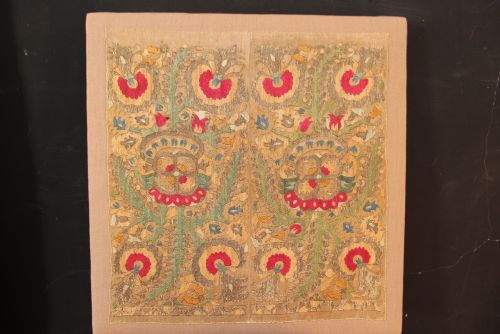
Chinese panels utilise distinct iconography such as cranes, peonies, and formal borders executed in satin stitch or gold thread. Greek island and Ottoman borders show geometric repeating patterns or stylised floral fragments.
What is a nim suzani?
A nim suzani is a half-sized version of the traditional Central Asian wall hanging, created on a smaller scale for domestic use or specific interior spaces. These pieces retain the same intricate embroidery techniques and botanical designs as their larger counterparts.
Their compact dimensions make them particularly suitable for modern wall mounting and display in domestic settings.