



Tribal Embroidery Wall Art
These tribal embroidery wall art pieces are historic Central Asian textiles that bring rich texture and heritage into modern interiors.
Tribal Embroidery Wall Art
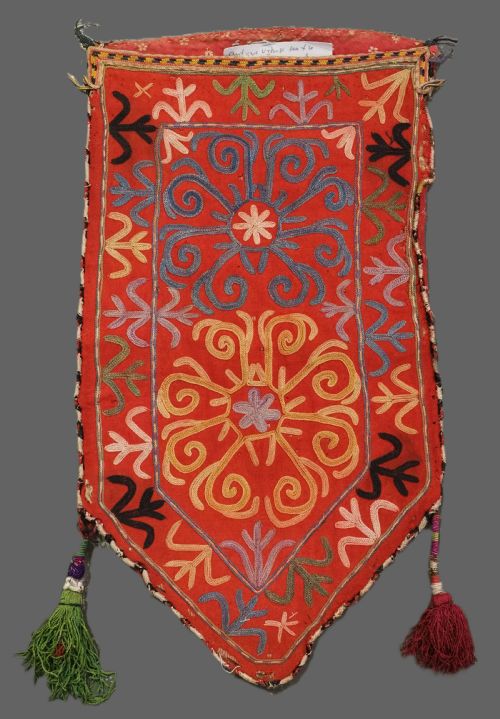
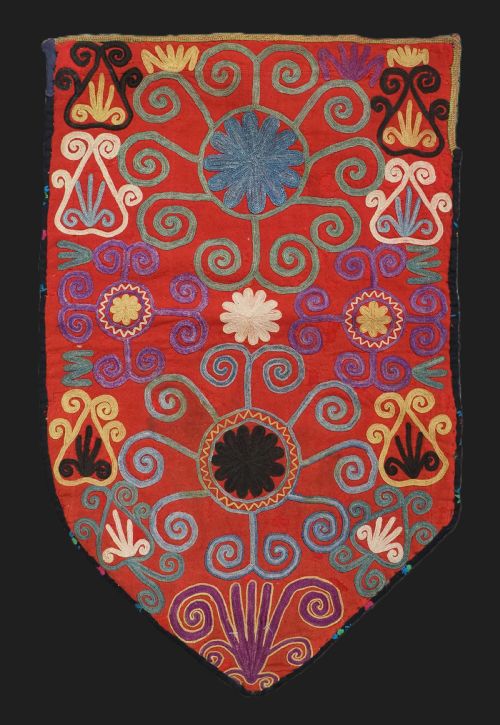
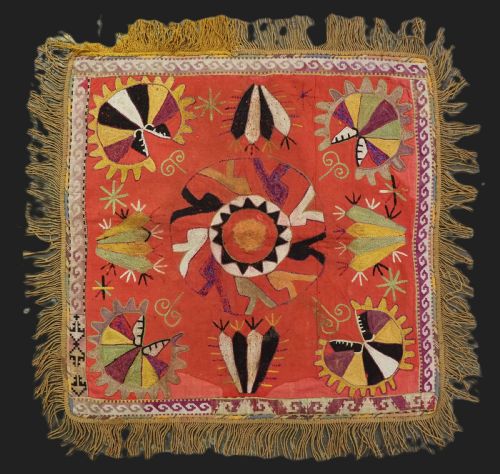
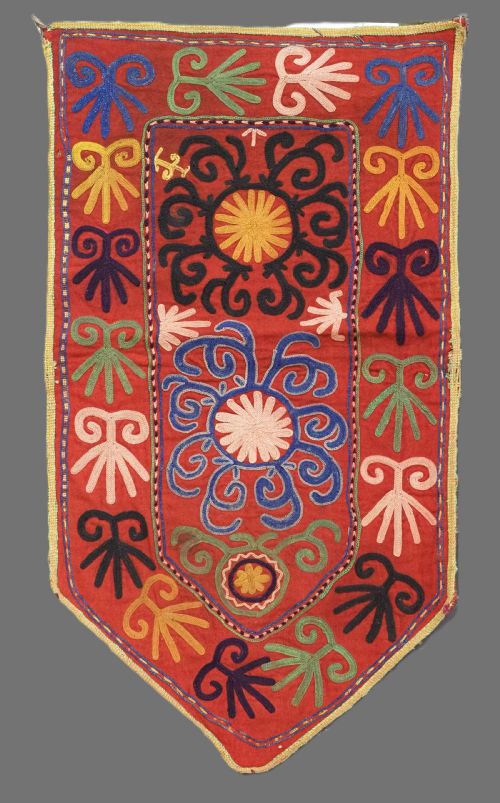
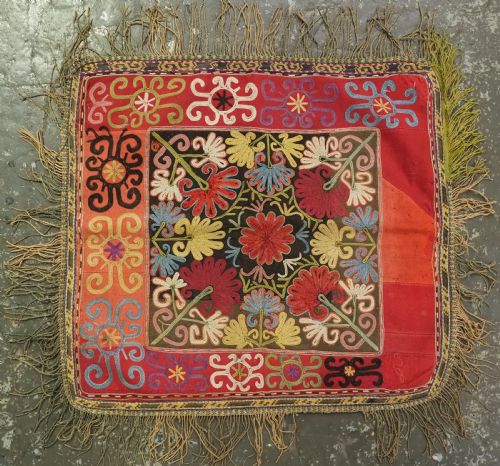
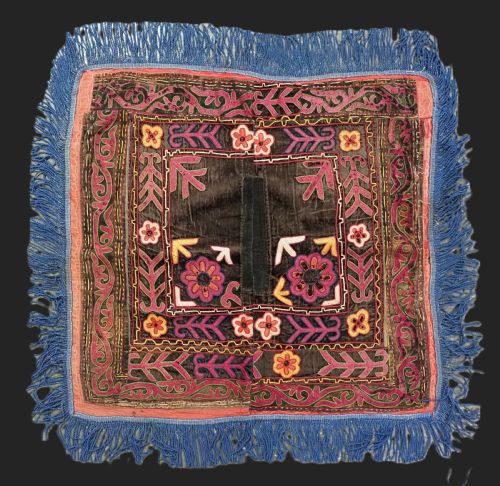
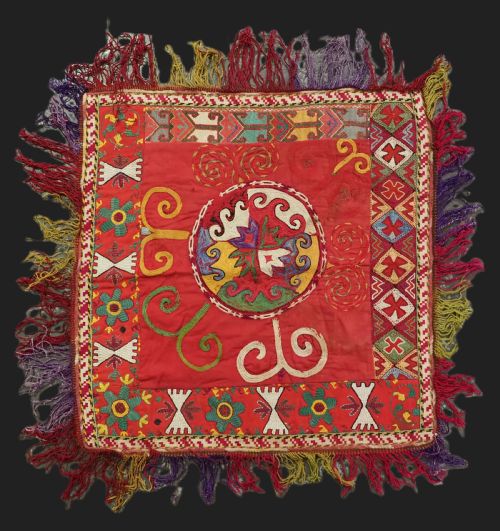
Tribal embroidery wall art encompasses historic textile panels, dowry hangings, and ceremonial covers originating primarily from Central Asian nomadic and tribal groups. These items span the nineteenth and early twentieth centuries, reflecting deep regional traditions through textiles adapted for modern display.
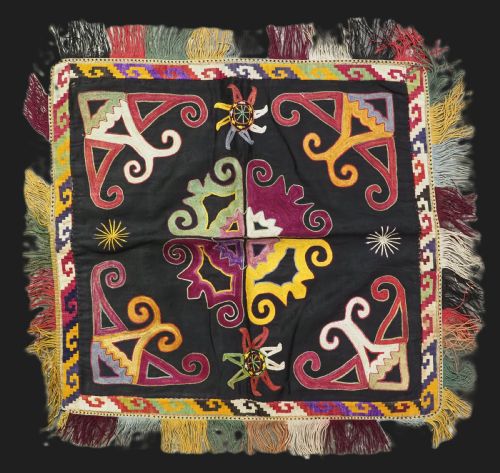
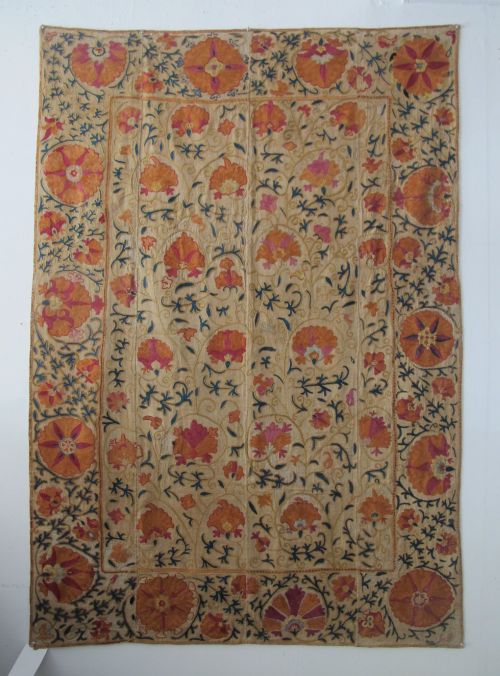
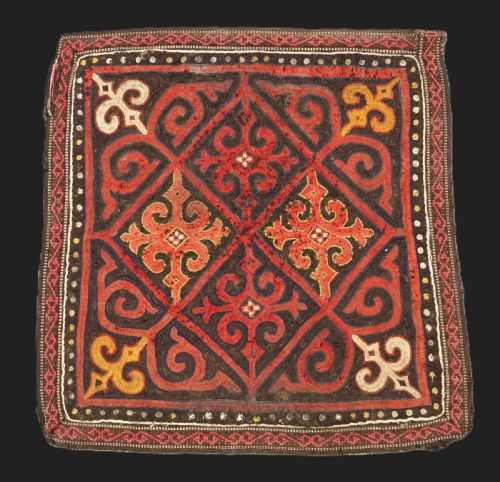
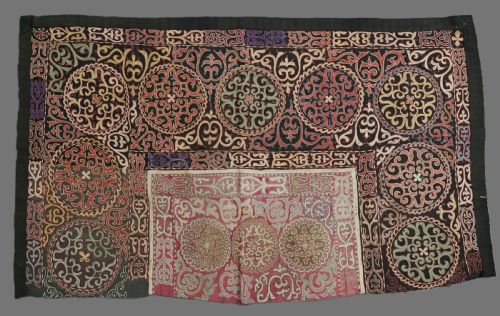
The most common forms found here include Uzbek Lakai tribe ilgich and uut kap wall hangings, alongside elaborate Suzani panels from centres such as Bokhara, Tashkent, and Samarkand. Buyers also encounter Kyrgyz tush kyiz yurt wall hangings and Turkmen torba panels, which originally served functional or ceremonial domestic roles.
Objects like ceremonial horse covers, saddle bags, and bed decorations demonstrate how nomadic communities integrated intricate needlework into daily life. Each piece functions as a textile work of art, capturing the distinct aesthetic of maker communities across Central Asia and India.
How they were made
These textiles rely on natural foundations of cotton, wool, felt, and velvet, providing a durable ground for heavy stitching. Artisans then applied dense embroidery using silk thread, wool, and occasionally horsehair tassels for added dimension.
Needlework techniques varied from fine silk embroidery on cotton grounds to appliqué work on thick felted wool panels. Regional workshops utilised specialised stitch patterns, visible in the distinct geometric and figurative motifs of Lakai, Kyrgyz, and Suzani pieces.
Some nineteenth-century pieces began life as ceremonial horse covers before finding a second career as wall art.
What varies in quality
The density and complexity of the needlework dictate the visual richness of each panel, separating standard domestic items from exceptional ceremonial examples. Full work embroidery covering the entire ground demands significantly more labour than pieces with open background spaces.
The vibrancy and condition of the natural silk or wool threads determine the enduring visual impact of the textile. Additionally, the crispness of tribal motifs and the balance of the overall composition reflect the skill of the original maker.
The Tribal Embroidery Wall Art Glossary
- Suzani
- An embroidered textile panel originating from Uzbekistan and surrounding regions, traditionally stitched in silk on a cotton ground as part of a bride's dowry.
- Ilgich
- A Central Asian wall hanging or hanging storage piece, frequently produced by the Lakai tribe with distinct geometric embroidery.
- Torba
- A small ceremonial bag or wall hanging produced by Turkmen tribes, often featuring intricate face embroidery and silk highlights.
- Tush kyiz
- A large, elaborately embroidered yurt wall hanging traditionally made by Kyrgyz women to celebrate a marriage.
- Palak
- A fully embroidered Suzani variety featuring dense motifs that cover the entire cotton ground.
- Ok bash
- A traditional Kyrgyz felt container or panel, sometimes accented with horsehair tassels.
Tribal Embroidery Wall Art: Frequently Asked Questions
How should I hang a textile on the wall?
Mounting historic textiles safely requires distributing the weight evenly across the entire upper edge. A professional framer can stitch the textile to a padded backing board or use a custom fabric sleeve method.
Direct sunlight damages natural silk and cotton threads over time. Position your wall art away from direct windows to preserve the original dyes.
What is a Suzani used for traditionally?
Suzanis were created as part of a bride's dowry in Central Asian households, serving practical and ceremonial functions. Families used them as wall decorations, bed covers, or ceremonial wraps during wedding celebrations.
These large embroidered panels represented the status and skill of the maker's family. Today, collectors primarily display them as flat textile art.
How do I identify Lakai tribe embroidery?
Lakai embroidery originates from Uzbek nomadic groups and is instantly recognisable by its dynamic, abstract geometric forms. Artisans often utilised vibrant silk threads on dark felt or cotton grounds, creating thick, raised chain stitching.
Unlike urban Suzanis with floral sprays, Lakai pieces favour hooked motifs, amulets, and energetic lines. Their compact scale makes them well suited for smaller wall spaces.
Are these textiles fragile?
Nineteenth-century nomadic textiles are remarkably durable given their age, having survived decades of domestic use. However, natural fibres like silk and wool require gentle handling and protection from moisture and pests.
Keep them in stable indoor environments away from high humidity. Professional conservation cleaning is recommended if the textile requires dust removal.