


Antique Uzbekistan Embroidery
Antique uzbekistan embroidery offers a vivid window into Central Asian textile art through richly worked wall hangings, dowry pieces, and ceremonial horse covers.
Antique Uzbekistan Embroidery
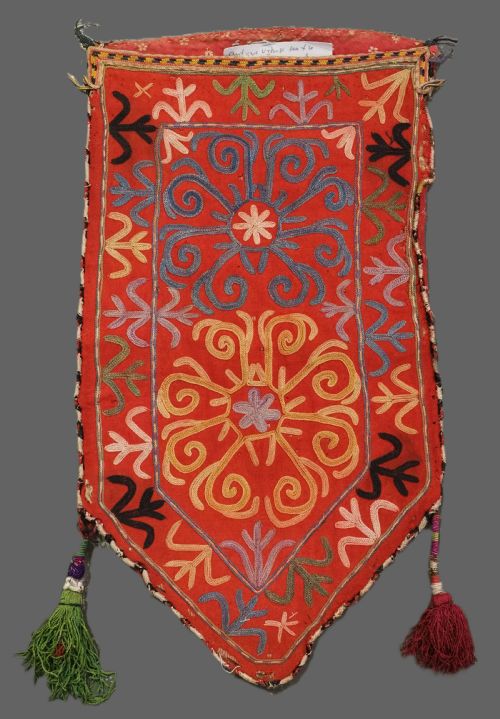
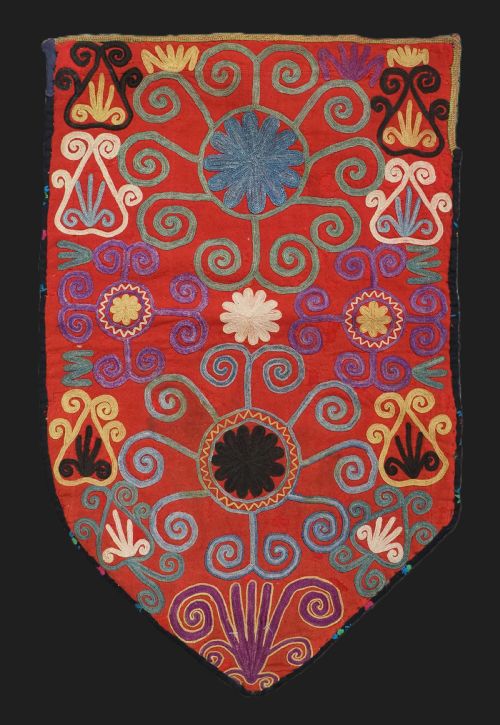
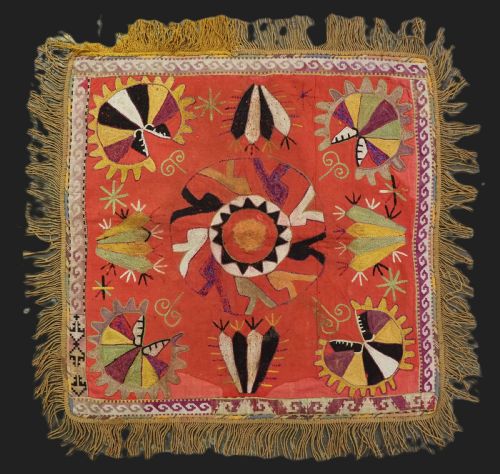
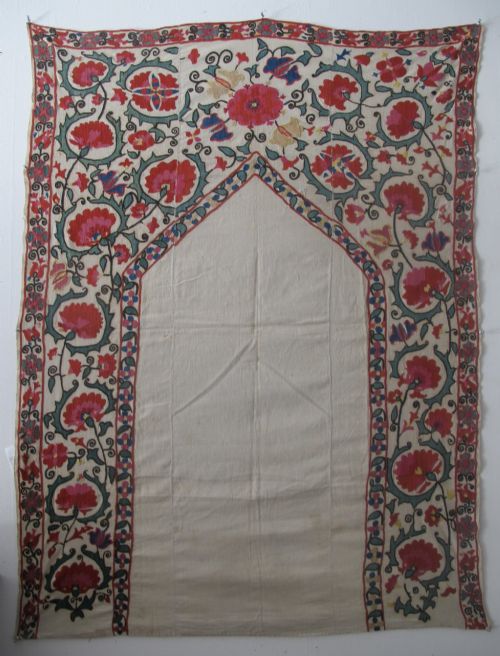
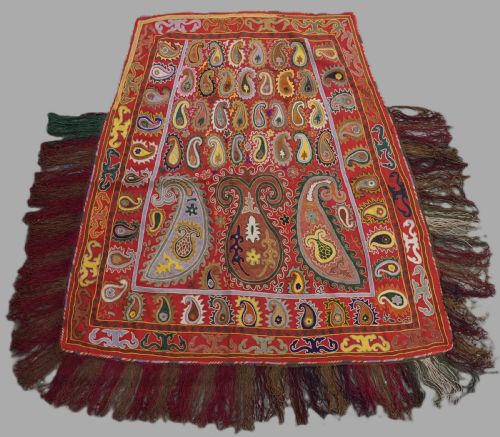
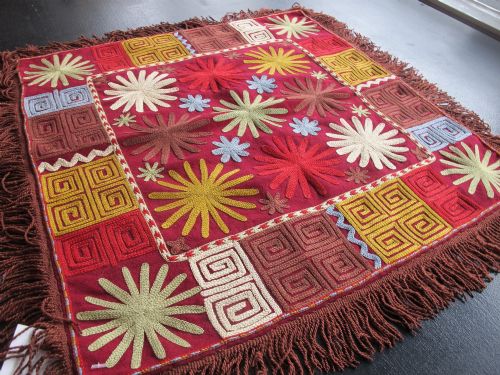
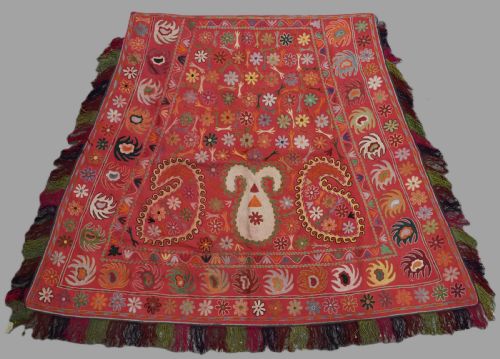
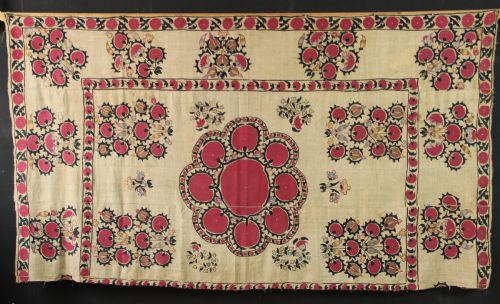
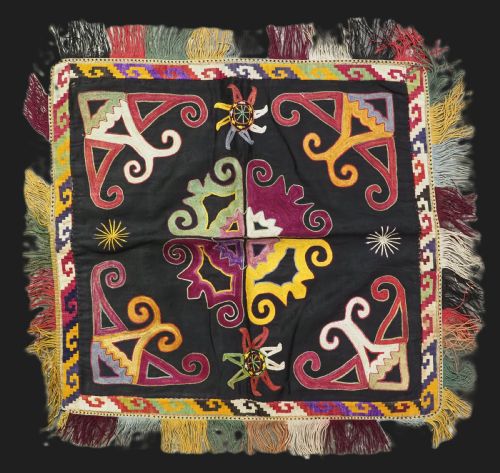
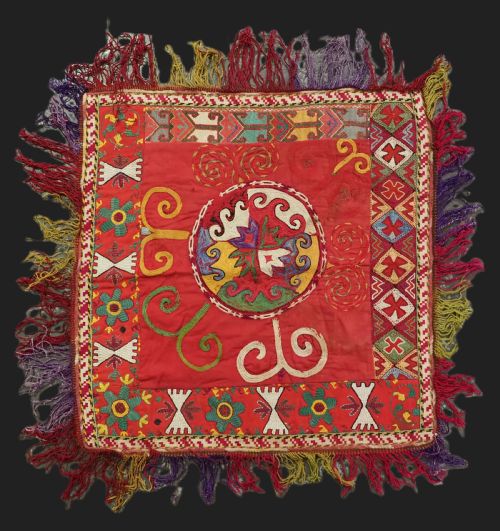
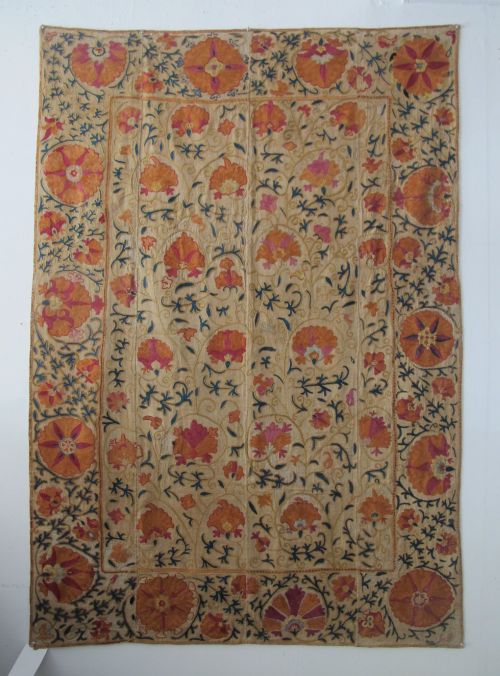
When searching for antique uzbekistan embroidery, collectors encounter a diverse array of textiles ranging from large wall hangings known as suzanis to smaller dowry items and horse covers. These pieces originate from various historical centres across Central Asia and reflect rich tribal traditions.
The most common forms on this page include suzani panels, smallerilgich wall hangings, and ceremonial saddle covers created by the Lakai tribe. Pieces often date from the mid-nineteenth century through to the early twentieth century, spanning cotton, silk, and velvet grounds.
Regional variations define much of what is available, with specific designs attributed to towns like Bokhara, Nurata, Tashkent, and Shakrisabz. Buyers regularly select between full-work suzanis, half-size nim suzanis, and specialised prayer formats.
Materials and construction methods
Artisans typically worked with silk thread applied to a foundation of cotton, linen, or occasionally velvet. Embroidery stitches were meticulously executed by hand to cover large surfaces with dense patterns.
Metal threads, including silver metal thread brocade work, appear on specific ceremonial items and dresses to add metallic contrast. Grounds of yellow cotton or plain linen provide the structural base for intricate floral and geometric motifs.
Listings feature pieces spanning from the mid-nineteenth century to the early twentieth century, utilising cotton, silk, and wool grounds.
Factors of distinction
The density of the needlework largely determines the visual impact of an embroidery piece, distinguishing heavily worked surfaces from sparser designs. Full-work suzanis display a higher concentration of stitchery across the ground fabric.
Purity and saturation of the silk thread colours play a critical role in the overall artistry. Cohesion of regional design characteristics and the preservation of original formats further separate individual works.
The Antique Uzbekistan Embroidery Glossary
- Suzani
- A large embroidered wall hanging originating from Central Asia, traditionally made as part of a bride's dowry. These textiles feature vibrant silk needlework on cotton or linen grounds.
- Nim Suzani
- A half-size version of the traditional suzani hanging. This smaller format was often produced for specific domestic spaces.
- Ilgich
- A type of Central Asian embroidery piece frequently used as a dowry wall hanging. They are closely associated with tribal groups such as the Lakai.
- Torba
- A bag or trapping used within nomadic and tribal households. In embroidery contexts, it refers to specific decorative hanging panels.
- Bokhara
- A historic city in Uzbekistan renowned for distinctive regional textile production. Pieces attributed to this centre often display characteristic architectural or floral layouts.
Antique Uzbekistan Embroidery: Frequently Asked Questions
What is a suzani used for?
Suzanis were traditionally created by brides as part of their dowry and functioned primarily as decorative wall hangings or bed covers in Central Asian homes. Families also used them to wrap household goods or mark significant life events.
Today, collectors mount these textiles on walls to display their intricate silk embroidery and vibrant regional patterns as focal points in modern interiors.
How do I identify a Lakai embroidery piece?
Lakai tribal embroideries are typically recognised by their dynamic, geometric designs and distinctive use of heavy silk couching stitches. Their output frequently includes small wall hangings, amulets, and ceremonial horse covers.
These nomadic works differ from urban suzanis through their compact sizes and bold, abstract interpretations of floral and animal forms.
How should I care for an antique textile?
Antique embroideries require protection from direct sunlight to prevent the natural silk threads from fading or becoming brittle over time. Mounting them professionally on padded supports helps distribute the weight evenly across the cotton or linen ground.
Regular, gentle dusting with a soft brush keeps the surface clean without damaging the delicate hand-stitched fibres.