
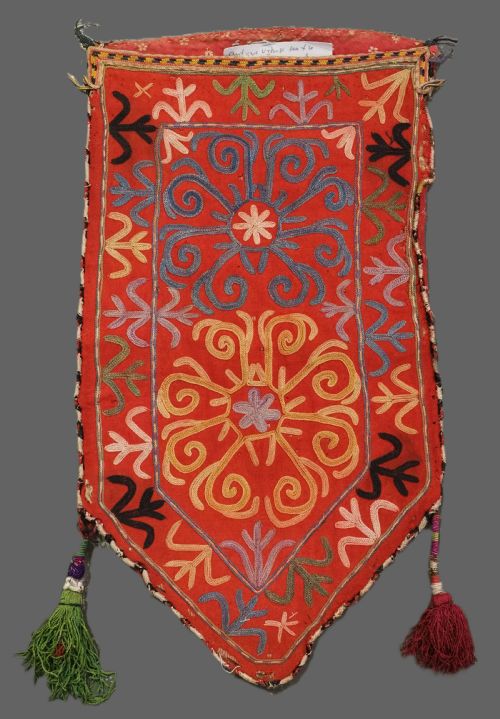
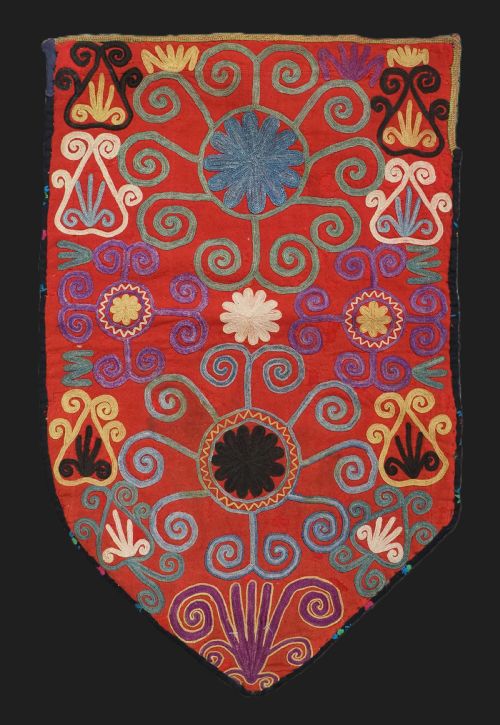
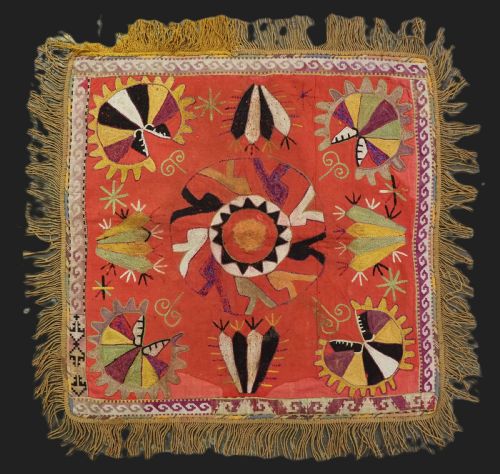
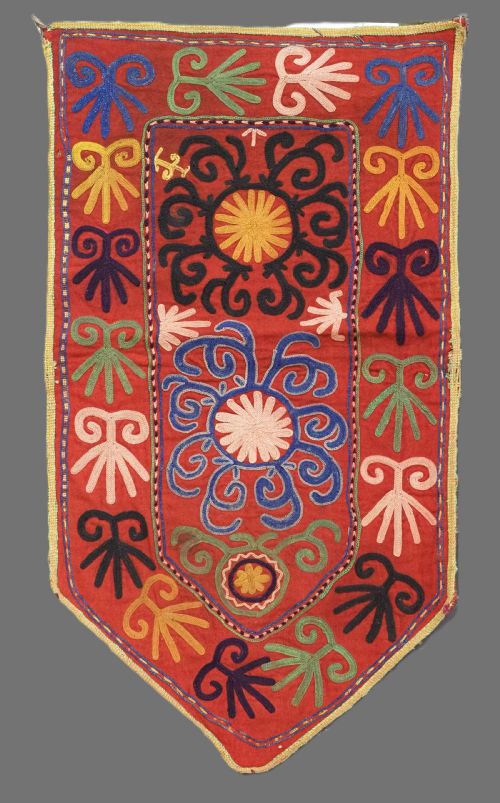
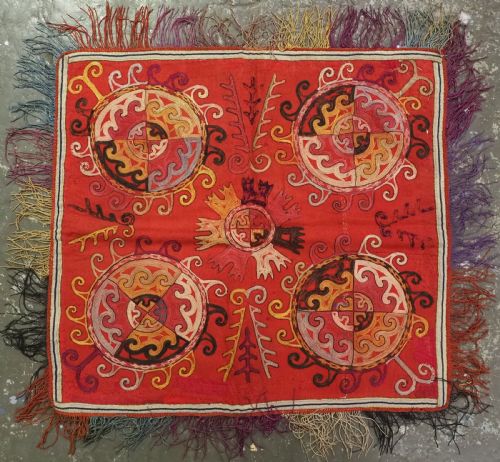
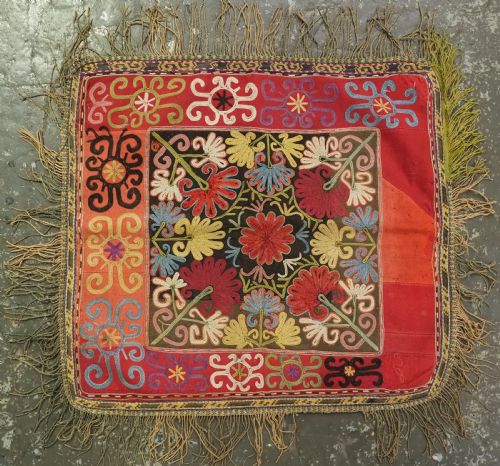
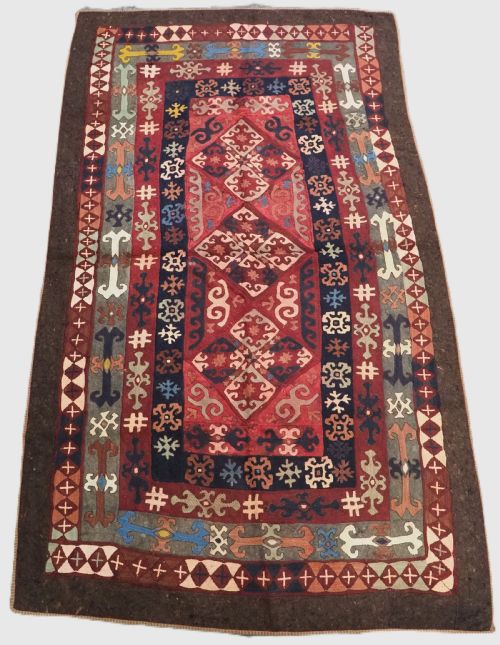
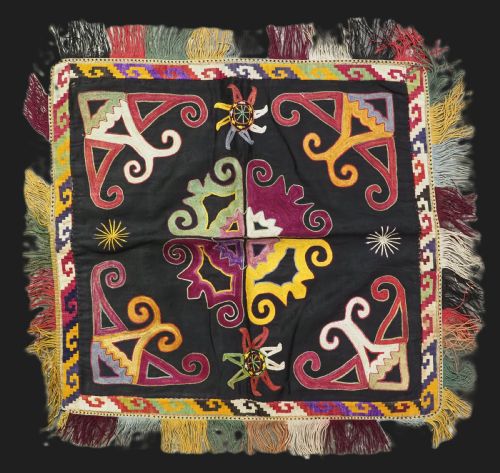
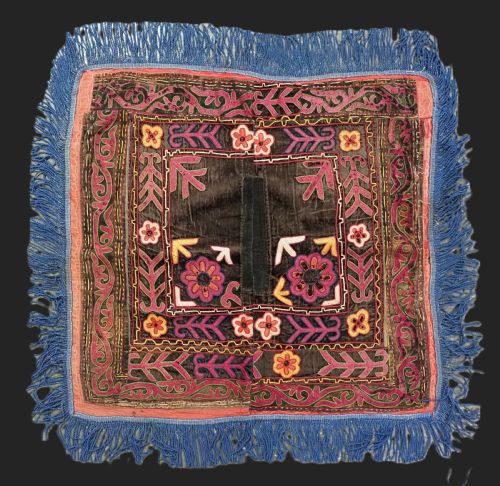
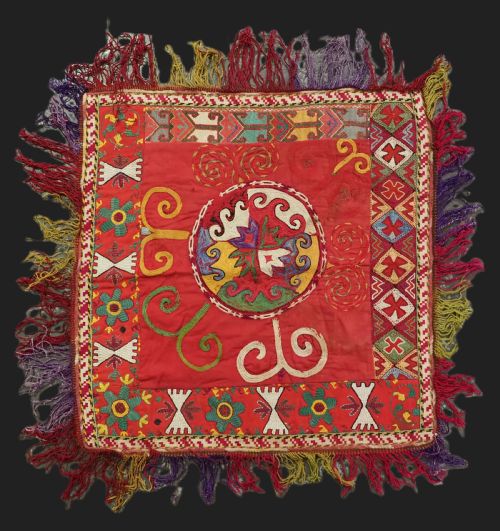


Lakai Tribe Embroidered Hanging
These lakai tribe embroidered hanging pieces bring striking Central Asian tribal work into modern rooms.
Lakai Tribe Embroidered Hanging
A lakai tribe embroidered hanging originates from Central Asian tribal traditions, specifically connected to Uzbek makers in regions such as Shakrisabz. These textiles often take the form of ilgich, dowry embroideries, or functional items like uut kap storage bags and ceremonial horse or saddle covers.
The objects appearing in this collection date from the late nineteenth century through to the early decades of the twentieth century. They manifest as wall art, rugs, and decorative textiles that showcase Central Asian tribal and Uzbek folk art styles.
Buyers will frequently encounter pieces designated as double faced or specific bed decorations known as saye gosha. Each format preserves traditional nomadic motifs translated through needlework.
Materials and Construction Techniques
The creation of these textiles relies on foundational supports of cotton, felt, wool, and velvet. Artisans then embellish these bases using silk thread and wool fringe to build dense, textured surfaces.
Needlework forms the primary method of decoration, encompassing fine silk embroidery applied to woven or felted foundations. Regional workshops combined these varied textile elements to produce robust wall hangings and ceremonial covers.
Several horse covers in the collection preserve the exact ceremonial grandeur intended for nineteenth-century Central Asian equines.
Factors Determining Quality
The distinction between tiers of these textiles rests upon the density and precision of the silk embroidery work. Finer examples display meticulous control of the needle across cotton or felt grounds, creating complex patterns with clear definition.
Condition and completeness also play a role in distinguishing individual examples. Items retaining original wool fringes and double faced structures demonstrate greater preservation of their original domestic or ceremonial function.
The Lakai Tribe Embroidered Hanging Glossary
- Ilgich
- A traditional Uzbek embroidered hanging, often made as dowry embroidery to display in a home. These textiles serve primarily as wall hangings and decorative art.
- Uut kap
- A Central Asian storage bag or wall hanging associated with nomadic tent interiors. These items share the distinctive embroidery and tribal motifs of the lakai.
- At torba
- A ceremonial horse or saddle cover used by tribal groups in Uzbekistan. These pieces incorporate detailed embroidery suited for display.
- Suzani
- An embroidered fabric panel from Central Asia, stitched in silk on cotton grounds. They form part of the broader textile tradition related to tribal work.
Lakai Tribe Embroidered Hanging: Frequently Asked Questions
What is a lakai tribe embroidered hanging?
These items are traditional Central Asian textiles created by Uzbek tribal groups, often functioning as dowry pieces or wall art. They reflect nomadic design traditions through intricate needlework.
Makers utilised materials such as silk, cotton, felt, and wool to produce items like ilgich, uut kap, and saddle covers.
How were these embroideries used originally?
Nomadic and settled communities used these textiles to adorn the interior of dwellings or for ceremonial purposes during events. Many function as wall hangings or storage elements within the traditional home.
Certain examples served specific roles, such as horse covers or bed decorations, highlighting the domestic importance of fine needlework.
How do I care for an antique textile?
Protect antique textiles from direct sunlight to prevent the fading of silk and wool threads. Mount them carefully using conservation methods that distribute weight evenly across the fabric.
Avoid moisture and consult a textile conservator for cleaning rather than attempting domestic washing.
How can I tell the age of a piece?
Dating relies on examining the materials, natural dyes, and specific regional motifs found across the textile. Pieces from the late nineteenth and early twentieth centuries show distinct handling of silk thread on cotton or felt grounds.
Comparing the construction to documented examples helps establish the period of origin.