
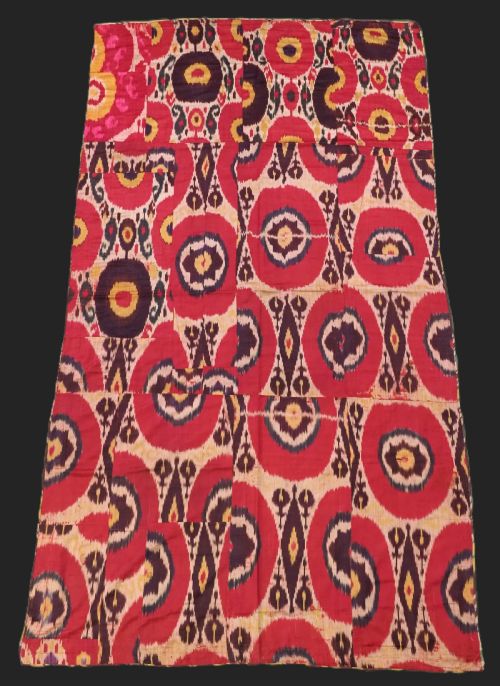


Uzbek Ethnic Wall Hanging
An uzbek ethnic wall hanging brings rich Central Asian textile art into a room through bold embroidery and patterned silk panels.
Uzbek Ethnic Wall Hanging
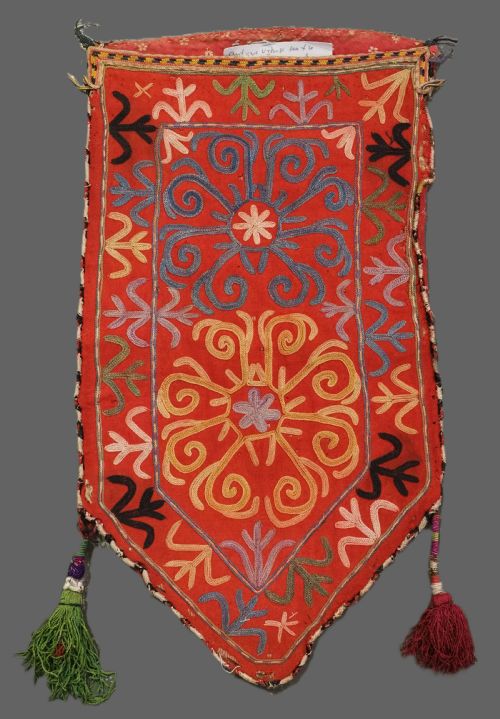
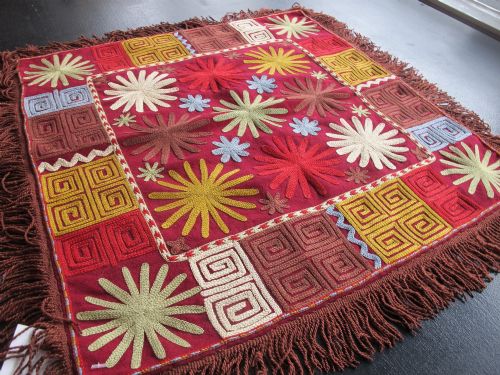
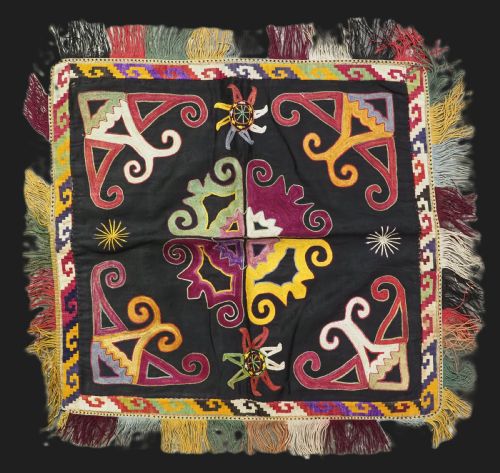
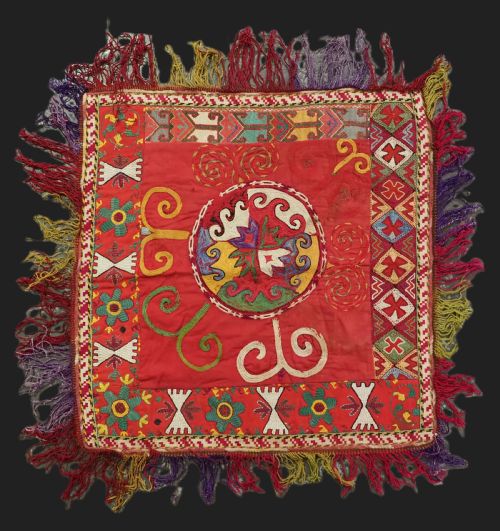
An uzbek ethnic wall hanging encompasses traditional Central Asian textiles, including tribal embroideries, dowry pieces, and silk panels. These items originate from regions such as Shakrisabz, Bukhara, and Tashkent, reflecting centuries of nomadic and settled craft traditions.
Buyers frequently encounter pieces attributed to the Lakai tribe alongside formal suzani panels and kilim fragments. The selection spans the mid-nineteenth century through the early twentieth century, capturing distinct tribal and regional expressions.
Forms range from squareilgich and torba panels to prayer formats and larger decorative textiles intended for domestic display. Each object carries the specific aesthetic markers of its maker and origin.
How they were made
Artisans constructed these textiles using cotton grounds, wool foundations, and vibrant silk thread for surface ornamentation. Embroidery techniques include dense needlework executed in precise stitches to build complex geometric and floral motifs.
Ikat panels involve intricate tie-dyeing of warp threads before weaving, creating characteristic blurred edges along the pattern lines. Kilims employ flat-weave construction methods to achieve bold graphic designs without pile.
The listings encompass works from the mid-nineteenth century through the early twentieth century, utilising cotton, silk, and wool.
What varies in quality
The sophistication of the design execution and the density of the needlework distinguish finer examples from simpler workshop output. Exceptional pieces display meticulous attention to detail in colour placement and motif proportion.
The preservation of the original textile ground and the vibrancy of the silk threads dictate the overall visual impact. Material integrity and the complexity of the regional pattern repertoire influence the character of each piece.
The Uzbek Ethnic Wall Hanging Glossary
- Suzani
- An embroidered textile panel originating from Central Asia, typically worked in silk thread on a cotton foundation. These pieces often feature large floral and medallion motifs.
- Ikat
- A dyeing and weaving technique where threads are tied and dyed prior to weaving to create distinct patterns. The resulting fabric shows characteristic hazy outlines along the design edges.
- Ilgich
- A traditional embroidered hanging or wall furnishing associated with Central Asian tribal groups. They frequently served decorative or dowry functions within the home.
- Kilim
- A flat-woven textile produced without a pile, resulting in a lightweight and graphic surface. These panels utilise interlocking weave structures.
- Torba
- A small storage bag or hanging panel traditionally used in nomadic households. Examples often feature specialised tribal embroidery.
- Lakai
- A Central Asian Turkic-19th Century group known for dynamic, asymmetrical embroidery styles. Their work often incorporates lively geometric and zoomorphic motifs.
Uzbek Ethnic Wall Hanging: Frequently Asked Questions
How do I hang a textile safely?
Mounting requires distributing the weight evenly across the top edge using a sleeve or padded support. Avoid direct pinching with clips that can distort the fabric structure.
Keep textiles away from direct sunlight to protect the silk and cotton threads from fading over time.
Where did these hang originally?
Nomadic and village households utilised these textiles to decorate the interior walls of yurts and houses. They served both protective and decorative functions within domestic living spaces.
Special pieces marked important life events such as weddings or formed part of a bride's dowry.
How do I clean an old textile?
Surface dust can be removed gently using low-suction vacuuming through a protective mesh screen. Professional textile conservators should handle any deeper cleaning needs.
Water washing risks running the natural dyes used in older silk and cotton threads.
How are regional styles told apart?
Shakrisabz and Lakai embroideries often show dynamic, free-form tribal motifs with distinct colour palettes. Tashkent and Bukhara suzanis tend to follow more formal, balanced floral compositions.
Examining the stitch density and ground fabric helps assign a piece to its specific geographic origin.