
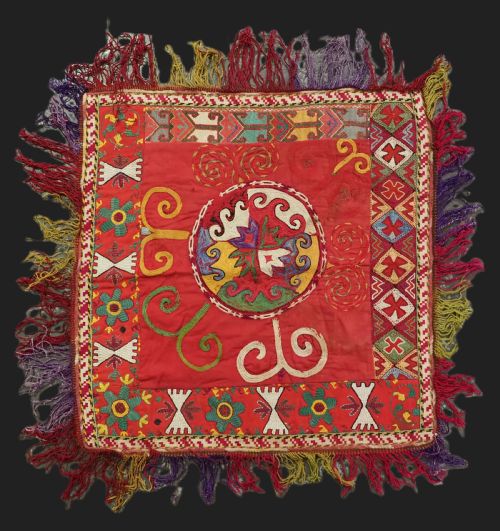


Antique Uzbek Ilgich
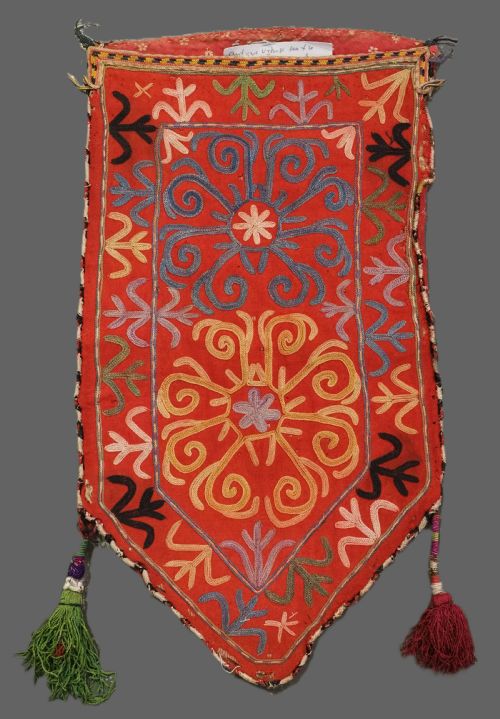
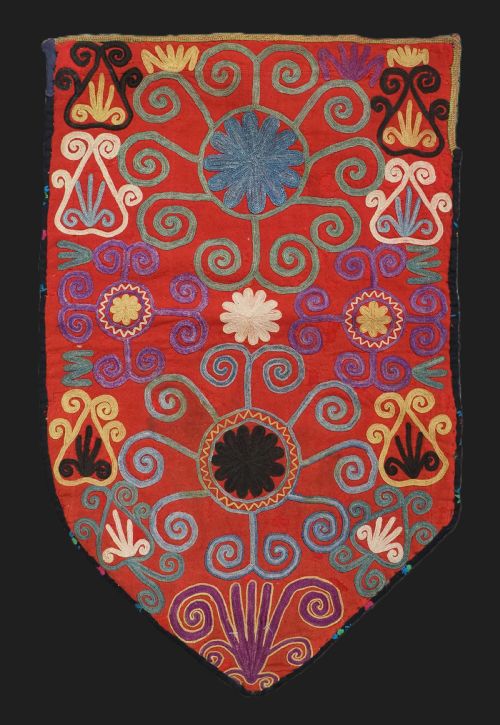
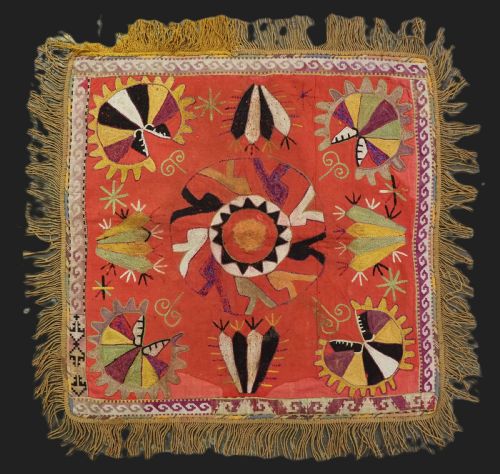
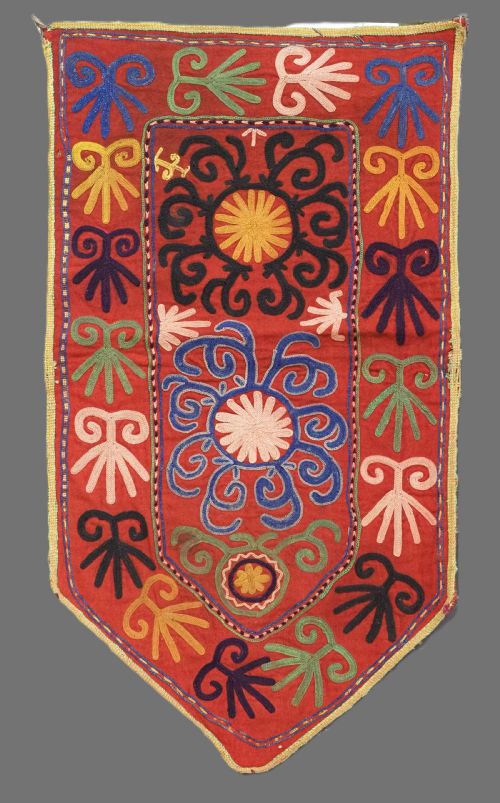
An antique uzbek ilgich brings Central Asian tribal textile art into a modern room as a striking wall hanging.
Antique Uzbek Ilgich
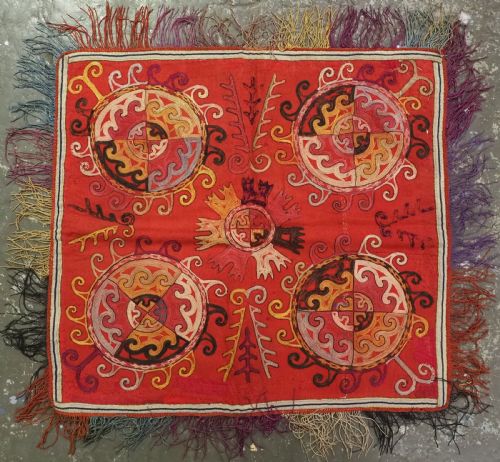
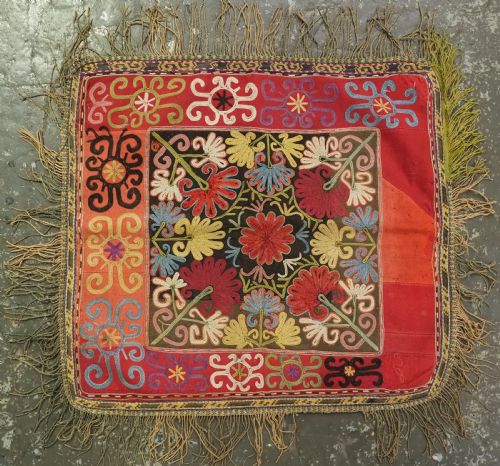
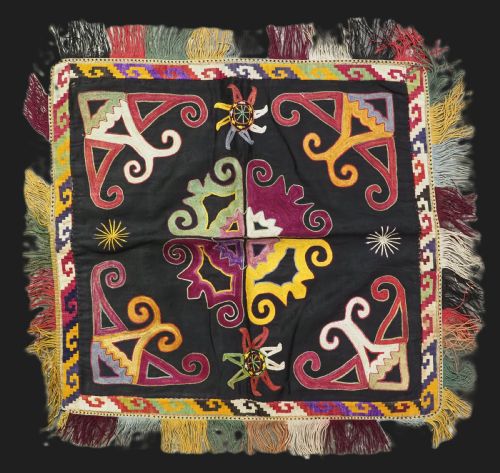
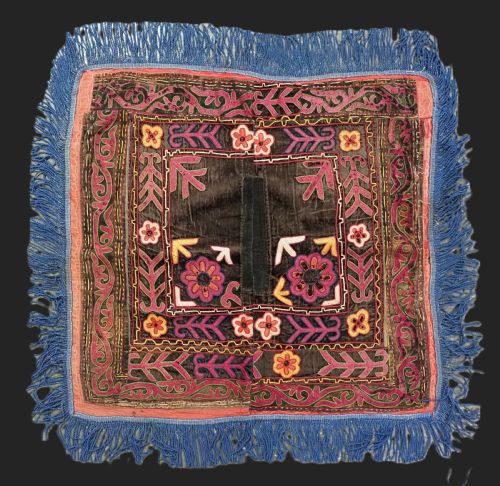
These pieces are textile art and wall hangings originating from Central Asia, specifically associated with the Lakai tribe and regions such as Shakrisabz. When searching for an antique uzbek ilgich, a buyer encounters tribal and nomad pieces that frequently function as dowry embroidery or talismanic shields.
The form is most often met on this page as a wall hanging or decorative textile, including specific variants like the uut kap ilgich and at torba ilgich. Dating places these items primarily in the late nineteenth century and around nineteen hundred, reflecting traditional Central Asian craftsmanship.
Makers produced these works within nomadic and tribal contexts, utilising distinct regional designs. Each piece serves as an example of historical textile traditions preserved from Uzbekistan.
What varies in quality
Quality differences emerge in the complexity of the embroidery work and the richness of the material grounds, such as velvet or specialised wool. The precision of traditional tribal motifs distinguishes finer examples from simpler work.
The preservation of the original silk threads and the integrity of the fabric backing influence the overall character of each textile art piece. Double faced constructions and specific tribal attributions add distinct contextual depth to individual items.
Nomadic embroiderers occasionally stitched protective talismanic symbols into dowry pieces to ward off misfortune.
Lakai Tribe·Lakai Uzbek Tribes
The Antique Uzbek Ilgich Glossary
- Ilgich
- A Central Asian hanging or embroidery type, traditionally utilised for domestic decoration and ceremonial display. These textiles often originate from nomadic groups in the region.
- Uut kap ilgich
- A specific form of hanging associated with nomadic tent furnishings and storage bag designs. These items frequently display intricate tribal needlework.
- Lakai tribe
- A Central Asian group known for distinct nomadic embroidery styles and geometric textile patterns. Their work forms a major portion of the pieces found in this category.
- At torba ilgich
- A textile variant linked to horse cover or trapping traditions adapted into decorative wall hangings. These originate from specific locations like Shakrisabz.
- Dowry embroidery
- Needlework created as part of a bride's traditional possessions, intended for household display and use. These textiles carry significant cultural meaning within tribal communities.
Antique Uzbek Ilgich: Frequently Asked Questions
What is an antique uzbek ilgich used for?
These textiles historically functioned as dowry pieces, decorative wall hangings, and talismanic shields within Central Asian nomadic households.
Today, collectors mount them as textile art to display traditional tribal needlework and cultural patterns on interior walls.
How old are these wall hangings?
The pieces available date predominantly from the late nineteenth century up to approximately nineteen hundred.
This timeframe reflects the active period of traditional nomadic and tribal production in regions such as Uzbekistan.
What materials appear in these textiles?
Construction relies primarily on silk embroidery thread applied to various fabric grounds including cotton, wool, and velvet.
Specific examples feature silk work on red wool or green velvet backgrounds.
Where did these pieces originate?
Origin points centre on Central Asia, with specific attribution to the Lakai tribe and towns like Shakrisabz in Uzbekistan.
Nomadic and tribal groups created these items as part of their domestic and ceremonial material culture.