


Central Asian Dowry Textile
A central asian dowry textile brings tribal artistry and rich silk work directly to your walls.
Central Asian Dowry Textile
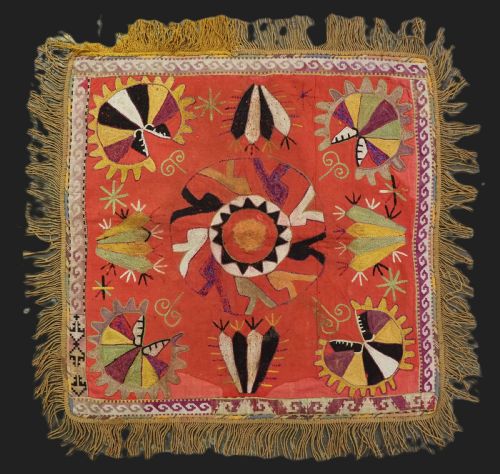
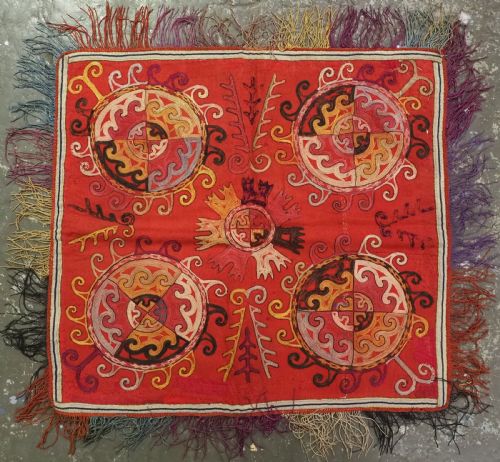
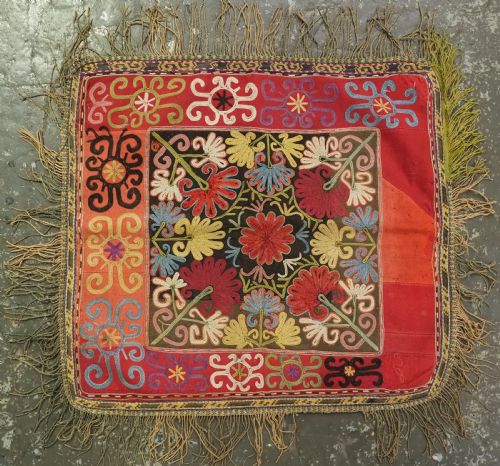
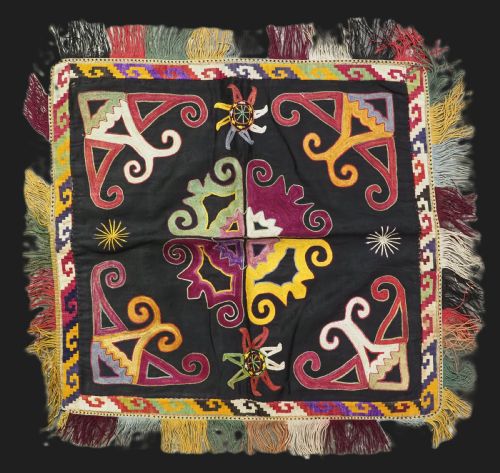
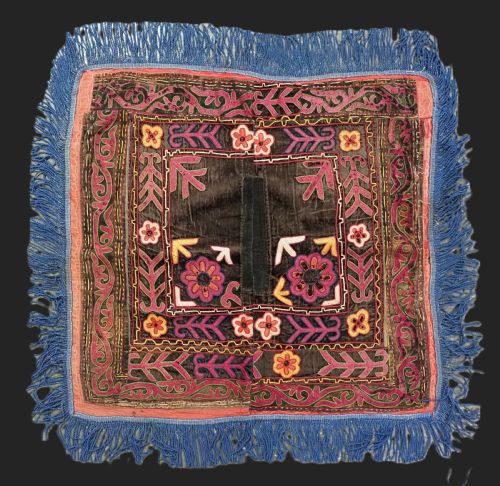
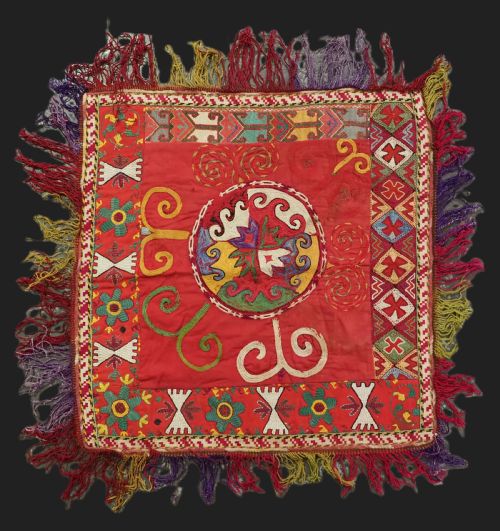
A central asian dowry textile comprises traditional wall hangings and tribal embroideries created across the nineteenth century. These pieces include Uzbek Lakai tribe ilgich works and Turkmen torba bag faces used within traditional household collections.
You will most frequently encounter antique Uzbek Lakai tribe ilgich pieces designed for wall hanging, alongside finely woven Turkmen torba examples. These textiles originate from Central Asian tribal makers working in silk, cotton, wool, and velvet.
Each central asian dowry textile serves as a striking interior focal point, bringing historical textile traditions into modern spaces. The selection ranges from late nineteenth-century ilgich embroideries to mid-nineteenth-century suzani wall hangings.
Materials and construction
Maker communities employed natural materials including silk, cotton, wool, and velvet to construct these heavy embroideries and woven bag faces. Silk thread work provides the lustrous surface detail seen across the tribal ilgich and suzani examples.
Tribal weavers and embroiderers utilised fine weaving techniques and dense stitchwork to ensure durability for household display. The combination of cotton foundations and wool elements structuralises the heavier torba and wall hanging formats.
Current listings feature pieces spanning the period from 1850 to 1900, including Uzbek Lakai ilgich works and Turkmen torba examples.
Judging quality in these textiles
Quality rests upon the fineness of the weave and the tightness of the embroidery stitches executed by the tribal makers. Dense silk needlework and precise geometric or figurative layouts distinguish the finer examples from simpler work.
The integrity of the underlying cotton, wool, or velvet ground fabric dictates the overall preservation and structural stability of the piece. Superior examples maintain vibrant natural dyes and crisp design clarity across the entire textile surface.
The Central Asian Dowry Textile Glossary
- Ilgich
- An Uzbek tribal embroidery traditionally used as a wall hanging or domestic furnishing. These pieces often feature energetic geometric or zoomorphic motifs executed in silk.
- Torba
- A small Turkmen bag face created as part of a traditional dowry weaving collection. They are distinguished by fine knotting and structured tribal patterns.
- Suzani
- A large, embroidered silk wall hanging originating from Central Asia. These striking textiles typically display bold floral or medallion designs on a cotton ground.
- Tribal Textiles
- Handcrafted woven or embroidered items produced by specific nomadic or village groups. They reflect distinct cultural motifs passed down through generations.
- Velvet
- A woven tufted fabric with a dense, short pile sometimes utilised in Central Asian textile traditions. It provides rich texture and depth alongside flat silk embroidery.
Central Asian Dowry Textile: Frequently Asked Questions
What is a central asian dowry textile?
A central asian dowry textile is a hand-embroidered or woven furnishing, such as an Uzbek ilgich or Turkmen torba, created for traditional household collections.
These pieces date from the nineteenth century and were produced by tribal makers using silk, cotton, wool, and velvet.
How were these textiles used originally?
These items functioned primarily as decorative wall hangings, storage bags, or domestic furnishings within traditional nomadic and settled households.
They formed an essential part of a bride's dowry, showcasing the needlework skill and artistic heritage of the maker's tribe.
How do I hang a textile on the wall?
Mounting requires a method that distributes the weight evenly across the entire top edge without puncturing or damaging the delicate silk and cotton fabrics.
Working with a professional conservator to attach a supportive cotton sleeve or velcro mounting system ensures the piece remains safe during display.
How can I tell the age of a piece?
Dating relies on examining the specific tribal attribution, material types, natural dye palettes, and structural characteristics recorded in nineteenth-century examples.
Pieces from the earlier decades often exhibit distinct regional motifs and finer handspun foundations compared to later productions.