

Red Textile Wall Art
Red textile wall art brings together tribal weavings, dowry embroideries and framed antique panels that transform plain interior spaces.
Red Textile Wall Art
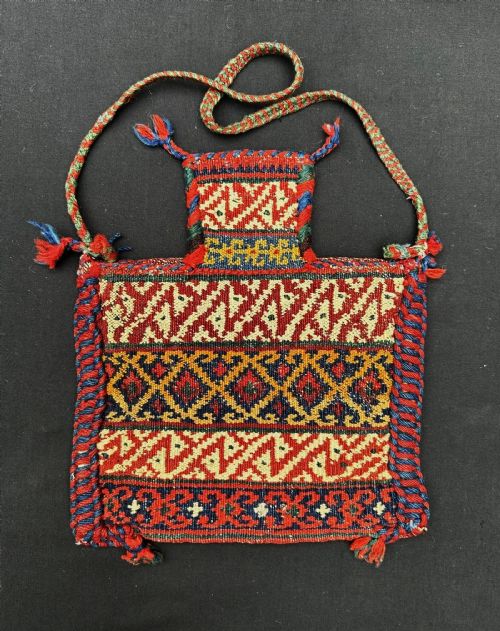
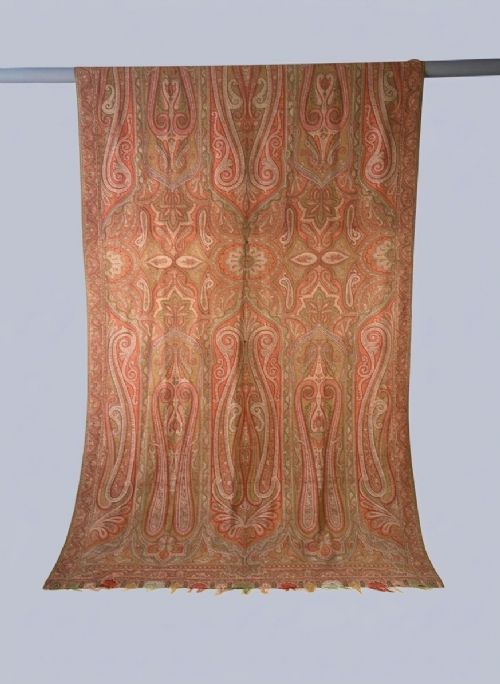
When searching for red textile wall art, buyers encounter an array of tribal bag faces, dowry embroideries and framed textile panels spanning the nineteenth and twentieth centuries. These pieces originate from Central Asian nomadic groups, Persian tribes and European workshops.
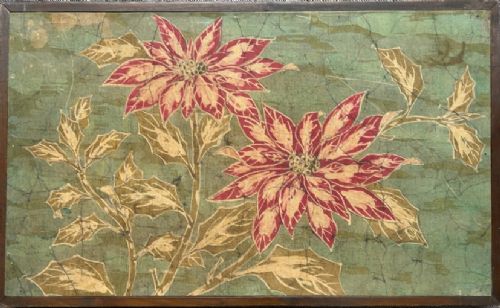
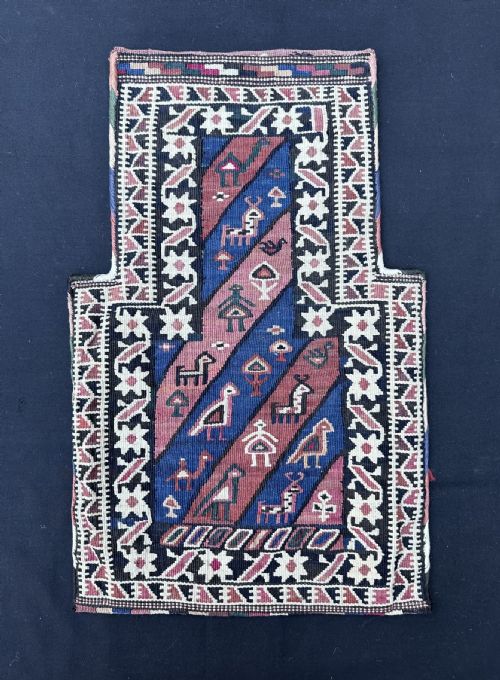
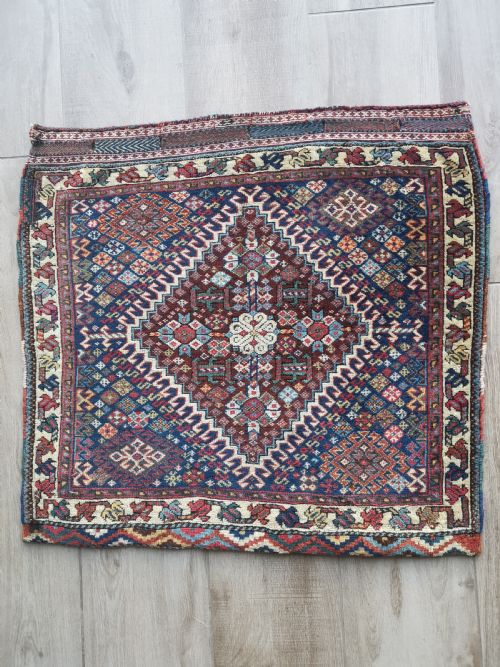
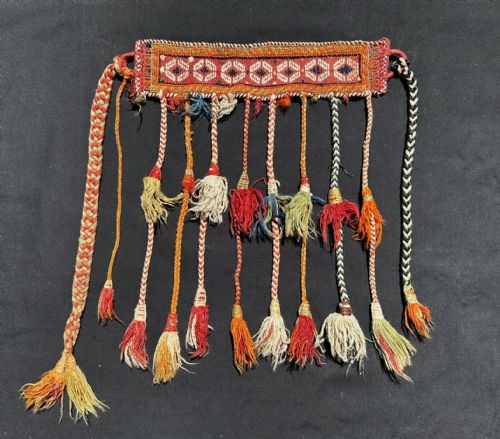
Nomadic trapping pieces such as torbas and ilgiches appear frequently, alongside mid-century batik panels and French tapestry wall coverings. Each object brings a distinct regional heritage and textile tradition to interior display.
Materials and Construction
Artisans constructed these pieces using hand-spun wool, cotton and silk fibres, often dyed with natural madder and plant extracts to produce rich red tones. Base fabrics range from sturdy plain-weave wool and felt to fine linen and cotton grounds.
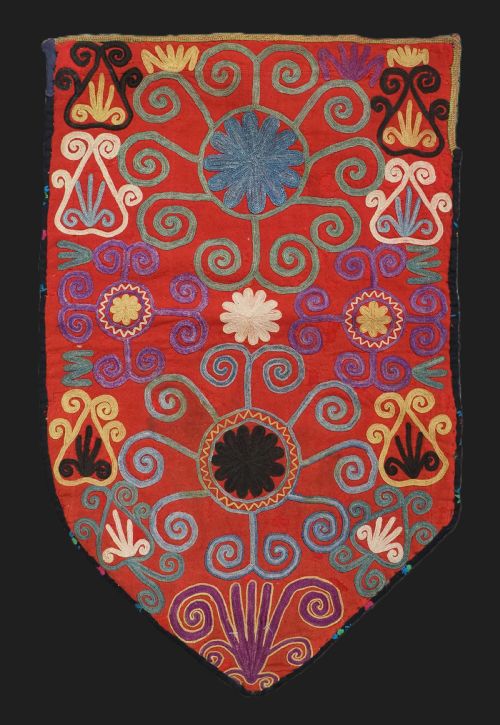
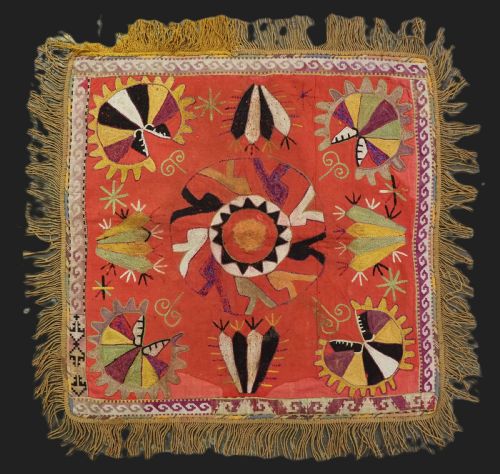
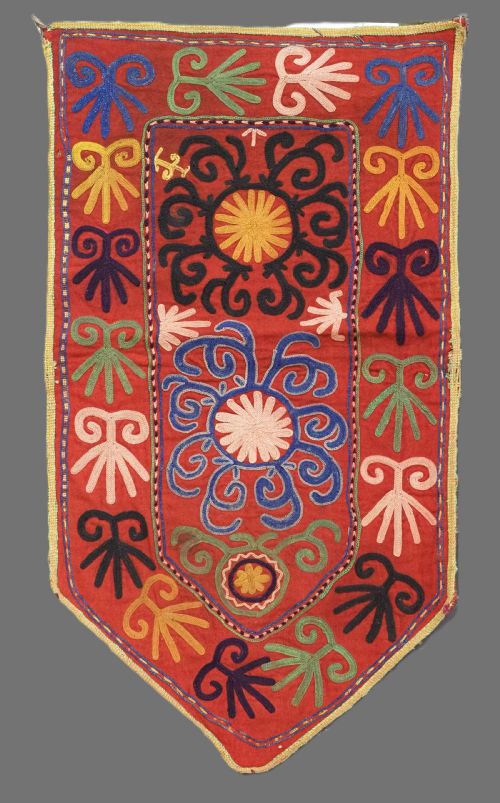
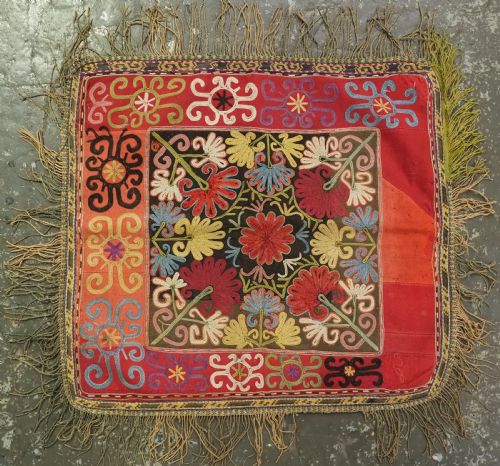
Surface ornamentation relies on varied techniques including chain-stitch embroidery, silk and felt applique work, ikat dyeing and traditional tapestry weaving. Many items incorporate multi-layered embroidery using tightly twisted silk threads to create raised surface patterns.
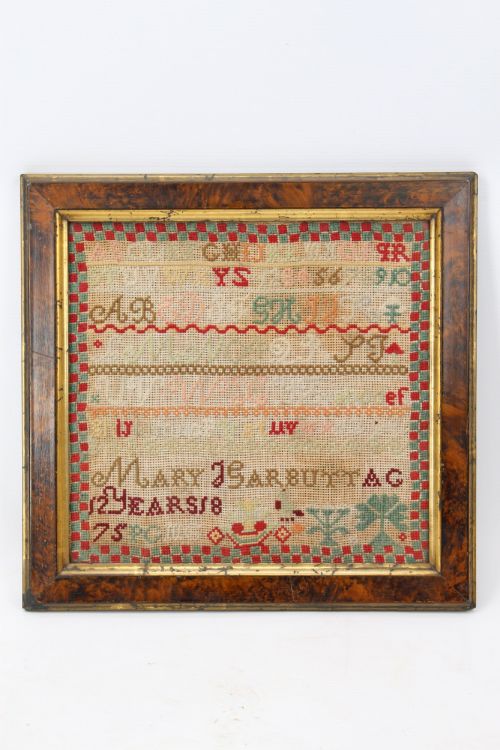
Mary J Garbutt recorded her age as twelve on a Victorian needlework sampler in 1875, leaving a permanent stitch-work diary on linen.
Assessing Quality
Quality rests upon the fineness of the spin, the complexity of the needlework and the depth of natural dyes used across the textile. Dense, precise stitching and well-balanced compositions distinguish master embroideries from simpler domestic work.
The integrity of the original ground material and the survival of early silk highlights or metallic threads determine the preservation state. Pieces retaining their complete format, original borders and vibrant untainted colour palettes command greater appreciation.
The Red Textile Wall Art Glossary
- Ilgich
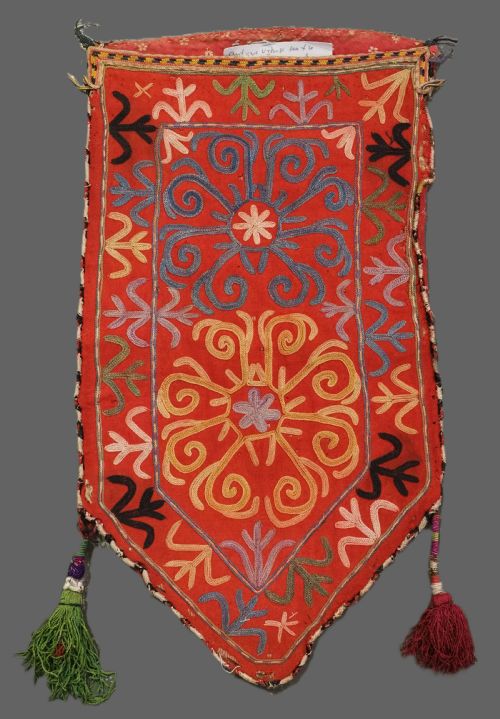
- An Uzbek dowry embroidery piece traditionally used as a wall hanging in nomadic tents. These textiles display bold geometric and floral motifs worked in silk on cotton or wool foundations.
- Asmalyk
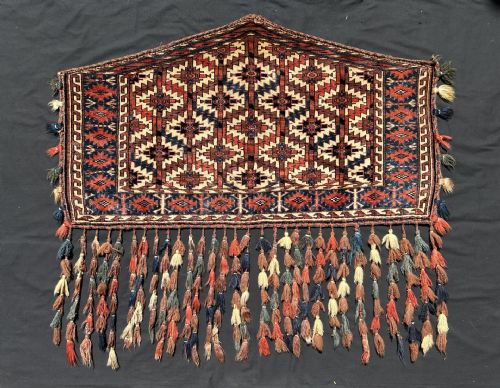
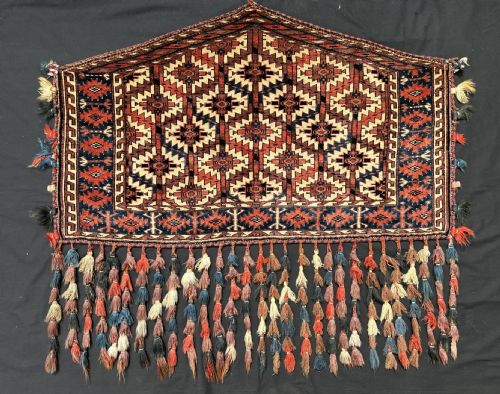
- A large, pentagonal trapping produced by Turkmen tribes, historically mounted on the flanks of bridal camels during wedding processions. They exhibit intricate tribal gull motifs within rich red field designs.
- Torba
- A small rectangular storage bag made by Turkmen and other Central Asian nomads for domestic use inside a yurt. Their decorated faces utilise flatweave or pile techniques featuring characteristic guls.
- Suzani
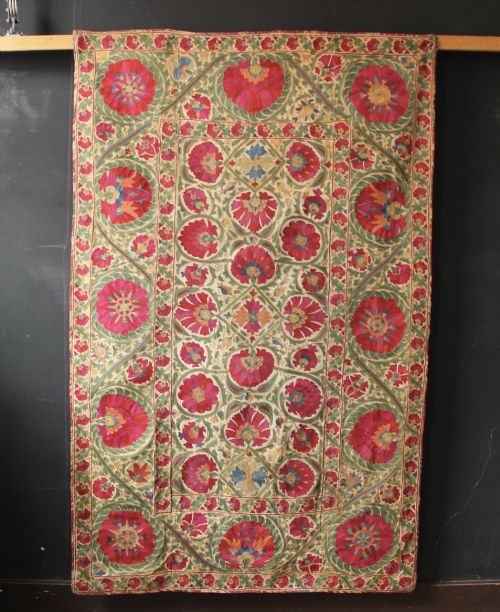
- A large, decorative embroidered wall hanging originating from Uzbekistan and Tajikistan, stitched with floral and sunburst designs. The name derives from the Persian word for needlework.
- Rank Badge
- A square textile insignia embroidered with symbolic animal or bird figures to denote official rank in imperial courts. Chinese examples utilise fine silk threads laid upon woven grounds.
Red Textile Wall Art: Frequently Asked Questions
How were textile wall hangings used originally?
Nomadic tribes utilised bags, asmalyks and torbas as functional household storage or wedding trappings inside felt tents. Embroidered panels and Suzanis served as domestic furnishings, dowry items and interior partitions.
Over time, many of these utilitarian objects transitioned into decorative wall displays as Western collectors recognised their artistic merit. Their vibrant red dyes and regional patterns made them striking focal points for domestic interiors.
What regions produced these red textiles?
Production spans Central Asia, particularly Uzbekistan and Turkmenistan, alongside Persian provinces worked by nomadic groups such as the Qashqai, Afshar and Shahsevan. European examples originate from Scottish mills, English Victorian homes and French workshops.
Each geographical area developed distinct botanical dye recipes and regional motifs that identify the specific tribe or workshop responsible for the weaving.
How do I care for antique textile art?
Display antique textiles away from direct sunlight to prevent the fading of natural madder dyes and silk threads. Support heavier wall hangings evenly across a padded batten rather than suspending them from isolated points.
Regular, gentle dusting with a soft brush maintains the surface without disturbing fragile embroidery or aged wool fibres. Avoid damp environments to protect natural animal and plant materials from degradation.
How can I tell tribal pieces apart?
Tribal attributions rely on specific repeating motifs, border arrangements and structural weaving methods unique to each group. Yomut and Ersari Turkmen pieces display characteristic guls and palette choices, while Lakai and Uzbek embroideries favour lively applique and chain-stitch forms.
Examining the reverse side reveals the hand-spun quality of the wool or cotton foundation and the organic nature of the dye absorption.