

Lakai Tribal Textile
Lakai tribal textile examples bring bold Central Asian folk art and dowry embroideries into modern interiors.
Lakai Tribal Textile
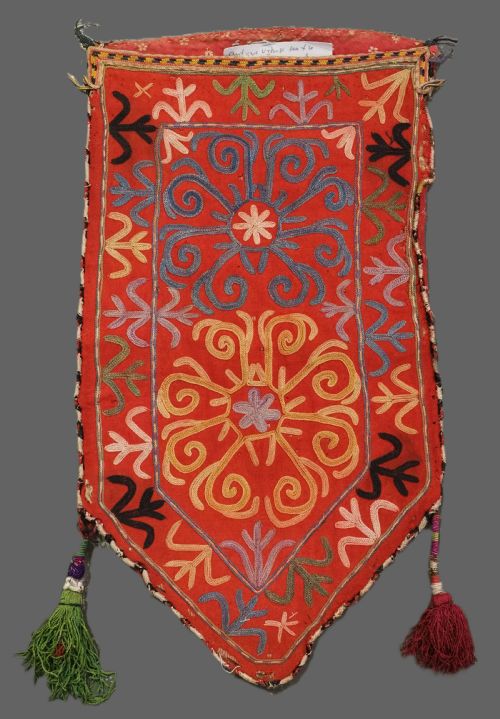
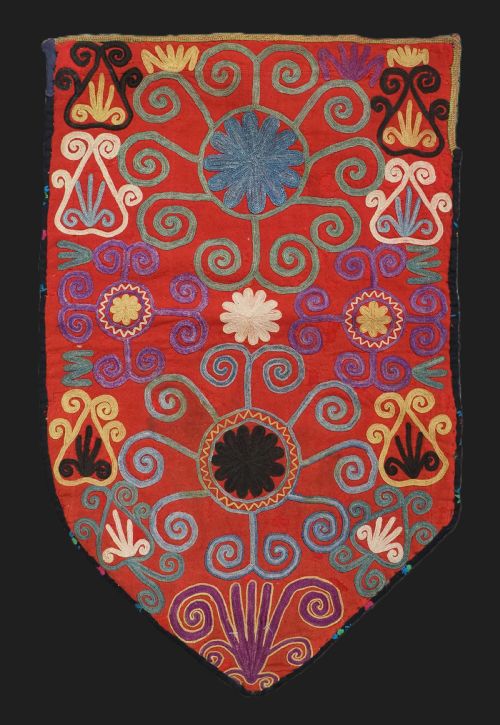
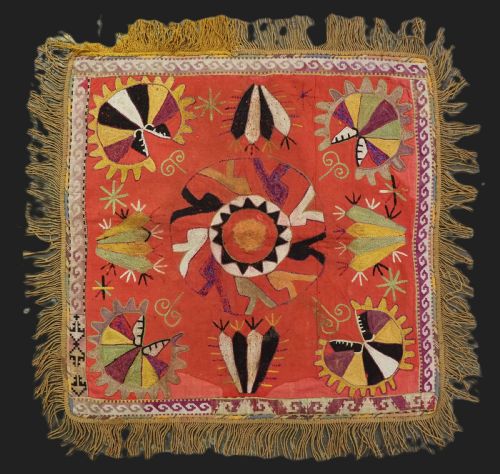
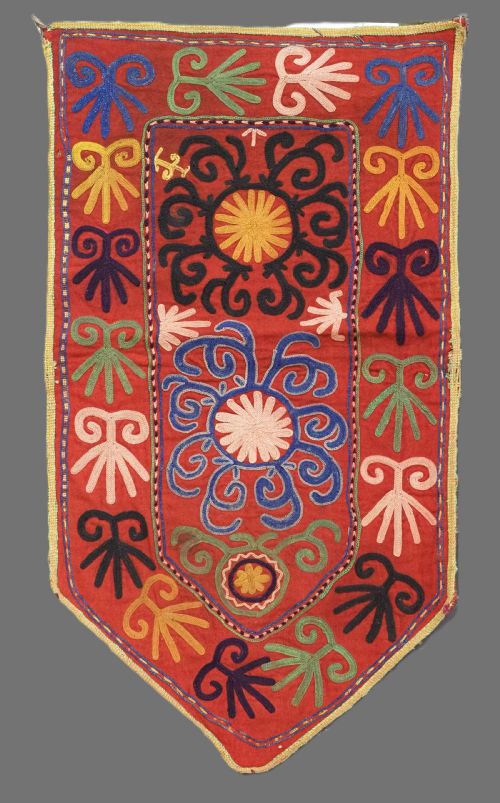
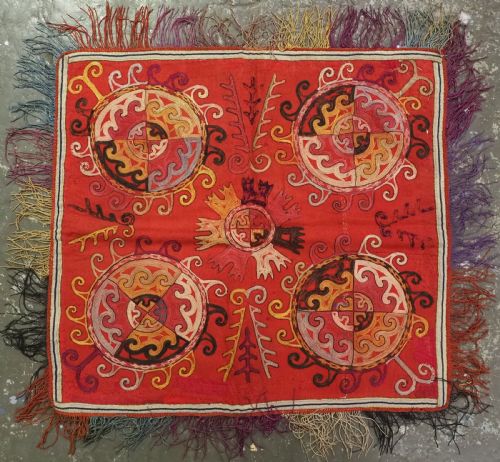
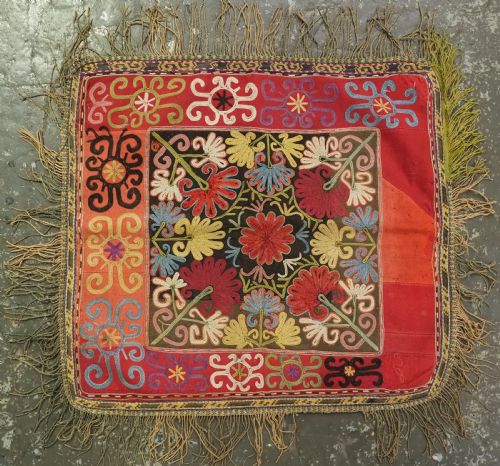
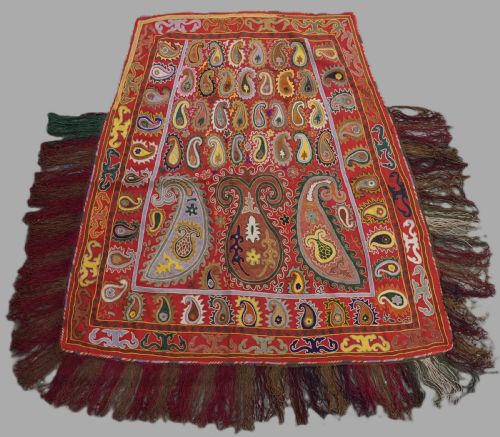
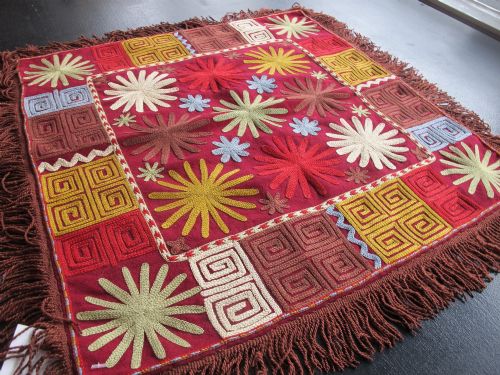
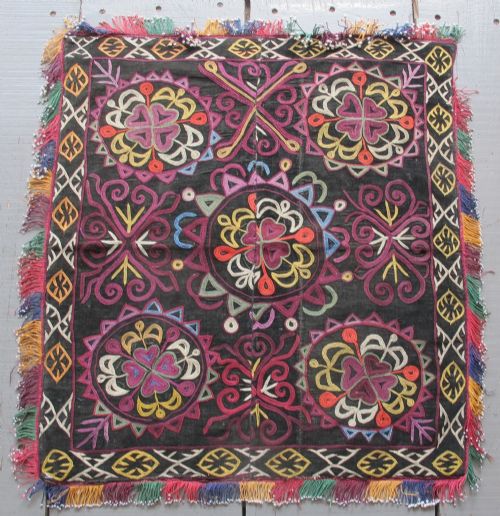
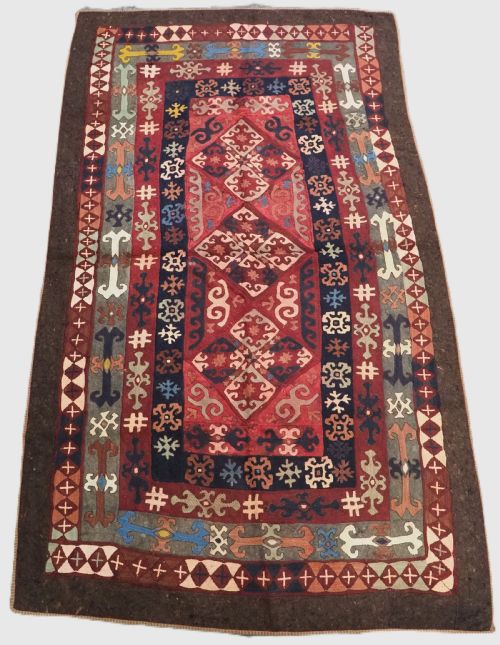
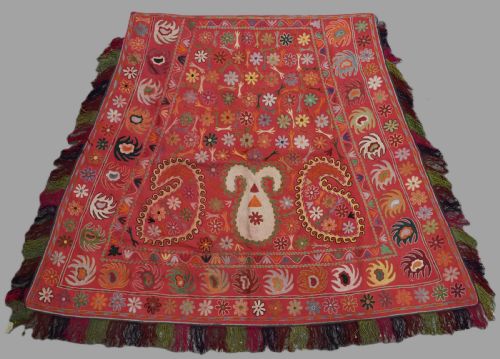
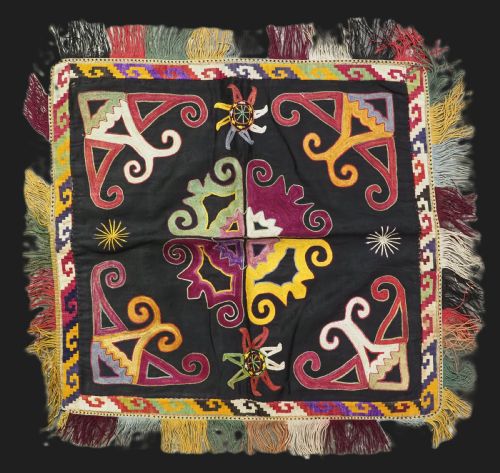
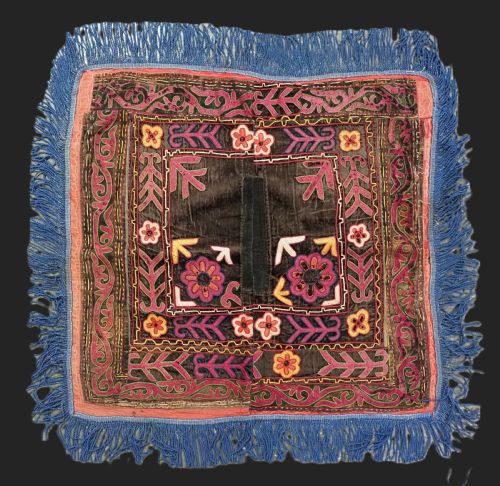
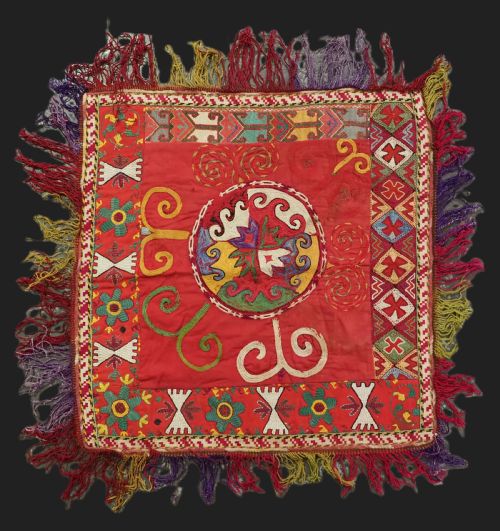
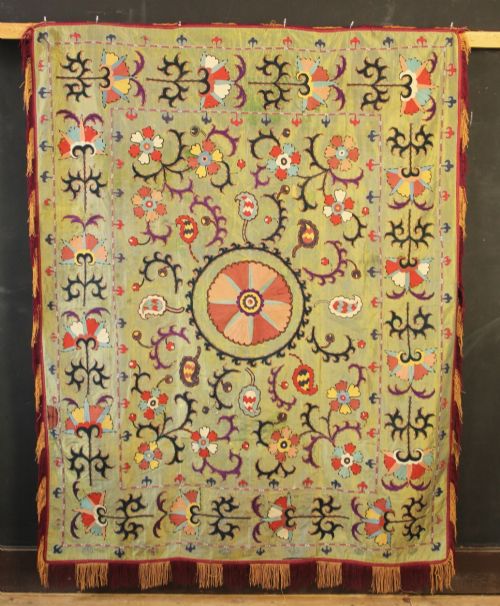
When you examine a lakai tribal textile, you are looking at nineteenth and early twentieth-century Central Asian folk art created by Uzbek tribal groups. These pieces primarily take the form of wall hangings, ceremonial horse and saddle covers, dowry embroideries, and mirror covers originating from Uzbekistan.
The selections available here heavily lean towards specific utilitarian and ceremonial items such as the ilgich, uut kap, and nim suzani. Each object reflects the nomadic heritage of the makers through geometric compositions and vibrant textile panels.
Materials and Construction
Makers utilised a combination of silk, cotton, and wool as the primary foundations and embroidery threads for these textiles. Many pieces integrate wool fringe, velvet, and felt grounds, sometimes embellished with glass beads.
The embroidery technique relies heavily on dense silk thread stitching applied to heavy wool, cotton, or felt backdrops. This creates the tactile, layered surface texture characteristic of traditional Central Asian tribal needlework.
Several textiles were originally designed to keep horses looking exceptionally smart during tribal ceremonies.
Assessing Quality and Execution
The distinction between standard examples and finer pieces lies in the complexity of the silk embroidery and the clarity of the design composition. Denser thread work and well-balanced geometric motifs indicate superior execution by the artisan.
Condition and integrity of the original ground materials, such as felt, velvet, or woven wool, also influence the standing of an individual textile. Intact fringes and secure beadwork preserve the visual impact of the original ceremonial object.
The Lakai Tribal Textile Glossary
- Ilgich
- A Central Asian wall hanging or dowry embroidery traditionally used for domestic decoration. These textiles frequently display distinctive tribal motifs.
- Uut kap
- A storage bag or hanging panel produced by nomadic groups in Central Asia. They served both practical storage functions and decorative purposes within the yurt.
- Suzani
- An embroidered textile panel originating from Tajikistan, Uzbekistan, and other Central Asian regions. The term derives from the Persian word for needle.
- Nim suzani
- A half-sized or smaller variant of the traditional suzani embroidery. These smaller formats were utilised for specific domestic spaces or furnishings.
Lakai Tribal Textile: Frequently Asked Questions
What is a lakai tribal textile?
These pieces are traditional embroidered items created by the Lakai Uzbek tribes of Central Asia during the late nineteenth and early twentieth centuries. They encompass domestic wall hangings, dowry pieces, and ceremonial horse covers.
The materials typically involve silk thread embroidery applied to wool, cotton, or felt foundations. Many examples feature geometric motifs that reflect the nomadic heritage of the makers.
How were these textiles used originally?
Nomadic and settled Uzbek communities utilised these embroidered works for domestic decoration, dowry displays, and ceremonial equipment. Items like the ilgich served as wall decorations inside living spaces.
Other formats functioned as saddle covers or protective mirror covers. They formed an integral part of tribal life, marking important life events and celebrations.
How do I hang a textile safely?
Hanging ancient textiles requires spreading the weight evenly across the entire upper edge to prevent distortion of the fabric. Conservation-grade mounting methods, such as non-damaging Velcro attachments or stitched sleeves, help protect the delicate silk and wool.
Direct sunlight should be avoided to prevent the fading of natural dyes in the silk threads and wool grounds. Placing them away from direct heat sources preserves the integrity of the cotton and felt backings.
How do I distinguish periods?
Dating these works relies on examining the materials, dye types, and structural wear inherent in the fabrics. Earlier pieces from the nineteenth century often exhibit specific natural dye palettes and hand-spun wool foundations.
Twentieth-century examples may display different chemical dye hints or variations in the tightness of the silk embroidery stitch. Comparing the density of the work aids in determining the approximate decade of creation.