

Silk Embroidered Wall Art
These silk embroidered wall art pieces bring centuries of needlework, thread and textile tradition directly into modern interiors.
Silk Embroidered Wall Art
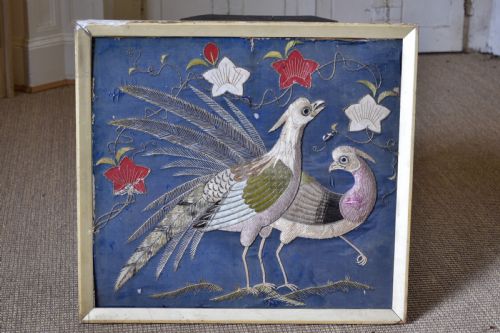
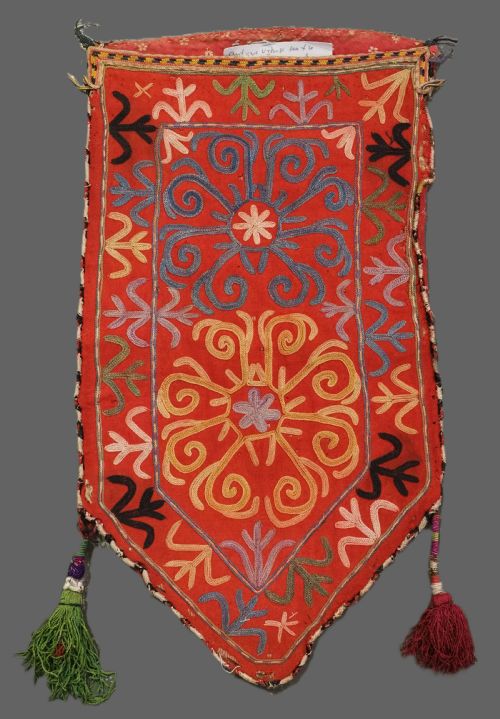
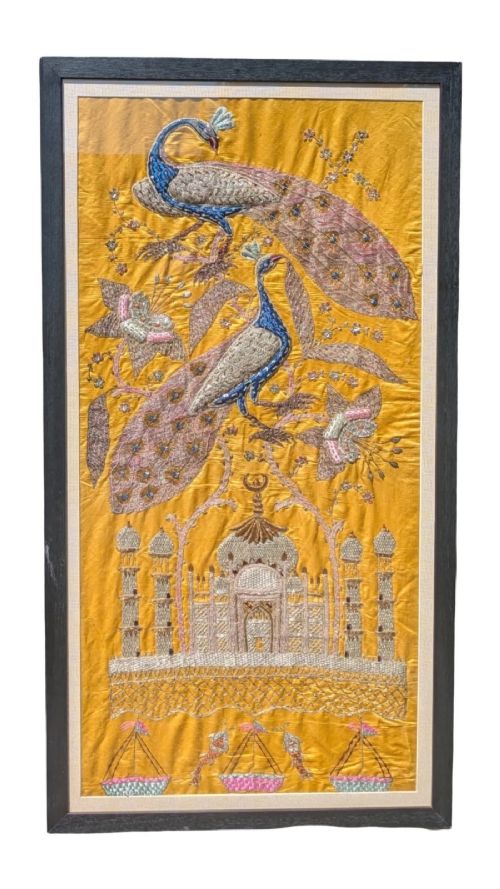
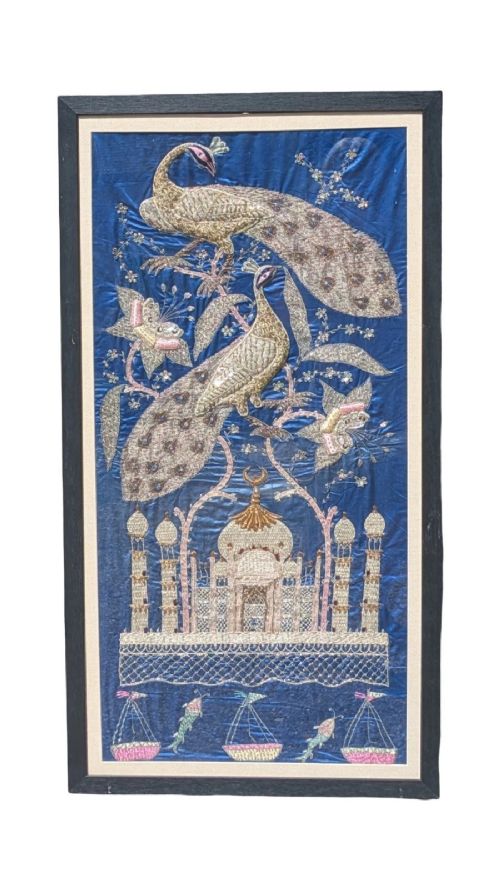
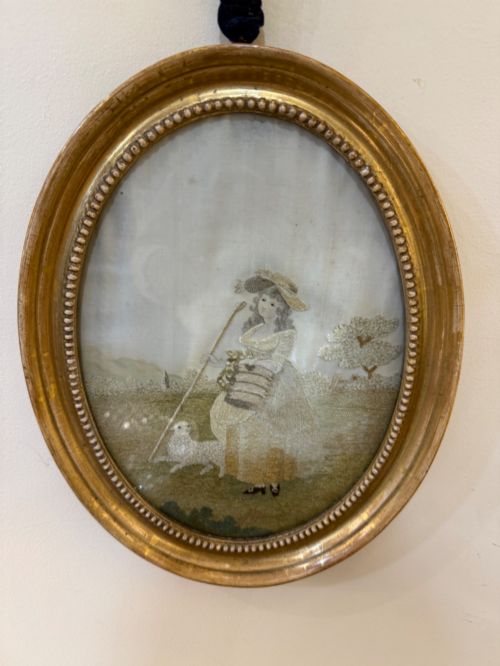
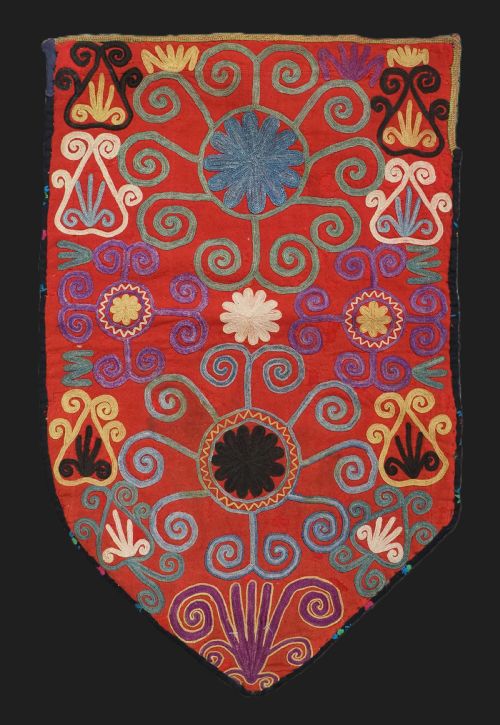
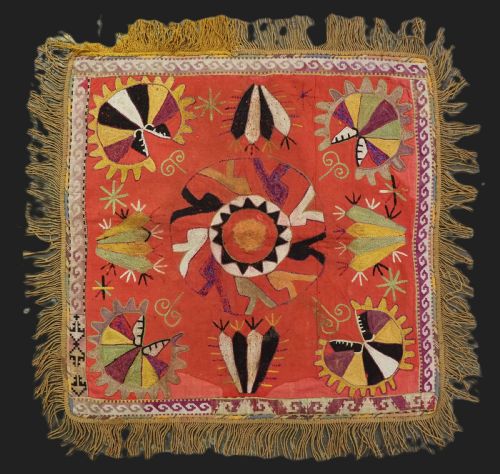
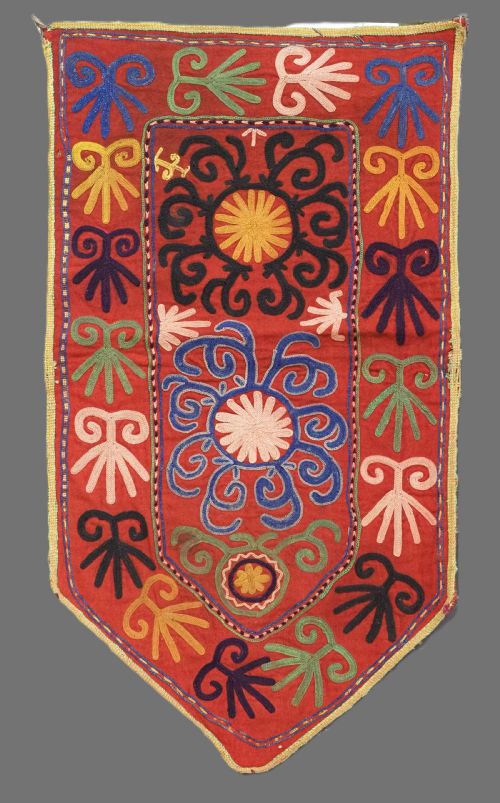
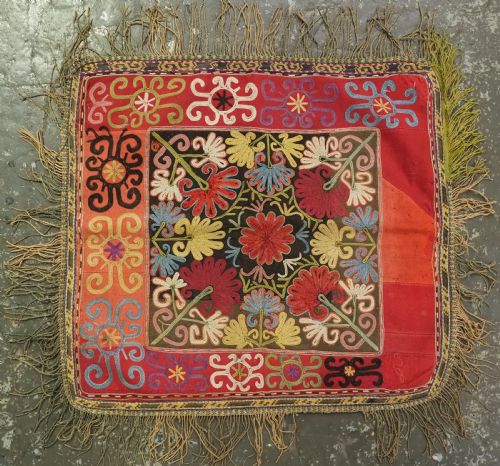
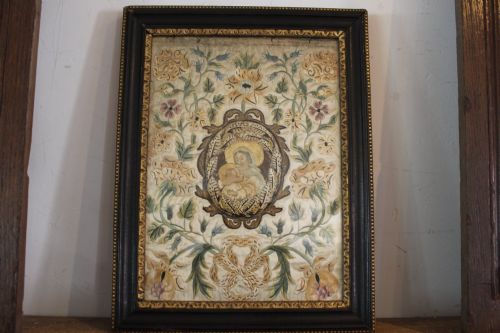
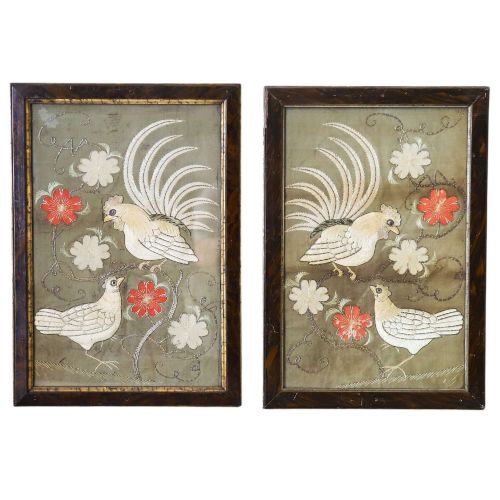
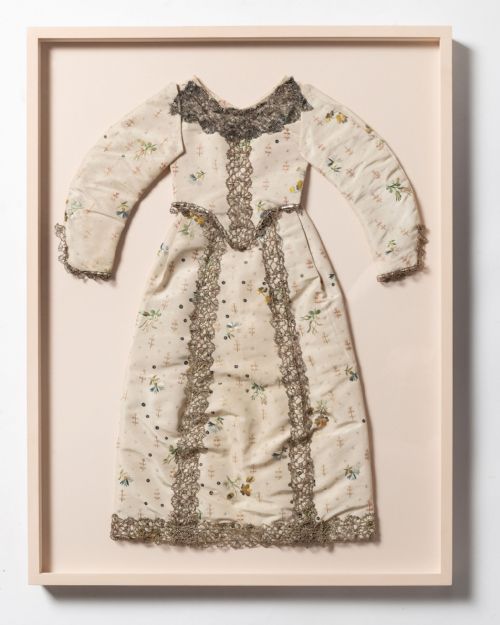
When you search for silk embroidered wall art, you encounter a diverse gathering of textile pieces spanning multiple centuries and regions. These works range from formal European needlework pictures and samplers to Central Asian tribal dowry hangings and Chinese rank badges.
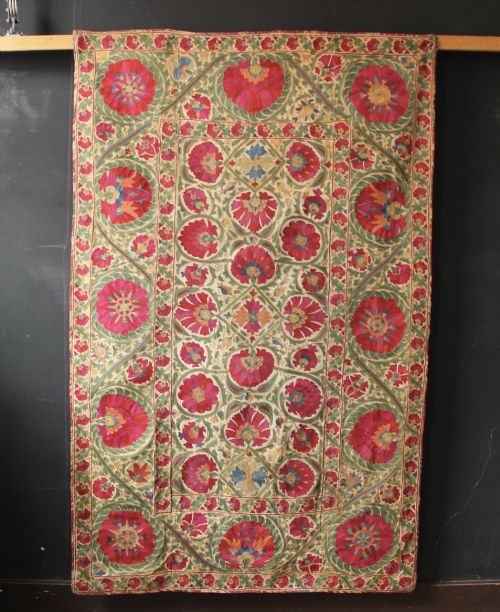
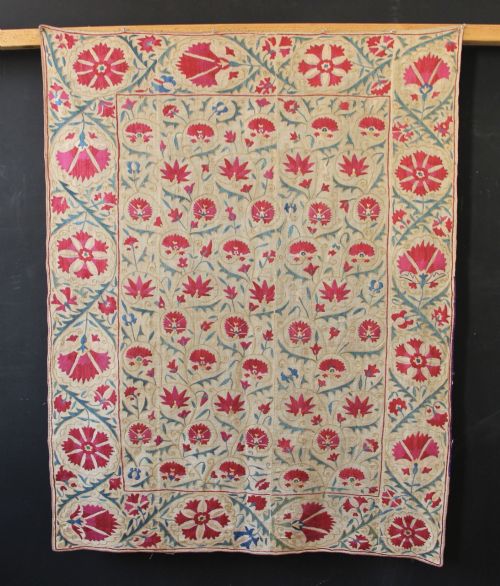
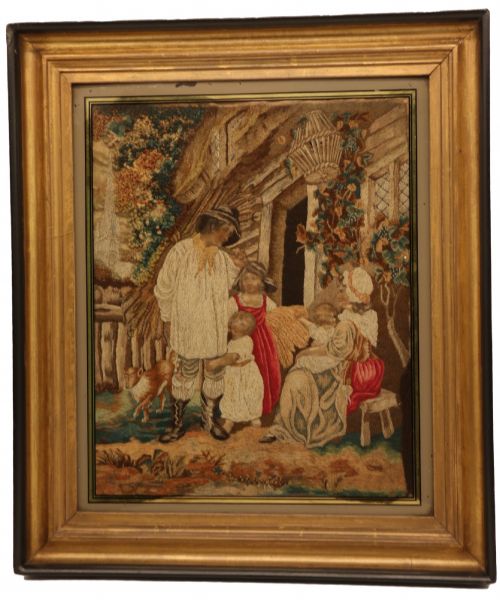
The most common examples on this page include antique Suzanis and dowry embroideries originating from Central Asia, alongside framed 19th-century English and French pictorial works. Such pieces function primarily as wall hangings and textile art, bringing rich colour and texture to interior spaces.
Origins stretch from 17th-century Stuart stumpwork panels to 1930s Indian and Chinese relief hangings. Buyers find both large-scale room panels and smaller framed compositions designed for intimate wall placement.
Materials and Techniques
Makers utilised silk threads, silk floss and metallic thread applied to supportive grounds of linen, cotton, wool, or felt. Many older European examples combine hand-painted silk sections with detailed needlework, creating pictorial depth.
Central Asian and tribal pieces frequently employ vibrant silk embroidery on woven wool or cotton foundations, sometimes featuring patchwork construction. Frames incorporate glass, wood, giltwood, and faux tortoiseshell to protect the delicate textiles within.
The inventory includes both European needlework pictures and Central Asian tribal embroideries alongside Chinese rank badges.
Judging Quality and Preservation
The distinction between tiers rests upon the density of the stitching, the complexity of the design, and the survival of the original materials. Tightly worked silk floss and intricate pictorial detail indicate accomplished needlework.
Condition plays a central role, particularly the preservation of colour in the silk threads and the integrity of the ground fabric. Pieces retained beneath glass or housed in period frames often demonstrate superior survival.
The Silk Embroidered Wall Art Glossary
- Suzani
- A type of embroidered and decorative tribal textile made in Tajikistan, Uzbekistan and other Central Asian nations. These large hangings traditionally formed part of a bride's dowry.
- Stumpwork
- A raised embroidery style popular in 17th-century England, using padded underlays to create a three-dimensional effect. Figures and motifs stand proud of the fabric ground.
- Sampler
- A piece of embroidery produced as a demonstration or test of skill in various stitches. Early examples often record alphabets, motifs and the maker's name.
- Rank Badge
- An embroidered square insignia worn on the robes of officials in imperial China, denoting civil or military hierarchy. They frequently feature birds, animals, dragons and symbolic landscapes.
- Verre Églomisé
- A process of applying gold or metal leaf to glass and then engraving designs into the metallic layer. It often appears as a decorative border on antique picture frames.
Silk Embroidered Wall Art: Frequently Asked Questions
How do I hang antique textiles?
Heavier panels and Suzanis require specialised mounting, often utilising a fabric sleeve stitched to the reverse and supported on a concealed wooden batten or rod.
Smaller framed works employ standard picture wire, provided they stay clear of direct sunlight and damp environments to protect the delicate silk threads.
Are these pieces framed?
Many European needlework pictures and Chinese rank badges arrive already mounted under glass within period wooden or giltwood frames.
Larger Central Asian hangings and Suzanis are typically unmounted textiles designed to be pinned or suspended directly against a wall surface.
How do I date an embroidery?
Dating relies upon stylistic clues within the motifs, the materials used for the ground fabric, and the characteristics of the stitching techniques.
Stuart stumpwork, Georgian samplers and 19th-century pictorial silk works each display distinct palettes and compositions tied to their specific decades of manufacture.
How do I clean silk embroidery?
Cleaning historic textiles requires professional textile conservators rather than domestic methods, due to the fragile nature of aged silk floss and metallic threads.
Routine maintenance involves gentle dusting with a soft brush and keeping the pieces away from strong heat sources and direct sunlight.