

Tribal Wall Hanging Panel
When you look for a tribal wall hanging panel, you discover woven and embroidered textiles originating from Central Asian and Persian nomadic groups.
Tribal Wall Hanging Panel
A tribal wall hanging panel encompasses diverse textile forms created by nomadic and village communities in Central Asia and Persia. Buyers searching this category frequently encounter dowry embroideries, storage bag faces, and decorative fabric panels from the nineteenth and early twentieth centuries.
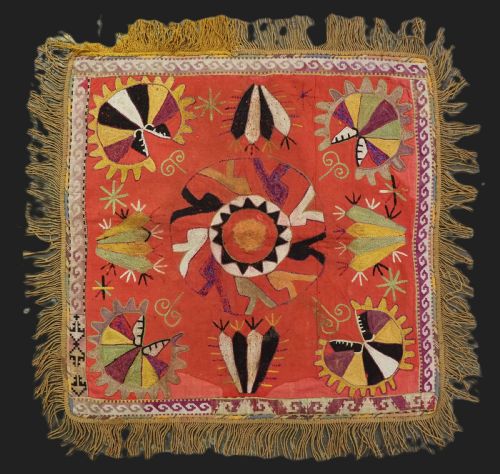
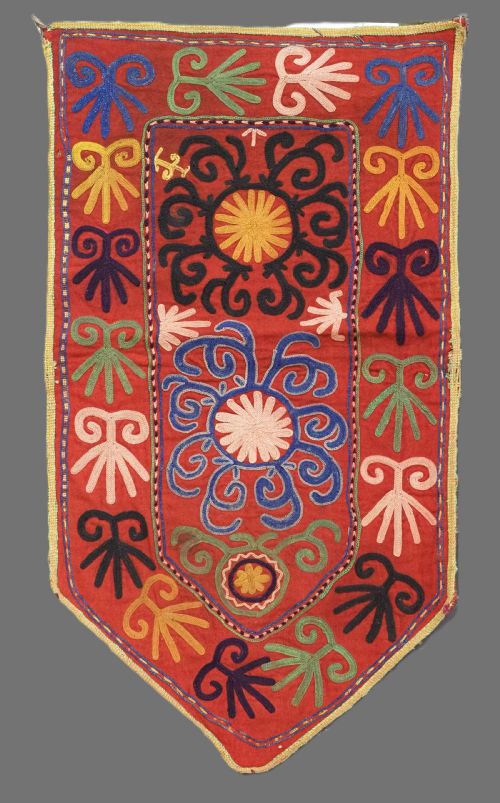
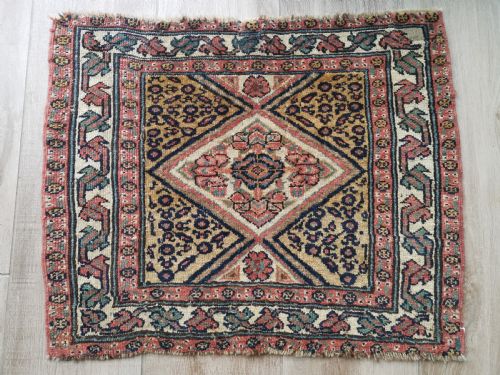
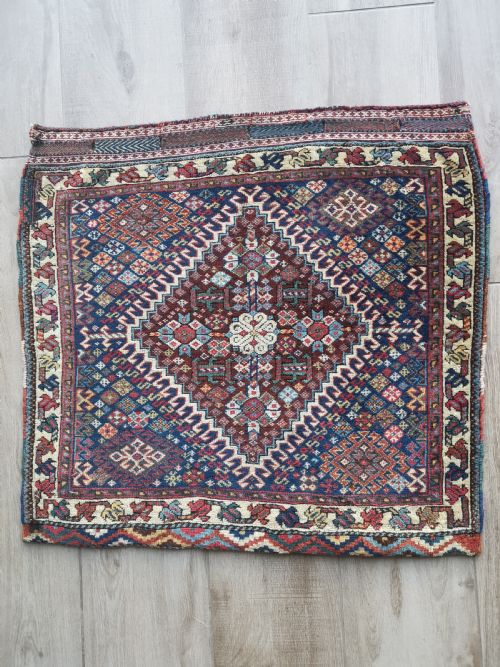
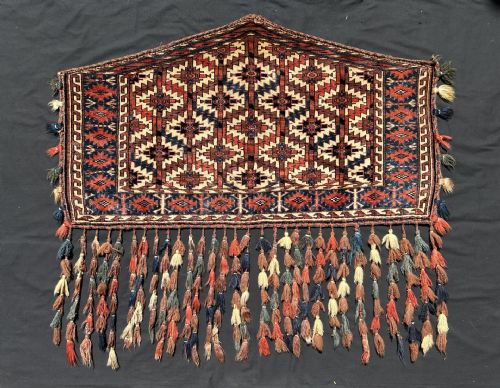
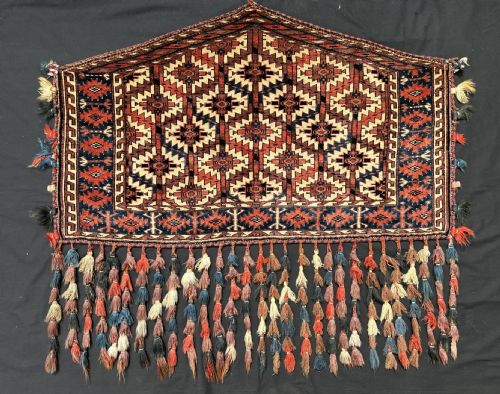
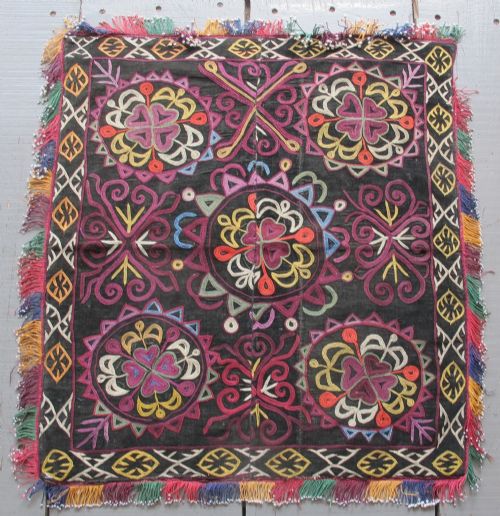
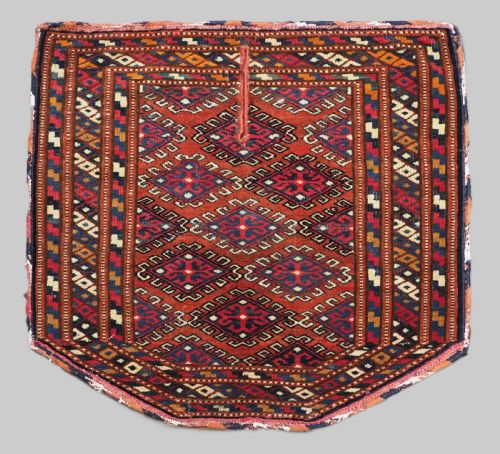
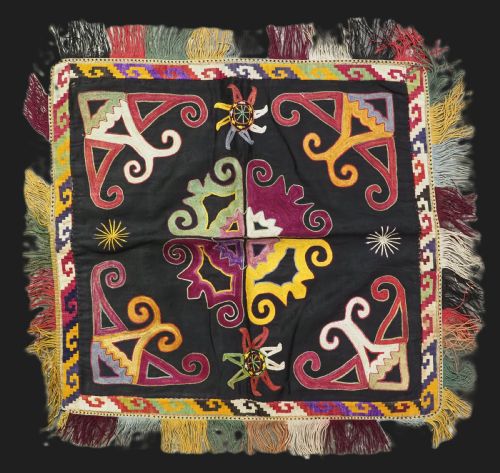
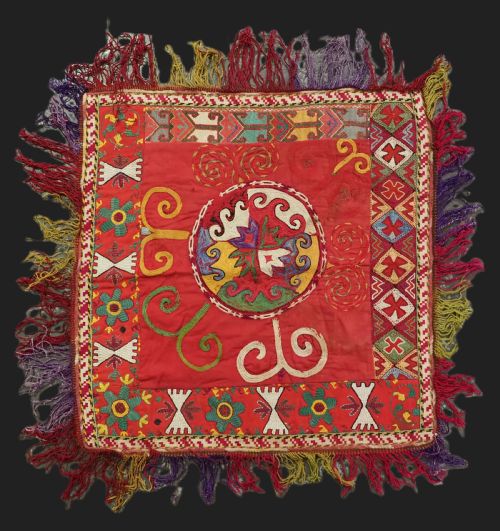
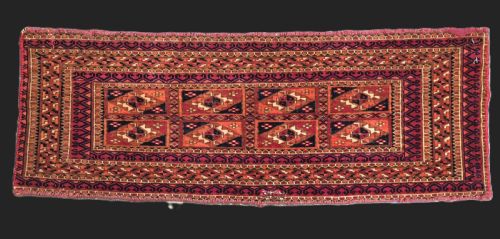
The selection includes specific regional items such as Uzbek Lakai ilgiches, Turkmen asmalyks and torbas, and Persian bagfaces repurposed for display. These objects reflect traditional domestic crafts intended originally for utilitarian use within tribal tents and dwellings.
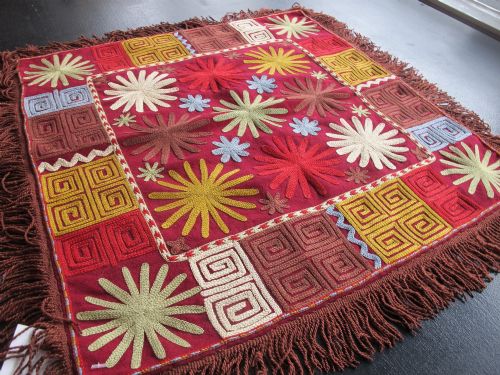
Examples span several decades from the mid-nineteenth century up to the 1920s, showing varied formats from square embroidered hangings to elongated bands. The common thread among these pieces is their origin in nomadic textile traditions and folk art.
Materials and Construction
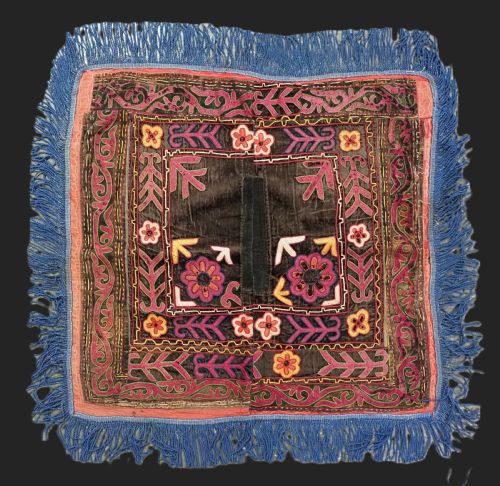
Materials utilised in these textiles include wool, cotton, and silk, frequently combined with natural dyes to achieve rich colour palettes. Certain panels incorporate felt bases and decorative elements such as glass beads and velvet appliqués.
Needlework techniques range from fine silk embroidery on silk grounds to complex flatweaves and sumac structures. Artisans applied geometric and symbolic motifs using traditional stitching methods passed down through tribal generations.
Nomadic makers sometimes stitched protective amulets directly into utility bags to guard household belongings against misfortune.
Quality Factors
Quality in these textiles rests upon the fineness of the weave and the precision of the embroidery work. Pieces displaying tight knotting, intricate stitch detail, and well-balanced compositions generally represent higher levels of artisan skill.
The vibrancy and depth of the natural dyes also distinguish superior examples from standard ones. Well-preserved textiles retaining clear botanical colour variations and intact structural edges command greater attention from collectors.
The Tribal Wall Hanging Panel Glossary
- Ilgich
- An embroidered wall hanging or dowry piece produced by Uzbek and Lakai groups. These textiles often feature lively geometric and zoomorphic motifs.
- Torba
- A small storage bag face used traditionally within Turkmen households. They display characteristic tribal gull patterns arranged across the surface.
- Asmalyk
- A ceremonial pentagonal trapping produced by Turkmen tribes, notably the Yomut. These were utilised during wedding processions.
- Suzani
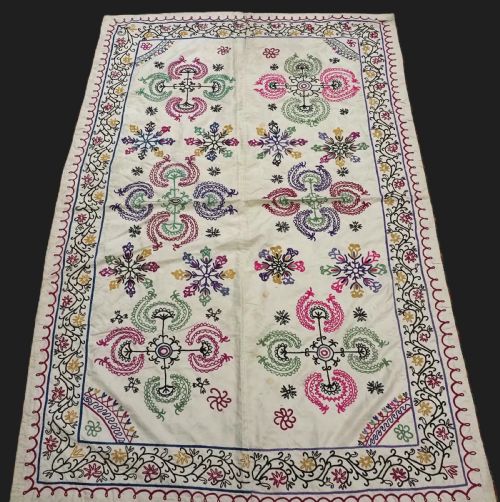
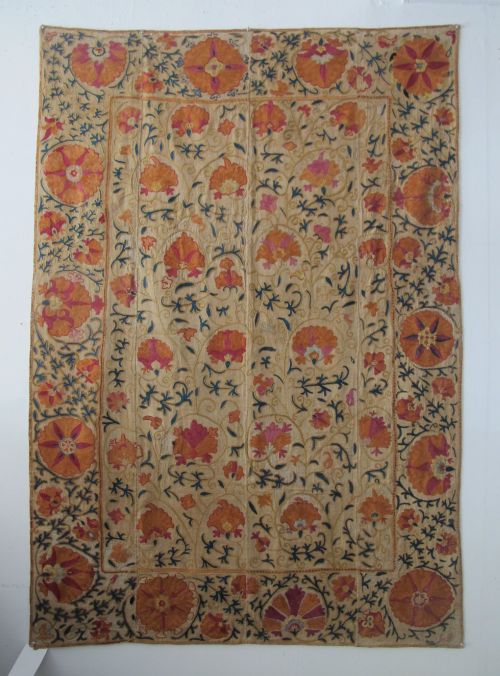
- A large embroidered wall hanging originating from Uzbekistan and Tajikistan. They typically employ silk thread on cotton or silk foundations.
- Gul
- A medallion motif repeated across Turkmen carpets and trappings. Each tribal group utilised distinct forms to signal identity.
Tribal Wall Hanging Panel: Frequently Asked Questions
What is a tribal wall hanging panel?
A tribal wall hanging panel is a textile created by nomadic or village weavers in regions like Central Asia and Persia. These pieces include dowry embroideries, storage bag faces, and ceremonial trappings originally made for domestic use.
Over time, many of these functional items transitioned into decorative wall displays due to their intricate patterns and cultural significance.
How were these panels used originally?
Many panels functioned as storage bags, saddle covers, or decorative elements inside nomadic tents and yurts. They held household belongings and served as indicators of tribal identity and family prosperity.
Ceremonial pieces like asmalyks played specific roles during traditional wedding processions and community celebrations.
How do I care for an antique textile?
Protect antique textiles from direct sunlight to prevent natural dyes from fading over time. Mount them gently without placing undue strain on the historic fibres and stitching.
Avoid hanging them in areas with high humidity or fluctuating temperatures to preserve the wool, silk, and cotton materials.
How can I tell different tribal styles apart?
Tribal styles are distinguished by specific colour palettes, structural techniques, and repeating motif patterns. Turkmen pieces often feature characteristic gul medallions, while Uzbek Lakai embroideries display dynamic appliqué and distinct stitch rhythms.
Geographic origins and regional weaving traditions dictate these visible design differences.