






Antique Yurt Hanging
An antique yurt hanging brings the rich textile traditions of Central Asian nomads directly onto your interior wall.
Antique Yurt Hanging
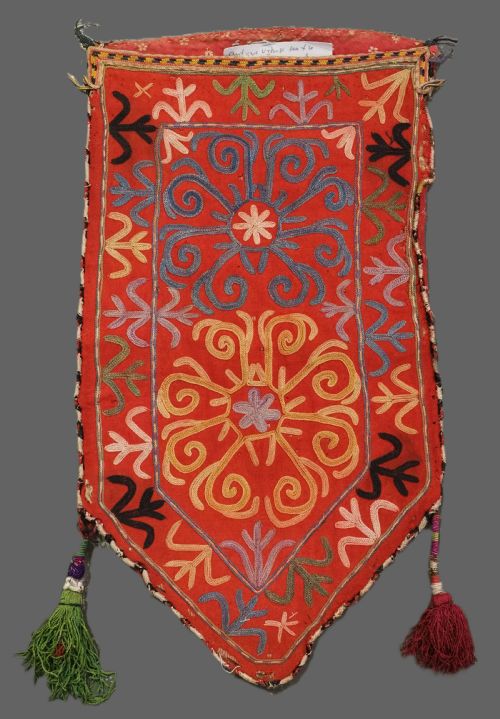
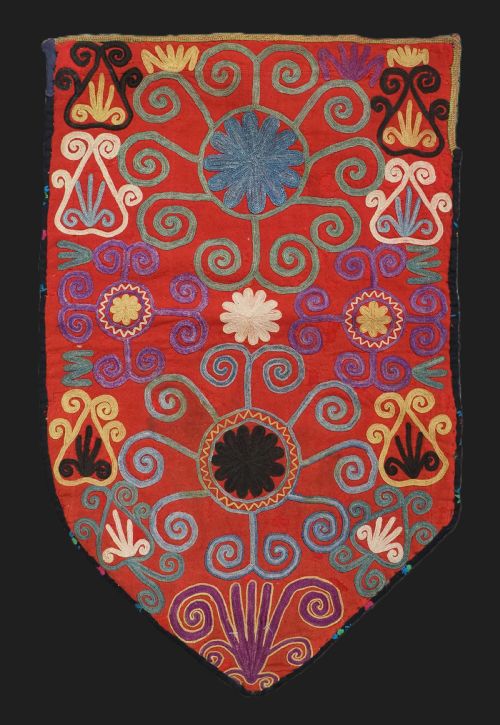
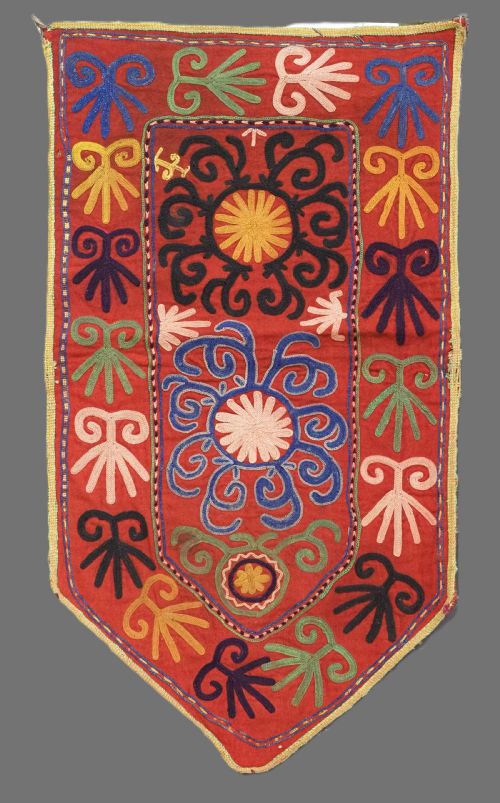
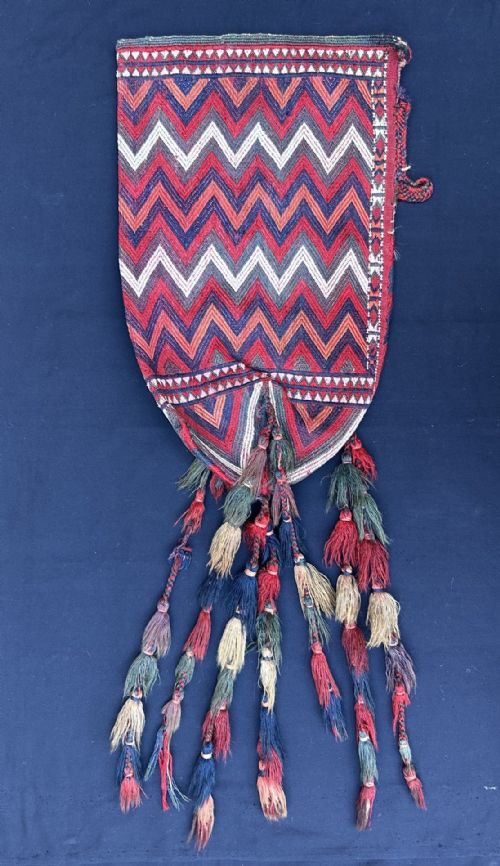
When you search for an antique yurt hanging, you encounter functional woven and embroidered textiles created by nomadic tribes across Central Asia during the nineteenth and early twentieth centuries. These pieces originated as utilitarian objects inside nomadic dwellings, including door hangings, tent bands, storage bags, and large embroidered panels.
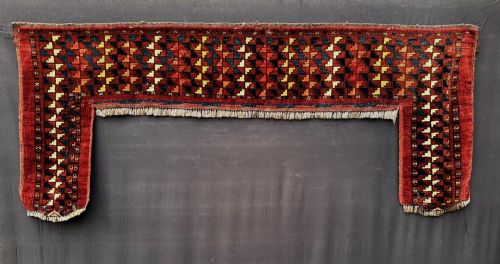
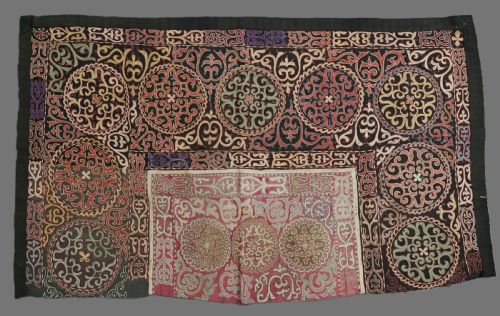
The versions most likely to appear on this page include Uzbek Lakai tribe uut kap ilgich embroideries, Turkmen ensi door hangings, and Kyrgyz tush kyiz wall panels. They date primarily from the mid-nineteenth century up to the nineteen-thirties, reflecting the distinct tribal heritages of Turkmenistan, Uzbekistan, and Kyrgyzstan.
Materials and construction
Maker communities constructed these textiles using locally sourced animal fibres, predominantly wool, cotton, and silk, often incorporating felted wool and horsehair elements. Artisans embellished wool and cotton grounds with fine silk thread embroidery, sometimes adding glass beads for decorative accent.
Makers achieved distinctive hues through natural dyes applied to the textile grounds, such as the characteristic Mogul red wool found in specific Uzbek pieces. Structural elements like tent bands and storage bags relied on durable weaves designed to withstand the rigours of nomadic life.
Regions represented include Turkmenistan, Uzbekistan, and Kyrgyzstan, with distinct Turkmen, Uzbek, and Kyrgyz tribal origins.
Assessing quality in nomadic textiles
Quality rests upon the fineness of the needlework, the complexity of the tribal motifs, and the vibrancy of the natural dyes used across the textile. Pieces displaying intricate silk embroidery on sound woolen or cotton foundations stand apart from simpler or heavily degraded examples.
The Antique Yurt Hanging Glossary
- Uut kap ilgich
- An Uzbek hanging bag or trapping used inside a nomadic dwelling for storage and decoration. These pieces often feature lively geometric or zoomorphic embroidery.
- Tush kyiz
- A large, elaborately embroidered Kyrgyz wall hanging created by women to celebrate a wedding or family milestone. They typically depict floral and botanical motifs.
- Ensi
- A Turkmen rug or hanging specifically designed to hang over the doorway inside a yurt. They feature a distinctive cross-panel design dividing the field.
- Tegerich
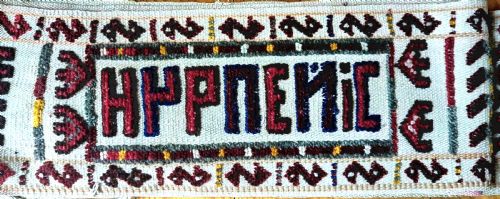
- A piled tent band used within nomadic structures to secure the lattice walls. Fragments of these long bands occasionally survive as decorative panels.
- Ok bash
- A tent-pole bag or cover fashioned by Turkmen or Kyrgyz makers to protect structural elements. They often terminate in tassels made from horsehair.
Antique Yurt Hanging: Frequently Asked Questions
How did nomads use these hangings?
Nomadic families utilised these textiles both for practical storage and to decorate the interior of their felt tents. Door hangings, storage bags, and wall panels served to line the living space and display tribal identity.
Items such as tent bands helped secure the wooden lattice framework of the dwelling while adding colour and pattern to the interior environment.
How do I hang a textile safely?
Mounting heavy wool and silk textiles requires distributing the weight evenly across the entire top edge rather than pinning at isolated points. A professional conservator can attach a cotton sleeve to the reverse, allowing a padded rod to support the piece.
Keep the hanging away from direct sunlight to protect natural dyes from fading, and ensure adequate ventilation behind the fabric.
Are these pieces made with natural dyes?
Nineteenth-century and early twentieth-century examples frequently incorporate natural dyes derived from local plants, roots, and insects. These colourants produce rich, nuanced tones that mellow gracefully over decades of light exposure.
Such dyes create subtle variations within the wool or silk threads, adding depth to the visual surface of the textile.