


Red Cotton Embroidered Panel
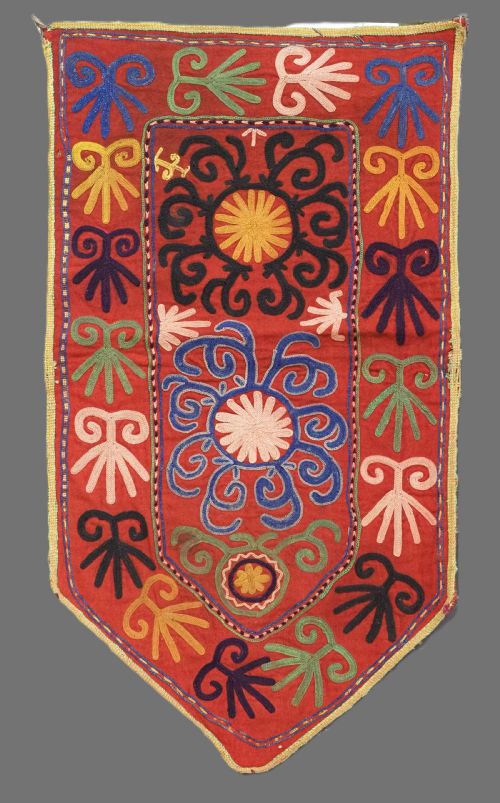
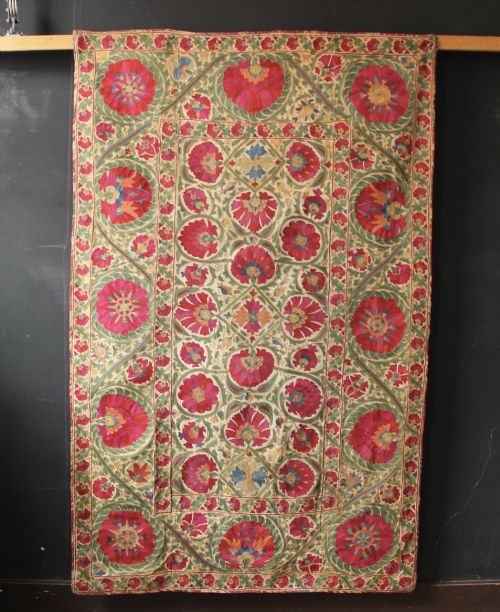
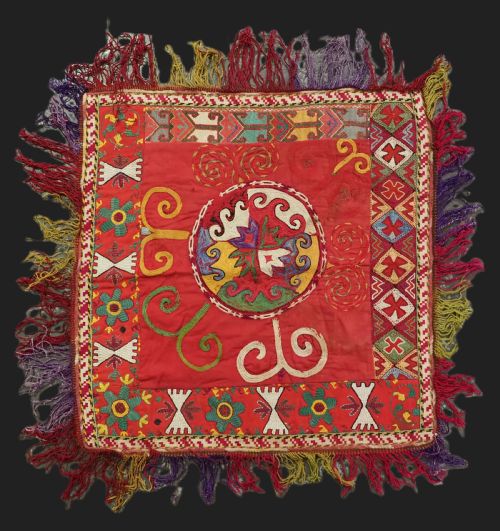
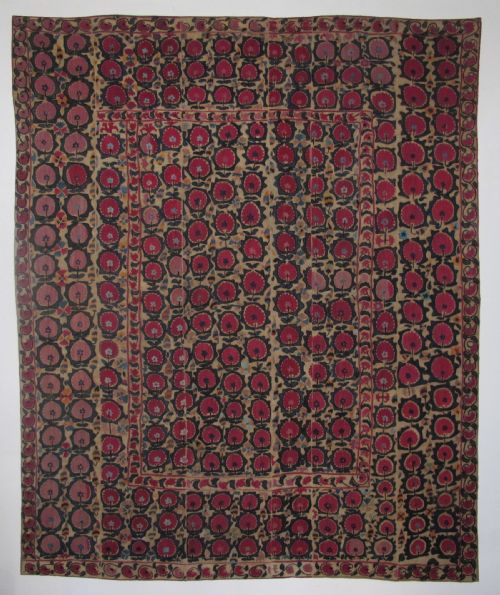
A red cotton embroidered panel brings vivid Central Asian and Uzbek tribal character to an interior wall.
Red Cotton Embroidered Panel
A red cotton embroidered panel is essentially a textile wall hanging originating from Central Asia, with the vast majority hailing from Uzbekistan and specific tribal groups. Buyers searching for a red cotton embroidered panel encounter pieces spanning the mid-nineteenth century through to the early twentieth century, taking the form of suzanis, ilgiches, and dowry embroideries. The version most commonly met on this page is an antique Uzbek suzani or tribal textile featuring intricate needlework on a red ground.
These textiles include regional varieties such as Bokhara, Nurata, Tashkent palaks, and pieces attributed to the Lakai tribe or Shakhrisabz region. Forms range from smaller mounted panels to larger wall hangings and nim suzanis, showcasing traditional floral or central star designs. Each object serves primarily as decorative wall art, carrying the distinct folk art traditions of nineteenth and twentieth-century Central Asia.
Materials and construction
The foundation of these textiles relies predominantly on a woven red cotton ground, sometimes combined with adras silk or cotton blends. Artisans worked upon this supportive base using fine silk threads for the primary embroidery, occasionally incorporating wool or linen elements depending on the specific tribal workshop.
Needlework techniques involve dense, detailed stitching executed by hand to form traditional motifs and complex floral patterns across the surface. Many of these pieces were created as dowry items or functional wall coverings, requiring skilled handwork that defined the regional styles of Bukhara, Tashkent, and surrounding areas.
Materials recorded across the available pieces include cotton, silk, wool, linen, adras, wood, and glass.
Judging quality in tribal embroidery
Quality in a red cotton embroidered panel rests primarily on the density and fineness of the needlework across the surface. Pieces fully covered in embroidery, such as dense palaks, demonstrate greater labour intensity than sparser compositions.
The precision of the traditional design and the vibrancy of the silk threads against the red cotton ground further distinguish finer examples. The complexity of the regional motifs and the overall integrity of the textile foundation set the upper tiers apart from standard decorative wall hangings.
The Red Cotton Embroidered Panel Glossary
- Ilgich
- A specific form of embroidery or wall hanging produced by tribal groups in Central Asia. They frequently functioned as dowry pieces for domestic display.
- Nim Suzani
- A half-size or smaller version of a standard suzani wall hanging. These compact panels offer the rich embroidery of full suzanis in a more manageable format for domestic interiors.
- Adras
- A traditional Central Asian fabric woven from a blend of silk and cotton yarns. It provides a textured foundation for intricate needlework.
- Palak
- A fully embroidered suzani variant, often featuring a prominent central star design. The dense needlework covers almost the entire ground fabric.
Red Cotton Embroidered Panel: Frequently Asked Questions
How were these panels used originally?
These textiles served primarily as wall hangings, decorative covers, and dowry items within Central Asian homes. Families displayed them during important domestic occasions and everyday life.
They added colour, texture, and symbolic protection to the interior living space through traditional tribal motifs.
How do I hang a textile on the wall?
Mounting a textile safely usually involves professional framing behind glass or gentle stitching to a padded, fabric-covered support batten. This distributes the weight evenly across the cotton ground.
Direct pinning or nail mounting damages the historic fabric and should be avoided.
How can I tell a suzani region?
Regional attributions rely on the specific colour palette, plant motifs, and composition styles characteristic of towns like Bukhara, Nurata, or Tashkent. Each area developed distinct needlework signatures.
Expert examination of the stitch types and background fabrics further clarifies the geographic origin.
Are these pieces dated accurately?
Dates assigned to these textiles are estimated periods based on stylistic conventions, material wear, and traditional dye types. Circa designations indicate the likely era of creation.
Exact production years are rarely documented, so periods are typically grouped by decades or centuries.