



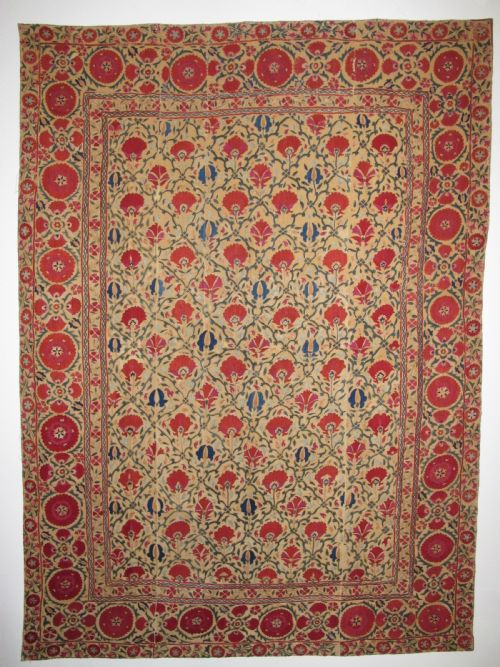
Ethnic Embroidered Wall Panel
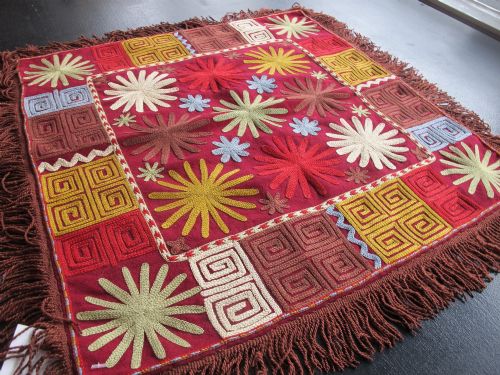
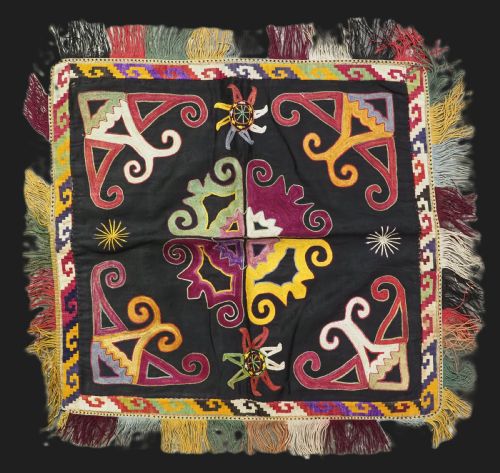
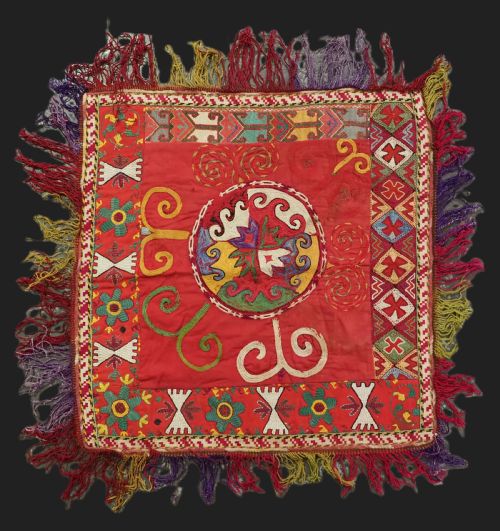
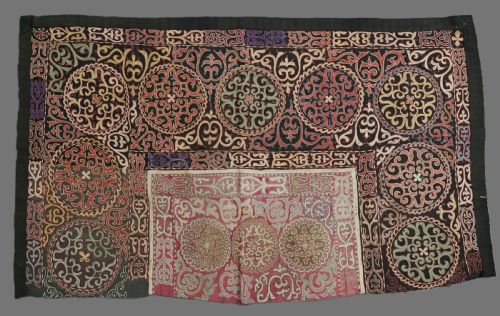
These ethnic embroidered wall panel examples bring vibrant Central Asian and Indian tribal textiles into modern interiors as striking focal points.
Ethnic Embroidered Wall Panel
When you search for an ethnic embroidered wall panel, you encounter textiles originating primarily from Central Asian regions such as Uzbekistan and Kyrgyzstan, alongside Indian tribal regions. The pieces listed on this page span the mid-nineteenth century through the early twentieth century, including traditional formats like dowry embroideries, yurt wall hangings, and prayer suzanis.
You are most likely to meet Uzbek Lakai tribe ilgich works and various suzani textiles from the late nineteenth and early twentieth centuries. These take the form of wall hangings, textile panels, and decorative fabric works designed originally for domestic use within tribal or traditional communities.
The aesthetic of an ethnic embroidered wall panel centres on bold geometric or floral motifs worked onto a foundational cloth. Regional styles range from Central Asian tribal and Uzbek traditional to Indian tribal expressions, offering distinct visual identities for hanging.
Judging quality and execution
Quality in an ethnic embroidered wall panel rests upon the density and precision of the needlework. Finer examples display meticulous execution of the stitches across the ground fabric, creating complex, well-defined patterns.
The choice of materials and the complexity of the design layout distinguish finer specimens from simpler works. Well-executed pieces maintain structural integrity in the base cloth alongside vibrant thread retention.
Tribal embroiderers often stitched secret protective symbols into dowry pieces to ward off bad luck.
The Ethnic Embroidered Wall Panel Glossary
- Suzani
- An embroidered textile originating from Central Asia, traditionally created as part of a bride's dowry. These large panels feature striking floral or geometric ornamentation.
- Ilgich
- A specific type of Central Asian embroidered hanging, often associated with the Lakai tribes. They display distinctive tribal motifs worked in bright silk threads.
- Tush kyiz
- Large, elaborately embroidered yurt wall hangings traditionally made by Kyrgyz women. They celebrate marriage and family life through symbolic needlework.
- Torba
- A small bag or hanging piece created by Central Asian tribal groups. They often feature specialised embroidery techniques characteristic of specific regional workshops.
Ethnic Embroidered Wall Panel: Frequently Asked Questions
How do I hang these textiles?
Mount your textile using a non-damaging support system such as a specialised fabric sleeve or a padded wooden batten. Avoid direct pinning through the antique cloth.
Ensure the weight of the panel distributes evenly across the hanging mechanism to prevent distortion of the silk or cotton ground over time.
Where should I place a wall panel?
Position your panel on an interior wall away from direct sunlight to protect the dyed silk and cotton threads from fading. Rooms with stable humidity levels suit these historic textiles best.
Keep them clear of heat sources like radiators to prevent the natural fibres from drying out prematurely.
How do I date these panels?
Examine the materials, dye types, and stitching characteristics to establish an approximate period of origin. Turn-of-the-century pieces often combine hand-spun cotton grounds with vibrant silk embroidery.
Compare stylistic motifs such as Lakai geometric patterns or suzani floral layouts with documented examples from specific regions like Shakrisabz.