




Historical Textile Art
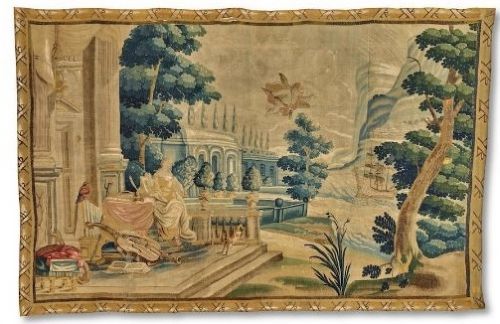
Historical textile art brings centuries of needlework, tapestries, and framed fragments into interiors through silk, wool, and metallic thread.
Historical Textile Art
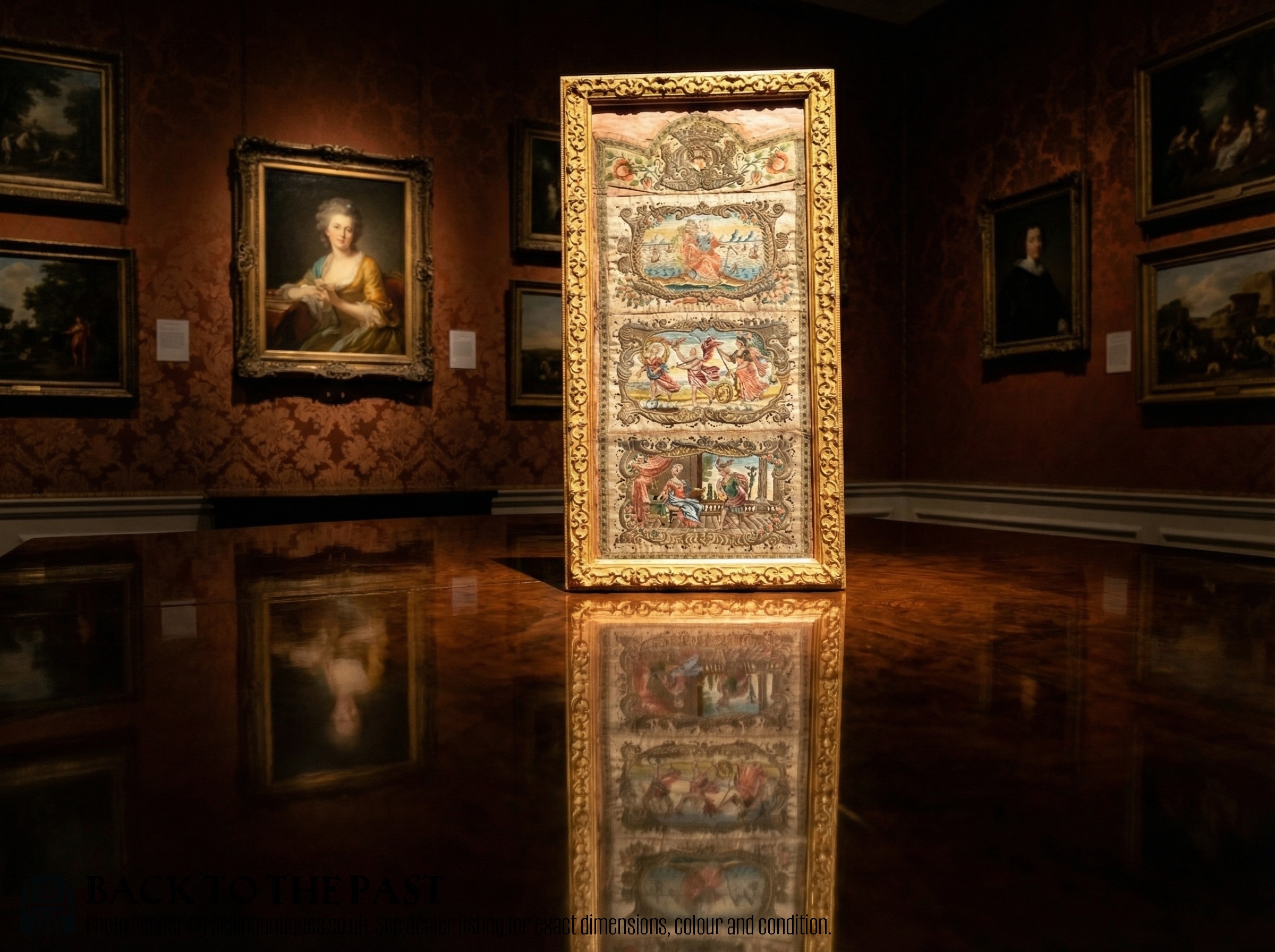
Historical textile art encompasses framed panels, wall tapestries, and needlework pictures created across the seventeenth, eighteenth, and nineteenth centuries. These works include detailed samplers stitched by young makers, mythological Flemish tapestries, and embroidered depictions of horse racing.
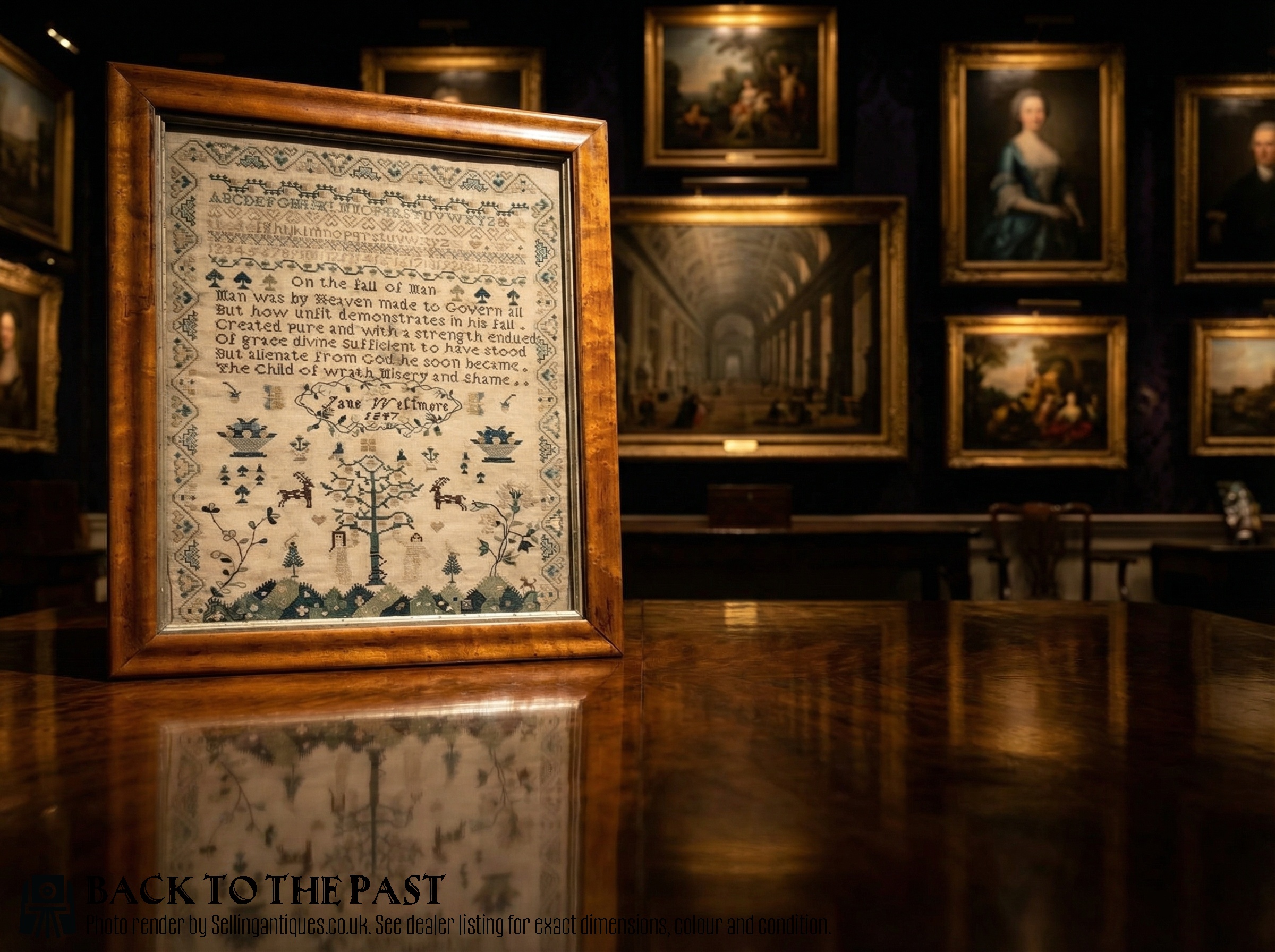
The versions most commonly met on this page are nineteenth-century needlework samplers and framed fragments alongside earlier tapestries. Buyers encounter pieces ranging from small English coifs to grand scale wall hangings displayed in wood frames or glass cases.
Origins span English, Dutch, French, German, and Flemish workshops, reflecting diverse regional stitching traditions and decorative styles. Pieces from the Georgian and Victorian eras sit alongside earlier seventeenth-century survivals.
Materials and construction methods
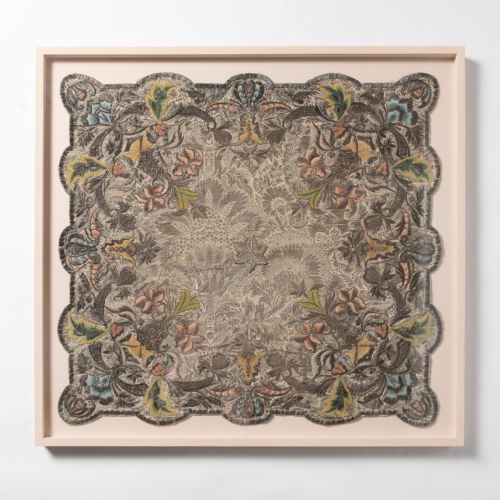
Makers utilised natural fibres including silk, wool, linen, and cotton as the primary foundation and stitching grounds for these works. Metallic threads appear alongside these textiles, adding reflective detail to embroidered panels and Dutch silk pieces.
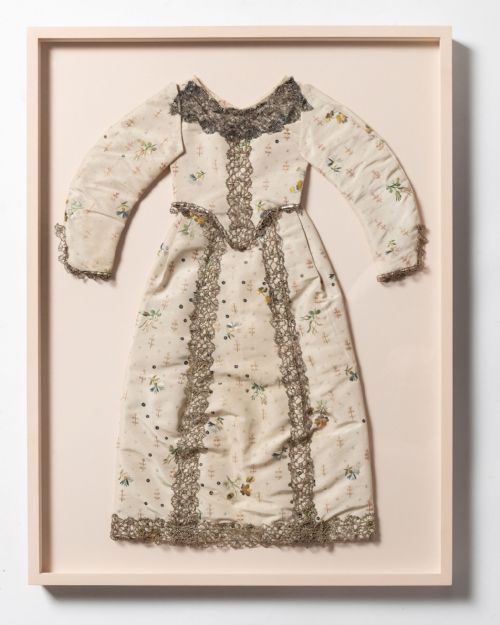
Needlework pictures and samplers rely on precise thread counts and varied stitch techniques executed by hand. Tapestries employ woven wool and silk structures, while framed fragments preserve sections of larger historical textiles or garments.
Historical Textile Art Retail Price Guide 2026
Typical asking prices for historical textile art among the pieces listed under this phrase on Sellingantiques today, from the lower quarter to the upper quarter. They describe what is for sale here now, not the wider market.
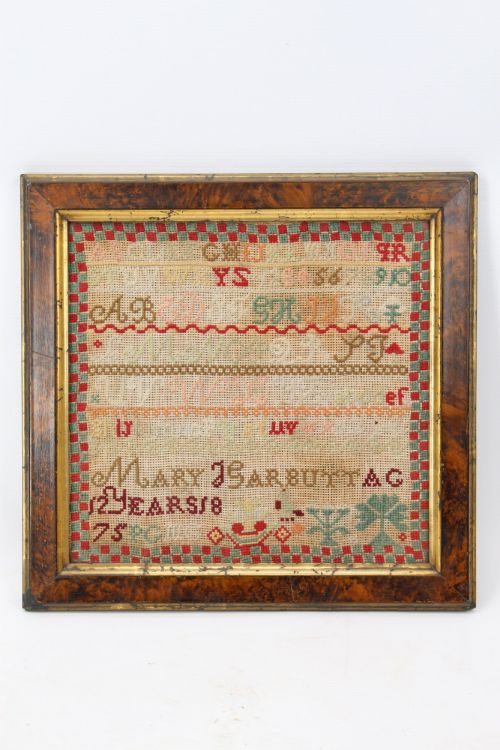
Mary J Garbutt stitched her name and age at twelve years old in 1875, leaving her childhood preserved in thread.
Assessing visual and material standards
Quality rests upon the fineness of the stitching, the complexity of the design, and the survival of the original materials. Works incorporating metallic thread or detailed silk pictorial scenes demonstrate high technical ambition.
Condition and legibility distinguish examples, particularly where original colours remain vivid within wool and silk threads. The integrity of the surrounding wood framing and the preservation of early textile grounds influence overall presentation.
The Historical Textile Art Glossary
- Sampler
- A piece of needlework demonstrating various stitches and alphabets, often worked by young makers as a record of skill. They frequently include names and dates.
- Coif
- A close-fitting cap worn in the sixteenth and seventeenth centuries, often decorated with elaborate silk and metal thread embroidery. Surviving examples are usually framed for display.
- Verdure tapestry
- A woven wall hanging depicting a landscape dominated by trees, foliage, and plants, often produced in Flemish or European workshops. Animals and mythical scenes frequently populate the background.
- Toile de Jouy
- A cotton or linen fabric printed from engraved copper plates with repetitive pastoral or historical scenes in a single colour. Fragments are often preserved behind glass as wall art.
- Needlework picture
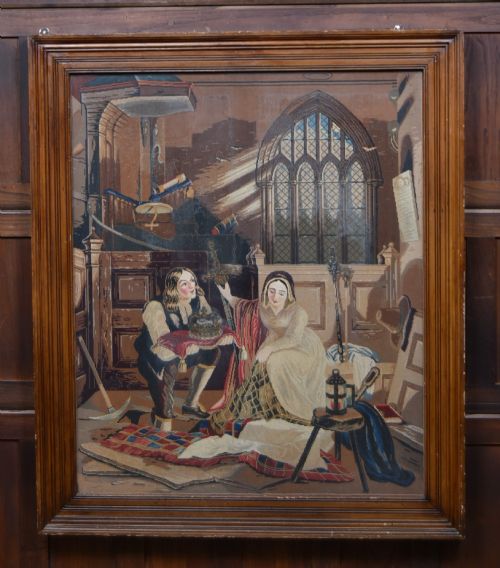
- A pictorial composition created with threads on a canvas or linen ground, depicting subjects ranging from horse racing tracks to historical figures.
Historical Textile Art: Frequently Asked Questions
How do I hang historical textile art?
Most framed pieces and wall tapestries require secure wall fixings suited to their weight and the construction of the frame.
Keep textiles away from direct sunlight to protect silk and wool fibres from fading over time.
What periods do these textiles cover?
The pieces span from the late sixteenth and seventeenth centuries through the Georgian and Victorian eras up to the twentieth century.
Needlework samplers and tapestries each reflect the decorative styles and stitching standards of their specific century.
How are antique tapestries constructed?
Tapestries are woven on looms using wool and silk threads to build up pictorial scenes and landscape designs.
Larger wall hangings often depict mythological or verdure subjects with intricate background foliage.
What is a needlework sampler?
A sampler is a stitched exercise recording alphabets, numerals, and decorative motifs, usually created by a young maker.
Many surviving examples include the maker's name, age, and a completion date stitched into the composition.