




Victorian Embroidery Panel
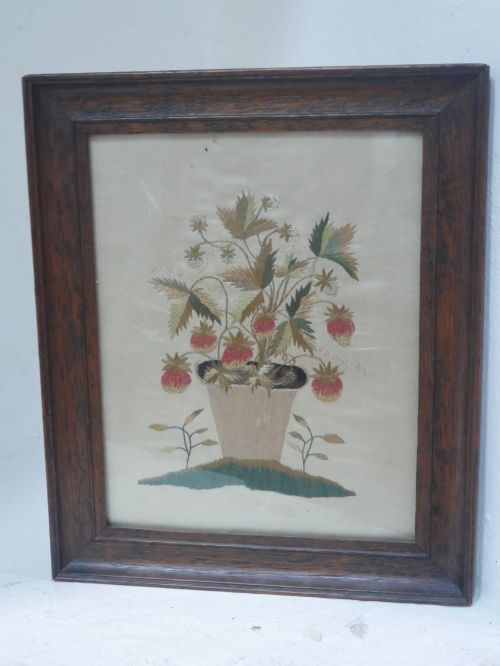
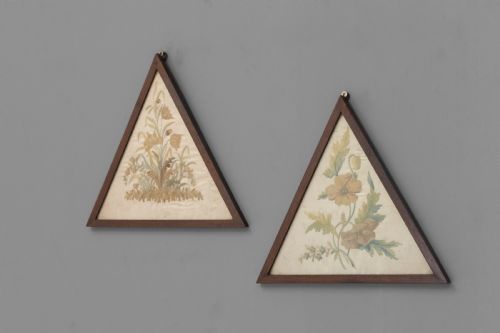
A victorian embroidery panel brings tactile depth and handcrafted narrative into a room, preserving centuries-old domestic skill in wool, silk, and canvas.
Victorian Embroidery Panel
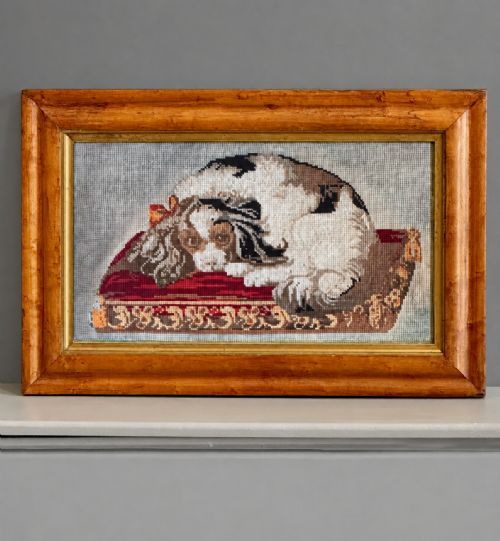
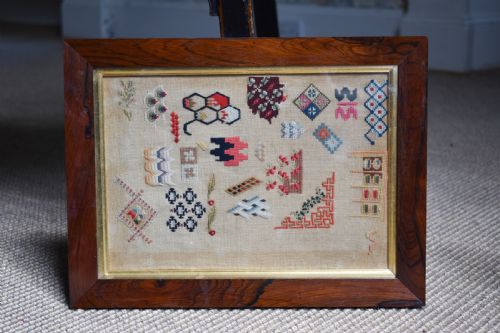
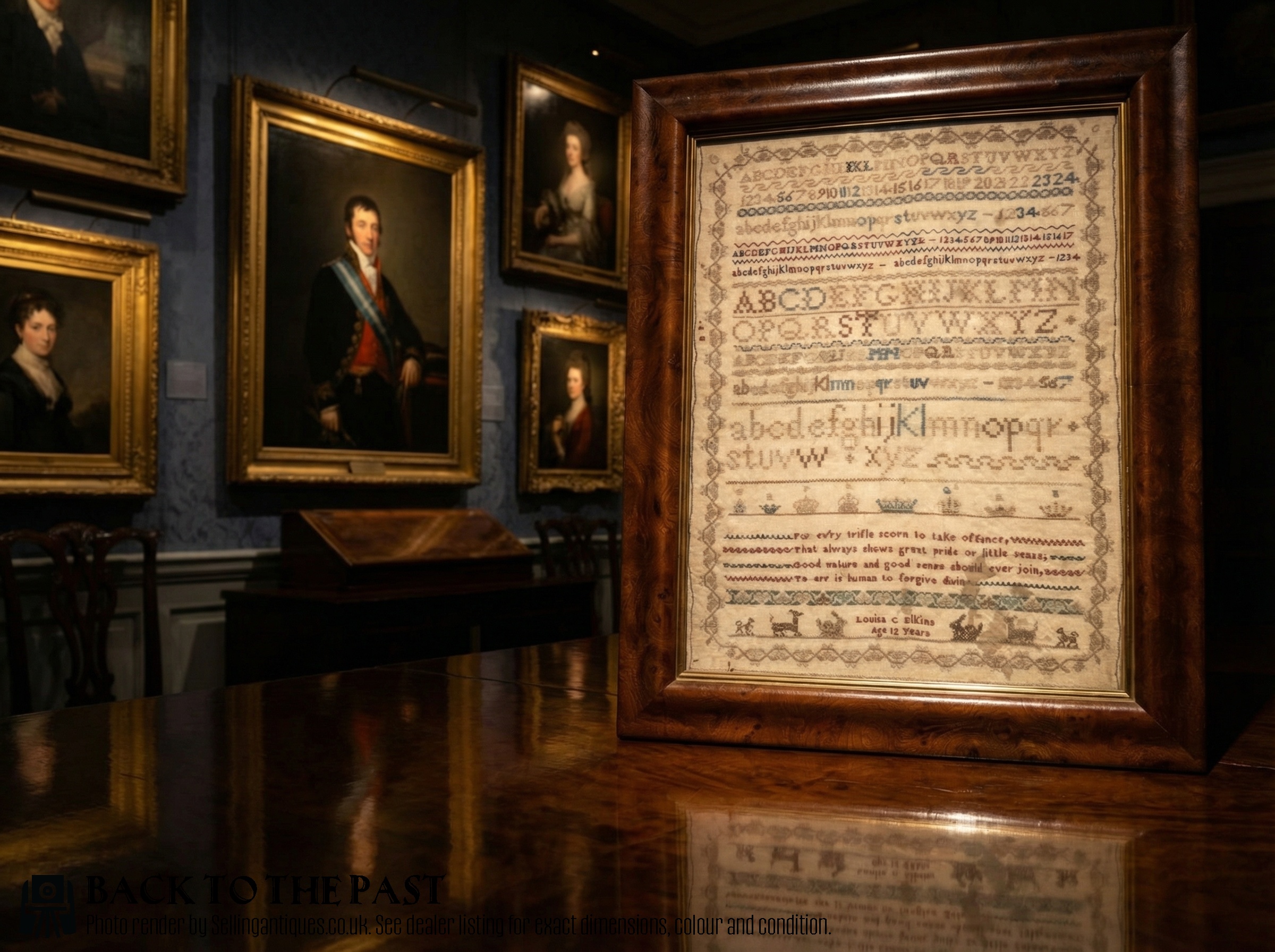
A victorian embroidery panel encompasses framed textile art, pictorial wool works, and detailed needlework samplers created during the nineteenth century. Buyers encounter diverse regional expressions, ranging from English country house samplers and Scottish mourning pieces to French silk embroideries and intricate Berlin work.
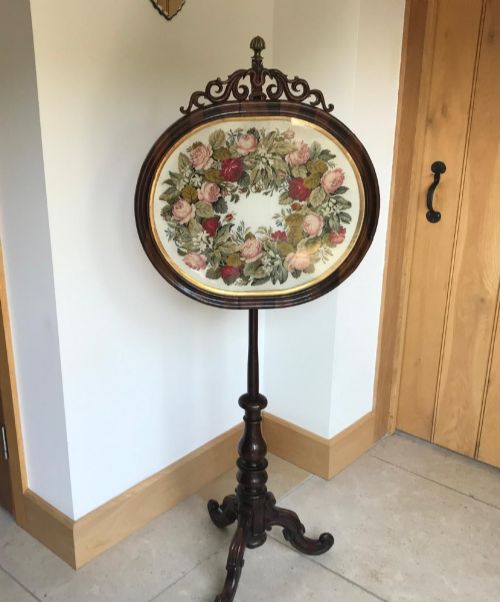
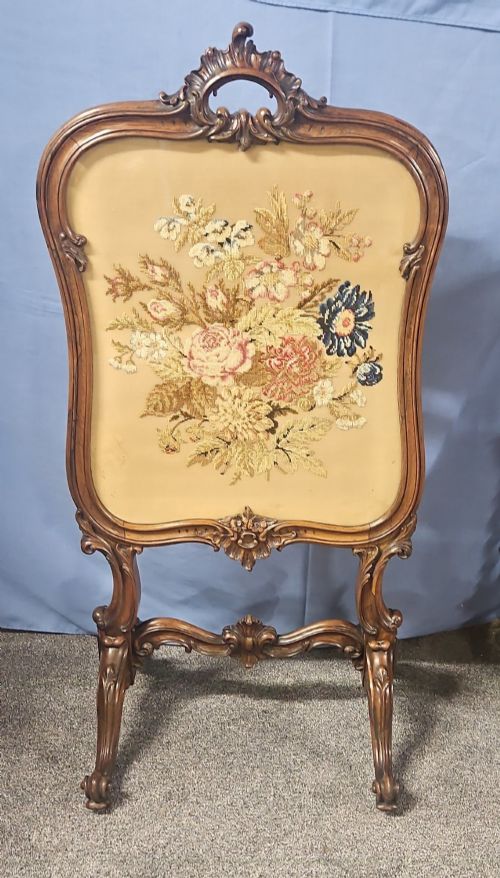
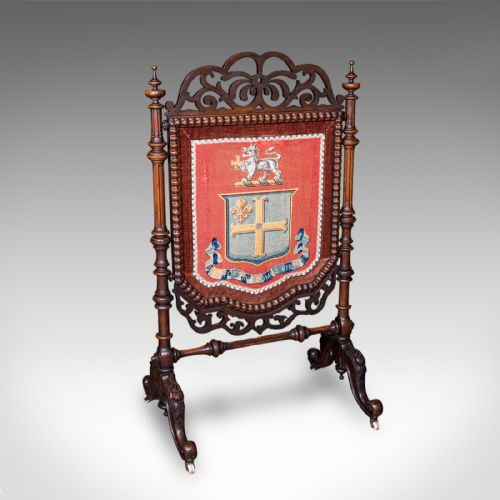
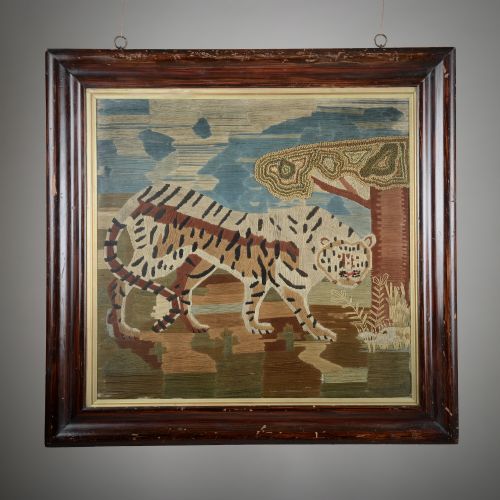
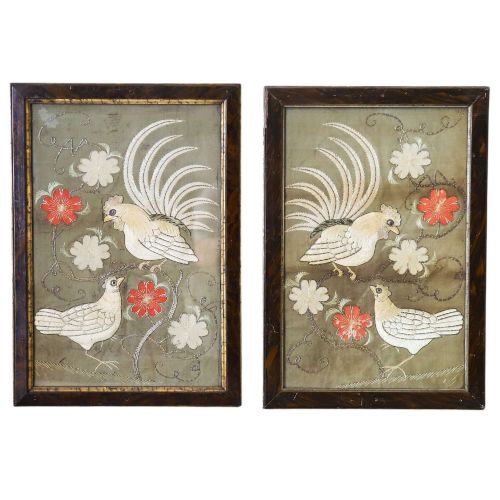
The selection frequently includes framed textiles and wall art depicting subjects such as animals, portraits, and floral motifs. Functional pieces like fire screens and pole screens also appear, integrating stitched textiles directly into period furniture forms.
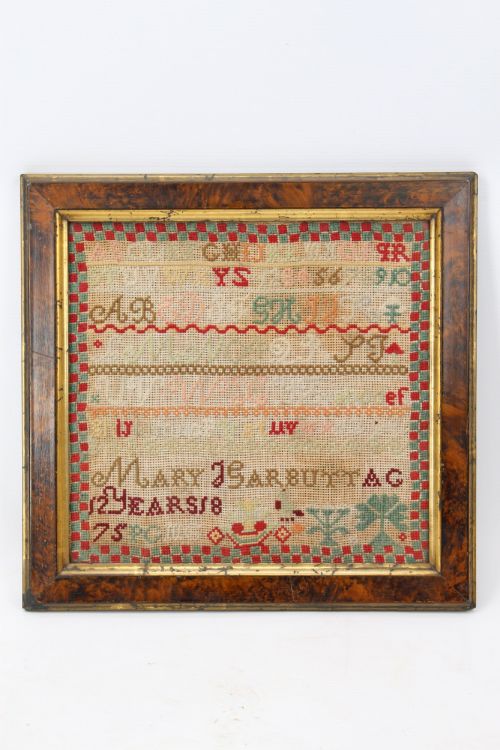
Makers range from young children recording their stitching proficiency on samplers to skilled artisans producing elaborate gros-point tapestries and silk picture panels. These works reflect both domestic pastime and professional decorative craft across the Victorian era.
Materials and Technique
Needlework panels rely on foundational fabrics like wool, linen, and canvas, providing the structural grid for intricate stitching. Artisans utilised wool, silk, and occasionally glass beads to build dense pictorial surfaces and textured relief.
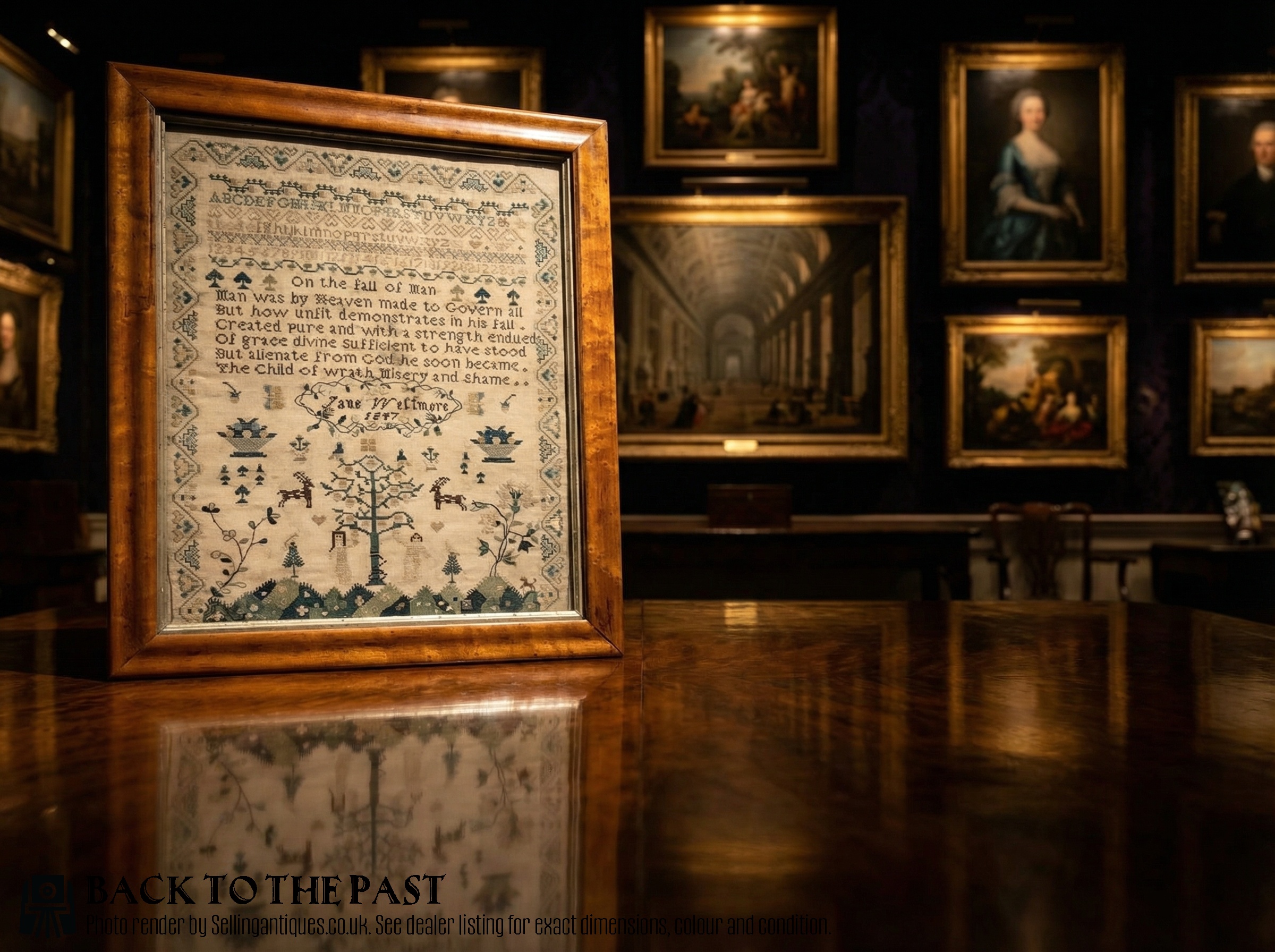
Execution involves specialised techniques such as Berlin work, gros-point, and needlepoint, executed with precise colour shading. Completed embroideries were frequently mounted within original wood frames, including burr maple, rosewood, walnut, and giltwood.
Certain panels incorporate decorative embellishments or are set behind glass within specialised fire screen frames and occasional tables. The synergy between textile and timber housing defines the physical construction of these surviving works.
Listings feature materials including wool, silk, canvas, glass, and giltwood across the nineteenth century.
Assessing Quality
Quality rests upon the fineness of the stitching and the complexity of the design execution, where disciplined needlework creates clear pictorial depth. Superior panels demonstrate precise tension, harmonious colour palettes, and sophisticated rendering of human or animal forms.
The integrity of the framing contributes significantly to the overall merit of a piece, with original burr maple, rosewood, or giltwood surrounds enhancing the historical context. Condition and stability of fragile silk and wool fibres also distinguish exceptional survivors from heavily degraded examples.
Iida Takashimaya Company
The Victorian Embroidery Panel Glossary
- Berlin work
- A type of coloured needlework charted on squared paper, popular during the mid-nineteenth century for wool pictures.
- Sampler
- A piece of needlework demonstrating various stitches and alphabets, often worked by young girls recording their age.
- Gros-point
- A bold, counted-thread needlepoint stitch worked on canvas, providing durability and texture to pictorial tapestries.
- Pole screen
- A standing piece of furniture featuring an adjustable vertical panel designed to shield a person's face from fireplace heat.
- Suzani
- A large, decorative embroidered tribal textile originating from Central Asia, worked in rich silk threads.
Victorian Embroidery Panel: Frequently Asked Questions
How were fire screens used?
Fire screens served a practical purpose in nineteenth-century parlours by shielding inhabitants from the intense radiant heat of open coal fires.
Mounted on wooden pedestals or poles, the adjustable embroidered panels could be raised or angled to protect the face while seated nearby.
What is a needlework sampler?
Samplers were educational exercises where young makers practiced various stitches, numerals, and alphabets to demonstrate domestic proficiency.
Signed and dated examples often record the maker's age and hometown, offering a personal genealogical record.
How do I date a panel?
Dating relies on inscribed dates, stitch styles, and the framing materials characteristic of the nineteenth century.
Samplers frequently bear explicit dates and maker ages, while pictorial panels are contextualised by frame types such as rosewood or burr maple.
How should I display textiles?
Framed embroidery panels require placement away from direct sunlight to prevent the fading of delicate silk and wool threads.
Maintaining stable indoor humidity protects organic fibres and prevents warping in original wooden frames.