




Folk Art Chest
A folk art chest carries the unhurried hand of vernacular maker and painter, offering robust storage layered with regional character.
Folk Art Chest
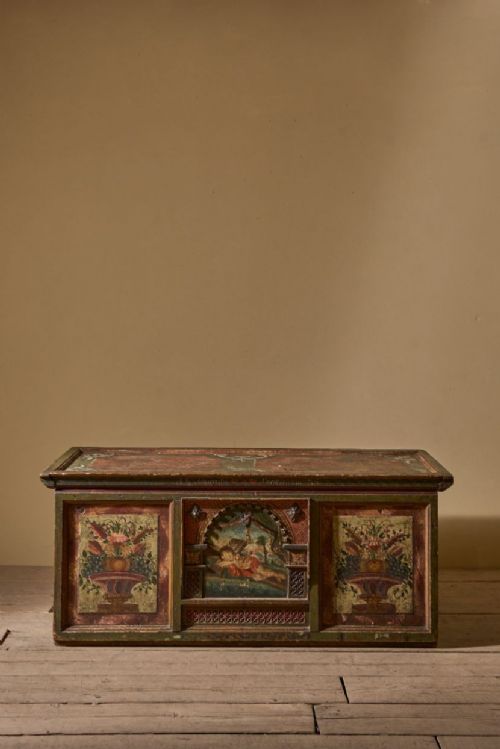
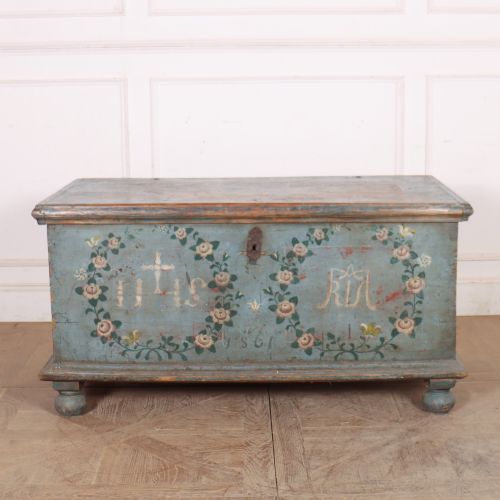
A folk art chest encompasses regional trunks, coffers, dowry boxes and country chests of drawers made across Europe and Britain. These pieces range from simple pine storage boxes to large painted marriage trunks originating from Scandinavia, Hungary and Alpine regions.
Buyers frequently encounter nineteenth-century painted pine pieces alongside eighteenth-century Swedish and Hungarian examples. The selection includes dome-top trunks, mule chests and small dovetailed boxes intended for domestic utility and ceremonial gifts.
How They Were Made
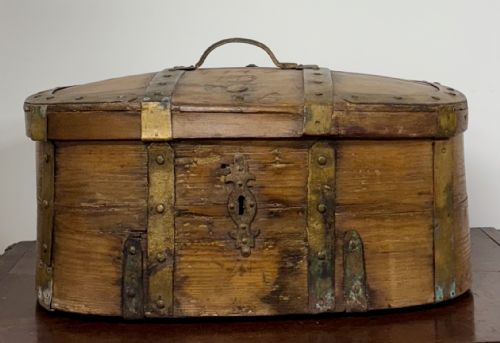
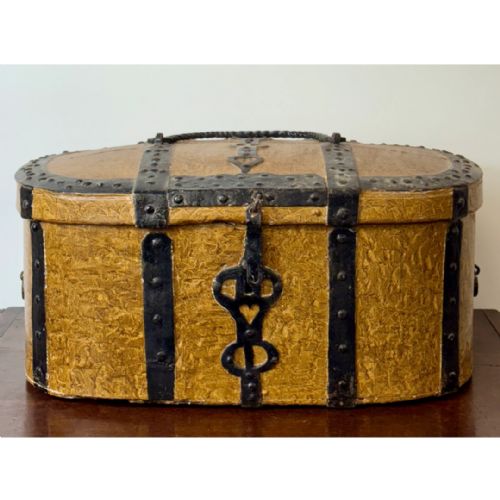
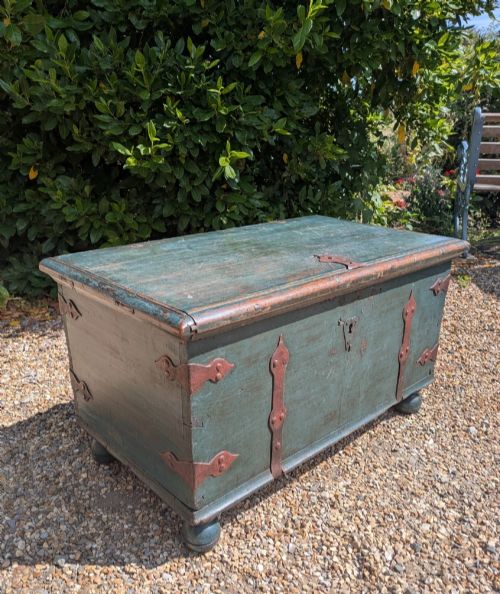
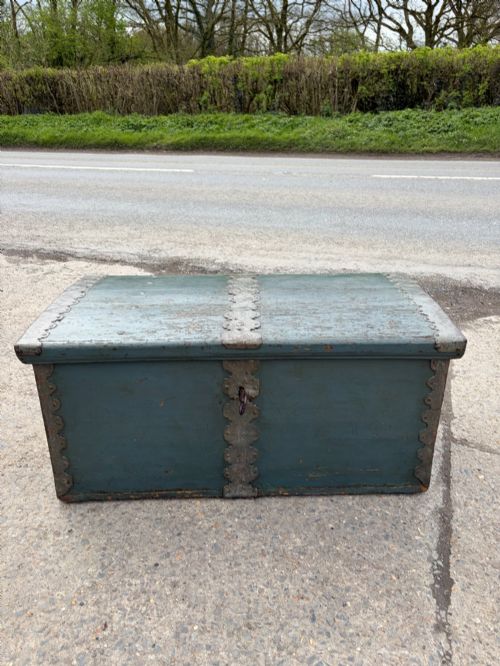
Local timbers such as pine, oak and occasionally mahogany form the primary construction, shaped by carpenters using dovetail joints and sturdy board construction. Hand-forged iron strapwork, brass hinges and wrought iron brackets reinforce the corners and lids of heavy travel and storage trunks.
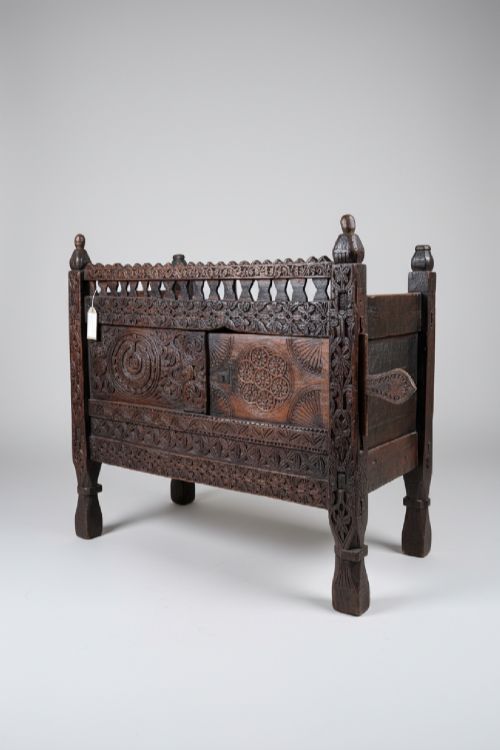
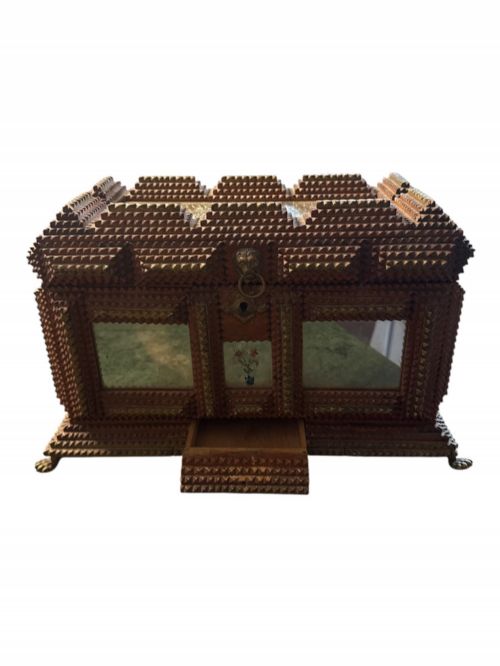
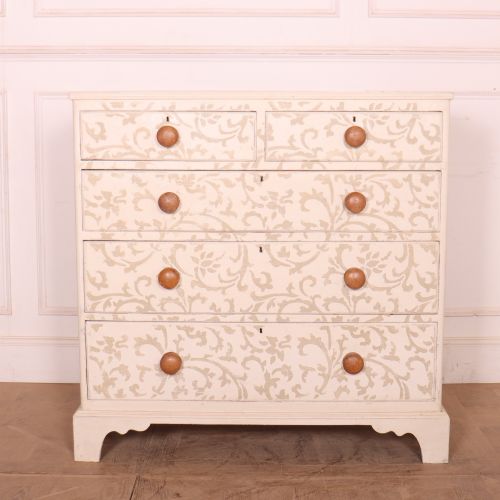
Surface decoration relies on applied pigments, oil paints and sometimes chip carving or tramp art layering. Painters executed floral motifs, simulated wood grains and regional heraldry directly onto the bare wood or primed ground.
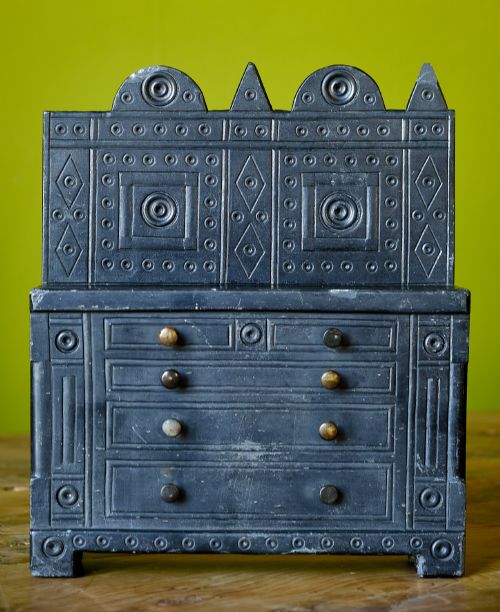
One nineteenth-century miniature chest of drawers was carved entirely from Welsh slate, offering a heavy surprise for anyone expecting light wood.
What Varies in Quality
The integrity of the original painted surface dictates the standing of a piece within this category. Surviving pigment with authentic patination and minimal overpainting holds greater visual weight than heavily restored or later decorated surfaces.
Construction deftness separates workshop output from amateur domestic work, visible in the tightness of dovetailed joints and the proportion of hand-forged ironwork. The sophistication of regional motifs, from naive floral flourishes to detailed chip carving, elevates individual examples.
Gemla Fabrikers
The Folk Art Chest Glossary
- Coffer
- A heavy wooden chest traditionally used for storing valuables or documents. These storage boxes often feature hinged lids and sturdy iron mounts.
- Cassone
- An Italian antique chest associated with marriage customs and elite domestic interiors. These large storage pieces frequently display elaborate painted or carved decoration.
- Mule chest
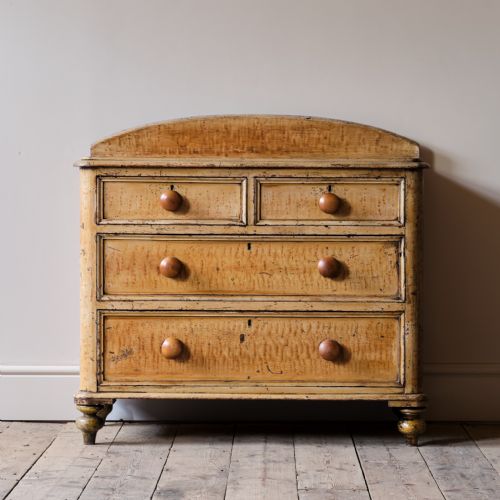
- A traditional storage chest featuring one or more drawers beneath the main lift-top compartment. This form bridges the utility of a trunk with the organisation of a chest of drawers.
- Dowry chest
- A specialised box created to hold household linens and personal property for a bride. These marriage chests often bear dates, initials or regional folk art motifs.
- Tramp art
- A decorative style created by chipping and layering small pieces of scrap wood into geometric relief patterns. This technique appears on nineteenth-century boxes and frames.
Folk Art Chest: Frequently Asked Questions
What is a marriage chest?
A marriage chest is a regional storage trunk commissioned or decorated to celebrate a wedding, often inscribed with initials and dates. Families used them to transport and store the bride's dowry.
These pieces frequently display regional folk art painting, such as floral motifs or symbolic birds, reflecting local traditions and the status of the household.
How do I care for painted pine?
Painted pine requires stable indoor humidity and protection from direct sunlight to prevent the historic pigments from fading or flaking. Dust the surface gently with a dry, soft cloth rather than using liquid polishes.
Avoid placing these chests near heat sources, as timber shrinkage can destabilise both the wooden joints and the historic paint layers.
What is a foot stove?
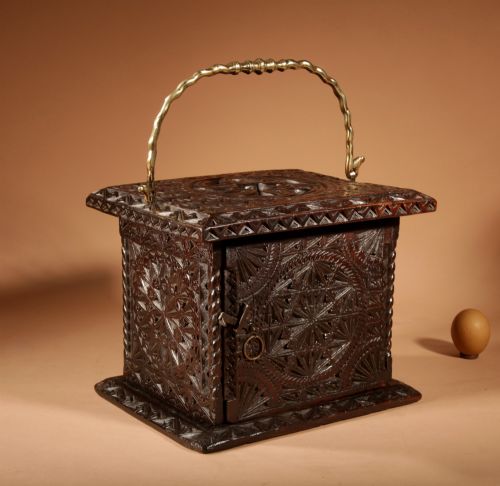
A foot stove is a small, portable wooden box perforated with holes, designed to hold hot embers inside a metal liner. People used them during cold months to warm their feet in churches or carriages.
Many surviving examples feature intricate chip carving or decorative piercing executed by regional craftsmen.
How do I distinguish Scandinavian folk art?
Scandinavian folk art chests are characterised by specific regional colour palettes, such as muted greens, blues and ochres, applied to native softwoods. The decoration often includes stylised floral vines, geometric borders and painted inscriptions.
Construction details, such as exposed hand-cut dovetails and forged iron strapwork, help date these pieces to the eighteenth and nineteenth centuries.