
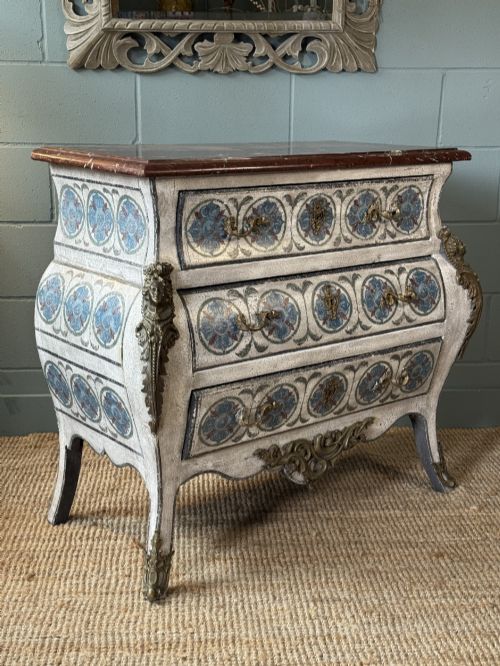
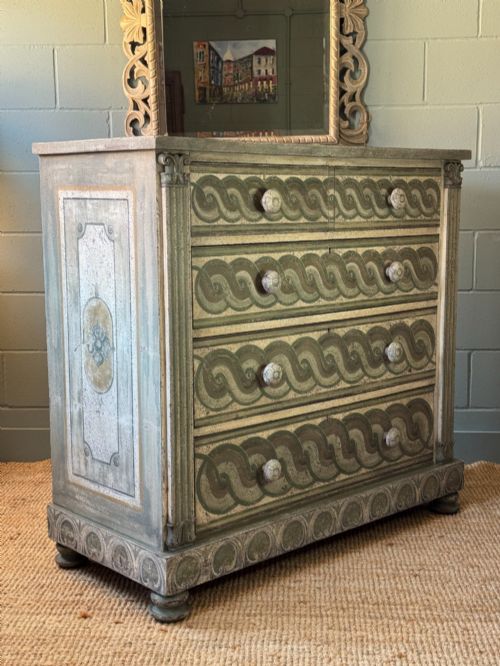


Hand Painted Drawers
Hand painted drawers bring colour and distinct narrative character to rooms through decorated storage pieces spanning the Georgian, Victorian and Edwardian eras.
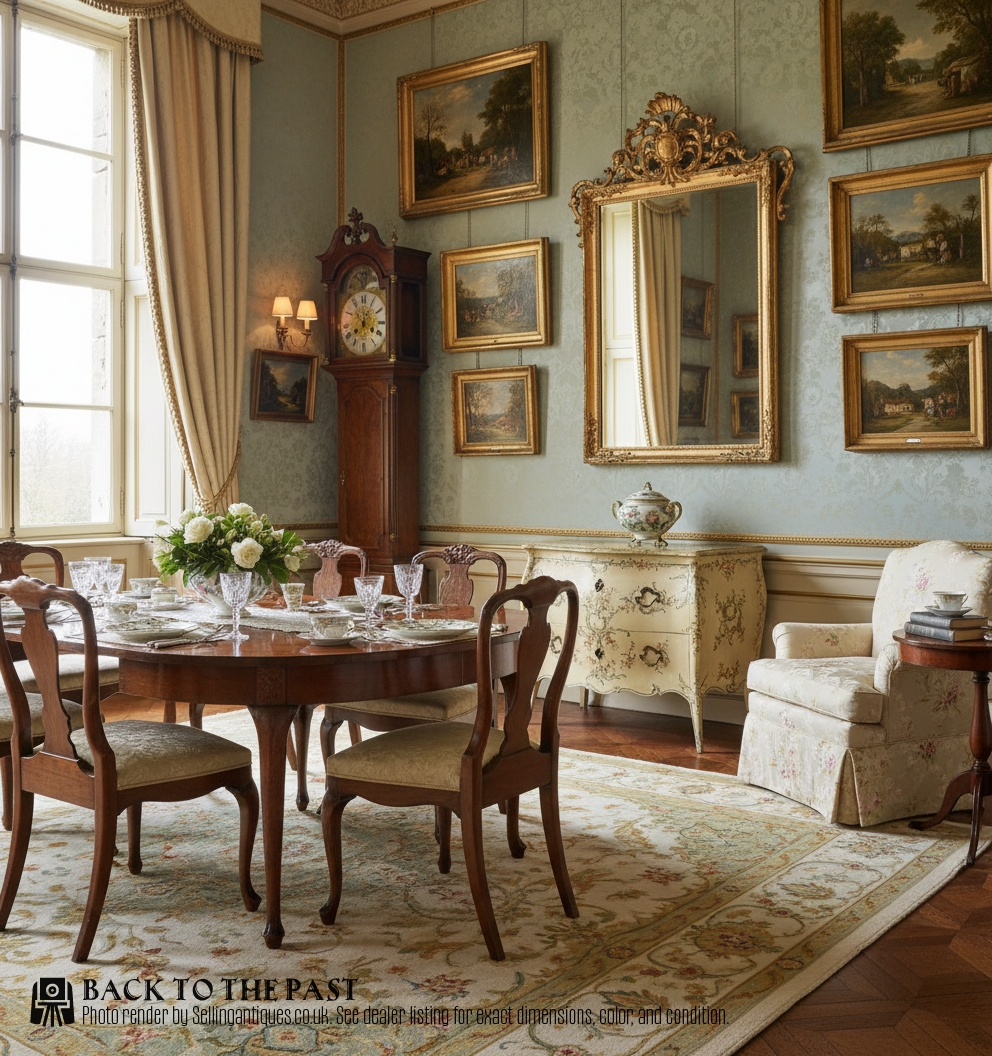
Hand Painted Drawers
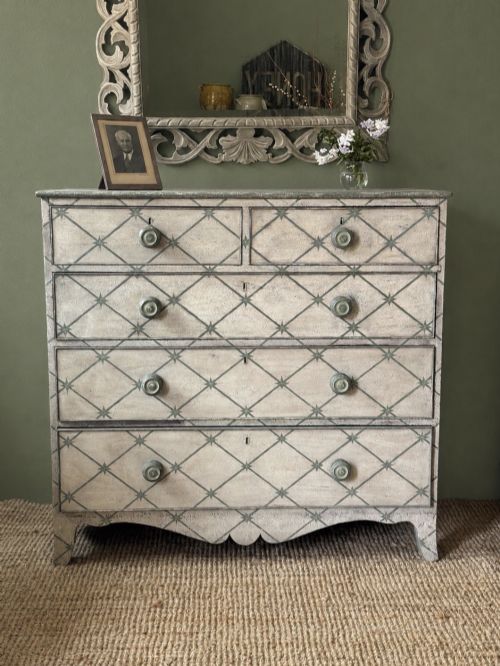
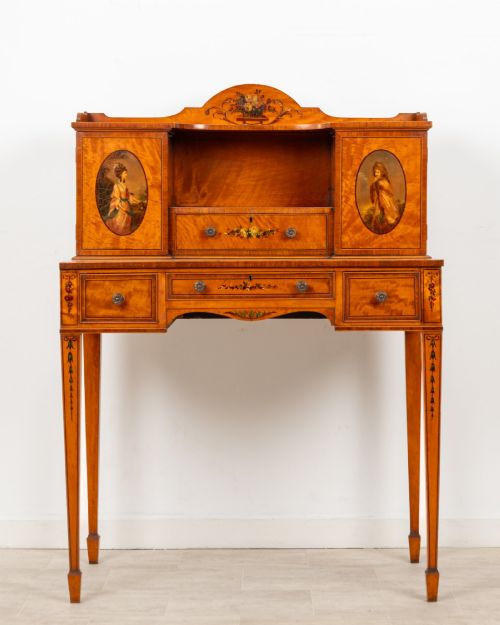
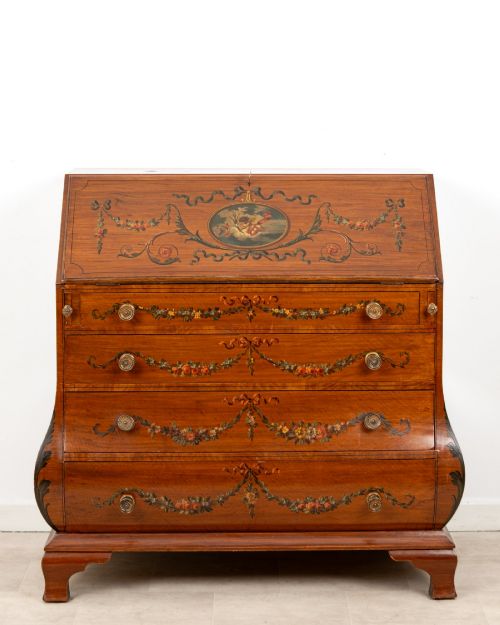
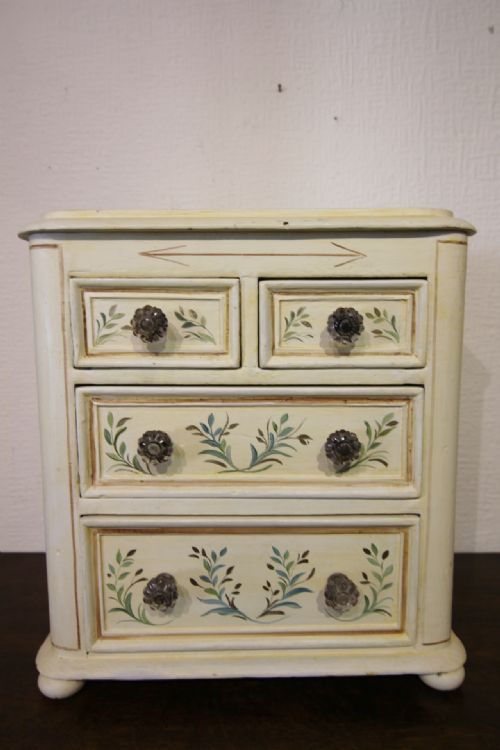
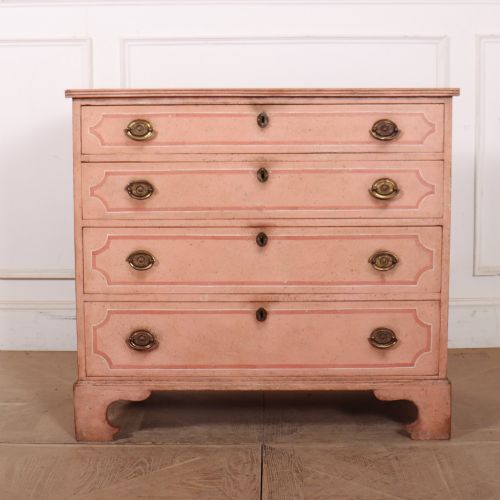
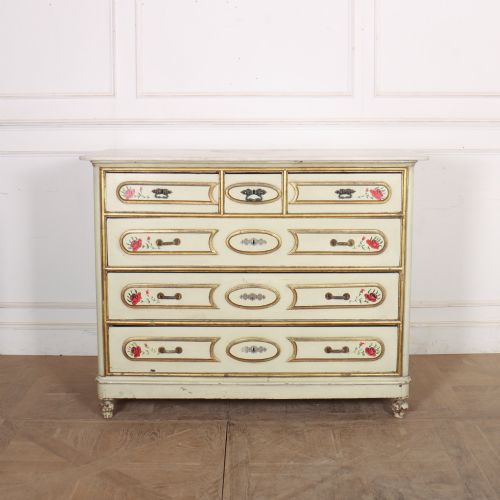
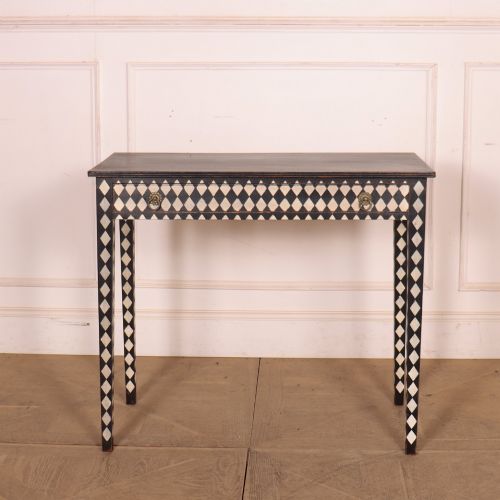
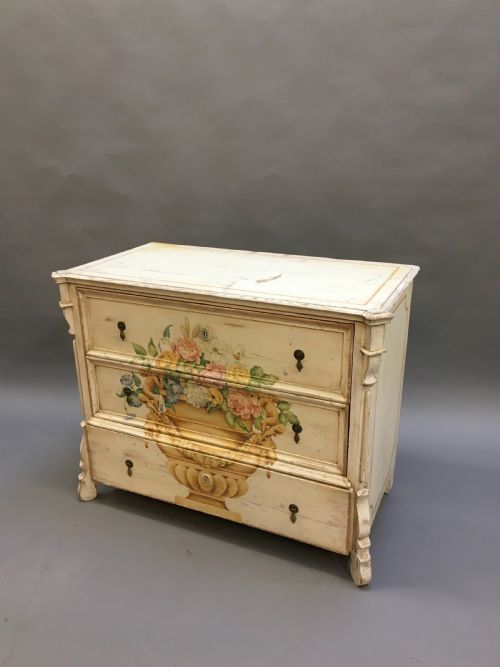
Hand painted drawers encompass a broad selection of storage furniture, primarily chests of drawers, commodes, writing desks, and side tables adorned with decorative brushwork. These pieces stretch from 18th-century Georgian examples through Victorian pine and Edwardian satinwood creations up to early 20th-century creations.
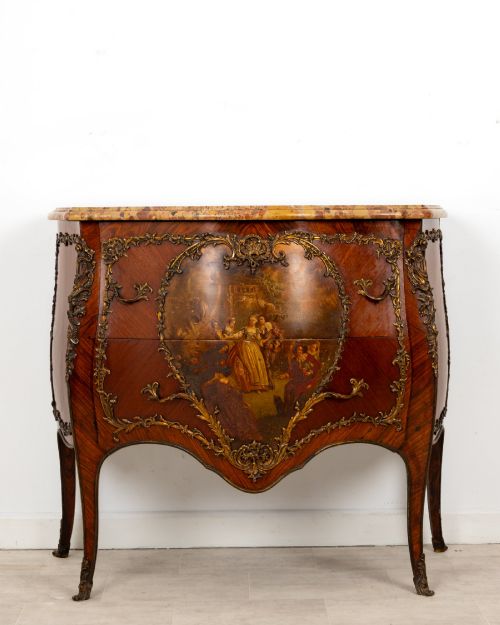
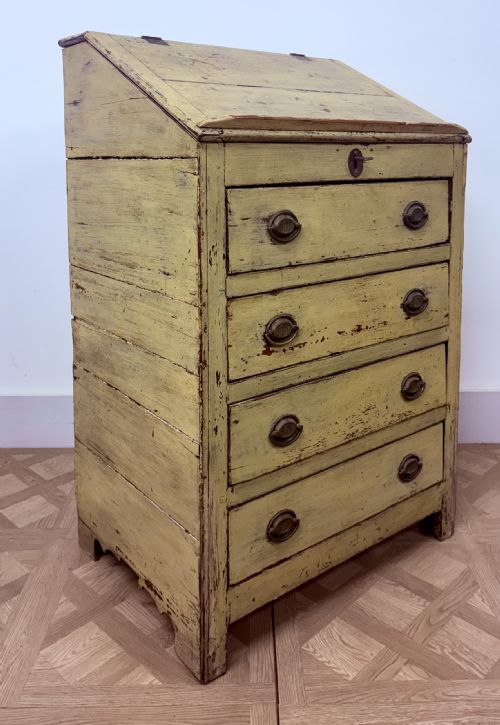
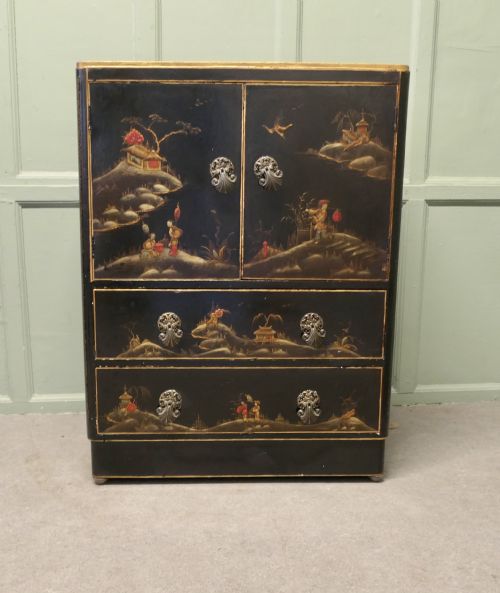
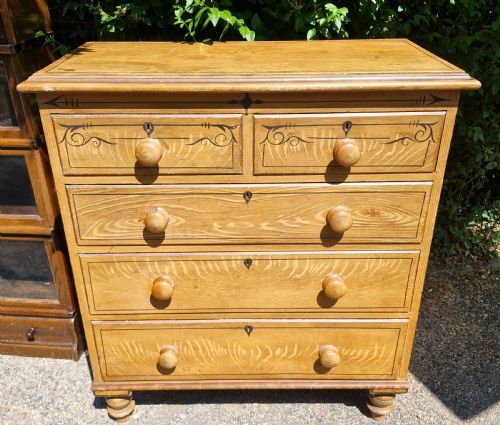
The aesthetic range is wide, moving from provincial English country pine and scumbled finishes to elaborate French Louis XV revival commodes, Swedish painted pieces, and black or cream chinoiserie lacquer. Buyers frequently encounter pine chests finished with original paint alongside satinwood desks carrying delicate hand-applied floral or geometric motifs.
How they were made
Construction relies heavily on traditional timber framing using pine, mahogany, satinwood, and ash for the main carcase and drawer structures. Metal handles in brass or gilt-bronze frequently complement the woodwork, while marble tops appear on select continental commodes.
Surface decoration involves direct application of paint, lacquer, or scumble over prepared wood grounds. Artisans employed hand brushwork, sign-writing, and japanning techniques to create scenes, geometric patterns, or simulated wood effects such as birch.
One cheerful Victorian pine chest carries hand sign-writing naming the Bluecoat School in Liverpool.
What varies in quality
Quality rests significantly on the integrity of the painted surface, distinguishing pieces retaining their original period decorative schemes from those subjected to later redecoration. The precision and delicacy of the brushwork itself, whether executed on an Edwardian satinwood desk or a Chinoiserie lacquer cupboard, dictate the artistic merit.
The underlying cabinet-making standards, including timber selection such as solid ash, mahogany or figured satinwood, dovetail construction, and matching brass hardware, determine the physical robustness of each chest.
GEMLA FABRIKERS·Shoolbred
The Hand Painted Drawers Glossary
- Chinoiserie
- European decorative style inspired by Chinese art, commonly featuring motifs of figures, landscapes, and pagodas rendered in lacquer on furniture.
- Scumble
- A translucent layer of paint dragged or manipulated over a base coat to create mottled, textured, or simulated wood grain effects on pine furniture.
- Japanning
- European imitation of Japanese and Chinese lacquering techniques, built up in layers of varnish and paint then cured and polished.
- Commode
- A low chest of drawers or cabinet, frequently associated with 18th and 19th-century French and continental designs.
- Satinwood
- A durable, lustrous yellowish timber native to India and Ceylon, frequently utilised during the Edwardian period for fine painted writing desks and cabinets.
Hand Painted Drawers: Frequently Asked Questions
How do I care for painted drawer surfaces?
Dust surfaces gently with a soft, dry cloth and avoid chemical cleaning agents that might soften old paint or lacquer.
Keep pieces away from direct sunlight and radiators to prevent the wood underneath from expanding and causing paint to crack.
Are painted chests of drawers practical for daily use?
Most antique chests provide robust storage for clothing or linens, supported by sturdy timber carcases and functional drawer runners.
Care should be taken with items placed on top surfaces, particularly on pieces featuring delicate satinwood or lacquered finishes.
How can I tell original paint from later decoration?
Original paint typically shows consistent craquelure, wear patterns, and surface integration matching the age of the underlying timber carcase.
Later decoration often rests on top of modern preparation layers or lacks the natural wear expected from centuries of handling.
What is the difference between Georgian and Victorian painted chests?
Georgian painted pieces often display restrained geometric top designs or subtle provincial decoration on mahogany or pine carcases.
Victorian examples frequently utilise scumbled pine, bold sign-writing, or distinct regional colours applied to solid ash and pine structures.