


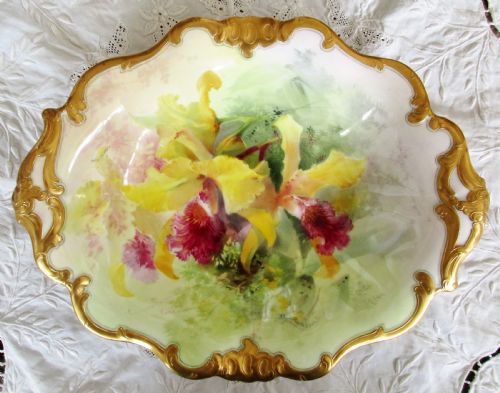
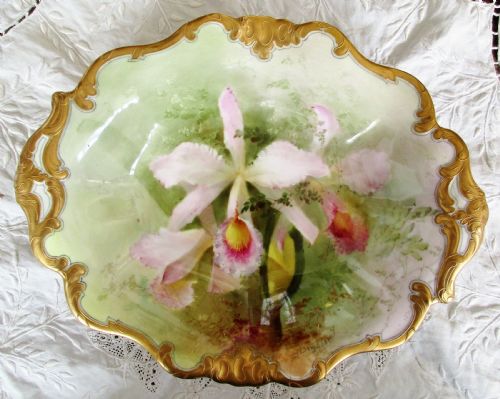
Floral Painted Bowl
A floral painted bowl brings centuries of hand-rendered blossoms to the table, uniting ceramic skill with botanical artistry.
Floral Painted Bowl
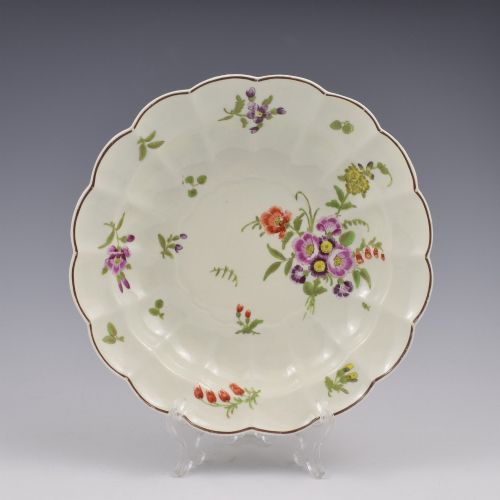
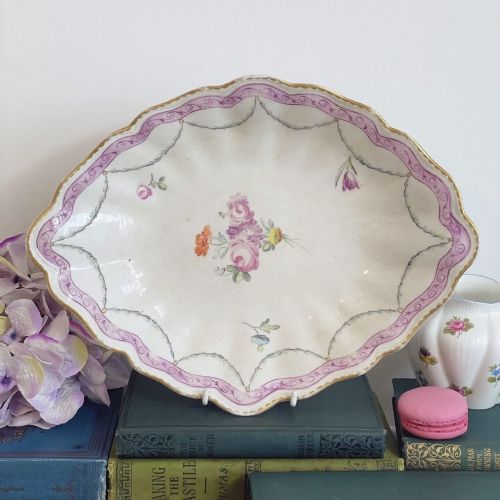
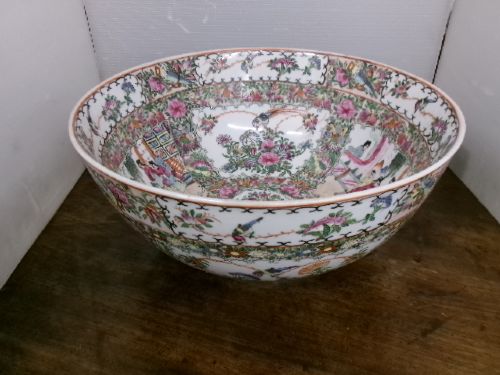
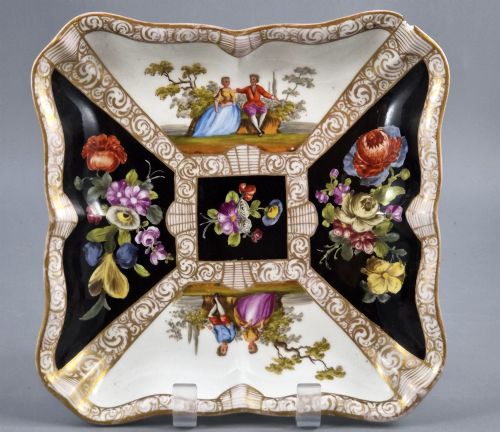
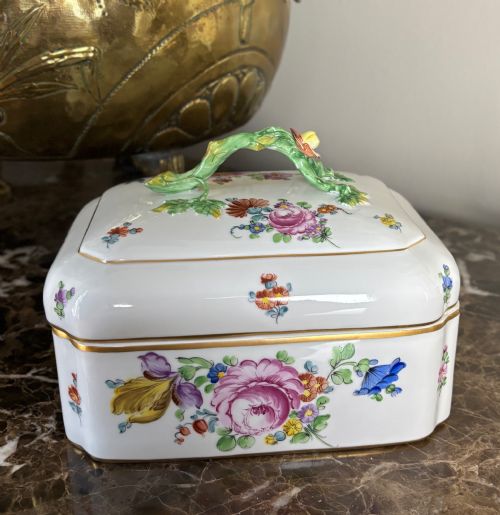
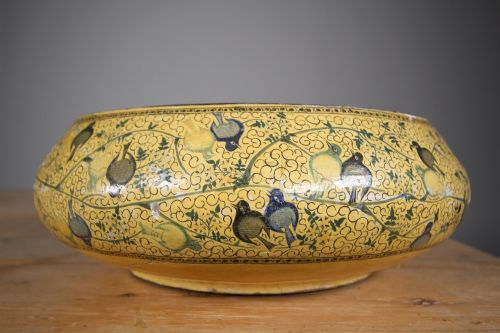
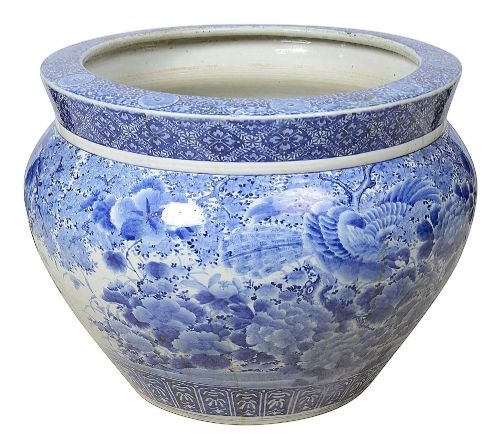
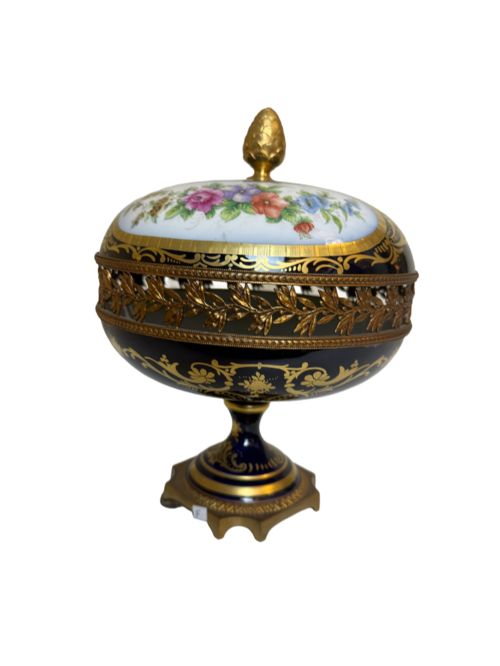
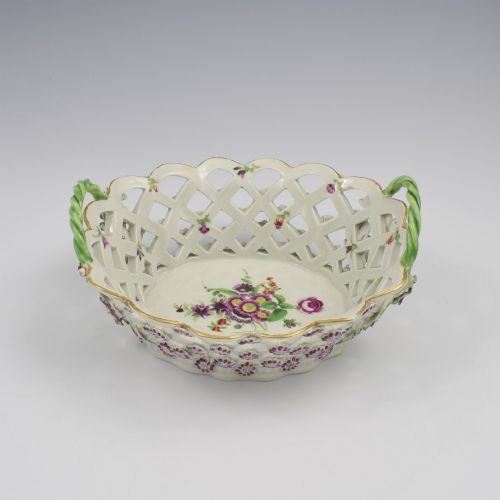
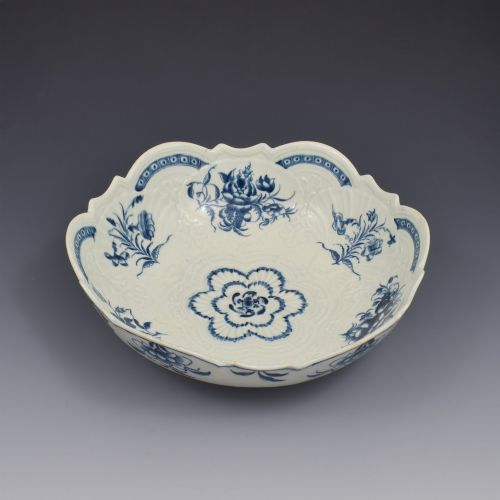
A floral painted bowl encompasses diverse vessels decorated with hand-rendered flowers, ranging from Chinese export porcelain to English earthenware and Japanese Imari ware. These pieces appear in forms such as deep serving bowls, scalloped dessert dishes, footed centrepieces, and lidded sugar boxes.
The selection spans centuries of production, drawing heavily from eighteenth-century manufactories like Worcester and Derby alongside nineteenth-century Japanese Satsuma and European porcelain houses. Buyers encounter both utilitarian vessels and cabinet pieces intended primarily for display.
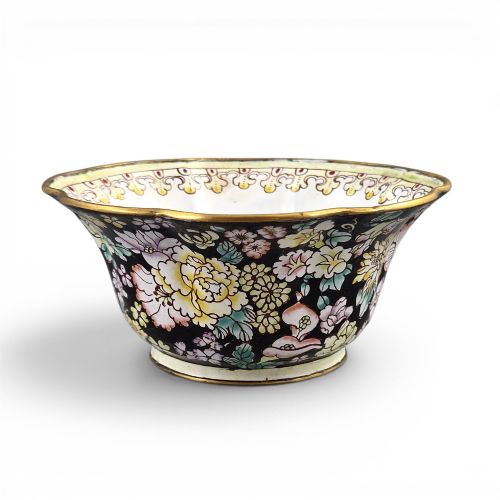
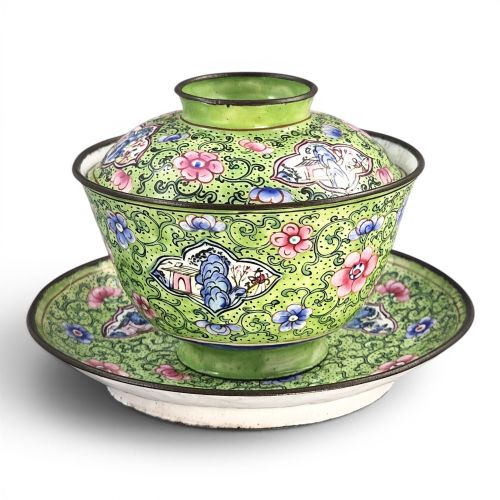
Vessels feature botanical motifs applied across various ceramic bodies and enamel-on-copper grounds. Stylistic influences shift from traditional East Asian floral arrangements to European Rococo revival curves and Victorian naturalism.
Materials and production techniques
Potters shaped these items from hard-paste and soft-paste porcelain, earthenware, and glass before applying intricate hand-painted designs. Artisans utilised polychrome enamels, underglaze cobalt blue, and applied gold leaf or gilding to accentuate the painted botanical scenes.
Firing techniques varied according to the medium, with European and Asian kilns utilising specialised glazes to achieve glossy or eggshell finishes. Painters worked directly onto the fired body or over the glaze, occasionally requiring multiple kiln firings to set complex colour palettes.
Some nineteenth-century artisans hid tiny painted beetles beneath the floral sprays, giving sharp-eyed hosts a quiet talking point.
Assessing quality and execution
Quality rests upon the precision of the brushwork and the vibrancy of the pigments used in the floral motifs. Master painters achieved subtle tonal variations and botanical accuracy that lift certain pieces above routine factory production.
The refinement of the ceramic body and the crispness of moulded elements like scalloped edges or relief gilding indicate the standing of the original maker. Preservation of the painted surface and minimal wear to gold leaf distinguish superior specimens.
Meissen·Royal Doulton·Royal Worcester·Paul Müller Selb·Mann Co
The Floral Painted Bowl Glossary
- Polychrome
- Decoration executed in multiple colours. This technique allows for realistic depictions of flowers and foliage across porcelain surfaces.
- Imari
- A style of Japanese export porcelain featuring underglaze blue and iron red combined with gold. Floral and brocade patterns dominate this aesthetic.
- Gilt
- A thin layer of gold applied to ceramic rims or highlights. It enhances the decorative presentation of the bowl.
- Junket dish
- A shallow vessel traditionally used for serving sweet curd or dessert. These often feature lobed or fluted rims suited to floral painting.
- Enamel
- Opaque glass fused to metal or ceramic substrates through firing. It provides a durable ground for brightly coloured botanical designs.
Floral Painted Bowl: Frequently Asked Questions
How are these bowls dated?
Dating relies upon identifying factory marks, stylistic traits, and the composition of the ceramic body. Stylistic shifts between eighteenth-century Rococo and nineteenth-century Victorian designs provide reliable chronological markers.
Secondary indicators include glaze characteristics, colour palettes, and known decorator signatures. Comparing pieces to documented archives helps narrow the production window.
Were these bowls meant for food?
Many early pieces, such as punch bowls and dessert dishes, served functional roles at dining tables. Hand-painted serving vessels held food or liquids during formal meals.
Over time, numerous examples transitioned into cabinet pieces or centrepieces kept solely for display. Fragile gilding and delicate enamels often led owners to retire them from active dining use.
How should I clean a painted bowl?
Maintenance requires gentle hand washing in lukewarm water with mild soap. Harsh detergents and abrasive sponges will damage delicate overglaze enamels and wear away gold leaf.
Submerging antique pieces for extended periods is strictly discouraged. Drying them immediately with a soft cloth prevents moisture damage to older ceramic bodies.
What defines Japanese Imari ware?
Japanese Imari porcelain is characterised by a distinct palette of cobalt blue, iron red, and supplementary gold. Floral panels and intricate botanical motifs are arranged in symmetrical or medallion formats.
Production flourished during the Meiji period and earlier, heavily influencing European ceramic decoration. The heavy use of contrasting colour makes these bowls instantly recognisable.