


Floral Ceramic Art Vase
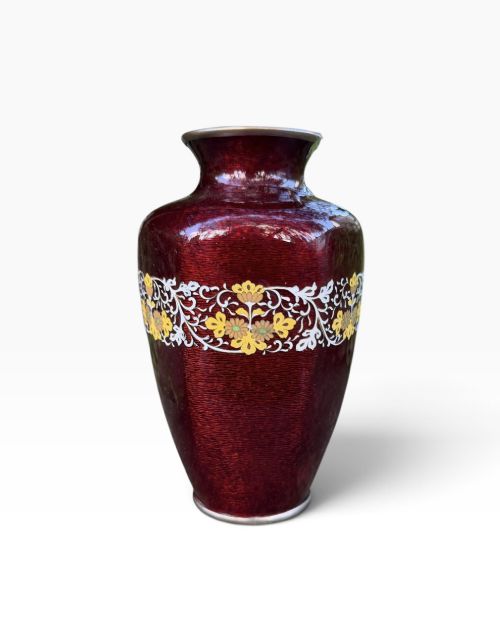
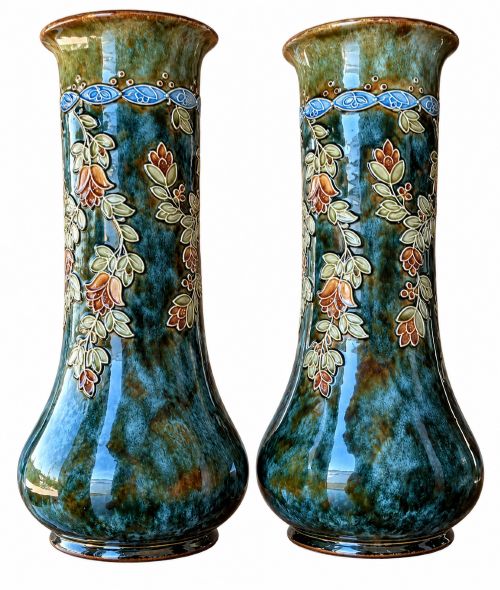
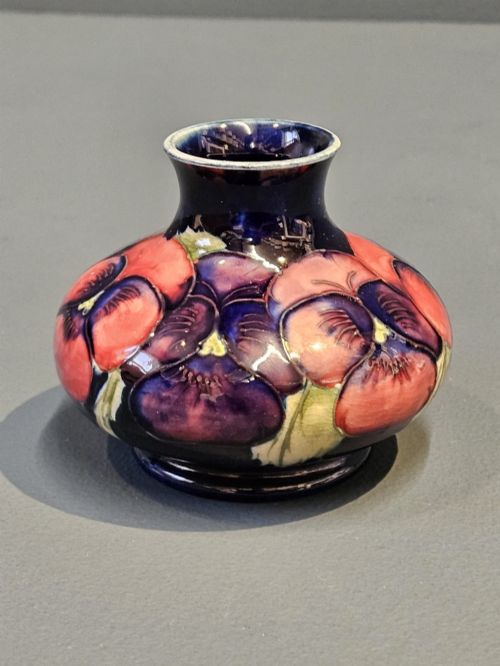
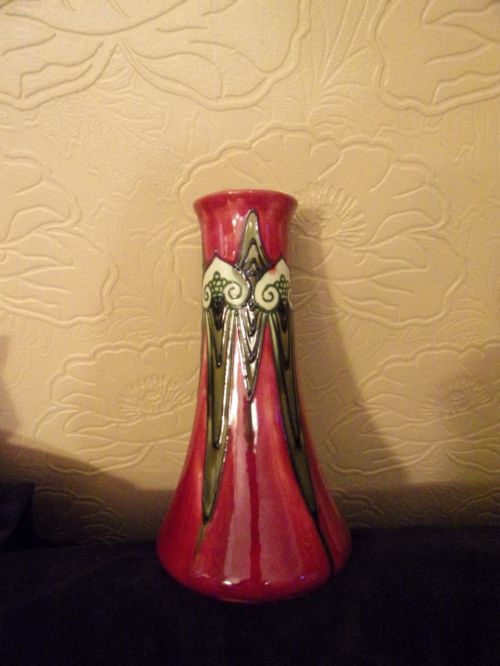
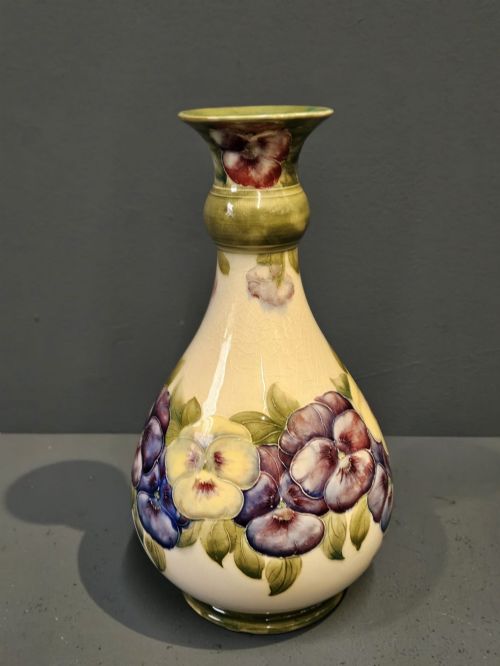
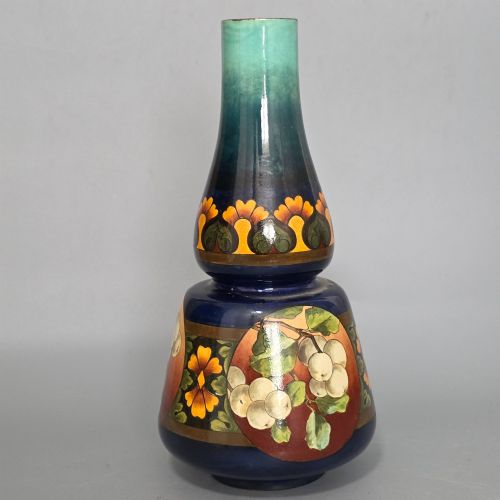
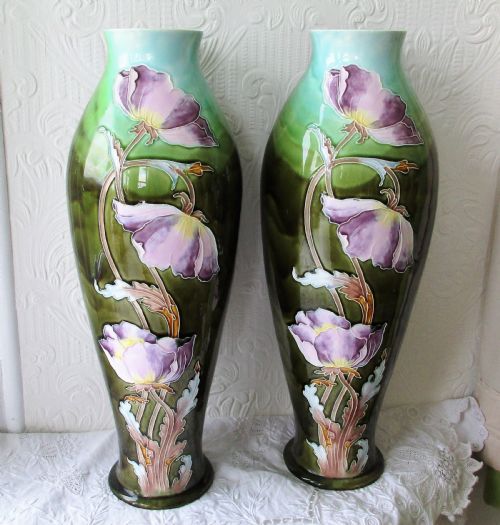
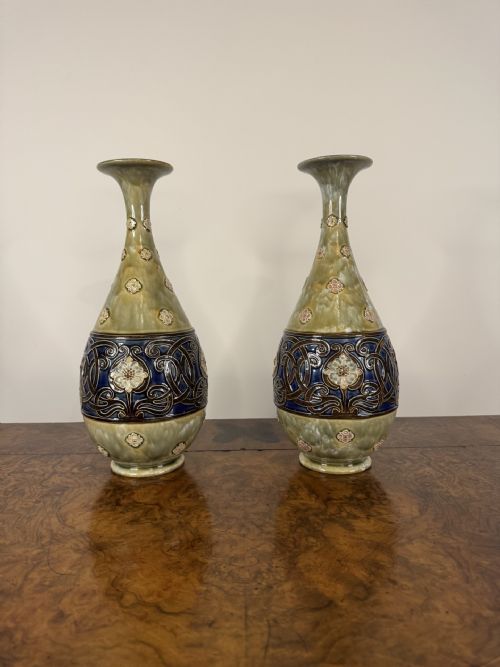
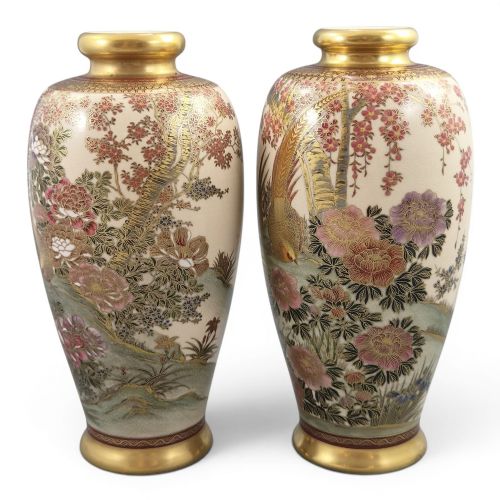
These floral ceramic art vase pieces combine botanical decoration with decorative pottery forms from periods spanning the late nineteenth century to the twentieth century.
Floral Ceramic Art Vase
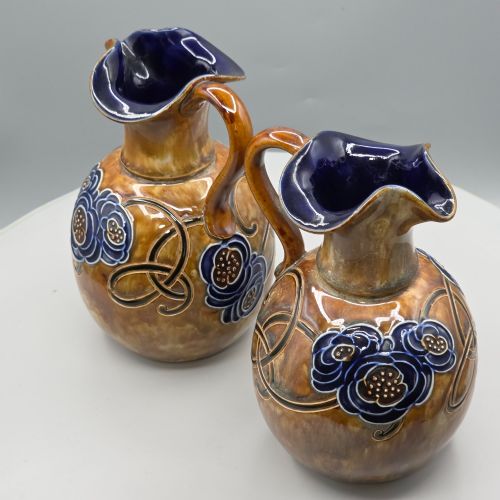
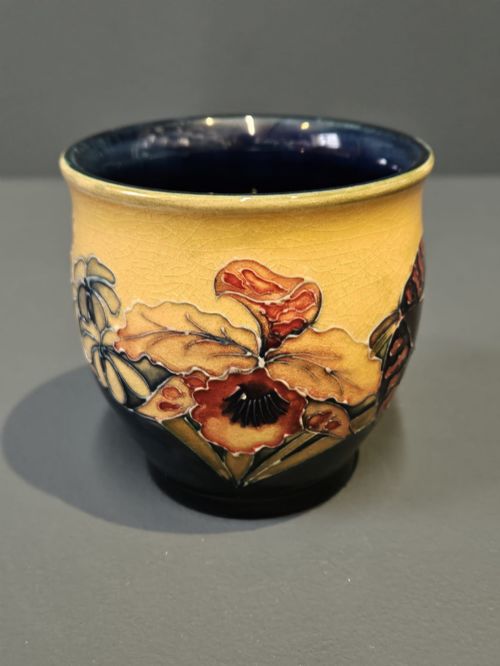
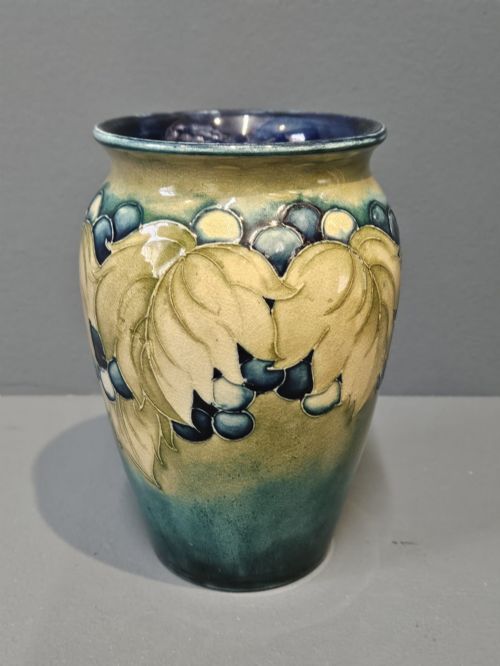
A floral ceramic art vase is a vessel formed from clay and decorated with plant or flower motifs, appearing in forms such as baluster vases, jugs, and ewers. When you search for a floral ceramic art vase, you will encounter diverse regional productions, from British studio pottery to continental porcelain and earthenware.
The pieces on this page originate from periods including the Victorian, Edwardian, and the early decades of the twentieth century. Art Nouveau and Arts and Crafts styles dominate the selection, alongside Art Deco and Meiji period examples.
How They Were Made
Makers utilised earthenware, stoneware, and porcelain bodies, shaping them into vessels before applying glazes, enamel, and occasionally gold leaf. Techniques such as tube lining created raised outlines for floral patterns, while faience methods allowed intricate hand-painted botanical designs to be fired onto the ceramic surface.
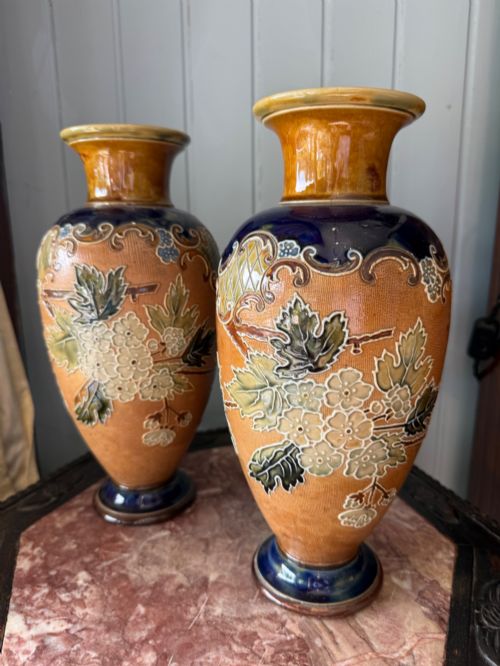
Specialised surface treatments like Slaters Patent incorporated textured lace impressions into the clay body. Artists combined these textured grounds with smooth enamel floral decoration to achieve contrast across the vessel.
Listings feature stoneware, earthenware, and porcelain materials decorated with glazes, enamel, and gold leaf.
What Varies in Quality
Quality in these ceramics rests upon the execution of the hand-painted or tube-lined botanical motifs and the crispness of the moulded form. Pieces decorated by named artists or produced in specific studio workshops display greater refinement in glaze application and floral detail.
The sophistication of the design, whether following flowing Art Nouveau curves or geometric Art Deco lines, distinguishes standard production from exceptional studio output.
Royal Doulton·Moorcroft·Minton·Ernst Wahliss·Wileman
The Floral Ceramic Art Vase Glossary
- Stoneware
- A dense, vitreous ceramic fired at high temperatures that is impermeable to liquids even without glaze. It forms a durable base for relief decoration.
- Faience
- Tin-glazed earthenware decorated with painted designs before a final glaze firing. This technique produces vibrant colours on ceramic surfaces.
- Tube-lining
- A decorative technique where liquid clay is squeezed through a nozzle onto a ceramic body to outline patterns. It creates raised borders that contain enamel colours.
- Baluster
- A vertical architectural form featuring a rounded lower body that tapers upward to a narrow neck. Many vases utilise this traditional silhouette.
Floral Ceramic Art Vase: Frequently Asked Questions
What is a floral ceramic art vase?
A floral ceramic art vase is a pottery vessel decorated with flower or plant motifs, produced primarily during the late nineteenth and early twentieth centuries.
These pieces reflect design movements such as Art Nouveau, Arts and Crafts, and Art Deco, utilising materials like stoneware and earthenware.
How do I identify Art Nouveau vases?
Art Nouveau vases feature asymmetric floral designs, flowing organic lines, and naturalistic plant forms inspired by stems, leaves, and blossoms.
Potters often used tube-lining or fluid glazes to emphasise these dynamic botanical curves.
What is stoneware pottery?
Stoneware is a robust ceramic material fired at high temperatures until the clay body vitrifies and becomes non-porous.
It provides a sturdy foundation for applied enamel decoration and textured surface patterns.
How should I display these vases?
These decorative vessels suit placement on mantels, side tables, or shelving where their botanical motifs and forms can be viewed closely.
Lighting that highlights the glaze quality and surface texture enhances their visual appeal in a room.