

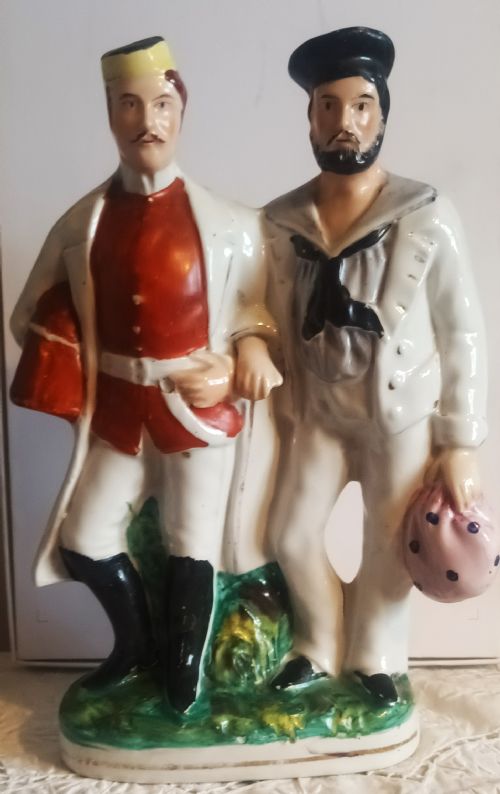
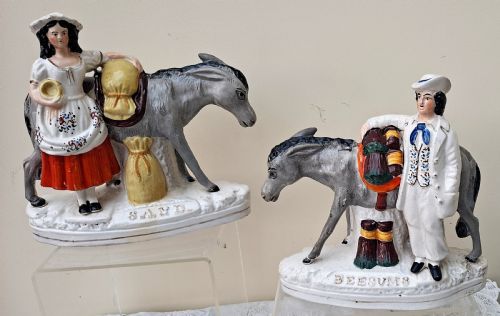

Flatback Pottery Figure
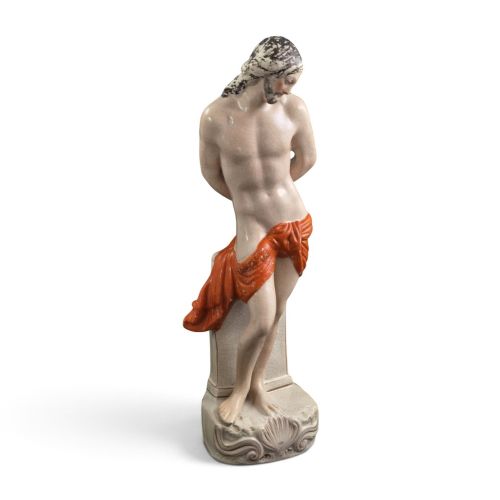
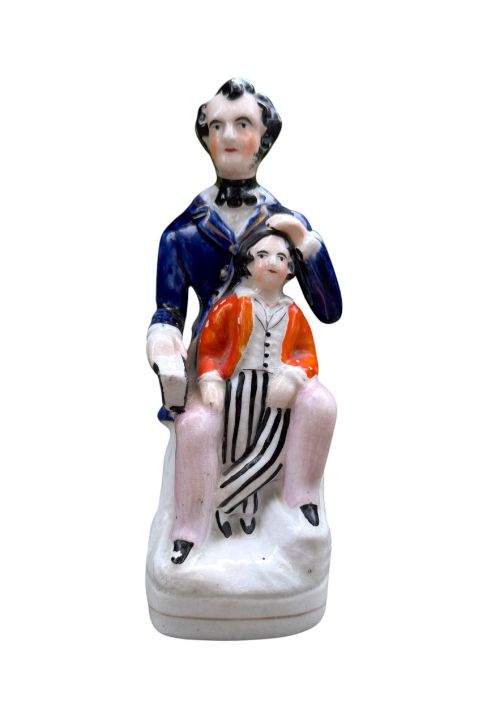
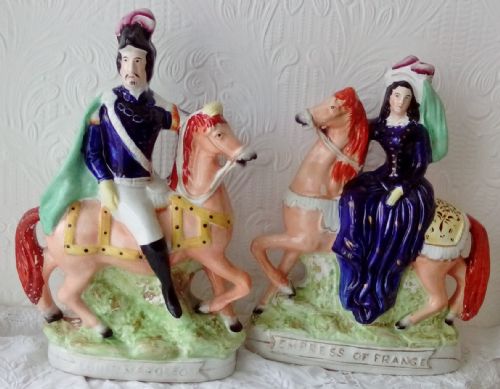
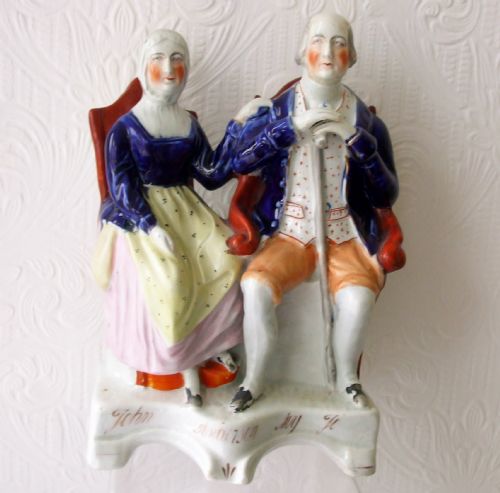
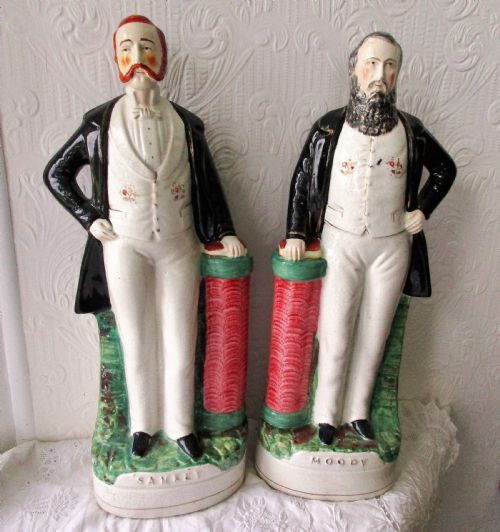
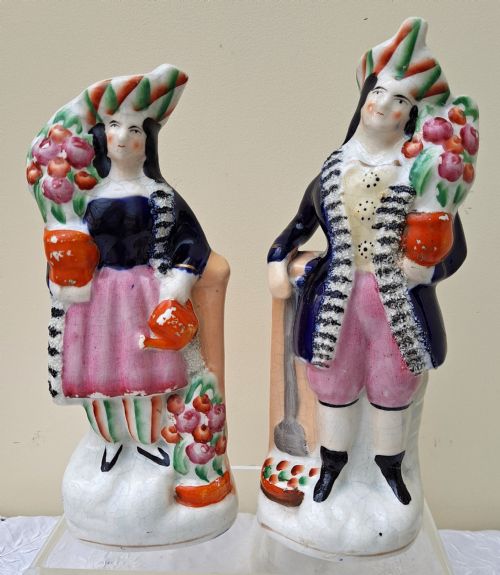
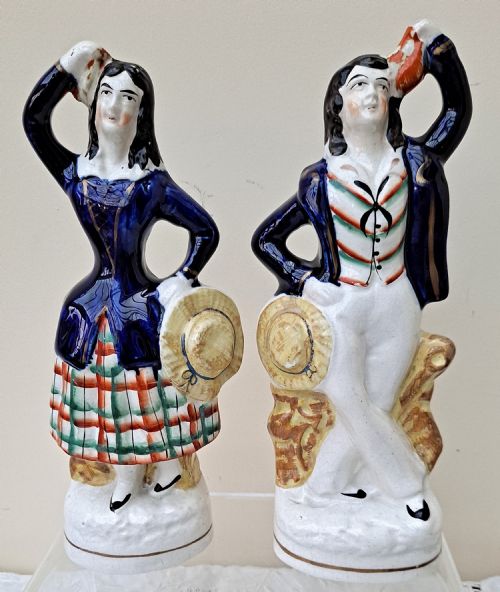
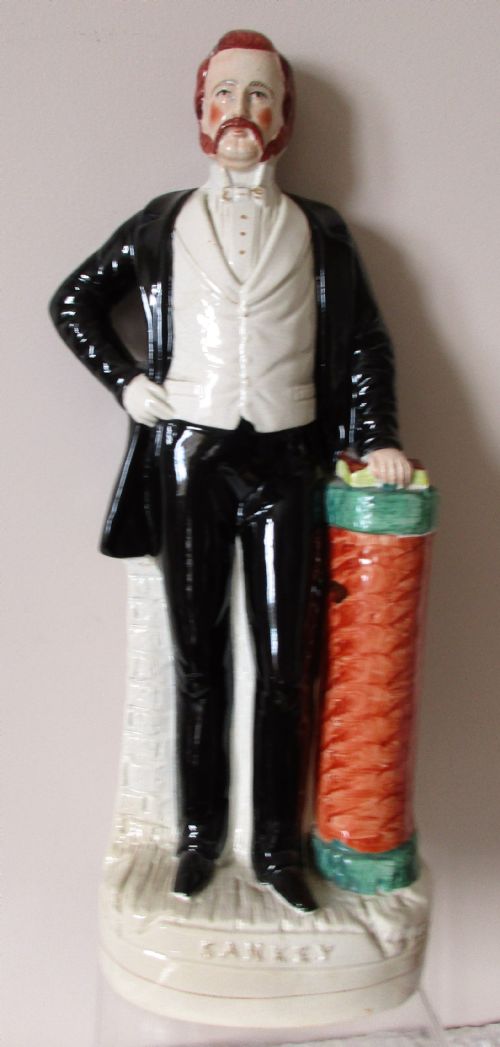
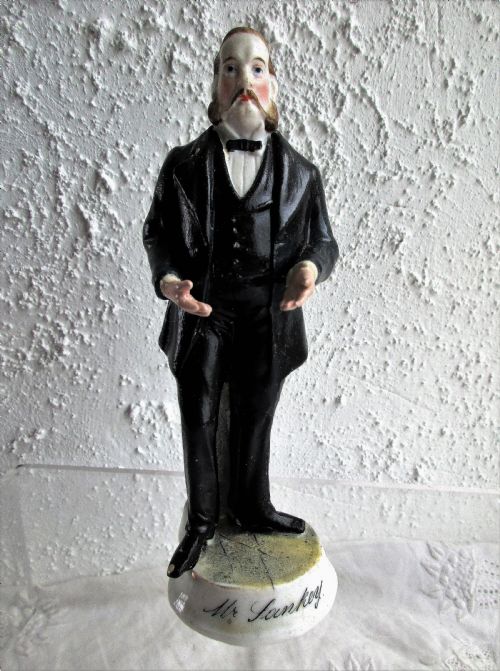
These flatback pottery figure examples are charming ceramic shelf ornaments shaped to be seen from the front alone, bringing Victorian storytelling directly into the room.
Flatback Pottery Figure
A flatback pottery figure is an earthenware ornamental piece designed during the nineteenth century to sit neatly against a mantelpiece wall, leaving the reverse largely unglazed and flat. The listings here consist entirely of Victorian examples, spanning the decades from eighteen-fifty to nineteen-hundred.
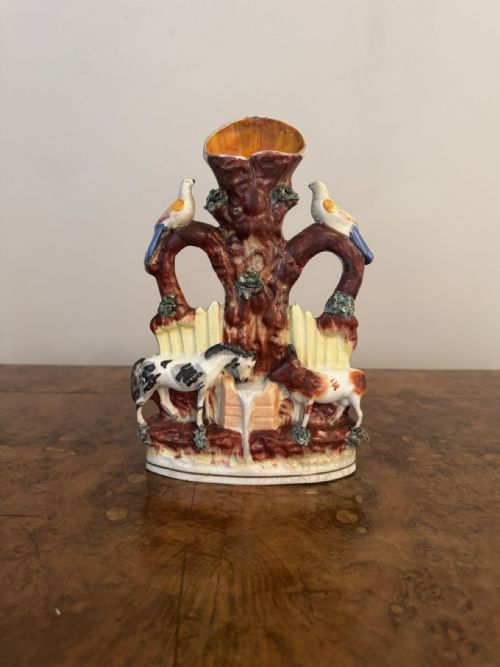
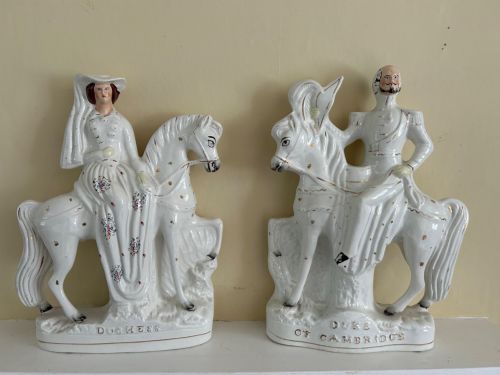
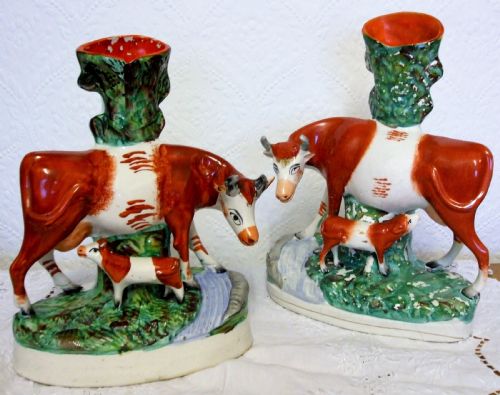
Subjects range widely across Victorian life, depicting royal portraits, military leaders, literary characters, and theatrical personalities alongside domestic animals, cottages, and castles. Spill vases and watch holders also appear frequently within these forms, serving practical household uses alongside pure decoration.
Materials and construction
Potters built these pieces using earthenware clay, pressing the material into moulds to shape figures, animals, and architectural structures like castles and cottages. Once shaped, the pieces received hand-painted enamel colours and rich glazes before firing.
The listings span the Victorian period from eighteen-fifty to nineteen-hundred, utilising earthenware, lead glaze, and enamel paint.
Assessing quality in the modelling
Size and ambition also separate standard domestic ornaments from impressive mantelpiece centrepieces, particularly in large portrait groups or detailed pairs like spill vases featuring animals and architectural models.
The Flatback Pottery Figure Glossary
- Flatback
- A ceramic figure moulded with a finished front and a plain, unglazed reverse intended to stand against a wall.
- Spill vase
- A hollow ceramic tube incorporated into a figure group, designed to hold wooden spills for lighting pipes or candles.
- Earthenware
- A porous pottery body fired at lower temperatures, standard for nineteenth-century Staffordshire production.
- Watch holder
- A figural ceramic stand featuring a small hook or recess near the top to suspend a pocket watch.
Flatback Pottery Figure: Frequently Asked Questions
Where were flatback pottery figures displayed?
These ceramic figures sat primarily on parlour mantelpieces, where the flat reverse allowed them to rest flush against the wall.
Cabinet tops and sideboard surfaces also accommodated these colourful ornaments, brightening Victorian living spaces.
Why are the backs unglazed?
Leaving the reverse flat and unglazed lowered production costs and saved precious kiln space during manufacture.
Makers knew these pieces would be viewed solely from the front on a high shelf.
How do I date these figures?
Dating relies on matching historical events, royal marriages, or military conflicts recorded in the titles to specific nineteenth-century periods.
Stylistic markers in the enamel colours and the crispness of the earthenware moulding provide further chronological clues.
What subjects are most common?
Royalty, military heroes, and literary characters dominate the portrait subjects found across the nineteenth-century selections.
Animals, country couples, and fairytale figures like Red Riding Hood also appear regularly in domestic interiors.