





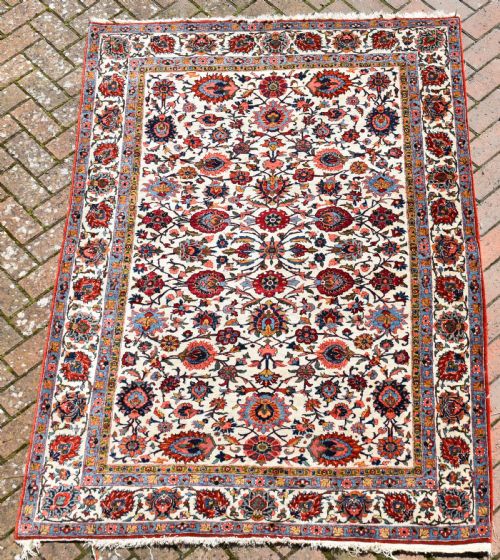


Fine Woven Floor Carpet
A fine woven floor carpet brings enduring texture and regional design into a room, spanning traditional Persian origins to Central Asian tribal work.
Fine Woven Floor Carpet
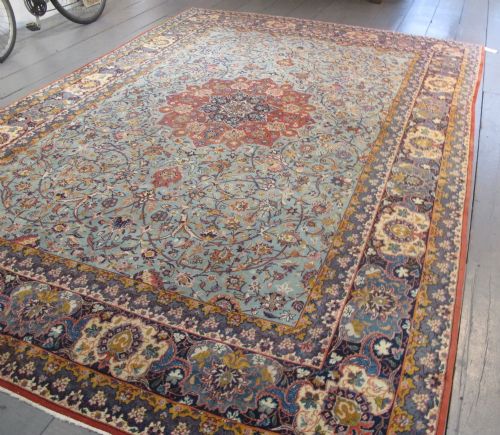
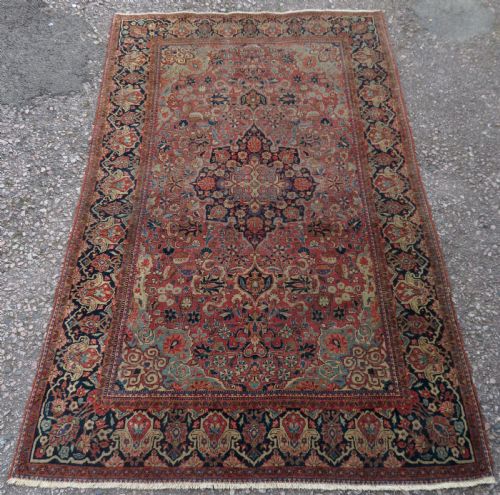
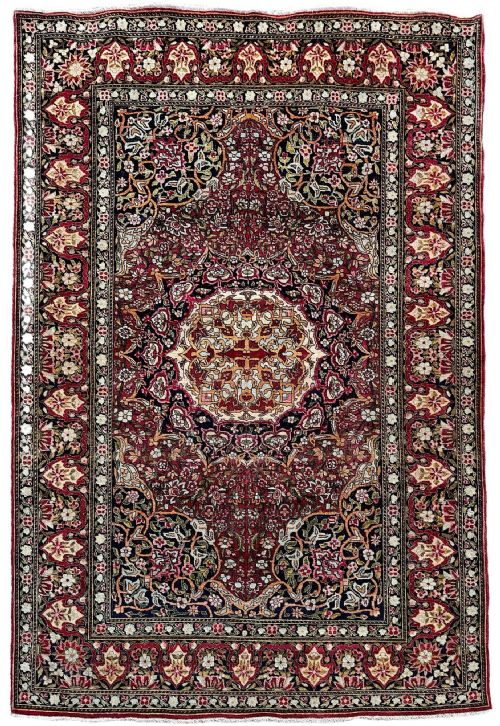
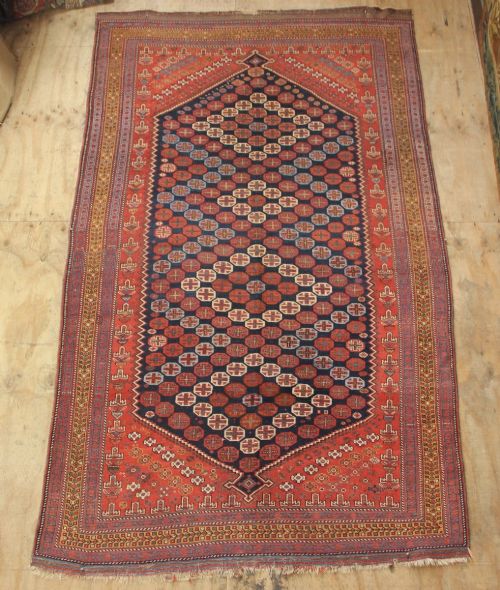
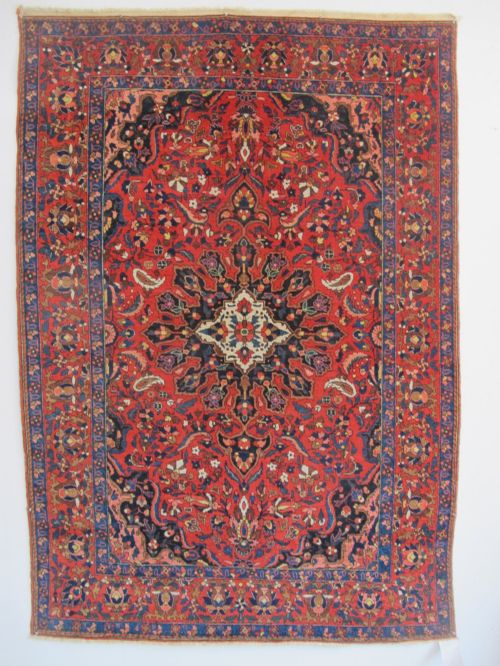
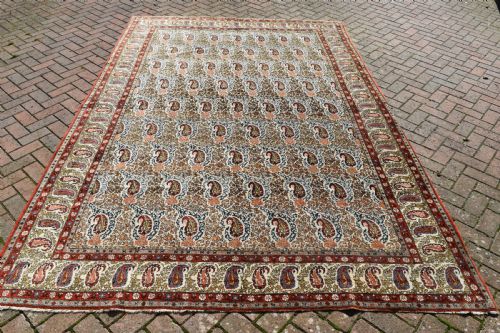
When searching for a fine woven floor carpet, you encounter room-sized carpets, area rugs, and flatweave kilims originating primarily from Persia, alongside Central Asian and Anatolian centres. These textiles represent centuries of regional weaving traditions, with Persian town and tribal pieces dominating the selection.
The pieces available span from the late nineteenth century through the mid-twentieth century, capturing periods such as the Qajar era and decades marked by skilled village and workshop production. You find specific provenances like Isfahan, Tabriz, Qum, Senneh, and Bidjar among the listings.
Forms range from compact scatter rugs measuring under two metres to expansive room-size carpets exceeding four metres in length. This variety accommodates different interior spaces while maintaining dense knotting and intricate ornamental schemes.
Materials and construction
These floor coverings are constructed primarily from wool, cotton, and occasional silk, utilised for pile and foundation structures. Wool provides resilient pile density, while cotton serves dependable warp and weft foundations.
Weavers employed traditional hand-knotting and flatweave techniques across regional workshops and tribal camps. Dense knot counts define the finer examples, creating crisp medallion and all-over field patterns.
Fine Woven Floor Carpet Retail Price Guide 2026
Typical asking prices for fine woven floor carpet among the pieces listed under this phrase on Sellingantiques today, from the lower quarter to the upper quarter. They describe what is for sale here now, not the wider market.
Listings feature pieces spanning from the 1870s to the 1940s, utilising wool, cotton, and silk materials.
Differentiating factors in quality
Quality rests upon knot density, material selection, and the precision of the design execution. Tightly packed knots allow intricate curvilinear motifs and geometric borders to remain sharp and legible.
The choice of materials also elevates a piece, particularly lustrous wool or fine silk highlights. Furthermore, the distinct identity of named regional origins such as Isfahan, Mohtasham Kashan, or Hajji Jalili influences the standing of individual carpets.
Mohtasham Kashan·Hajji Jalili
The Fine Woven Floor Carpet Glossary
- Kilim
- A flatweave carpet or rug produced without a pile, often featuring geometric bands and tribal motifs. These textiles rely on interlocking weft threads to form crisp colour transitions.
- Warp
- The stationary vertical threads stretched on a loom that form the structural foundation of the carpet. The exposed ends of these threads frequently form the fringe.
- Weft
- The horizontal threads passed alternately over and under the warp threads to hold the knots in place. Beating the weft down firmly ensures structural integrity.
- Pile
- The upright cut or uncut ends of yarn that form the usable surface of a carpet. The height and density of this layer determine the tactile weight.
- Medallion
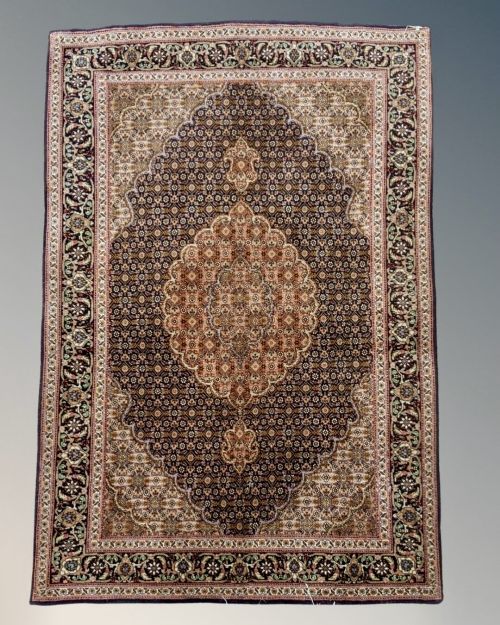
- A symmetrical ornamental motif placed at the centre of the carpet field. This central design element directs the visual composition of many Persian rugs.
Fine Woven Floor Carpet: Frequently Asked Questions
How do I identify a Persian carpet?
Examination of the knotting technique, specific floral or geometric motifs, and regional colour palettes helps identify Persian provenance. Town pieces often display intricate central medallions, whereas tribal examples lean towards geometric repetition.
Studying the materials, such as fine wool on cotton foundations, further confirms traditional Persian origins across different nineteenth and twentieth-century periods.
What is the difference between a rug and a carpet?
Terminology often distinguishes pieces by physical dimensions, with carpets generally denoting room-sized floor coverings and rugs referring to smaller formats. Both share identical hand-knotted or flatwoven construction methods.
Scale dictates the primary application within a room, but structural techniques remain consistent across both designations.
How do I care for an antique wool carpet?
Routine gentle vacuuming without a beater bar removes surface dust safely from the wool pile. Professional cleaning by specialists in antique textiles preserves the natural fibres and dyes.
Avoiding prolonged direct sunlight prevents premature fading of natural wool and silk tones over time.
What does flatweave mean?
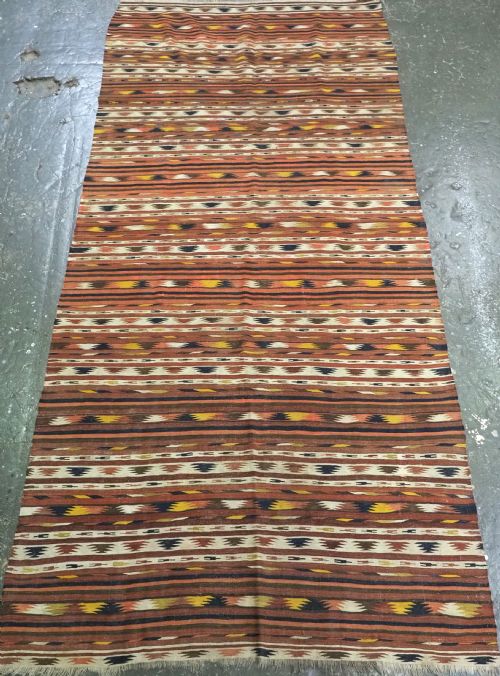
A flatweave textile has no raised pile, constructed instead by interlacing warp and weft threads together tightly on a loom. This results in a thinner, reversible fabric.
Styles like kilims utilise this method to create sharp geometric patterns without the plush texture of knotted pile carpets.