


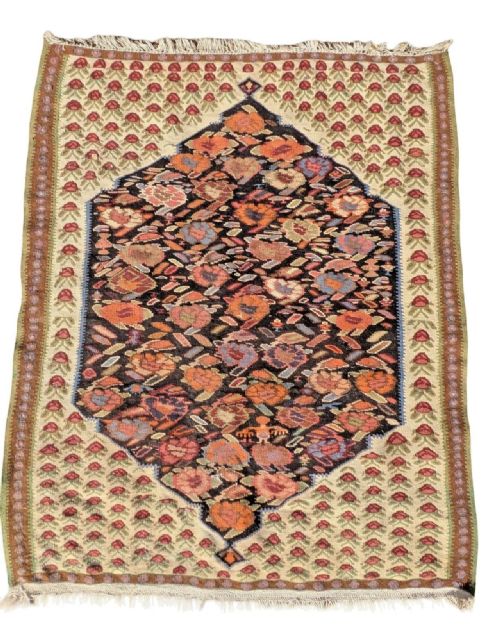
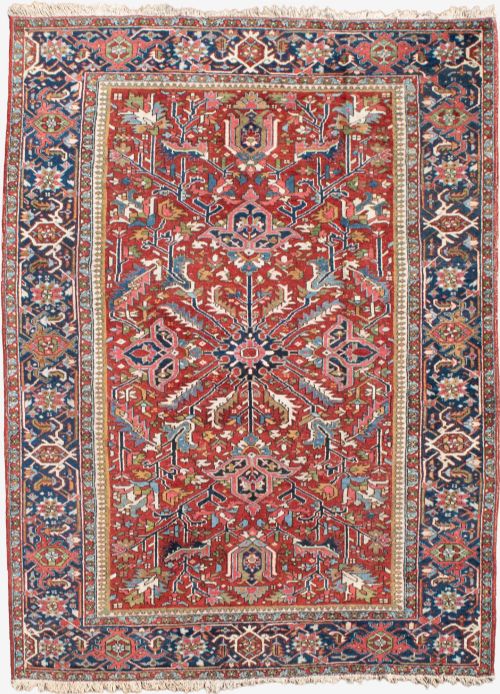
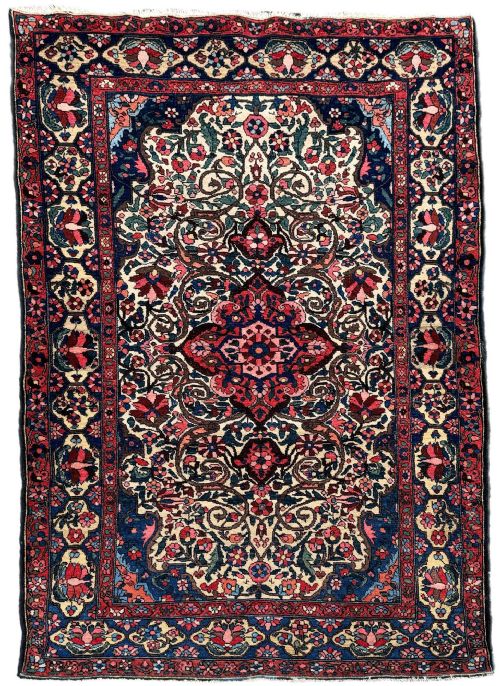
Persian Floral Medallion Rug
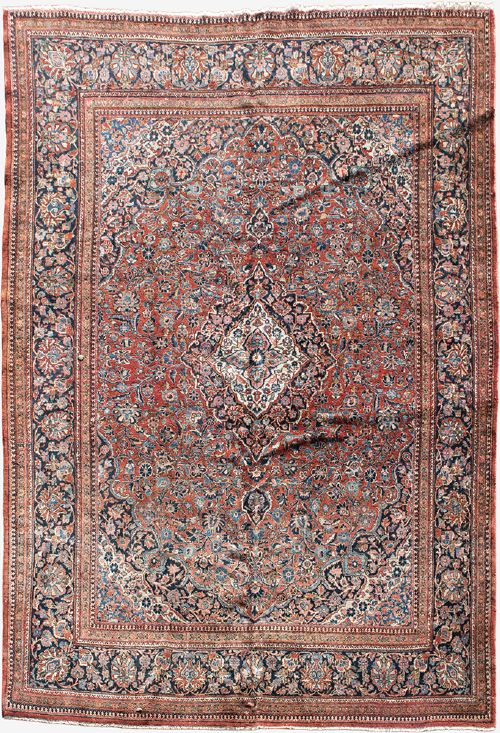
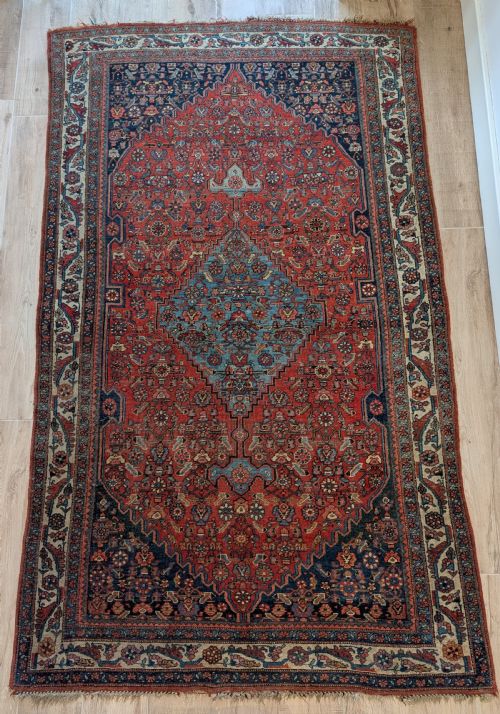
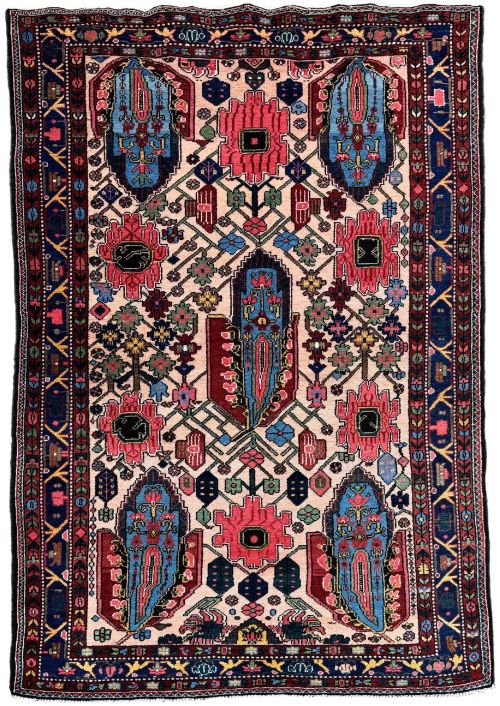
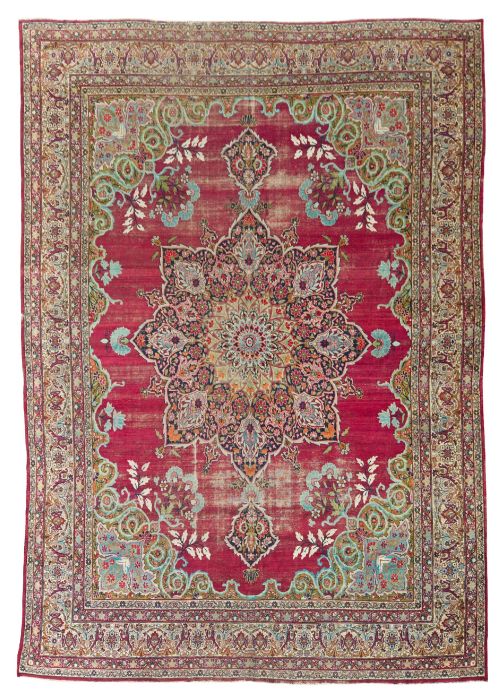
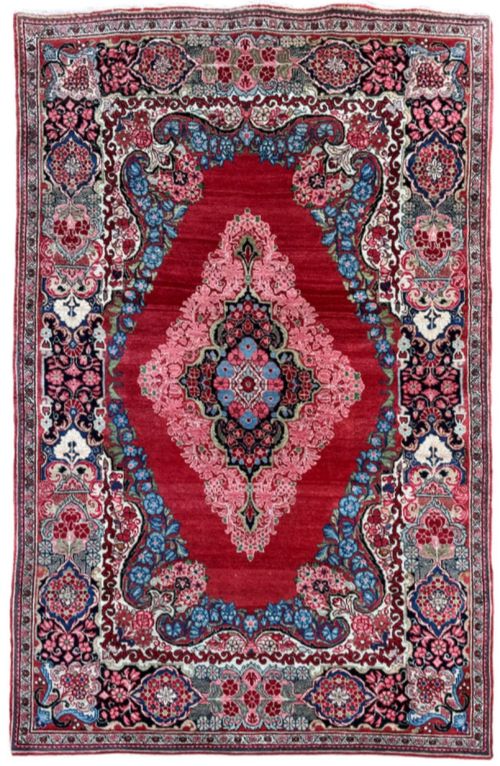
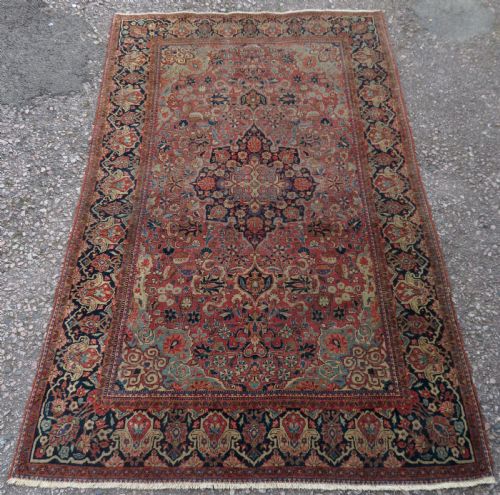
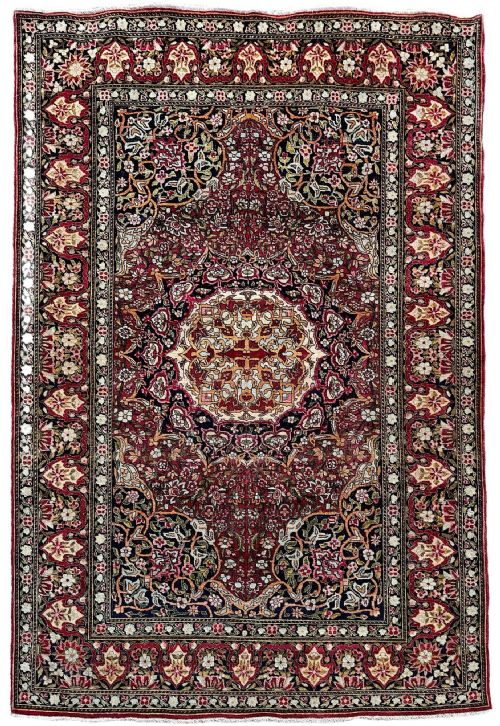
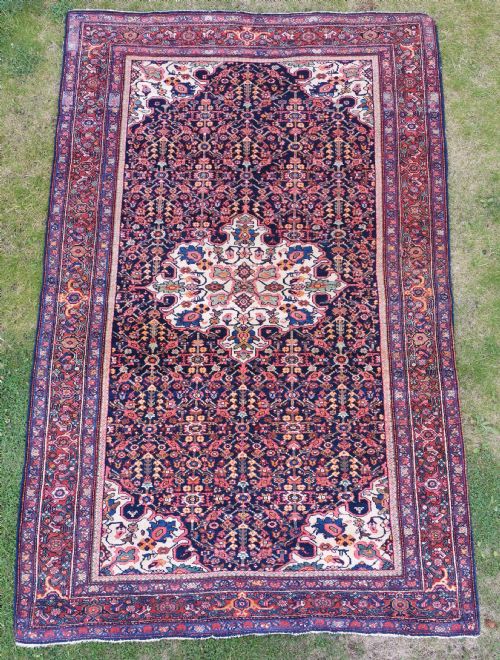
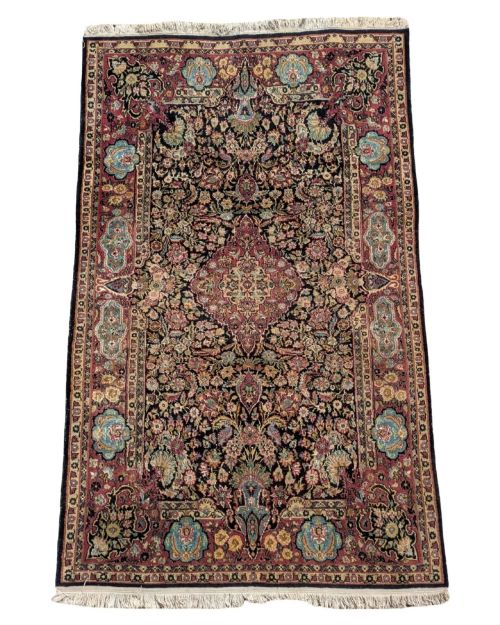
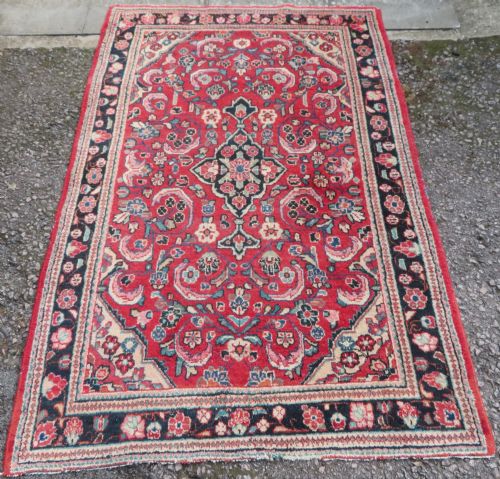
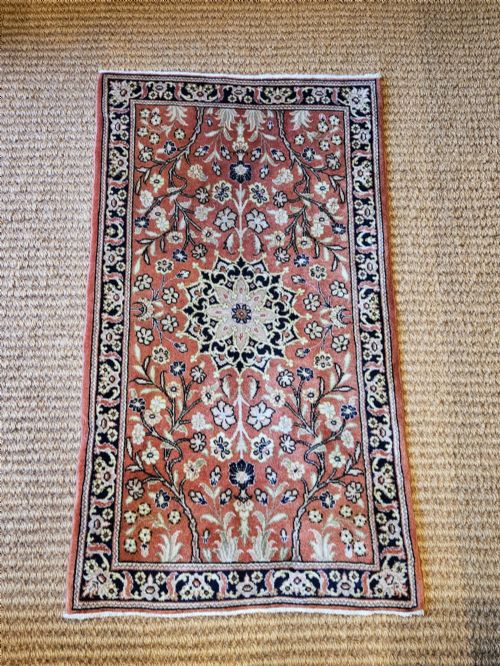
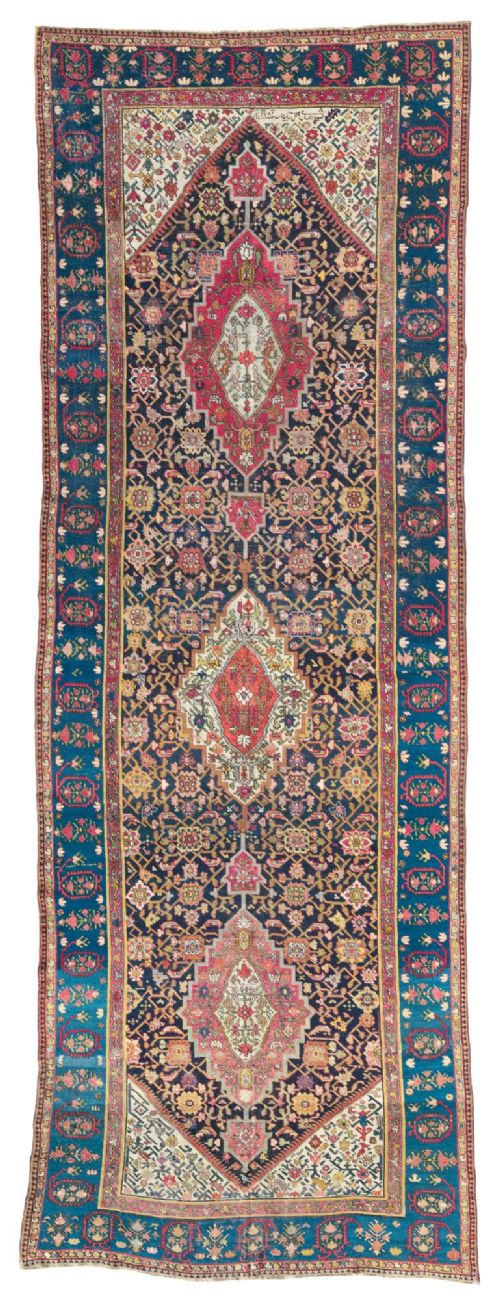
Every persian floral medallion rug centres on a classic geometric or curvilinear pendant design set within hand-woven wool and cotton foundations.
Persian Floral Medallion Rug
A persian floral medallion rug encompasses regional village and city weaving traditions from centres such as Tabriz, Isfahan, Kashan, Bakhtiar, Mahal, Heriz and Kirman, alongside Kashmiri and Indian interpretations. These textiles span runner rugs, area formats, hearth sizes, pictorial pieces and large room-sized carpets.
The version most commonly met on this page is the room-sized or scatter carpet originating from West Persia or specific workshops, bearing a central ornamental motif surrounded by floral field patterns and intricate borders. Pieces date from the nineteenth century through the early decades of the twentieth century.
Materials and construction
Construction relies upon hand-knotted pile utilising pure wool, sometimes accented with silk highlights, set against sturdy cotton warps and wefts. Certain items employ wool felt or function as flat-woven kilims.
Weavers utilised natural and vegetable dyes to achieve the soft pastel hues and rich tones seen across these carpets, binding the pile firmly to the woven foundation.
Persian Floral Medallion Rug Retail Price Guide 2026
Typical asking prices for persian floral medallion rug among the pieces listed under this phrase on Sellingantiques today, from the lower quarter to the upper quarter. They describe what is for sale here now, not the wider market.
Object types recorded across these entries include runners, pictorial rugs, kilims, and room-sized carpets from various Persian and regional traditions.
Qualities of distinction
Quality rests upon knot density, the precision of the central medallion geometry and the depth of the dye palette used across the wool and silk fibres. Finer village and city workshops achieved superior drawing clarity in the floral motifs.
The integrity of the foundation and the balance of the border proportions elevate certain carpets above standard room-sized examples.
Benlian
The Persian Floral Medallion Rug Glossary
- Medallion
- The central ornamental motif dominating the field of the rug. It anchors the symmetrical layout of floral and vine scrolls.
- Warp
- The vertical threads stretched tightly on the loom that form the structural skeleton of the carpet. Cotton is the standard material for these foundation threads.
- Weft
- The horizontal threads passed across the warp after rows of knots are tied. They bind the knots securely in place.
- Kilim
- A flat-woven carpet or rug produced without a pile. These pieces rely on interlocking weft techniques to create pattern.
- Kelleh
- A long, narrow format carpet traditionally designed for the sides of a larger room. This specific proportion is distinct from standard square or rectangular room sizes.
Persian Floral Medallion Rug: Frequently Asked Questions
What is a persian floral medallion rug?
A persian floral medallion rug is a hand-knotted textile featuring a central ornamental motif surrounded by botanical patterns. These pieces originate from historic weaving centres and villages across Persia and neighbouring regions.
They combine wool, cotton, and occasionally silk elements woven into runners, area rugs, and large room-sized carpets dating from the nineteenth and twentieth centuries.
How were these carpets used?
These textiles served as functional floor coverings in grand city houses, country homes, and village dwellings. Their dense pile provided warmth and comfort in principal rooms.
Smaller formats functioned as hearth rugs or scatter pieces, while large room-sized carpets anchored formal seating areas.
How do I live with an antique rug?
Living with an antique rug involves placing it in areas with moderate foot traffic to preserve the wool pile and natural dyes. Utilising a quality underlay prevents slipping and cushions the cotton foundation against hard floors.
Keep these textiles away from direct, prolonged sunlight to protect the soft pastel and rich colours from fading over time.
How can I tell different regional styles apart?
Regional styles differ in their drawing style, palette, and structural density. City workshops like Tabriz, Kashan, and Isfahan often exhibit fine curvilinear floral precision and silk highlights.
Village carpets from Bakhtiar, Mahal, Heriz, and Hamadan display bolder geometric interpretations of the medallion design with robust wool construction.