




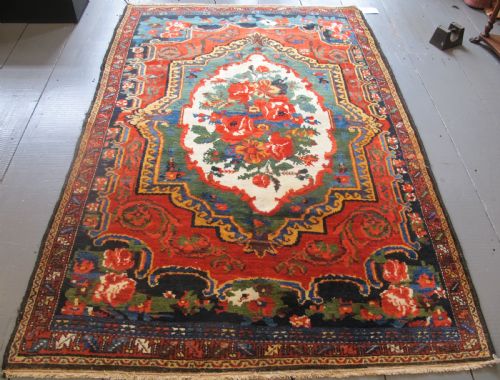

Hand Knotted Bakhtiar Carpet
These hand knotted bakhtiar carpet examples bring traditional Persian craftsmanship into a room through enduring wool and cotton construction.
Hand Knotted Bakhtiar Carpet
A hand knotted bakhtiar carpet represents a distinct tradition of Persian weaving from the late nineteenth and early twentieth centuries. These floor coverings arrive in various formats including rugs, area rugs, carpets and runner rugs. You are most likely to meet antique examples dated between 1890 and 1920 on this page.
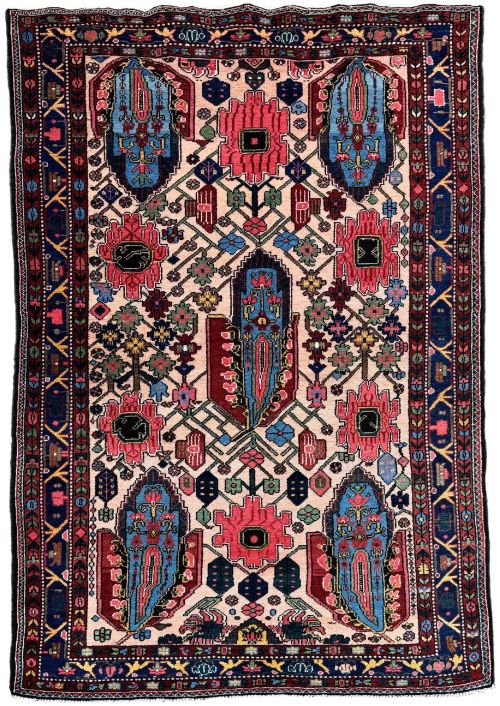
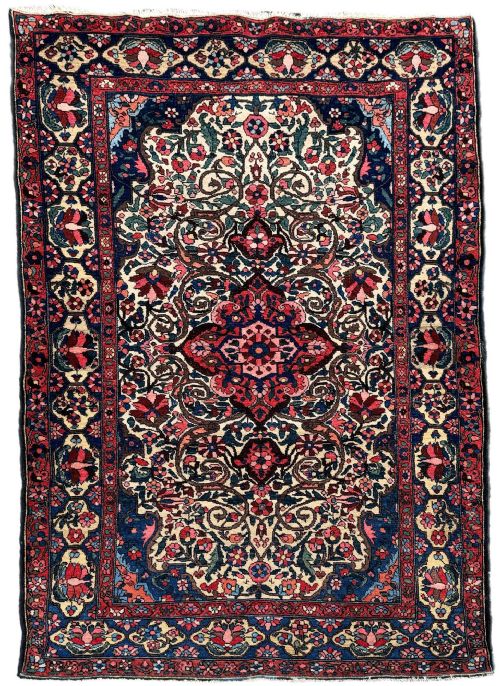
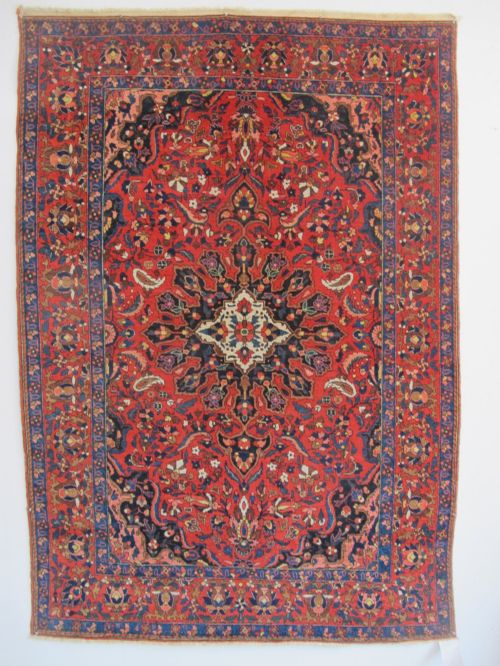
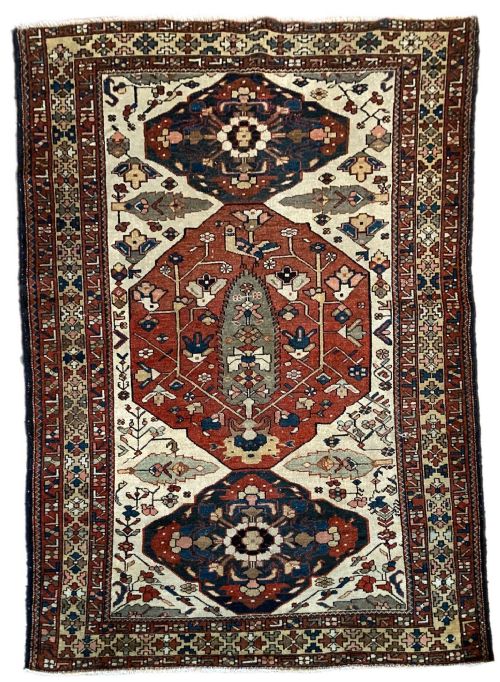
The regional style draws on Persian tribal and traditional Persian design roots to create structured geometric or garden panel motifs. Each piece reflects the aesthetic of the Bakhtiar weavers who combined durability with complex visual layouts.
How they were made
Makers constructed each hand knotted bakhtiar carpet using a sturdy cotton foundation for the warp and weft threads. Dense wool pile was then knotted by hand onto this supportive grid to ensure lasting structural integrity.
This combination of wool and cotton materials allowed weavers to execute tight knots that held complex traditional Persian patterns firmly in place over decades of use.
Hand Knotted Bakhtiar Carpet Retail Price Guide 2026
Typical asking prices for hand knotted bakhtiar carpet among the pieces listed under this phrase on Sellingantiques today, from the lower quarter to the upper quarter. They describe what is for sale here now, not the wider market.
Weavers tied countless wool knots by hand over a cotton base to make floors cosy a century ago.
What varies in quality
The primary distinction in quality lies in the density of the knotting and the precision of the woven design. Finer knot counts allow for sharper delineation of traditional Persian motifs across the wool surface.
Condition and scale also define the standing of each piece, distinguishing large carpets and long runners from standard area rugs of the same era.
The Hand Knotted Bakhtiar Carpet Glossary
- Warp
- The stationary vertical strings stretched on the loom that form the structural skeleton of the carpet. Cotton is typically used for this foundation.
- Weft
- The horizontal threads passed through the warp to bind the rows of knots together. This material works alongside the warp to secure the wool pile.
- Pile
- The upright yarn surface of the rug formed by the cut ends of knots. Wool provides this soft yet resilient upper layer.
- Runner
- A long and narrow format of carpet suited for hallways or corridors. These span over four metres in length within the collection.
Hand Knotted Bakhtiar Carpet: Frequently Asked Questions
How old are these carpets?
The pieces available date from the late nineteenth century through to the early decades of the twentieth century. Specifically, they span the years between 1890 and 1920.
This timeframe captures a period of traditional Persian weaving before modern commercial production methods became widespread.
Where were they made?
These floor coverings originate from Persia, specifically produced within the tribal weaving traditions of the Bakhtiar region. The makers utilised local materials and established regional designs.
Each piece carries the stylistic hallmarks associated with Persian tribal workshops from the 1890 to 1920 era.
What materials are used?
The construction relies entirely upon natural fibres of wool and cotton. Wool forms the dense surface pile while cotton makes up the foundational foundation.
This pairing provided the strength necessary for everyday use while allowing intricate patterns to be knotted by hand.
How do I choose the right size?
Consider the spatial requirements of your room by comparing standard area rugs against larger carpets or long runner formats. Dimensions range from compact rugs around two metres long up to substantial carpets exceeding four metres.
Measuring your floor space carefully ensures the chosen format suits hallways, living areas or dining rooms.