


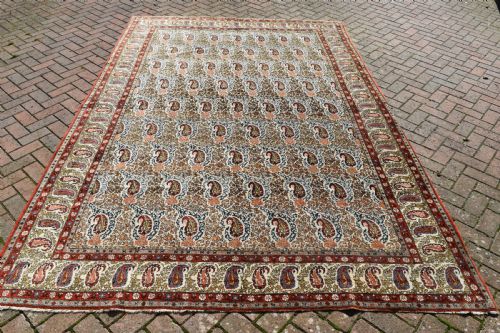

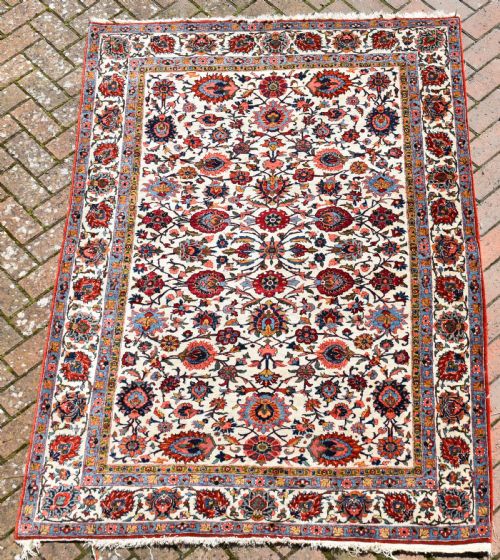


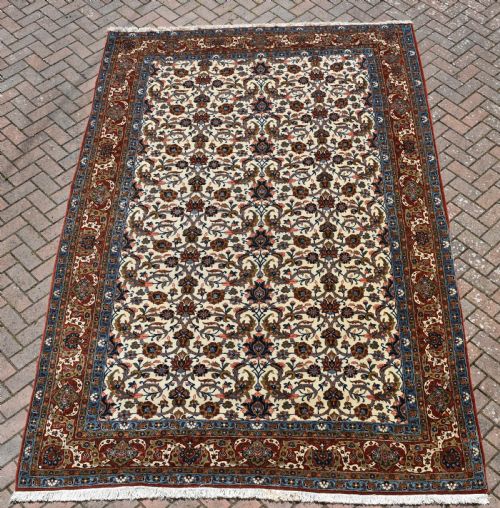
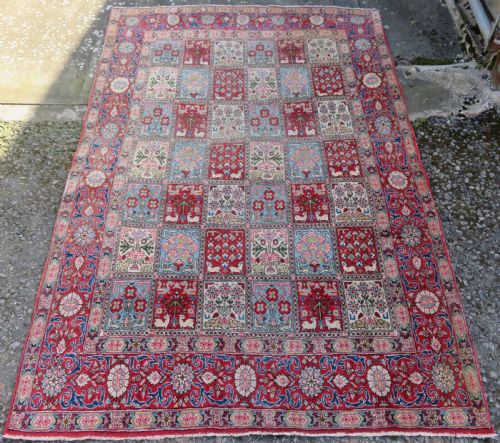

Hand Knotted Qum Carpet
A hand knotted qum carpet offers exquisite central Persian craftsmanship, bringing intricate traditional patterns and luxurious natural fibres into your interior.
Hand Knotted Qum Carpet
When you search for a hand knotted qum carpet, you encounter fine floor coverings originating from central Persia. These pieces date across the early decades of the twentieth century, specifically spanning the nineteen-tens through to the nineteen-forties. They manifest primarily as rugs and larger roomsize carpets.
The versions you meet most frequently on this page include traditional Persian rugs and larger area formats. Makers utilise distinctive formats such as tile patterns alongside classic central Persian compositions. Each piece reflects the enduring aesthetic of its origin.
These textiles serve both functional and decorative roles within a room. Their dimensions range from compact rug sizes up to substantial roomsize proportions. Buyers choose them to anchor a scheme with authentic historical character.
How they were made
Weavers construct each hand knotted qum carpet using traditional manual techniques on vertical looms. The process requires immense patience as artisans tie individual knots to build the dense pile. Foundation threads provide structural stability for the entire textile.
Materials comprise natural wool, cotton and silk fibres sourced for durability and lustre. Silk and fine wool yarns allow for exceptional detail in the execution of complex motifs. Cotton foundation threads ensure the carpet holds its shape firmly over decades of use.
Hand Knotted Qum Carpet Retail Price Guide 2026
Typical asking prices for hand knotted qum carpet among the pieces listed under this phrase on Sellingantiques today, from the lower quarter to the upper quarter. They describe what is for sale here now, not the wider market.
The object forms available range from compact rugs to large roomsize carpets displaying traditional Persian styles.
What varies in quality
Knot density dictates the refinement of the pattern and the crispness of the drawn lines. Higher knot counts per square centimetre permit greater intricacy in the traditional Persian designs. Lower densities yield a coarser texture and softer motif definition.
The choice of fibre fundamentally alters the tactile and visual character of the textile. Pure silk pieces achieve a luminous sheen and extremely fine detail compared to standard wool or cotton mixes. The integrity of the foundational weave also determines long term structural resilience.
The Hand Knotted Qum Carpet Glossary
- Qum carpet
- A finely knotted floor textile originating from the central Persian city of Qum. These pieces are celebrated for their intricate traditional patterns and meticulous execution.
- Pile
- The upright yarn loops that form the usable surface of the carpet. This component is created through careful hand knotting onto the foundation.
- Warp
- The vertical foundation threads stretched lengthwise on the loom before knotting begins. These threads support the entire weight and structure of the textile.
- Weft
- The horizontal threads passed across the warp between rows of knots to secure them in place. This technique locks the pile firmly into the backing.
- Tile pattern
- A geometric layout featuring repeating compartment or garden motifs across the field. This design style divides the surface into structured individual sections.
Hand Knotted Qum Carpet: Frequently Asked Questions
Where were qum carpets made?
These carpets originate from Qum, a major city in central Persia renowned for its textile tradition. Artisans there developed distinct weaving techniques that produce exceptionally fine floor coverings.
Production often incorporates traditional Persian design elements combined with high knot densities. This regional heritage defines the character of the textiles seen today.
What materials are used in them?
Weavers utilise natural materials including cotton, wool and silk for these carpets. Cotton typically forms the sturdy foundation of the piece.
Wool and silk provide the soft pile on the surface. Silk offers a particular sheen and allows for very intricate pattern work.
How do I date a qum carpet?
Dating relies on stylistic clues, construction methods and material analysis seen across early twentieth century examples. Pieces from this era frequently date between nineteen-ten and nineteen-forty.
Wear patterns and the specific type of dyes employed also help establish the age of the textile. Comparing motif styles to documented historical pieces refines the date further.
How do I care for a silk rug?
Silk rugs require gentle maintenance to preserve their delicate fibres and natural lustre. Professional cleaning specifically suited for antique textiles is essential.
Keep them away from direct sunlight to prevent fading of the natural dyes. Regular gentle vacuuming without a beater bar prevents dust accumulation in the pile.
Are these carpets suitable for heavy traffic?
Wool versions with dense knotting handle moderate foot traffic well in living spaces. They offer durability alongside traditional aesthetic appeal.
Delicate silk pieces suit lighter traffic areas such as bedrooms or display spaces. Proper placement preserves the fine knotting and structural integrity over time.