





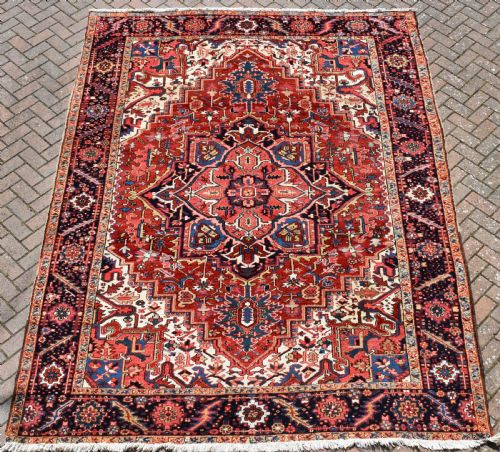
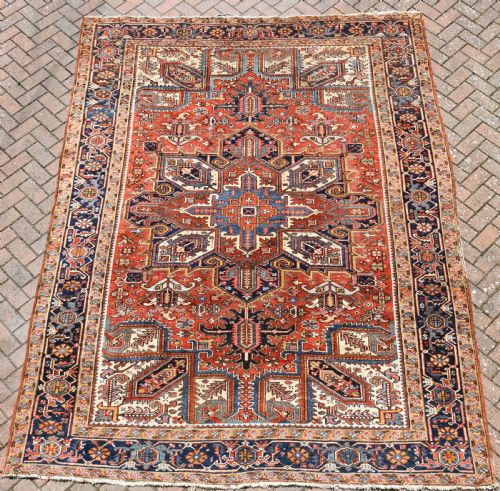
Roomsized Area Rug
These roomsized antique area rug examples offer expansive historic floor coverings that anchor large rooms with genuine traditional character.
Roomsized Area Rug
When you search for a roomsized antique area rug, you are looking at substantial historic floor coverings that define large interior spaces. These textiles come in generous proportions designed for principal rooms, offering deep pile and expansive decorative fields.
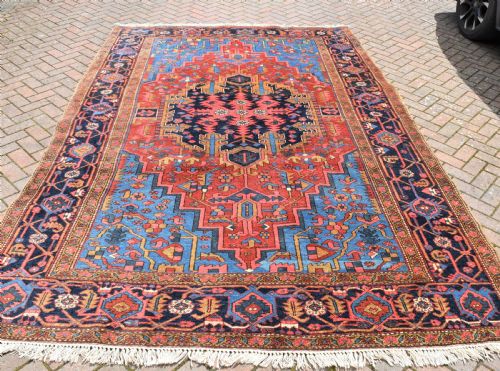
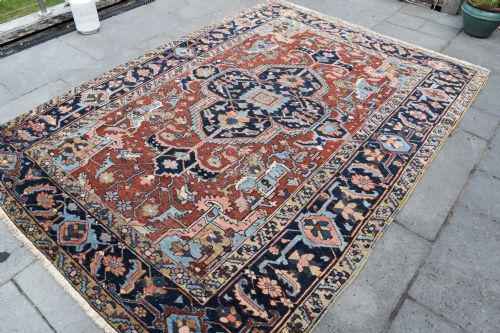
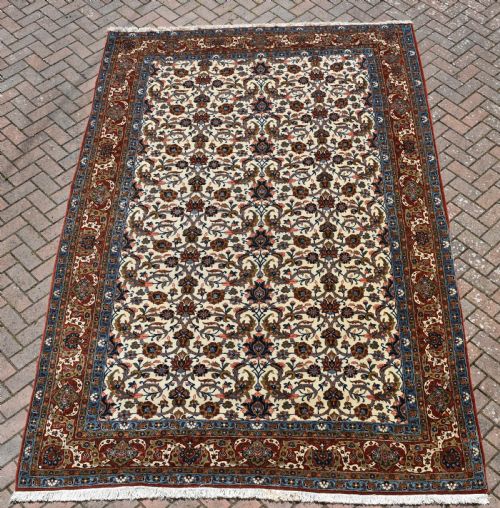
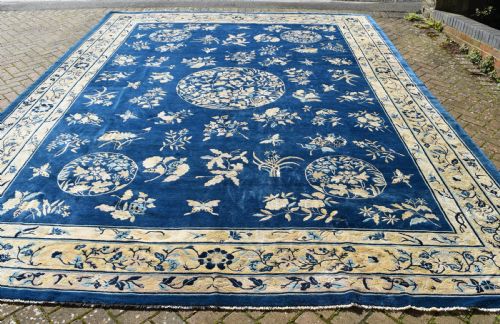
The selections you meet here are dominated by Persian and Chinese origins, including regional styles such as Heriz, Kirman, Tabriz, Ferahan, Qum, and Peking. These pieces date from the late nineteenth century through to the early decades of the twentieth century.
Most items function as large area carpets or roomsize carpets, bringing traditional motifs and established weaving traditions directly into domestic interiors. They arrive in varied formats from nearly square proportions to long rectangular formats.
How they were made
The construction of these carpets relies upon wool for the pile and cotton for the foundational warp and weft threads. This combination provides both the soft surface texture needed for walking and the structural stability required for large textile formats.
Weavers knotted the wool pile by hand onto cotton foundations across traditional regional workshops, creating dense surfaces that endured decades of daily use. Natural dyeing traditions and careful knotting secured the longevity of these expansive floor coverings.
Roomsized Area Rug Retail Price Guide 2026
Typical asking prices for roomsized area rug among the pieces listed under this phrase on Sellingantiques today, from the lower quarter to the upper quarter. They describe what is for sale here now, not the wider market.
Early weavers occasionally incorporated deliberate minor irregularities into complex borders, believing absolute perfection belonged to the divine alone.
What varies in quality
Quality in these large rugs rests upon the precision of the knotting and the complexity of the regional design execution. Finer examples display meticulous execution of traditional Persian or Chinese motifs across the entire field.
The handling of wool and the integrity of the cotton foundations also separate standard production from finer output. Better specimens retain thick pile depth and sharp structural geometry despite their age.
Hajji Jalili
The Roomsized Area Rug Glossary
- Pile
- The vertical or diagonal loops of yarn that form the usable surface of a carpet. This soft upper layer receives the direct wear of footsteps.
- Warp
- The stationary longitudinal threads stretched on a loom upon which the knots are tied. They form the skeleton of the textile.
- Weft
- The horizontal threads passed across the warp threads to bind the knots in place. This material secures the structure row by row.
- Field
- The central background area of a carpet enclosed by the border. It usually contains the primary decorative motifs and medallions.
- Medallion
- A large central ornamental design motif placed in the middle of the carpet field. This focal point anchors the entire composition.
Roomsized Area Rug: Frequently Asked Questions
How do I clean an antique rug?
Gentle surface brushing and professional specialist washing preserve the integrity of antique wool fibres. Avoid harsh chemical treatments and aggressive scrubbing.
Regular careful vacuuming without a beater bar removes trapped dust from the cotton foundations and wool pile. Professional assessment ensures appropriate care for delicate regional weaves.
Where should I place a roomsize carpet?
These large floor coverings suit principal reception spaces, dining rooms, and expansive studies where furniture rests upon the field. They anchor the entire room layout.
Ensure adequate clearance around the edges so the room proportions balance the scale of the carpet. Placing a quality underlay beneath the textile prevents slipping and reduces fibre wear.
How do I identify a Heriz rug?
Heriz carpets typically feature bold geometric medallion designs and strong angular motifs woven in workshops from northwest Persia. Their robust structure distinguishes them from finer curved floral styles.
Look for sturdy cotton foundations and distinctive terracotta or indigo colour palettes within the large rectangular formats. These rugs prioritise durable geometry over delicate curvilinear detailing.
What is a Peking carpet?
Peking carpets originate from Chinese workshops and feature spacious open fields with traditional floral or symbolic medallion motifs. They often utilise soft blue and neutral colourways.
These decorative pieces bring a lighter aesthetic to rooms compared to denser Persian styles. Their distinctive Chinese Art Deco or traditional design vocabulary creates a tranquil floor display.