






Authentic Persian Area Rug
An authentic persian area rug brings centuries of woven artistry into a room, offering rich geometric and floral patterns.
Authentic Persian Area Rug
An authentic persian area rug represents traditional floor coverings originating from various regions and tribes in Persia. These pieces span from the late nineteenth century through to the early decades of the twentieth century, capturing historical weaving traditions.
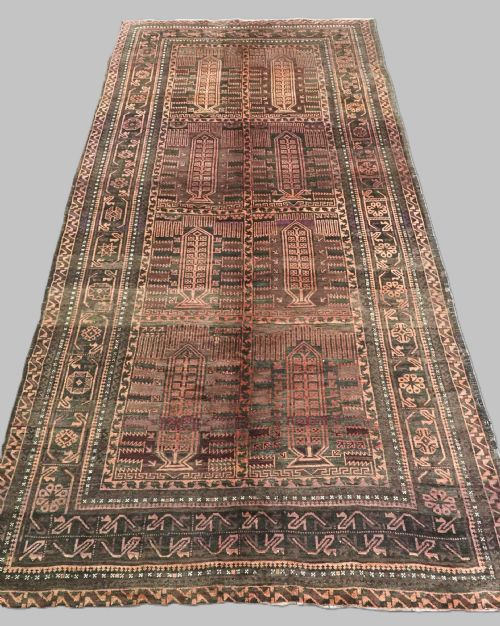
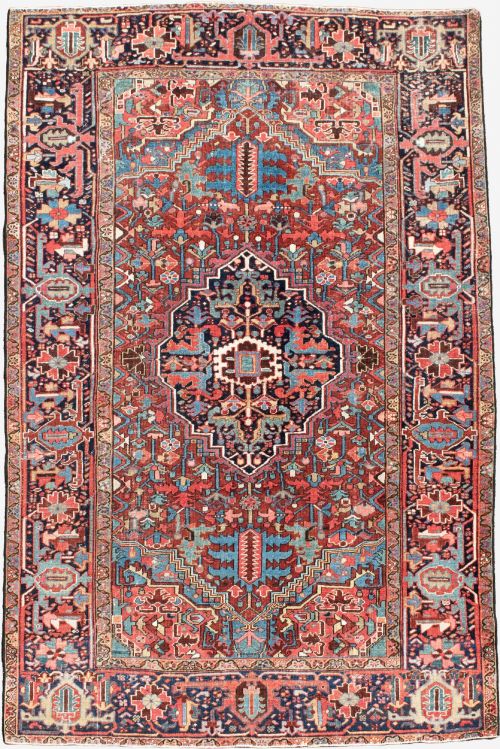
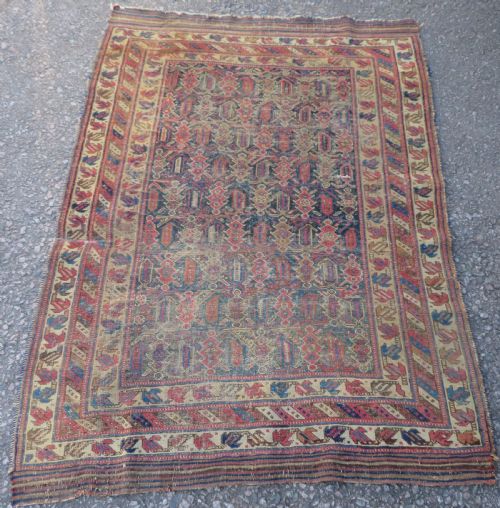
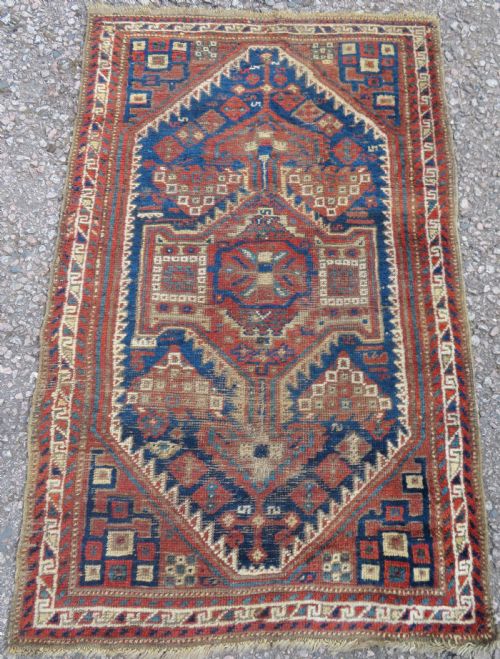
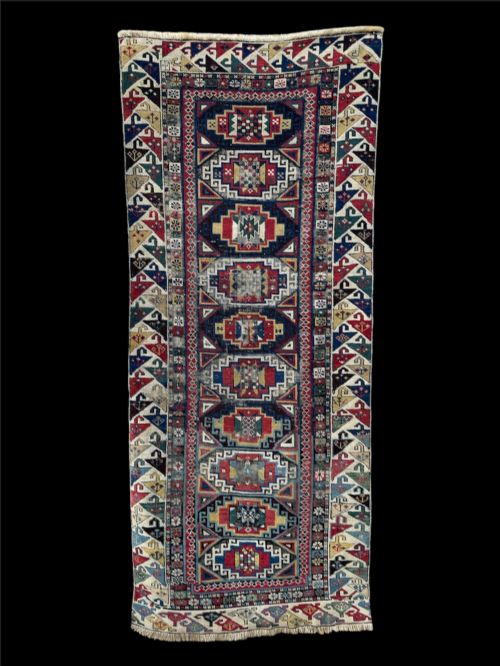
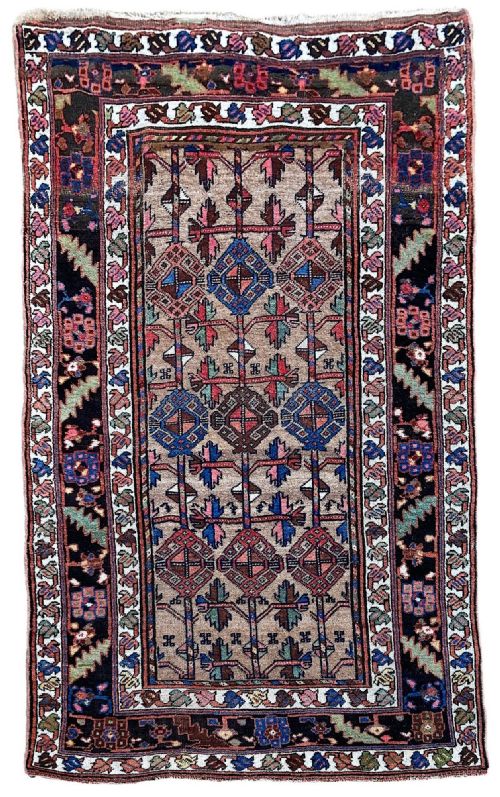
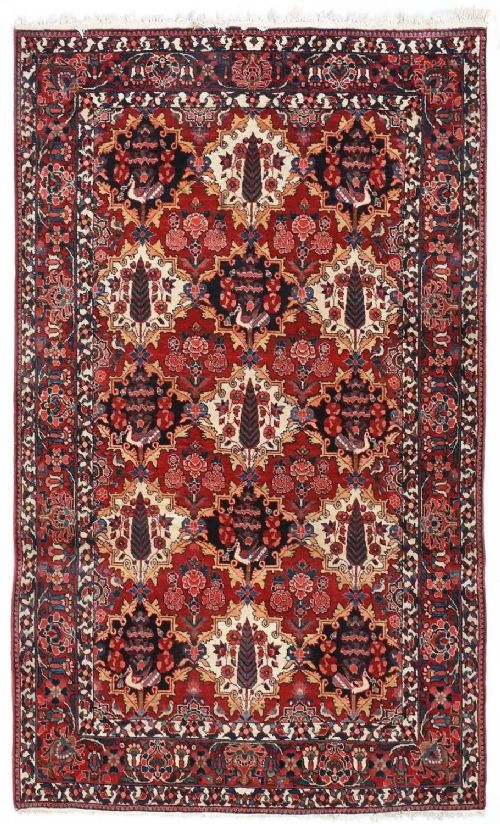
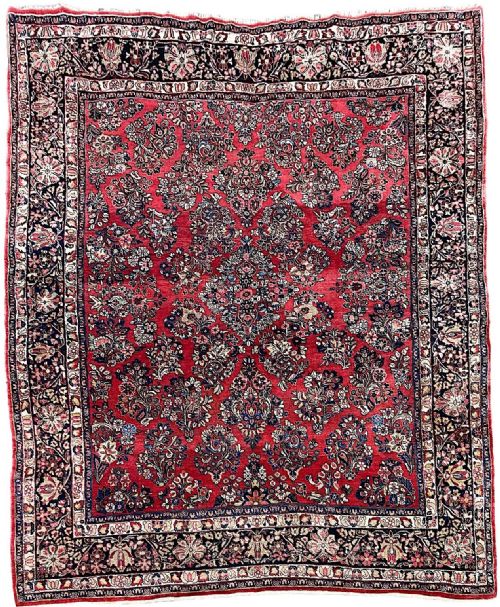
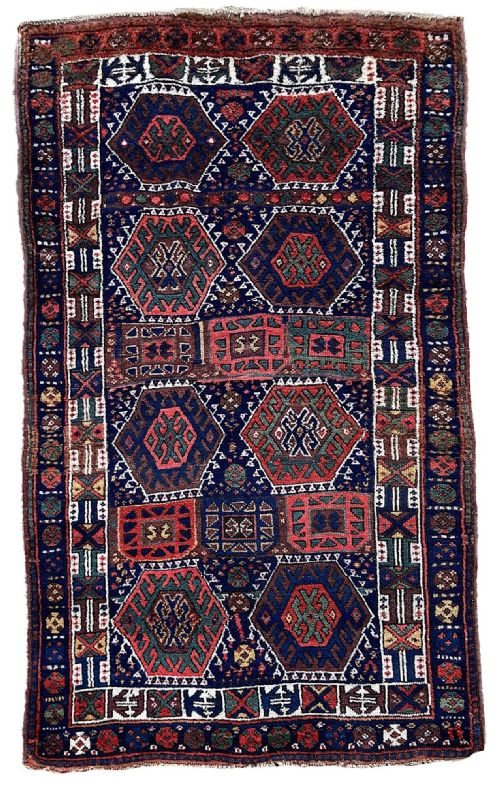
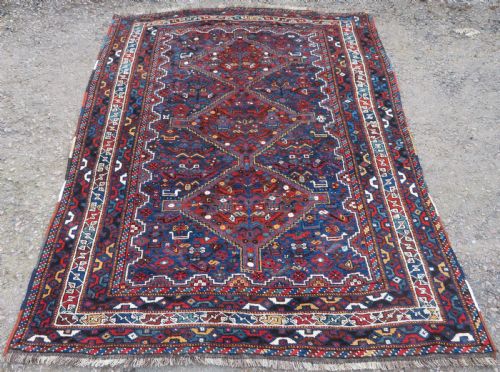
The selection on this page centres heavily on Persian Heriz carpets alongside tribal examples such as Khamseh, Kurdish, Afshar, and Bakhtiari rugs. Buyers encounter formats ranging from small scatter rugs and runners to large room-sized carpets.
Village and nomadic workshops produced many of the items seen here, reflecting distinct regional designs and robust construction methods. Each piece holds the character of its specific origin, whether from northwest Persia or southern tribal territories.
How they were made
Makers utilised wool and hand-spun wool for the pile, knotted by hand onto cotton foundations. This combination provided the density and resilience required for heavy domestic use.
Natural dyes infused the wool with lasting colour, yielding rich tones that soften gracefully over decades. Weavers tied these dyed yarns into intricate geometric and floral motifs using traditional upright looms.
The listings on this page span the period from the 1880s through to the 1930s, utilising wool and cotton materials.
What varies in quality
Knot density and structural integrity distinguish the standard across different pieces. Finer knotting allows for sharper delineation of motifs within intricate village and tribal designs.
The condition of the wool pile and the preservation of the original outer borders dictate the integrity of a carpet. Uniform wear across a naturally aged surface speaks to consistent historical use rather than structural compromise.
The Authentic Persian Area Rug Glossary
- Heriz
- A style of carpet from northwest Persia known for bold geometric medallions and robust structural wool. These rugs typically display large-scale central motifs with strong corner designs.
- Tribal
- A designation for rugs woven by nomadic or semi-nomadic groups rather than fixed urban workshops. These pieces often feature spontaneous memory-driven patterns and distinctive local symbolism.
- Pile
- The vertical or slanted yarn surface of the carpet formed by knotted threads. This layer absorbs foot traffic and displays the woven design.
- Natural Dyes
- Colourants derived from plant, insect, and mineral sources utilised before the advent of synthetic alternatives. These dyes age with a characteristic depth and harmony.
- Runner
- A long, narrow format of carpet designed specifically for corridors, hallways, or beside beds.
Authentic Persian Area Rug: Frequently Asked Questions
Where were these rugs made?
These carpets originate from various towns, villages, and tribal regions across Persia. Specific styles link back to areas such as Heriz, Kurdistan, Fars, and Bakhtiari.
Production methods varied between settled urban looms and portable nomadic setups, influencing the final design structure.
How do I care for an antique rug?
Vacuum gently without using a rotating brush bar to protect the delicate wool pile and aged cotton foundation. Lift the rug rather than dragging it during cleaning or repositioning.
Professional specialist washing preserves natural dyes and prevents fibre degradation over time.
What is a tribal rug?
A tribal rug is woven by nomadic or village populations using traditional patterns passed down through generations. These designs rely on memory and local motifs rather than formal preparatory cartoons.
Such pieces often incorporate asymmetric elements and rich use of natural dyes.
How do I identify a Heriz carpet?
Heriz carpets are characterised by bold, heavy geometric designs, usually featuring a prominent central medallion. The palette often includes rich rusts, deep indigos, and soft ivories.
Their robust structure was designed to withstand heavy daily use in grand rooms.