


Female Bust Sculpture
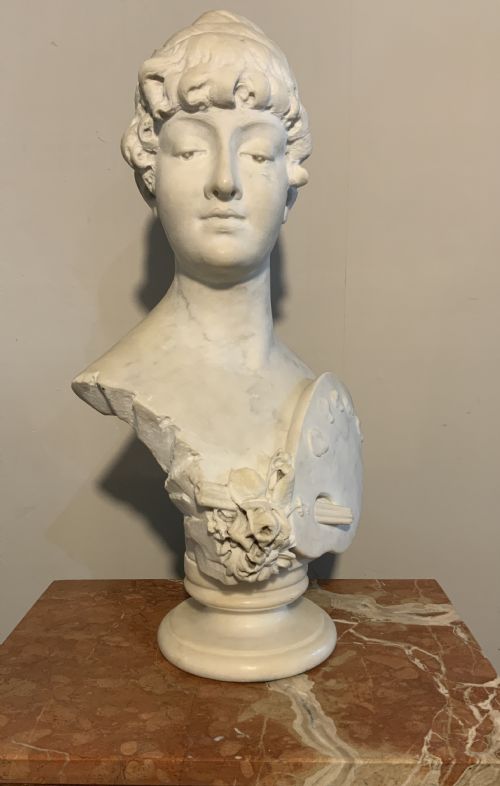
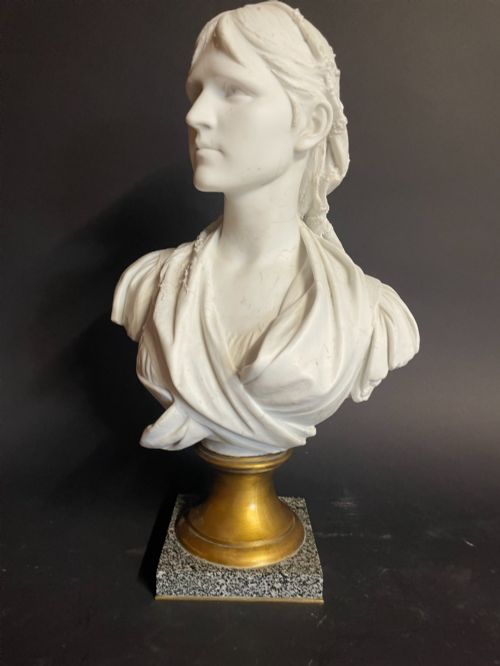
When you search for a female bust sculpture, you are looking at portraits of historical figures, mythological heroines and idealized women rendered in stone and metal.
Female Bust Sculpture
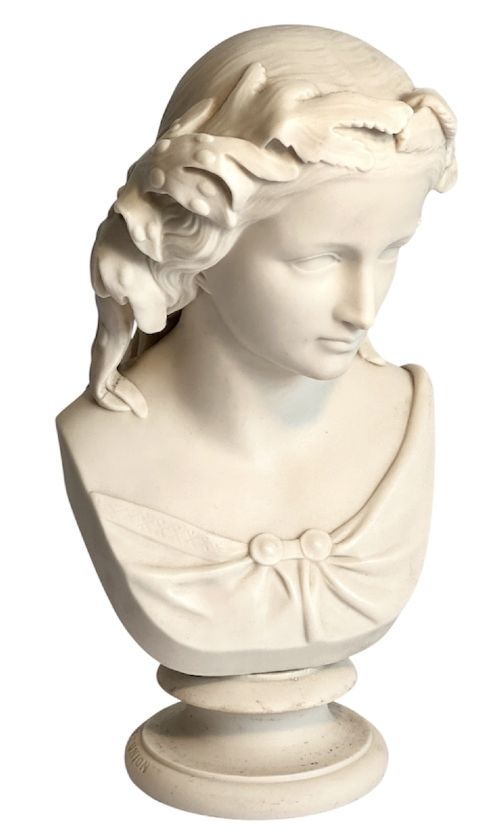
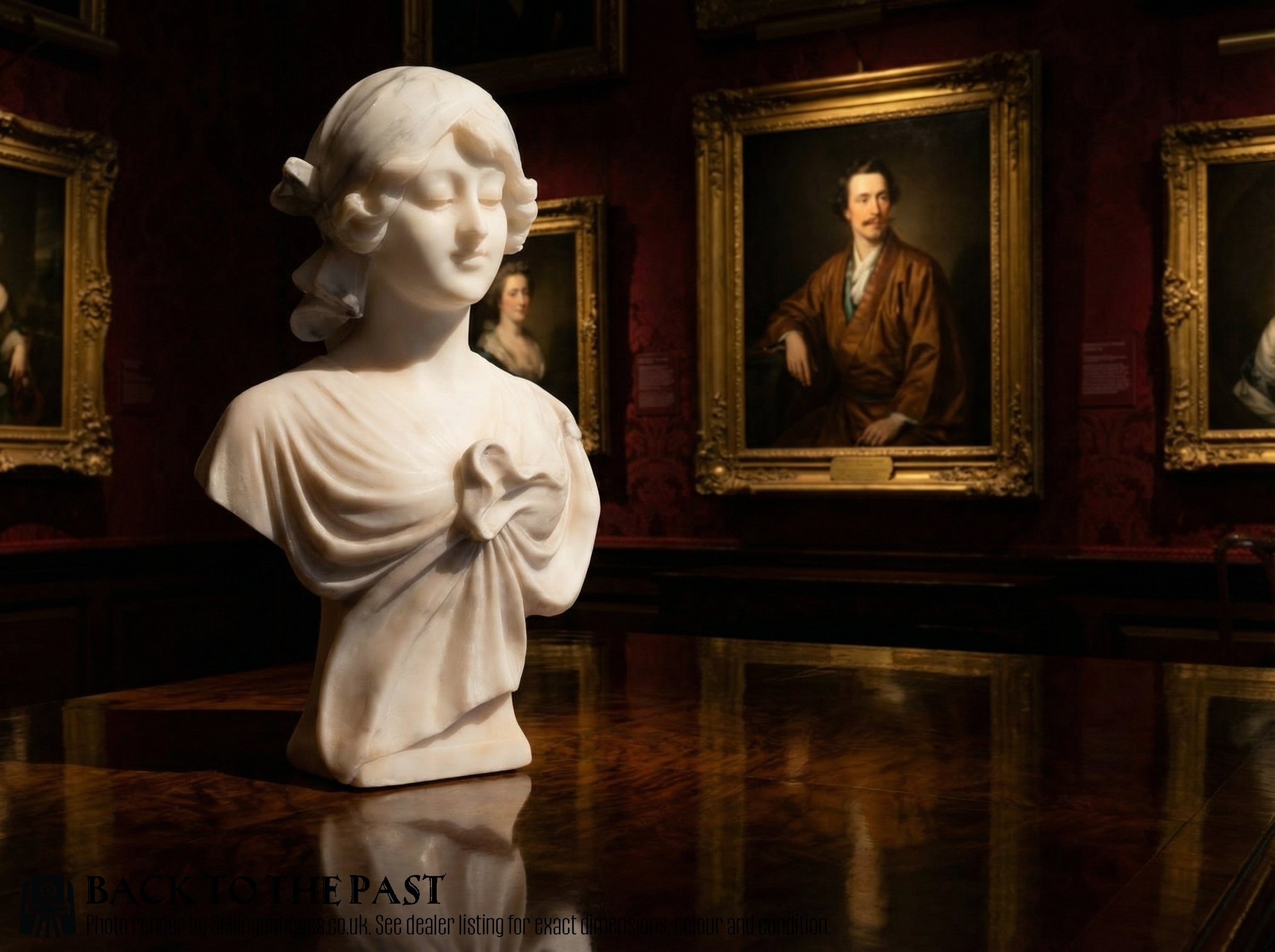
A female bust sculpture captures the likeness or character of a woman from the shoulders up, drawing on traditions that stretch from classical antiquity through the nineteenth and twentieth centuries. The versions met most often on this page date from the nineteenth century into the early twentieth century, reflecting academic, neoclassical and art nouveau movements.
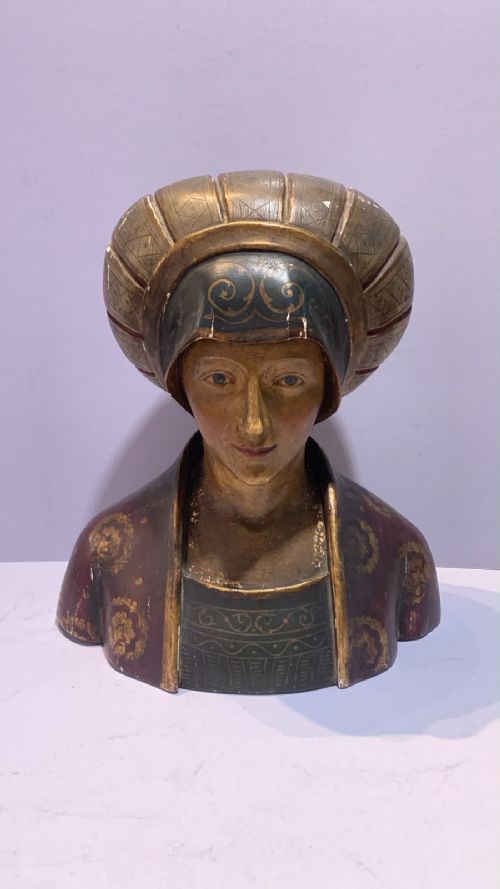
Makers produced these works in varied forms, ranging from cabinet-sized portrait figures to life-sized depictions set on stone plinths or marble bases. Subjects span allegorical representations, literary characters such as Miranda or Diana, and portraits of noblewomen or regional maidens.
How they were made
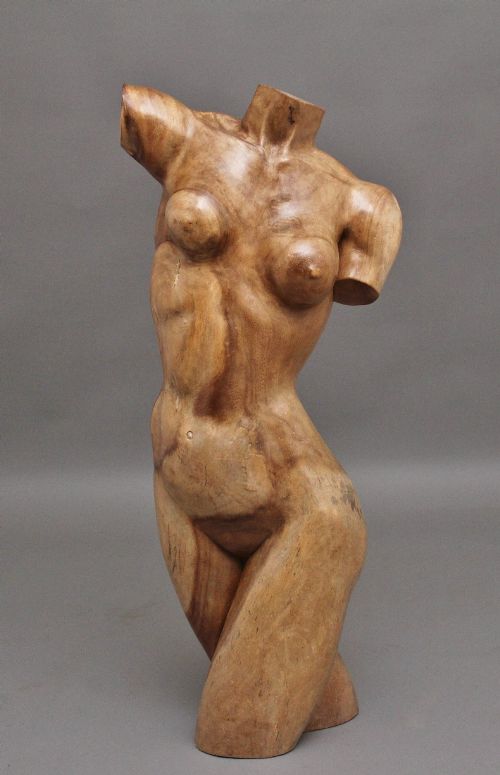
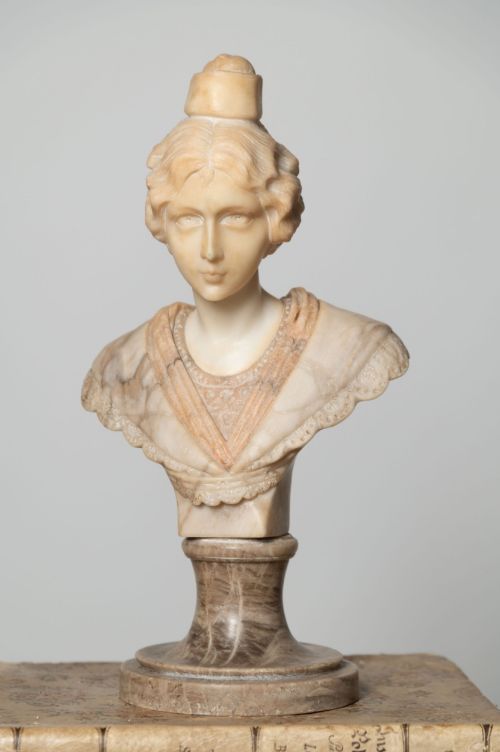
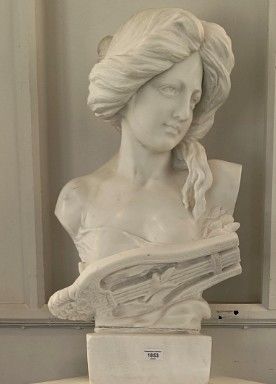
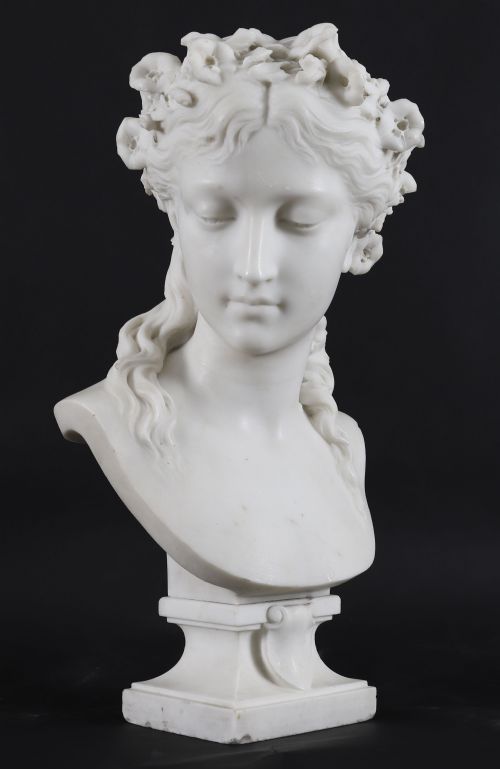
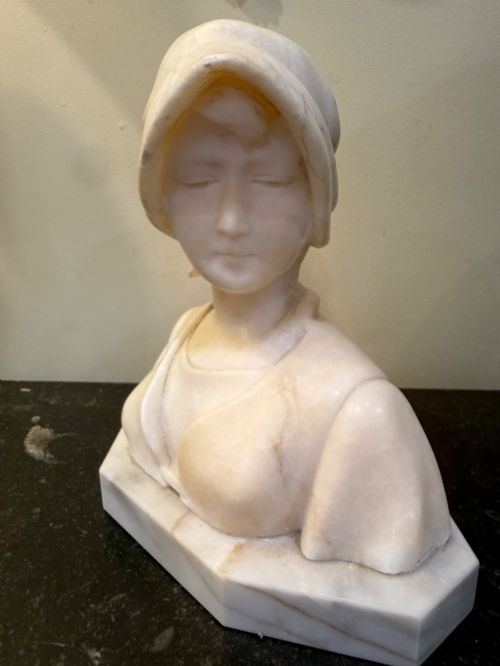
Sculptors carved pieces from blocks of Carrara marble or fine alabaster using chisels, rasps and drills to achieve realistic skin textures and intricate drapery. Wood carvers utilised dense timbers to capture fine details in portrait subjects.
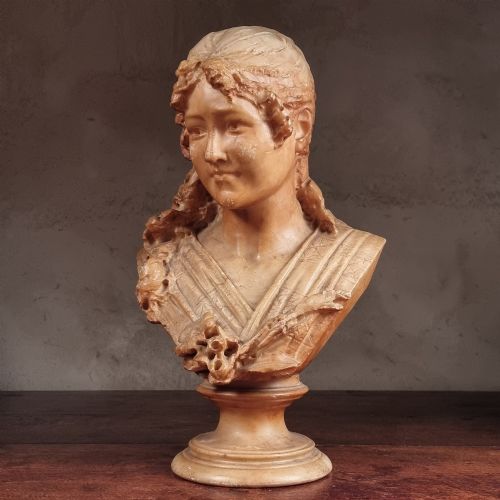
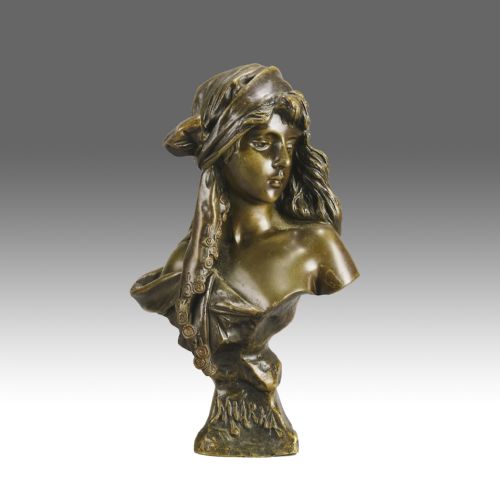
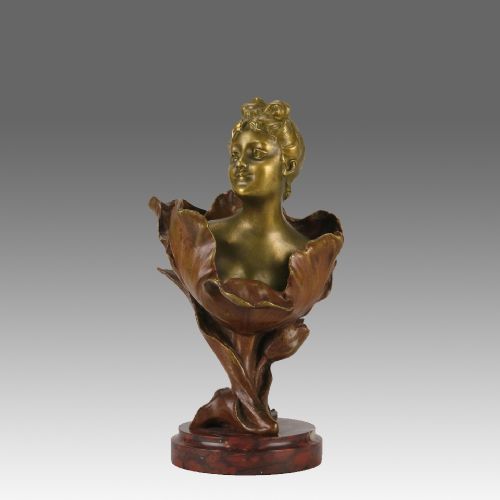
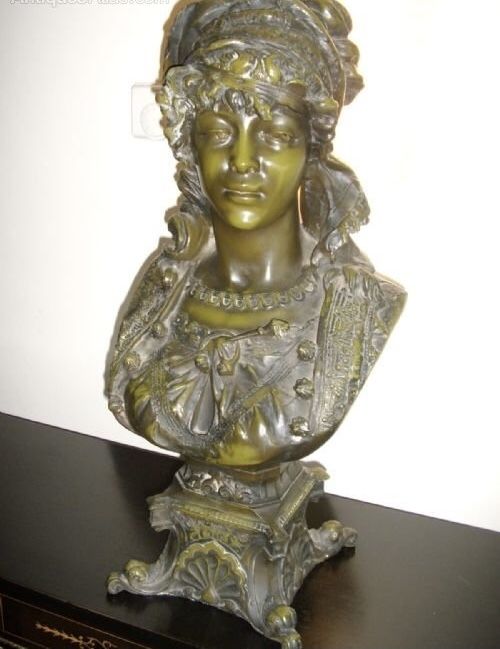
Foundries produced metal examples by casting bronze from clay or wax models using the lost-wax method, often finishing the surface with cold-painted highlights, gilt layers or chemical patination. Terracotta pieces were shaped from clay and fired in kilns before receiving painted finishes.
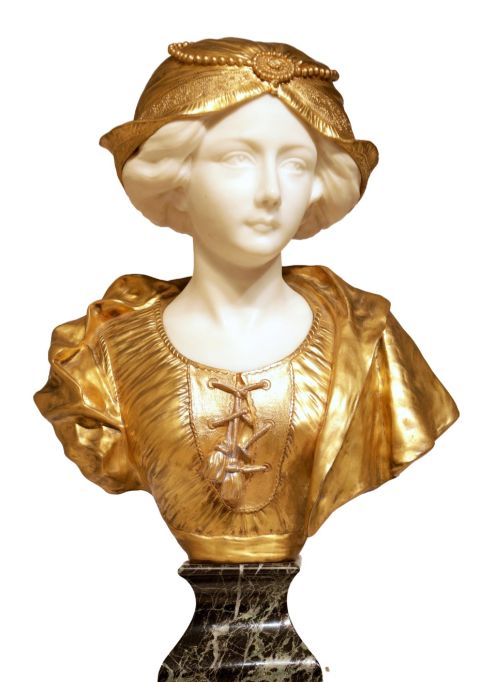
Many works combine materials, pairing carved alabaster or marble heads with bronze shoulders or mounting stone busts upon integrated marble plinths and stands.
Several ladies immortalised in stone carry dramatic nineteenth-century literary names, ensuring your hallway gains a permanent, silent observer with a mysterious backstory.
What varies in quality
Quality rests upon the sensitivity of the carving and the precision of the casting, which determines whether facial expressions and hair retain lifelike depth or appear stiff and generalised. Superior pieces demonstrate subtle anatomical understanding in the modelling of the neck, collarbones and facial muscles.
The selection of the material dictates the tactile presence of the sculpture, with translucent alabaster and finely crystallized Carrara marble offering greater visual depth than uniform stone. Founders and carvers who invested time in hand-finished chasing, polishing and polychrome paint layers achieved a higher degree of individual character.
Affortunato Gory·Eugen Aizelin·Emmanuel Villanis·Henri Godet·Auguste Henri Carli·Gilbert Privat·Boudewijn Tuerlinckx
The Female Bust Sculpture Glossary
- Carrara marble
- A type of white or blue-grey marble from the city of Carrara in Tuscany, Italy, prized by sculptors for its fine grain and uniform appearance.
- Alabaster
- A soft mineral stone, typically white or translucent, used for carving detailed sculptures that catch the light beneath the surface.
- Lost-wax method
- A metal casting technique where a molten metal is poured into a mould that has been created by melting away a wax model.
- Patination
- The natural or chemical process that alters the surface colour of bronze and other metals over time through oxidation.
- Terracotta
- A porous, baked red-clay earthenware material utilised for modelled portrait sculptures and decorative reliefs.
Female Bust Sculpture: Frequently Asked Questions
How do I identify the period of a bust?
Dating relies on stylistic clues, clothing, hairstyles and the signatures or foundry marks inscribed on the base or shoulders. Neoclassical and Victorian pieces often reflect classical antiquity, while nineteenth-century romanticism and Art Nouveau introduce flowing hair and organic motifs.
Signatures linked to documented sculptors working between the mid-nineteenth and early twentieth centuries provide a clear chronological anchor for individual pieces.
Where should I display a heavy marble bust?
Stone and cast metal sculptures require sturdy furniture such as a strong sideboard, a dedicated pedestal or a reinforced console table capable of supporting significant weight. Placing the piece at eye level allows the viewer to appreciate the facial expression and carved details from the intended perspective.
Positioning the sculpture away from direct heat sources and strong sunlight protects any delicate patination or painted surface finishes.
What is the difference between marble and alabaster?
Marble is a hard metamorphic rock formed from recrystallized carbonate minerals, making it durable and capable of taking a high, crisp polish. Alabaster is a softer stone composed of gypsum or calcite, which yields a characteristic translucency when carved thinly.
Alabaster absorbs light differently than marble, giving portrait subjects a softer, more lifelike glow across the skin.