





European Carved Sculpture
European carved sculpture brings centuries of figurative art into a room, offering tactile presence through historic wood and marble.
European Carved Sculpture
European carved sculpture encompasses figurative works in wood, marble and stone spanning from pre-sixteenth century fragments to twentieth-century figures. Collectors encounter ecclesiastical statues, secular busts, and folk art pieces originating from workshops across the continent.
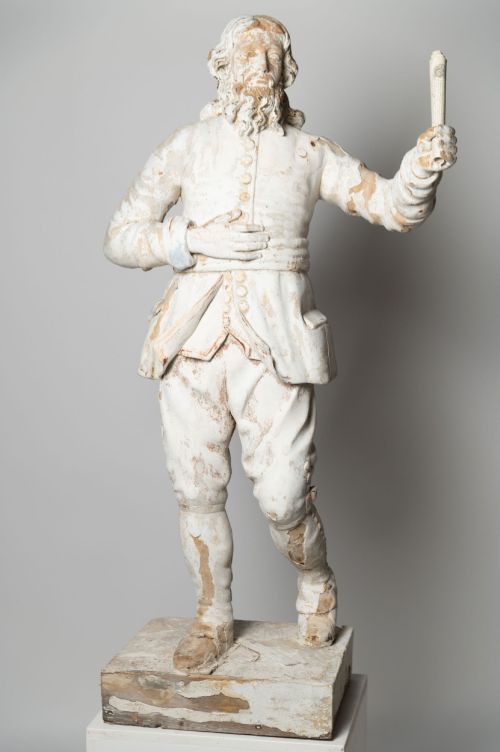
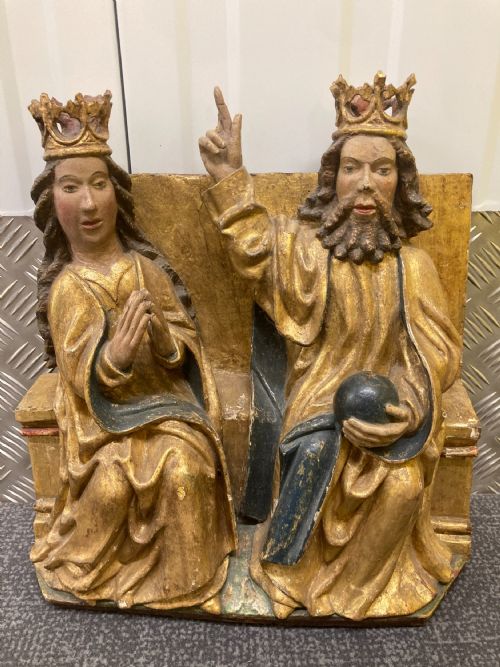
Religious figures from the sixteenth to eighteenth centuries dominate the earlier periods, often carved from oak or limewood and retaining traces of polychrome paint or gilding. Later nineteenth-century examples frequently shift towards secular portraiture, decorative busts, and Grand Tour marble pieces.
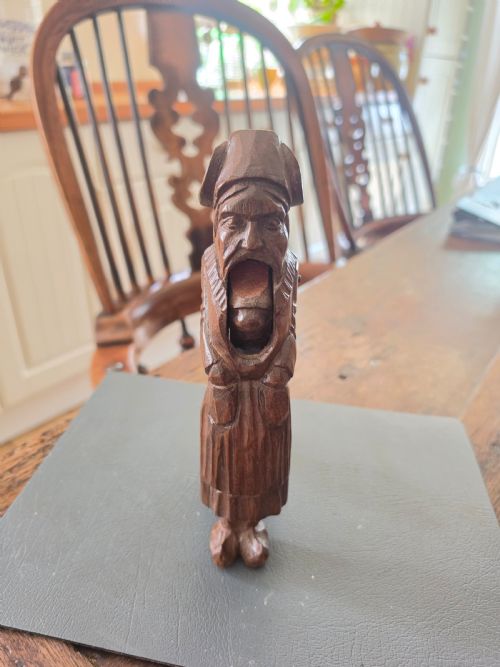
The assortment ranges from monumental life-sized statues down to intimate domestic objects like nutcrackers and small devotional carvings. Buyers select these works for their sculptural weight, historical texture, and the direct mark of the carver's chisel.
Methods and materials
Carvers shaped these pieces primarily from dense hardwoods like oak, limewood and walnut, alongside white marble for classical busts and statues. Wood surfaces were frequently prepared with gesso before receiving layers of polychrome paint or gold leaf.
Artisans employed traditional gouges and chisels to release figures from solid blocks, leaving tool marks that reveal the rhythm of the hand. Stone and marble works relied on pointing machines and abrasive stone finishes to achieve smooth neoclassical contours.
Listings feature wooden sculptures, marble busts, and religious statues spanning from pre-sixteenth century Gothic pieces to twentieth-century folk art.
Judging quality and character
Quality rests in the anatomical conviction and the crispness of the carving, where master hands achieve expressive vitality in faces and drapery folds. Lesser pieces often exhibit stiff proportions, timid undercutting, and heavy, unsympathetic later repainting.
The survival of original surface treatments - such as early polychrome pigments, gesso layers, and natural patination - distinguishes untouched examples from heavily restored ones. The depth of character in devotional subjects and the confident handling of wood grain separate ambitious workshop output from routine production.
Boudewijn Tuerlinckx
The European Carved Sculpture Glossary
- Polychrome paint
- Pigments applied to wood or stone surfaces to add lifelike colour and decorative detail. This traditional finish often survives only in fragments on early religious figures.
- Gesso
- A plaster mixture applied as a smooth base for gilding and painting on wooden sculptures. It provides a bright foundation for surface decoration.
- Grand Tour
- A cultural journey undertaken by wealthy Europeans to study classical art and antiquities, often returning with marble statues and busts. These souvenir pieces reflect neoclassical tastes.
- Donor figure
- A sculpture depicting the person who commissioned a religious artwork, typically shown kneeling in prayer alongside saints. They frequently date from the late medieval and Gothic periods.
- Limewood
- A fine-grained, pale hardwood favoured by European carvers for its even texture and suitability for intricate detail. It resists splitting and allows for delicate undercutting.
European Carved Sculpture: Frequently Asked Questions
How do I date a wooden sculpture?
Dating relies on tool marks, wood species, style of drapery, and the presence of original gesso or polychrome surfaces. Early centuries show specific adze and chisel signatures distinct from later mechanical methods.
Examination of the base and unexposed areas often reveals shrinkage cracks and oxidation consistent with age. Comparing costume details and facial carving styles to dated comparative pieces confirms the era.
Where were these sculptures displayed?
Ecclesiastical figures originally stood in churches, monastic chapels, or served as altarpiece components. Secular busts and statues adorned domestic interiors, libraries, and galleries.
Religious carvings were often objects of private devotion in homes or street shrines. Grand Tour marbles graced the reception rooms of collectors across Europe.
How should I care for antique wood?
Keep wooden sculptures away from direct heat sources and dramatic humidity fluctuations to prevent splitting. Dust gently with a soft, dry brush without applying modern polishes.
Maintain stable indoor environmental conditions to protect fragile gesso and polychrome layers from flaking. Professional conservation is advised if structural consolidation becomes necessary.
What does polychrome mean?
Polychrome refers to the practice of decorating sculptural surfaces with multiple colours of paint, often combined with gilding. It was widely used on medieval and Renaissance wood figures to heighten realism.
Traces of these historic pigments offer vital evidence about a piece's original appearance and age. Collectors value these surviving colour fragments for their historical authenticity.
Are marble busts heavy?
Solid marble busts and statues possess substantial weight requiring secure, stable placement on sturdy furniture or pedestals. Their density comes from natural stone composition.
When positioning a marble piece, ensure the supporting surface distributes the weight evenly. Wall anchoring may be necessary for taller statues to prevent tipping.