





Antique Wood Effigy
An antique wood effigy is a carved sculptural representation of a human, deity, or animal, sought for its intense devotional or characterful presence.
Antique Wood Effigy
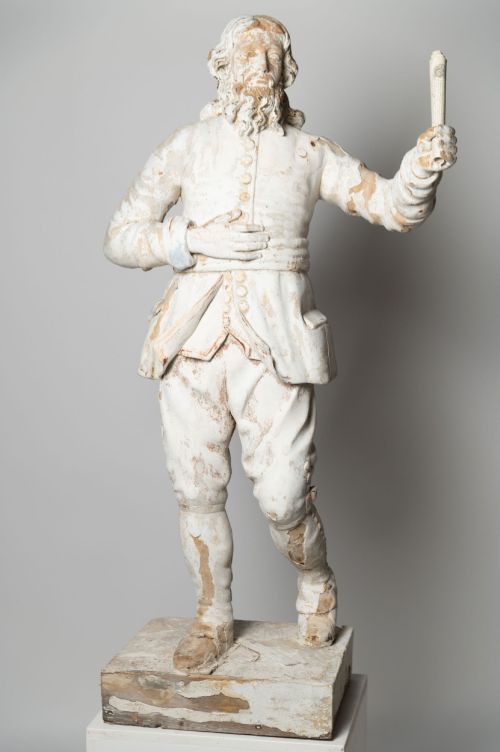
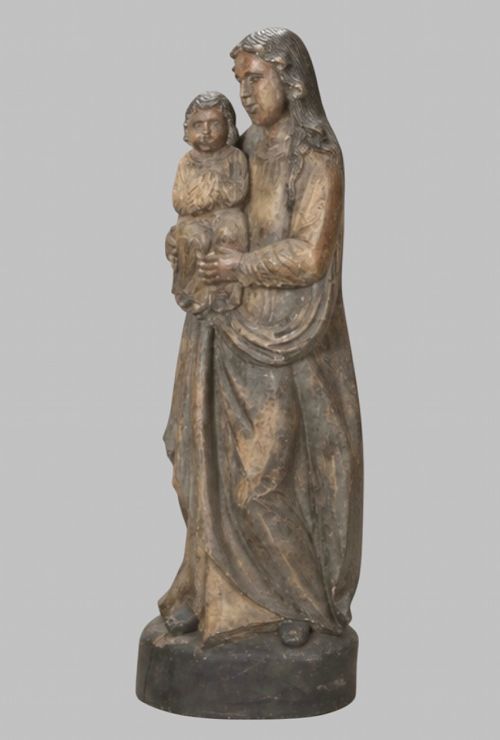
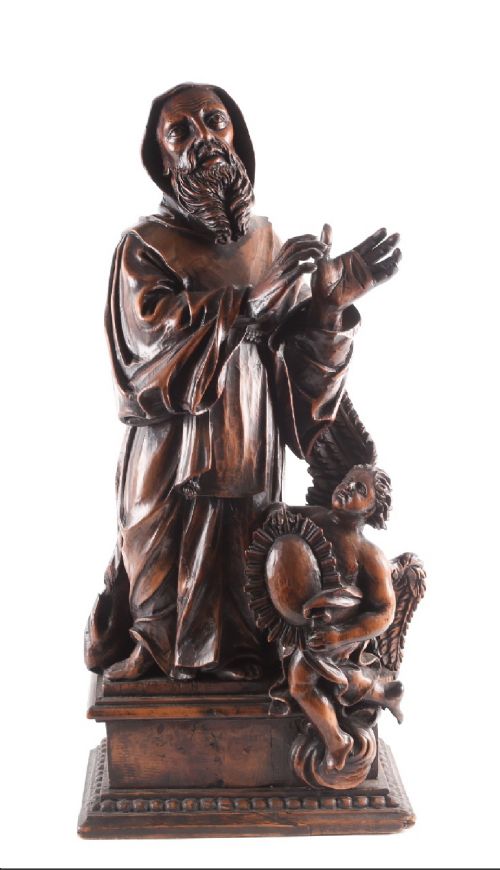
An antique wood effigy encompasses carved figures, devotional statues, masks, and busts originating from periods spanning the sixteenth century through the early twentieth century. When exploring this selection, buyers encounter diverse forms ranging from solemn saints and nobleman figures to folk art creations and ritual masks. These pieces emerge from varied regional traditions, including South German Baroque workshops, French Renaissance ateliers, and Himalayan communities.
The objects take physical shape as full-sized sculptures, fragmentary church remnants, and expressive animal carvings executed in timber. Many surviving examples carry traces of historical paint or polychrome finishes that soften the bare grain beneath. Such works frequently depict saints, the Madonna, noblemen, or mythical demons, reflecting the spiritual and cultural imperatives of their original makers.
How they were made
The construction of these effigies relies upon traditional timber carving techniques applied to regional woods such as oak, lindenwood, walnut, and general hardwoods. Artisans employed hand chisels and gouges to release complex figures from solid blocks, leaving distinct tool marks across the unexposed reverse surfaces. Sculptors shaped drapery folds, facial expressions, and anatomical details directly into the grain.
Surface preparation involved applying gesso or priming layers directly onto the timber before adding polychrome pigments, metallic leaf, or painted decoration. Over centuries, these painted layers have naturally aged, often cracking or wearing away to reveal the underlying carved timber. Metal elements occasionally appear as structural pins or votive attachments integrated into the sculptural composition.
Listings feature works in oak, lindenwood, walnut, and general timber, spanning folk art, Baroque, and Gothic Revival styles.
What varies in quality
The preservation of original surface finishes significantly influences the character of each piece. Intact polychrome decoration or early painted surfaces command greater visual cohesion, whereas later overpainting alters the authentic texture. Structural integrity, minimal modern intervention, and the clarity of regional style distinguish finer examples from heavily restored or ambiguous fragments.
The Antique Wood Effigy Glossary
- Polychrome
- Decorated in multiple colours. This term describes sculpture surfaces finished with painted pigments or gilded layers over gesso.
- Lindenwood
- A pale timber native to Europe valued for its fine, even grain. Sculptors favoured this wood for detailed Baroque carvings because it resists splitting.
- Folk art
- Utilitarian or decorative objects created by self-taught makers within a regional tradition. These works prioritise expressive character over academic training.
- Santos
- A carved figure representing a saint or divine personage used in religious devotion. These sculptures frequently served domestic shrines or church altars.
Antique Wood Effigy: Frequently Asked Questions
How are antique wood effigies dated?
Dating relies upon stylistic analysis of clothing, carving technique, and regional aesthetic conventions visible in the piece. Tool marks left by hand chisels also help determine the period of manufacture.
Secondary clues include the natural ageing of the timber, oxidation of underlying gesso, and remnants of early paint layers that match historical palettes.
Where should I place an effigy?
These sculptures suit prominent interior positions such as mantelsides, console tables, or dedicated display plinths where their sculptural form is visible. Positioning them away from direct heat sources and strong sunlight protects the ancient timber and fragile paint layers.
Pairing wooden effigies with neutral backgrounds allows the complex grain and historical surface wear to stand out without visual competition.
How do I clean carved wood?
Maintenance requires only gentle dusting with a soft, dry brush or a clean microfibre cloth. Avoid using liquid cleaners, polishes, or damp cloths, as moisture damages aged timber and destabilises historic paint.
If stubborn dust settles in deep crevices, a clean artist's paintbrush lifts debris safely without abrading the surface.
Why do some figures have missing parts?
Centuries of movement, changes in religious practice, and accidental damage often result in lost attributes, broken limbs, or missing bases. Many surviving sculptures began as larger architectural or altarpiece components before becoming isolated fragments.
Rather than detracting from the piece, historical wear and missing sections often confirm the genuine age and active history of the object.