



Gothic Carved Bust
These gothic carved bust pieces bring striking medieval and revival character to a room, offering the intense presence of stone and timber portraiture.
Gothic Carved Bust
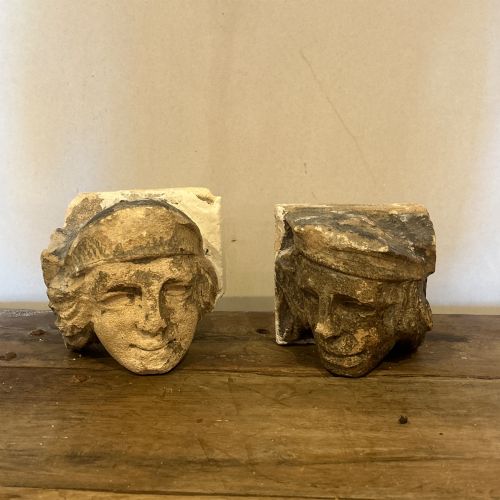
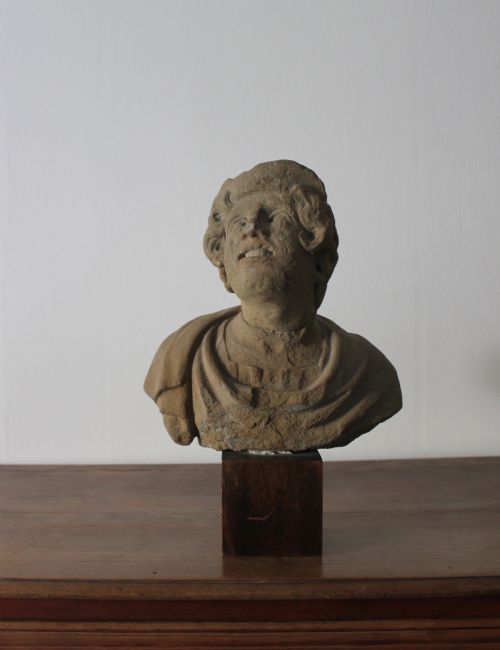
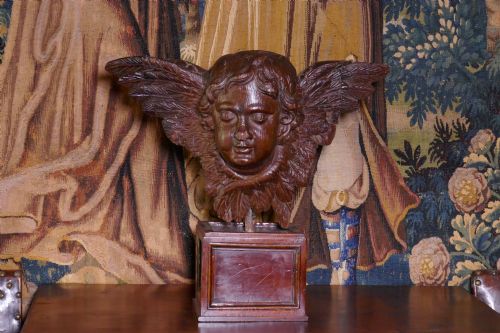
A gothic carved bust captures the austere and dramatic spirit of medieval and revival sculpture, taking the form of stone or wood portrait heads, saints, angels, and study figures. When you search for a gothic carved bust, you encounter objects shaped by centuries of architectural and devotional tradition, ranging from early fragments to nineteenth-century interpretations.
The selections available here lean heavily towards nineteenth-century revivals alongside earlier examples, encompassing limestone, sandstone, oak, walnut, and mahogany. You will find specific forms such as wall plaques, library bookends, pedestals, and architectural fragments that translate sacred and secular portraiture into domestic spaces.
How they were made
Many items originated as architectural salvage or structural elements like corbels and caryatid pedestals before being adapted into independent sculptures and decorative objects. The makers relied on traditional joinery and sculptural subtraction to reveal the subject from solid blocks of material.
Listings span from pre-sixteenth century ecclesiastical fragments to nineteenth-century Victorian Gothic Revival oak, walnut, and limestone works.
What varies in quality
Depth of carving and anatomical expression separate the finest sculptures from simpler workshop productions, with superior pieces showing subtle shifts in expression and crisply defined contours. The handling of material grain in woods like oak and walnut, or the preservation of original tool work in stone, dictates the visual impact.
Historical integrity also defines the tier of a piece, distinguishing between untouched early fragments and later nineteenth-century revival interpretations created during periods of historicist enthusiasm.
The Gothic Carved Bust Glossary
- Corbel
- A structural stone or timber bracket projecting from a wall to support a weight. Medieval examples often feature carved faces or figural busts.
- Caryatid
- A carved architectural figure acting as a support pillar in place of a column. They frequently appear on pedestals and furniture bases.
- Gothic Revival
- An architectural and artistic movement originating in the mid-eighteenth century and flourishing in the nineteenth century. It mimics medieval forms, pointed arches, and ecclesiastical motifs.
- Architectural Salvage
- Building elements rescued from structures undergoing demolition or alteration. These components often include stone busts, corbels, and wooden panels.
- Renaissance Revival
- A nineteenth-century style drawing inspiration from fifteenth and sixteenth-century European art and architecture. It combines classical symmetry with rich surface ornamentation.
Gothic Carved Bust: Frequently Asked Questions
What periods do these busts come from?
The selection spans from pre-sixteenth century medieval pieces and sixteenth-century French work up to nineteenth-century Victorian revivals. Each era brings distinct carving techniques and stylistic priorities to the portraiture.
Makers in the nineteenth century frequently reinterpreted earlier medieval and Renaissance motifs, producing walnut studies, oak plaques, and library bookends inspired by gothic architecture.
How were these stone and wood pieces used originally?
Many objects served architectural functions within churches, civic buildings, or grand houses as corbels, caryatid pedestals, and structural supports. Other items functioned as devotional statues or private study pieces.
Over time, architectural salvage and sculptural fragments transitioned into cabinet collections and decorative display items for domestic interiors.
How do I care for antique carved wood?
Keep carved timber pieces away from direct heat sources and sudden temperature fluctuations to prevent the wood from splitting. Dust them gently with a dry, soft brush rather than using liquid polishes.
Allow the natural patina on oak, walnut, and mahogany to remain undisturbed by harsh cleaning agents.
Are stone sculptures suitable for outdoor display?
Limestone and sandstone items originating as architectural salvage were often designed for exterior environments. However, historic carved stone benefits from shelter against severe frost and persistent dampness to preserve surface detail.
Consult the specific material properties of each limestone or sandstone piece before exposing it to weathering.