



Polychrome Wooden Bust
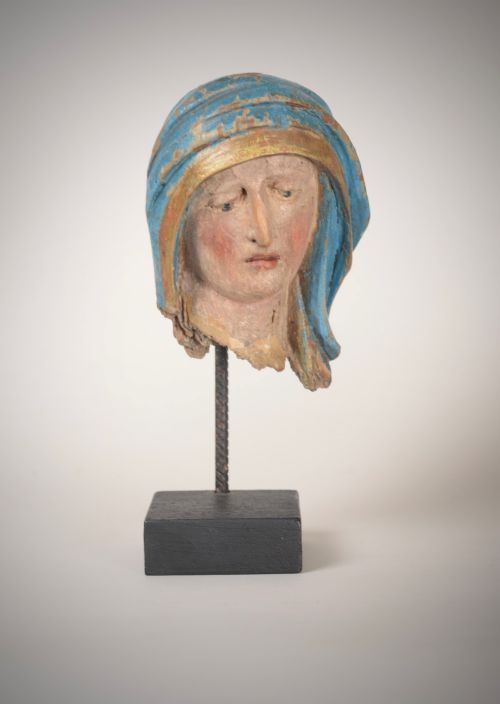
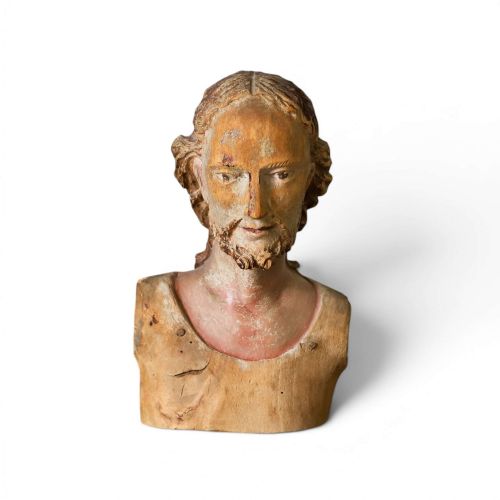
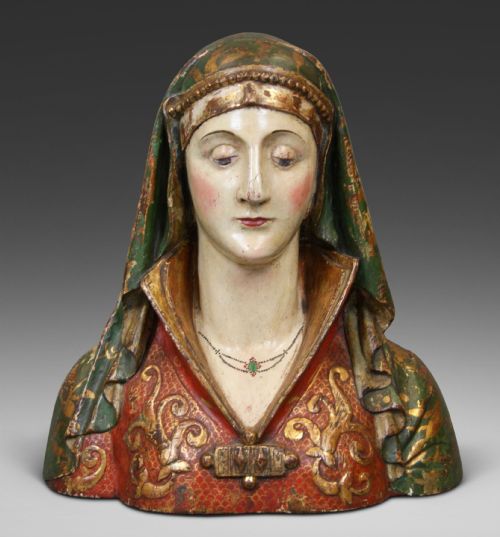
A polychrome wooden bust is a carved sculptural head brought to life with paint and gesso, sought after for its rich texture and historic presence.
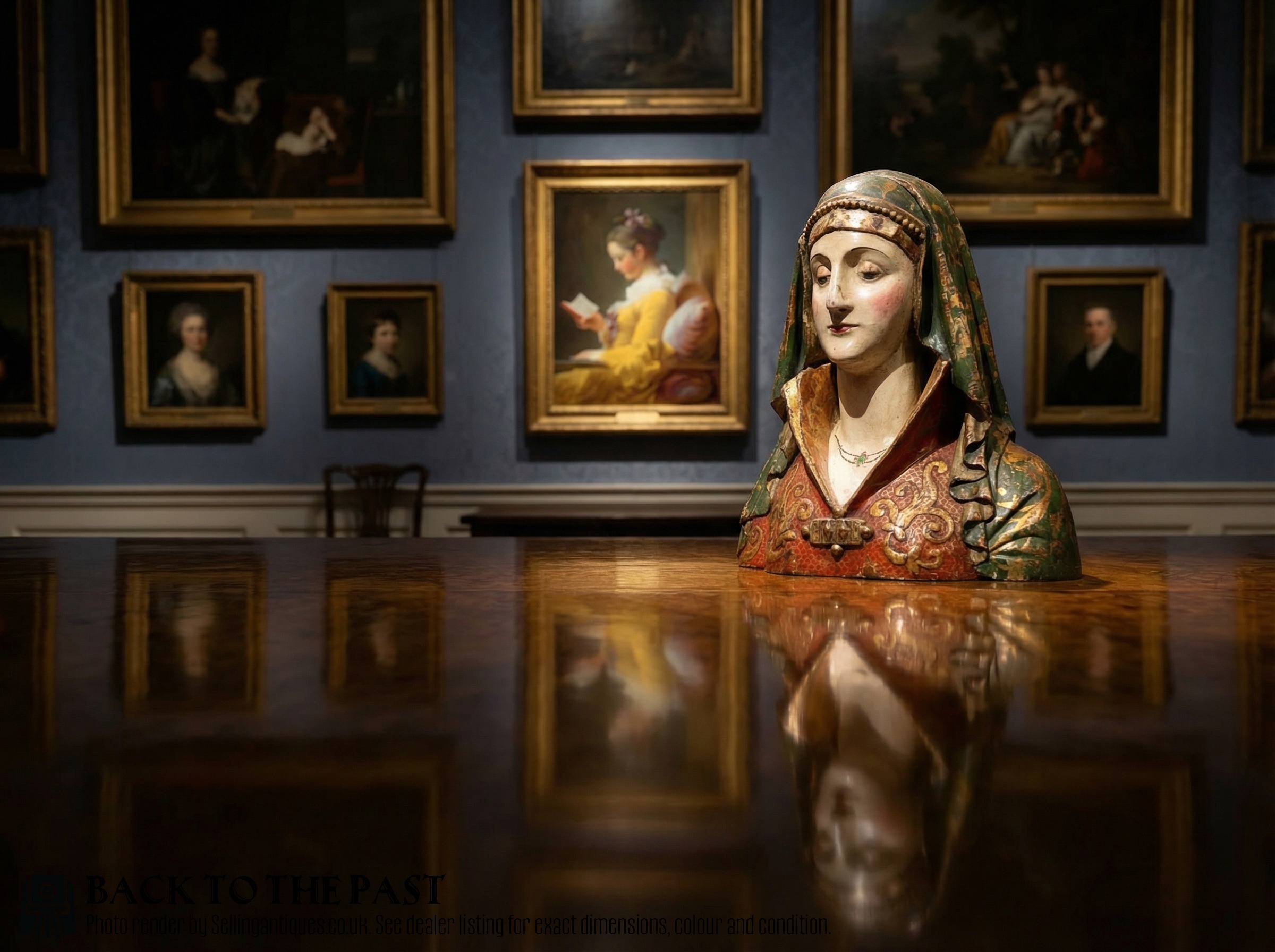
Polychrome Wooden Bust
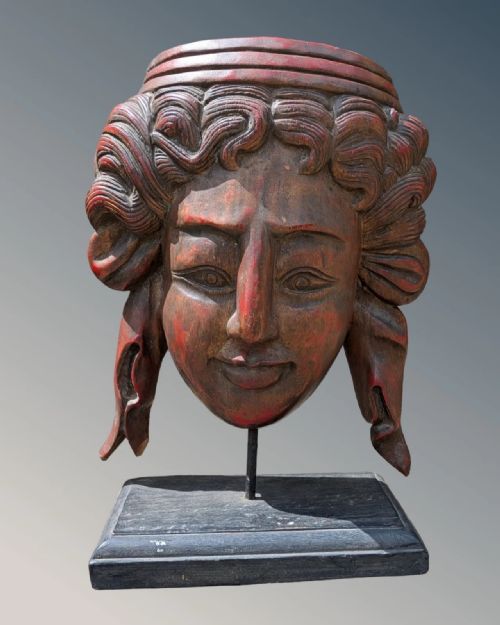
A polychrome wooden bust is a carved sculptural head brought to life with paint and gesso, sought after for its rich texture and historic presence. Buyers exploring this phrase encounter religious figures, saints, and character heads spanning centuries of craftsmanship.
The pieces on this page lean heavily toward devotional art and folk traditions, ranging from Italian and Spanish Baroque carvings to Victorian fairground and puppet heads. These sculptures combine three-dimensional wood carving with surface pigment to create striking visual depth.
Materials and construction
Carved wood forms the structural core of these busts, utilising timber such as olive wood or broader native varieties shaped with chisels and gouges. Artisans then applied a layer of gesso to the wooden base to prepare a smooth, absorbent ground for subsequent decoration.
Polychrome paint and gold leaf were applied over the gesso preparation, building up flesh tones, hair, and vestments with layered pigments. This combination of carved timber and applied colour allowed makers to achieve remarkably lifelike or ornate ritual objects.
Materials recorded across the inventory include carved wood, olive wood, polychrome paint, gesso, and gold leaf.
Judging quality
Quality rests primarily in the expressive capability of the carving and the integrity of the surviving surface decoration. Master carvers captured nuanced facial expressions and anatomical realism, whereas simpler works relied on robust folk art charm.
The preservation of the original polychrome paint and gesso layers significantly dictates the desirability of a piece. Traces of early gilding and untouched historic pigment elevate a sculpture above examples with heavily restored or stripped surfaces.
The Polychrome Wooden Bust Glossary
- Polychrome
- Decoration in multiple colours applied to wood, stone, or terracotta surfaces. This technique defined centuries of religious and decorative sculpture.
- Gesso
- A plaster mixture used as a smooth base layer for paint and gold leaf on wooden objects. It seals the wood grain and secures the pigments.
- Gold leaf
- Gold beaten into extremely thin sheets used to gild portions of a carved bust. It added luminous highlights to vestments and halos.
Polychrome Wooden Bust: Frequently Asked Questions
How were these busts used?
Many served as devotional objects in churches and private chapels, representing saints and biblical figures. Others originated from secular traditions like puppet theatre and fairgrounds.
Religious examples aided prayer and contemplation, while folk carvings provided theatrical or decorative entertainment.
How do I live with one?
Display these sculptures away from direct sunlight and sudden temperature shifts to protect the historic wood and paint. Placing them on a sturdy mantel or dedicated plinth allows the carved details to catch ambient light.
Their distinct character complements both traditional interiors and modern spaces as focal sculptural objects.
How do I tell periods apart?
Early pieces from the sixteenth and seventeenth centuries typically display religious iconography, such as saints or biblical figures, executed in carved wood with remnants of gesso. Later nineteenth-century examples often shift toward secular subjects like fairground figures and puppet heads.
Stylistic shifts from Baroque theatricality to Victorian folk traditions help distinguish the age of each carving.