
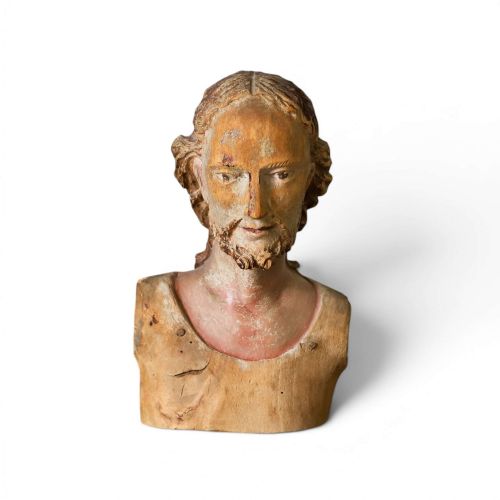


Antique Italian Sacred Art
Antique Italian sacred art brings centuries of devotion into a room through oil paintings, carved wood and metal ex votos.
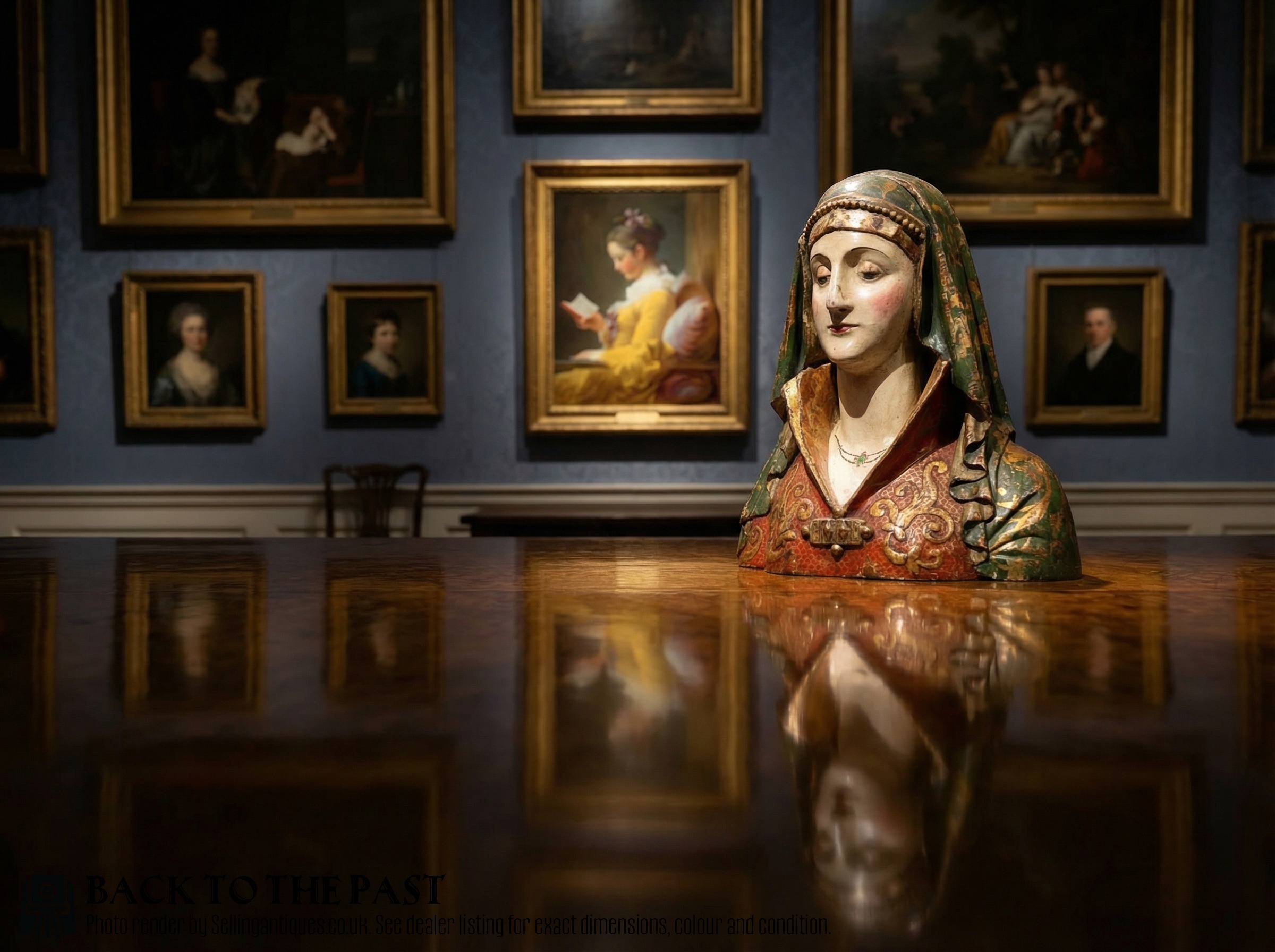
Antique Italian Sacred Art
When you search for antique italian sacred art, you encounter oil paintings, oil on canvas, oil on panel, watercolours, pastel coloured oil paintings, prints, bronze plaques, wall art, sculptures and carved wooden figures. These objects span from the sixteenth century through the eighteenth and nineteenth centuries into the early twentieth century.
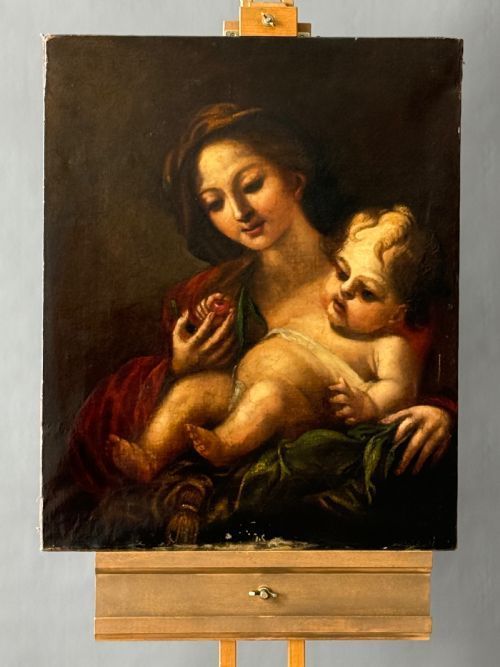
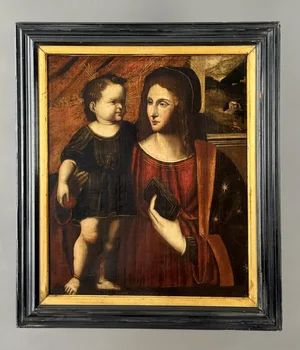
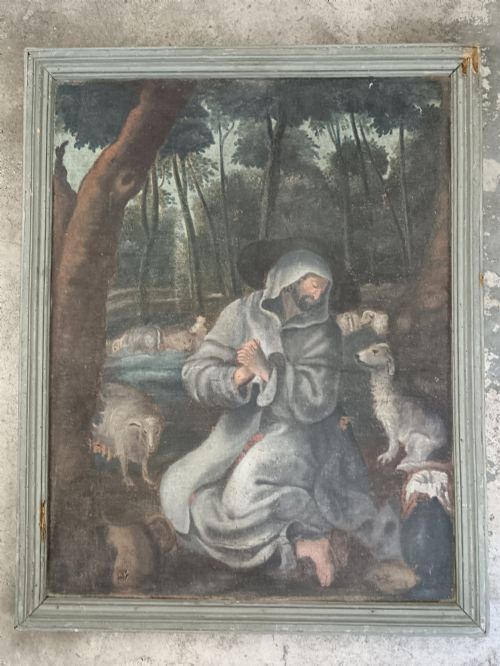
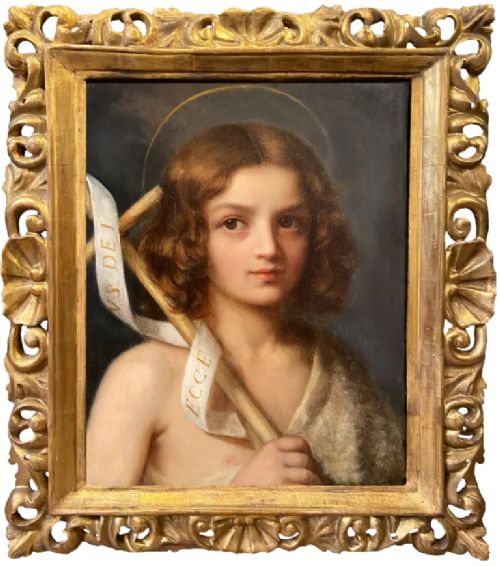
The most common forms on this page are oil paintings and fine art paintings depicting subjects such as the Madonna and Child, the Holy Family, St Francis of Assisi, St John the Baptist and various saints. You also find devotional objects like carved olive wood busts of Christ and Sacred Heart ex votos.
The pieces include works from the Italian school, Italian Baroque style, Renaissance Revival and nineteenth century Italian traditions, often created by followers or workshops of notable masters.
How they were made
Makers utilised canvas, wood panels and olive wood as supports for oil paint, oil, gold leaf and gilt wood. Sculptural works and plaques involve carved wood, polychrome finishes and bronze casting.
Many paintings demonstrate traditional techniques of the Italian school, employing oil paint on canvas to render religious scenes with depth and tonal variation, sometimes revealing pentimenti beneath the surface layers.
Gilding with gold leaf frequently highlights frames and sculptural elements, while woodcarvers applied polychrome pigments to carved heads and figures of saints.
The inventory spans the sixteenth century through the nineteenth century and into nineteen hundred.
What varies in quality
Carved wooden sculptures and bronze plaques vary according to the depth of relief, precision of chisel work and the preservation of original polychrome or patinated surfaces. The handling of drapery and anatomical detail distinguishes superior carving.
The integrity of the canvas or panel support and the stability of the original paint layer influence the visual power of the artwork over time.
Bernardino Luini·Francesco Solimena·Costantino Frixione·Raphael·Antonio Tempesta·Orsola Maddalena Caccia·Gian Federigo Bonzagna
The Antique Italian Sacred Art Glossary
- Pentimento
- A visible trace of earlier painting beneath a layer or layers of paint, showing where the artist changed their composition.
- Polychrome
- Decorated in a variety of colours, frequently applied to carved wood sculptures and figures.
- Oil on canvas
- A painting medium where pigments are suspended in drying oils and applied to stretched fabric.
- Old Master
- A European painter of skill born before about eighteen hundred, or a painting by such an artist.
Antique Italian Sacred Art: Frequently Asked Questions
What subjects appear most often?
Religious imagery dominates these works, particularly depictions of the Madonna and Child, the Holy Family and various saints.
Scenes from the life of Christ, including the Lamentation and the death of Christ, also recur frequently across paintings and bronze plaques.
How do I identify the period?
Dating relies on stylistic evidence, handling of paint, costume details and the physical characteristics of the wood or canvas support.
Pieces range from sixteenth century Renaissance styles through seventeenth and eighteenth century Baroque works to nineteenth century academic interpretations.
Where were these objects created?
These items originate from Italy, reflecting regional artistic traditions such as the Italian school, Sicilian woodcarving and the Veronese school.
Many pieces emerged from local workshops or followers of prominent Italian painters.
How should I display them?
Oil paintings and wall art suit placement away from direct sunlight on stable interior walls with controlled humidity.
Carved wooden figures and bronze plaques require secure shelving or brackets where their relief details can catch natural light.