



Italian Carved Saint
An italian carved saint brings centuries of devotional devotion and skilled craftsmanship into a room.

Italian Carved Saint
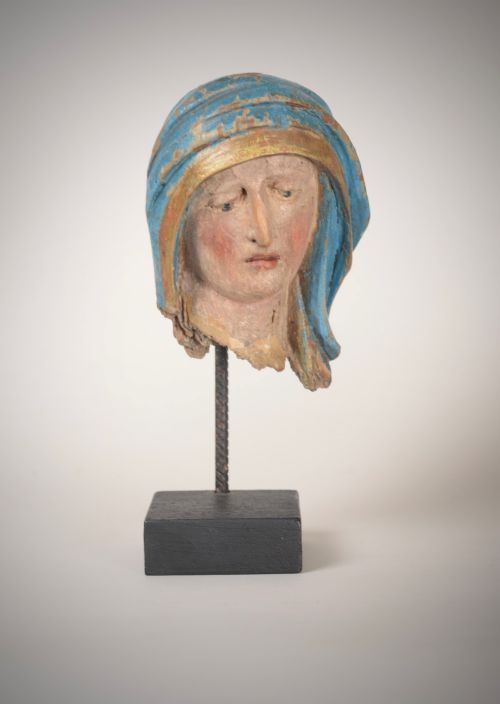
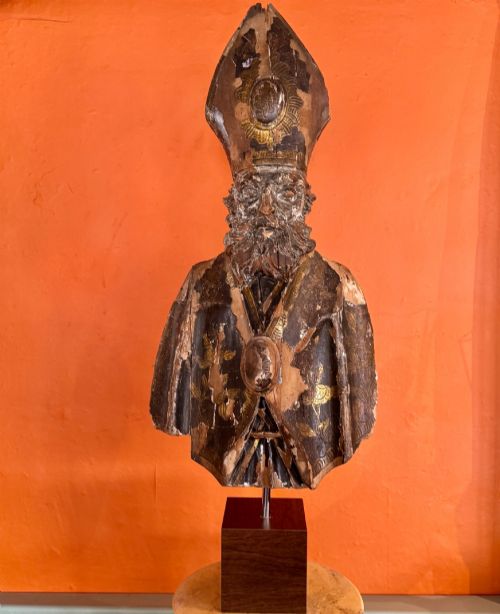
When you search for an italian carved saint, you encounter historic wooden sculptures and religious figures originating from Italy across several centuries. These pieces encompass ecclesiastical busts, processional figures, fragments, and folk art statues depicting various holy figures.
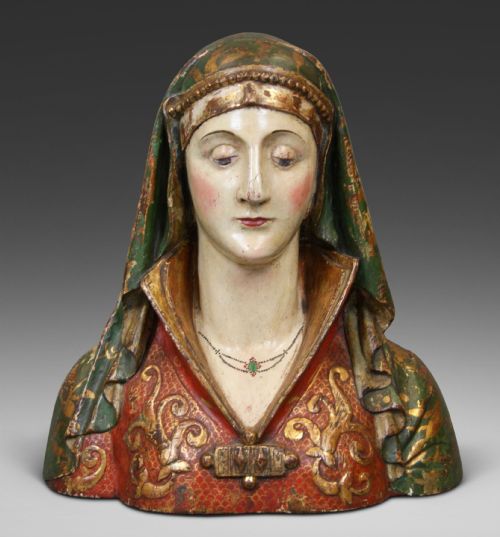
The objects present on this page span from the seventeenth century through the nineteenth century, reflecting both high baroque artistry and regional religious folk traditions. You are most likely to meet carved wooden pieces embellished with gesso, gold leaf, and polychrome pigments.
Some examples take the form of miniature works, angels, and specific saints such as Saint Anthony of Padua, Saint John the Baptist, and bishops. Each piece carries the marks of its ecclesiastical origin and the hands that shaped it for prayer and display.
Materials and construction
Carved wood forms the structural core of these sculptures, worked by artisans using traditional gouges and chisels to shape figures from timber. This wooden base often receives a layer of gesso to create a smooth surface for subsequent decoration.
Polychrome paint and oil paint bring the figures to life through layered coloration of robes, flesh tones, and hair. Gold leaf and giltwood applications add rich metallic brilliance, highlighting halos, garments, and architectural framing elements.
Listings feature works spanning the seventeenth to the nineteenth century, utilising carved wood, gesso, polychrome, and gold leaf.
Assessing quality and character
The preservation of original surface treatments dictates much of the character, particularly the integrity of early polychrome paint and the warm patina of exposed wood. Surviving traces of original gold leaf and gesso indicate a higher degree of original craftsmanship and care.
The Italian Carved Saint Glossary
- Polychrome
- Decoration executed in multiple colours on the surface of wood or gesso. This technique gives statues lifelike hues for religious devotion.
- Gesso
- A plaster mixture applied to wood surfaces to prepare them for gilding and painting. It provides a smooth ground for fine detail work.
- Giltwood
- Wood that has been treated with a thin layer of gold leaf. It creates a luminous, reflective finish characteristic of baroque church furnishings.
- Ecclesiastical bust
- A sculptural representation of a religious figure from the chest up, often depicting bishops or saints. These were created for church interiors and private chapels.
- Santos
- A carved figure of a saint used in religious processions and domestic shrines. They frequently feature articulated limbs or remnants of historic garments.
Italian Carved Saint: Frequently Asked Questions
How were these statues used?
Historic figures served within churches, private chapels, and domestic settings as focal points for prayer and contemplation. Processional statues participated in religious festivals and street marches.
Smaller figures and busts occupied domestic shrines or ecclesiastical interiors, bringing sacred narratives into everyday spaces.
How do I care for carved wood?
Maintain stable indoor humidity levels to prevent the historic wood from drying out or splitting. Keep pieces away from direct sunlight and heat sources to protect delicate polychrome paint and gesso.
Dust gently with a soft, dry brush without applying cleaning agents or water to the historic surfaces.
How can I tell the period?
Stylistic indicators such as high baroque theatricality or restrained folk traditions point towards specific centuries. Tool marks, wood type, and the ageing of gesso and paint layers help determine age.
Comparing structural construction methods against known seventeenth, eighteenth, and nineteenth-century examples clarifies the timeline of creation.