





Classical Allegory Statue
A classical allegory statue gives a room its literary backbone, bringing personified figures of harvest, seasons, and myth cast in bronze, marble, and porcelain.
Classical Allegory Statue
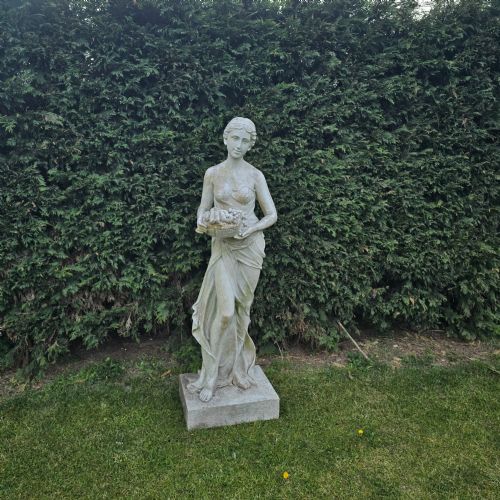
A classical allegory statue represents abstract concepts through human form, most frequently personifying the seasons, virtues, or mythological archetypes. You will find these pieces rendered as freestanding sculptures, garden statues, and porcelain figurines.
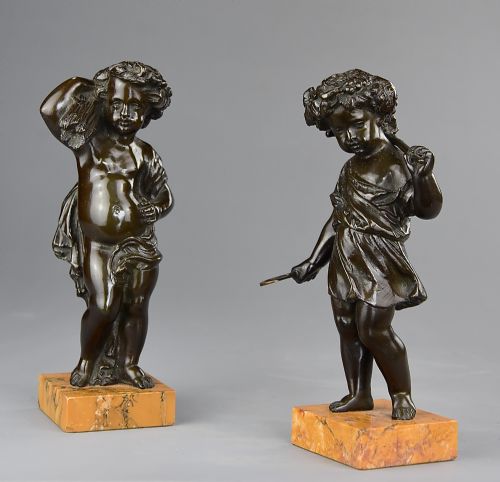
The selections span from late nineteenth century bronze harvest putti to early twentieth century alabaster figures and French neoclassical bronzes. Makers draw upon neoclassical and French rococo revival styles to embody themes like autumn, summer, and fortune.
Materials and construction methods
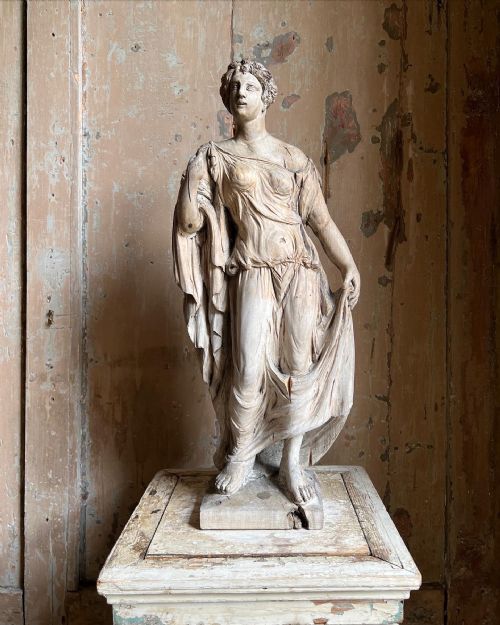
Foundries cast these figures in bronze and patinated bronze, utilising lost-wax techniques that capture fine drapery and musculature. Sculptors also carved them directly from marble, alabaster, and limewood.
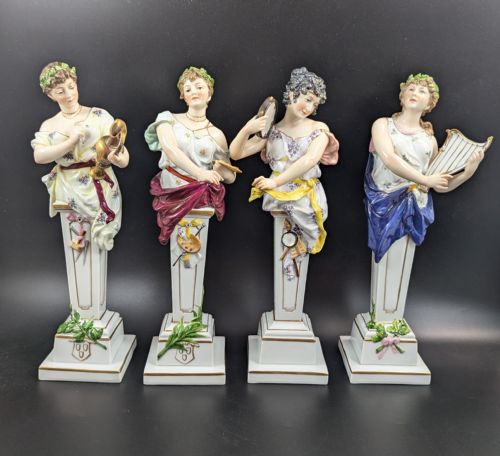
Ceramic works rely on porcelain and biscuit, shaped into figurines and finished with enamel details. Garden pieces utilise cast stone and reconstituted stone for durability outdoors.
Periods represented include the eighteenth century, nineteenth century, and early twentieth century up to nineteen fifty.
Understanding quality differences
Quality rests on the crispness of the chasing in metalwork and the depth of carving in wood and stone, where finer hands preserve the anatomy and expression of the subject. Casts with muddled details or thick patination obscure the underlying form.
Proportion and stance dictate the visual balance of the piece, distinguishing finely rendered works by named sculptors from commercial foundry productions.
Claude Michael Clodion·S Kinsburger·Hans Müller·Achille Mollica·James Pradier·Delafontaine
The Classical Allegory Statue Glossary
- Allegory
- A symbolic representation where physical figures stand for abstract ideas such as seasons, virtues, or arts. This device underpins the iconography of neoclassical sculpture.
- Patinated bronze
- Metal treated with chemical solutions to produce a coloured surface finish. This technique enhances depth and shadow across the sculpted form.
- Biscuit
- Unglazed white porcelain fired to a matte texture resembling marble. It became popular for neoclassical figurines in the eighteenth and nineteenth centuries.
- Grand Tour
- Cultural travel undertaken by wealthy Europeans to collect classical antiquities and souvenirs. Figures acquired on these journeys often depicted mythological deities and allegorical subjects.
- Putto
- A plump, naked male child depicted in classical art, often winged and associated with harvest or mythological scenes. Pairs of these figures frequently symbolise agricultural abundance.
Classical Allegory Statue: Frequently Asked Questions
What is a classical allegory statue?
A classical allegory statue is a sculpted human figure that symbolises an abstract concept, season, or virtue rather than a specific portrait. These works draw upon classical mythology and neoclassical traditions.
They appear across various materials including bronze, marble, carved wood, and porcelain, reflecting the decorative tastes of the eighteenth, nineteenth, and early twentieth centuries.
How were these statues used?
Historically, smaller figures served as cabinet pieces or table ornaments in salons and libraries, while larger bronzes anchored drawing room displays. Garden statues were placed outdoors to complement landscape architecture.
Collectors bought Grand Tour pieces as evidence of classical education and refined travel experiences.
Where should I place a bronze allegory?
Place bronze allegorical figures on sturdy wooden pedestals, console tables, or mantels where their patination catches ambient light. Smaller putti and figurines suit enclosed display cabinets or desks.
Ensure the scale of the sculpture matches the furniture supporting it so the composition remains balanced.
How do I identify the subject?
Inspect the attributes held by the figure, such as wheatsheaves for autumn, flowers for summer, or specific tools and animals associated with mythological deities. These iconographic clues reveal the precise allegory intended by the sculptor.
Signatures or foundry marks inscribed on the base often point to the maker and period.