

English Victorian Clock
When you search for an english victorian clock, you step into a world of dial clocks, fusee movements and mahogany wall pieces made to keep time with quiet precision.
English Victorian Clock
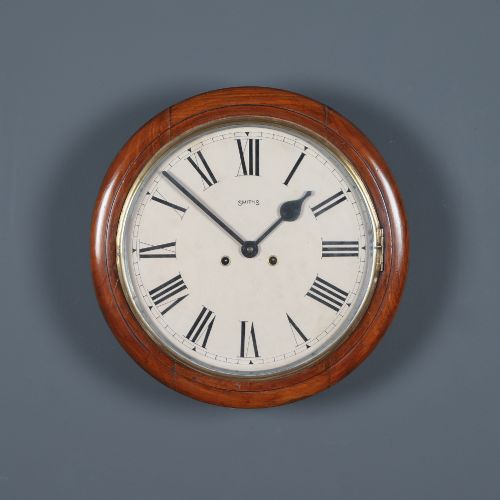
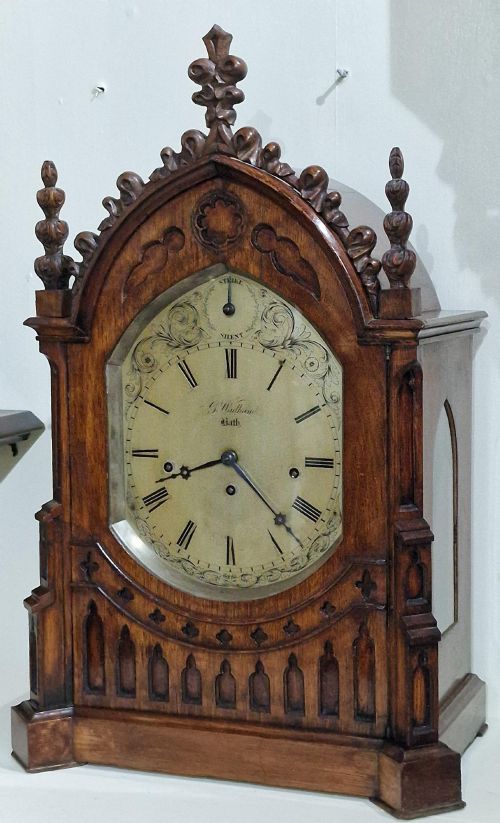
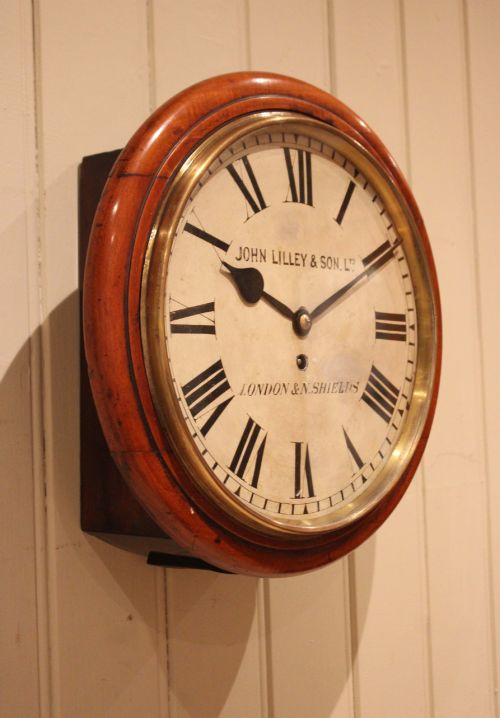
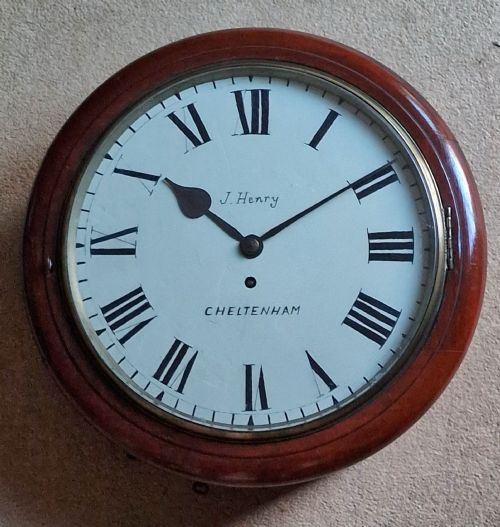
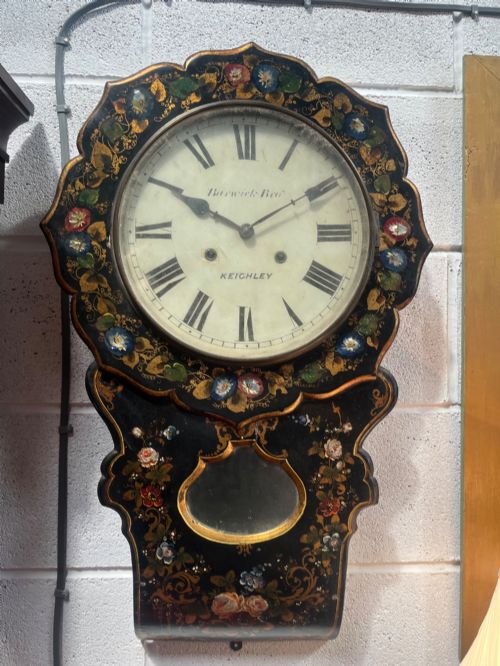
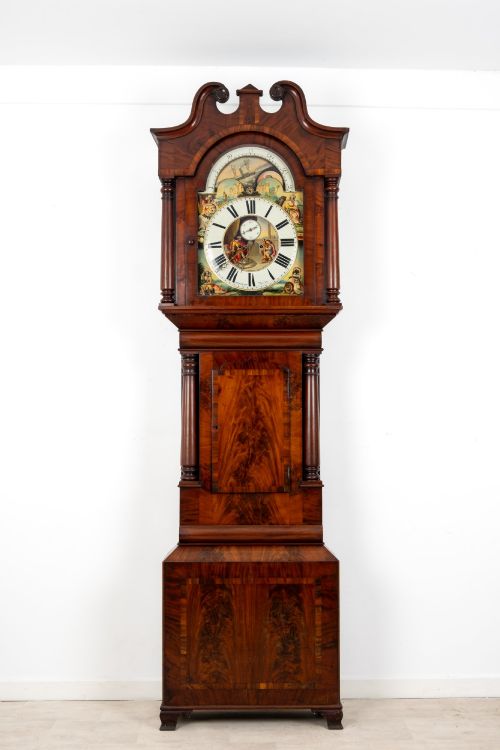
An english victorian clock encompasses wall-hung dial pieces, robust bracket clocks for the table, and tall longcase forms that dominate a room. You will most frequently meet dial wall clocks and fusee-driven timepieces originating from the nineteenth century.
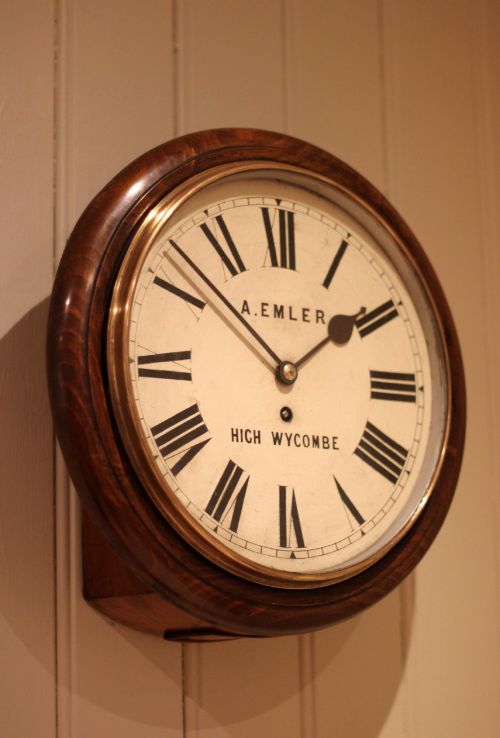
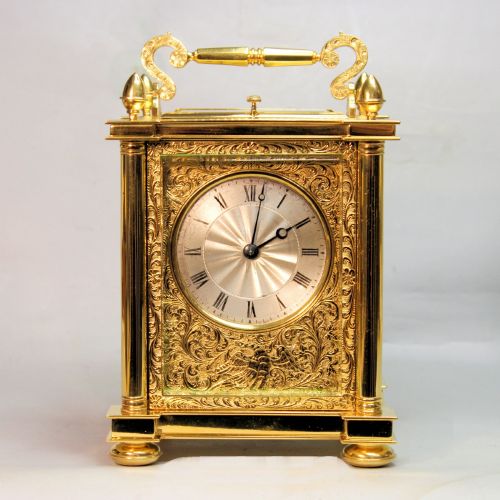
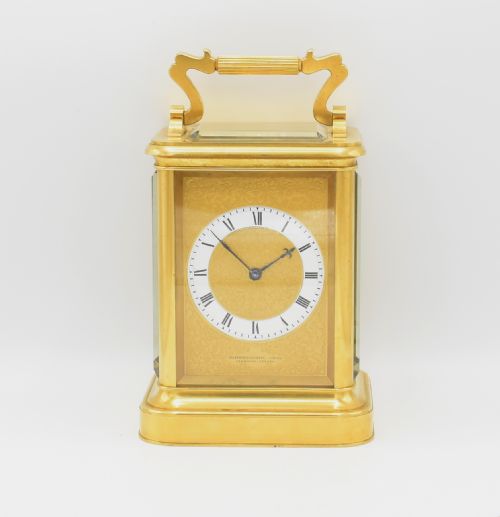
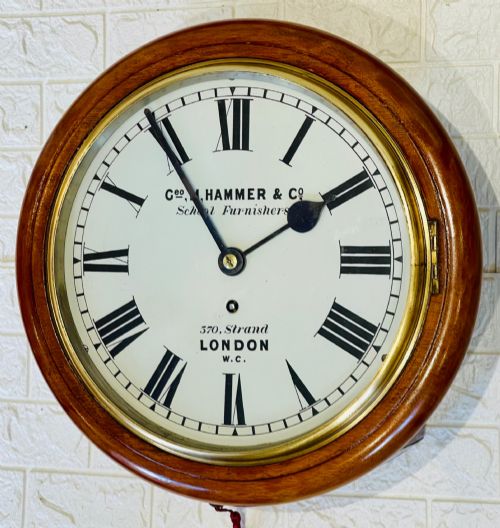
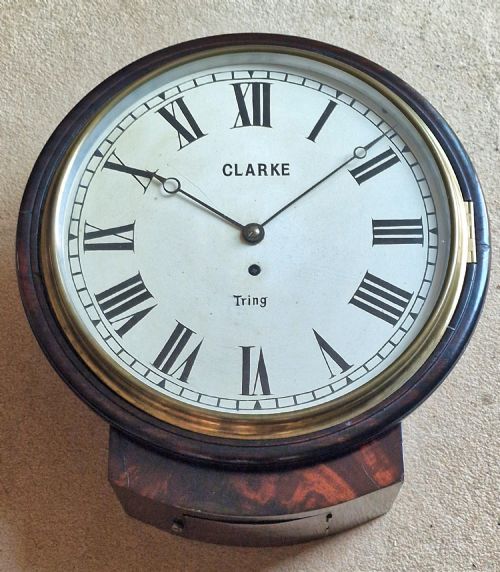
The material record shows timber frames in mahogany, oak, and rosewood, alongside heavy brass carriage clocks and glass display domes. Makers placed these timepieces in railway stations, schools, offices, and domestic parlours across Britain.
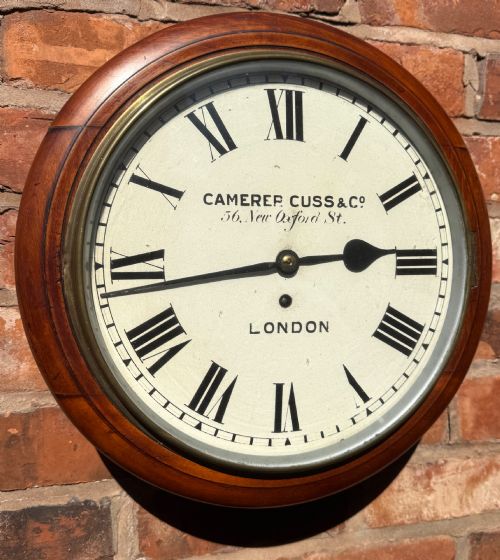
Many survivors carry the names of provincial makers and major London retailers on their painted faces, marking a period when accurate timekeeping became central to daily life.
Distinctions in Quality
The refinement of the movement sets the standard, separating simple timepieces from complex twin or triple fusee striking mechanisms that demand meticulous hand-finishing.
Case timber selection and secondary details like engraved backplates, silvered metal dials, and crisp carved mouldings mark out pieces made for discerning patrons.
The archive and active listings span the Victorian era, the Edwardian period, and the Regency style.
Cousens And Whiteside·Camerer Cuss And Co·George Wadham·Goldsmiths Alliance Ltd·Parkinson Bros·Richard Winter·Pickford Of London·Webster Cornhill·Spurge Dunmow·Joseph Bird·Samuel Chave·Mappin And Webb·Thwaites·Halliday And Rich·John Walker·Dent·H G Hall
The English Victorian Clock Glossary
- Fusee
- A conical pulley used in clock movements to equalize the declining power of the mainspring. This mechanism ensures consistent torque and steady timekeeping as the spring runs down.
- Bracket Clock
- A portable clock designed to sit on a bracket or table. These spring-driven pieces often feature elaborate wooden cases and striking trains.
- Dial Clock
- A wall-mounted clock featuring a prominent circular face. They were widely used in public spaces, railway stations, and domestic halls during the nineteenth century.
- Skeleton Clock
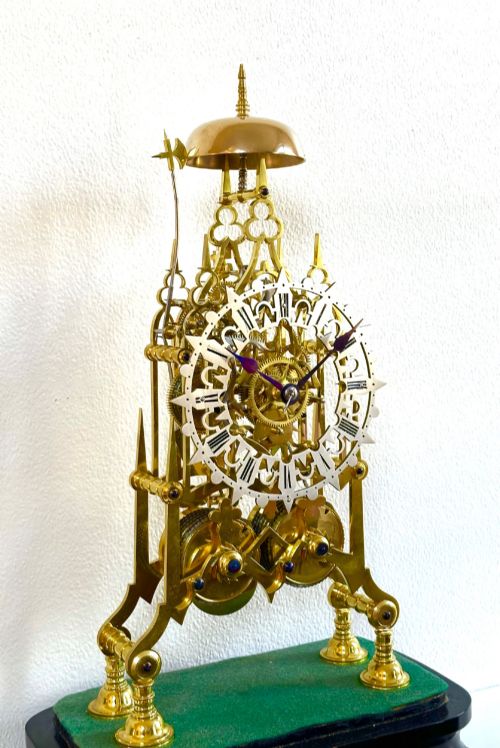
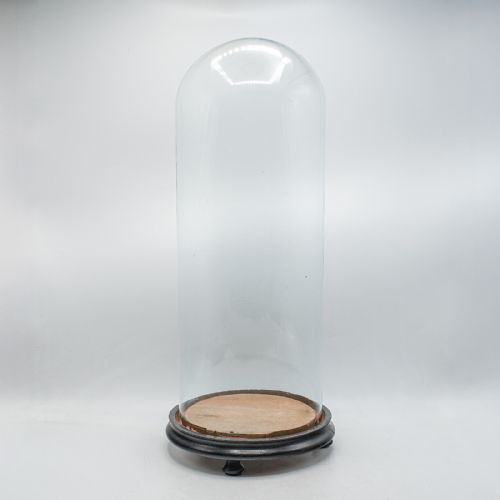
- A timepiece with an open framework designed to expose the gear train and escapement. These pieces are often protected beneath glass domes.
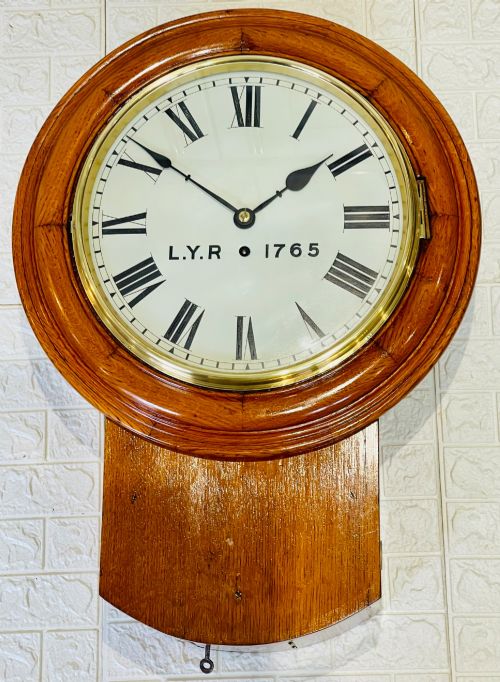
- Drop Dial Clock
- A wall clock where the circular dial sits above a lower case extension that houses the pendulum. This shape accommodates the swing of the pendulum while keeping the clock compact.
English Victorian Clock: Frequently Asked Questions
How do fusee movements work?
A fusee movement uses a conical pulley connected to the mainspring via a chain or cord. As the spring unwinds, the chain moves to a wider part of the cone, balancing the declining force.
This clever mechanical design ensures the clock receives steady power throughout its running cycle, resulting in much more accurate timekeeping.
Where were dial clocks originally hung?
Dial clocks were essential fixtures in public and commercial spaces across Britain. You found them in railway stations, schools, offices, and large hotel lobbies.
Their clear circular faces and robust movements made them easy to read from a distance for workers and travellers alike.
How do I wind a chain fusee clock?
Winding requires a key inserted into the dial hole to pull the chain back up the fusee cone. You must turn the key smoothly and stop as soon as resistance indicates a full wind.
Careful handling protects the delicate chain and internal teeth from sudden tension spikes during the winding process.
Are skeleton clocks meant for glass domes?
Skeleton clocks feature exposed gear trains that gather dust and moisture easily. Glass domes protected these intricate mechanisms while allowing uninterrupted viewing from all angles.
Many surviving skeleton clocks retain their original blown glass covers and wooden bases.