
English Porcelain Plates
English porcelain plates bring cabinet display and table service together through centuries of factory skill.
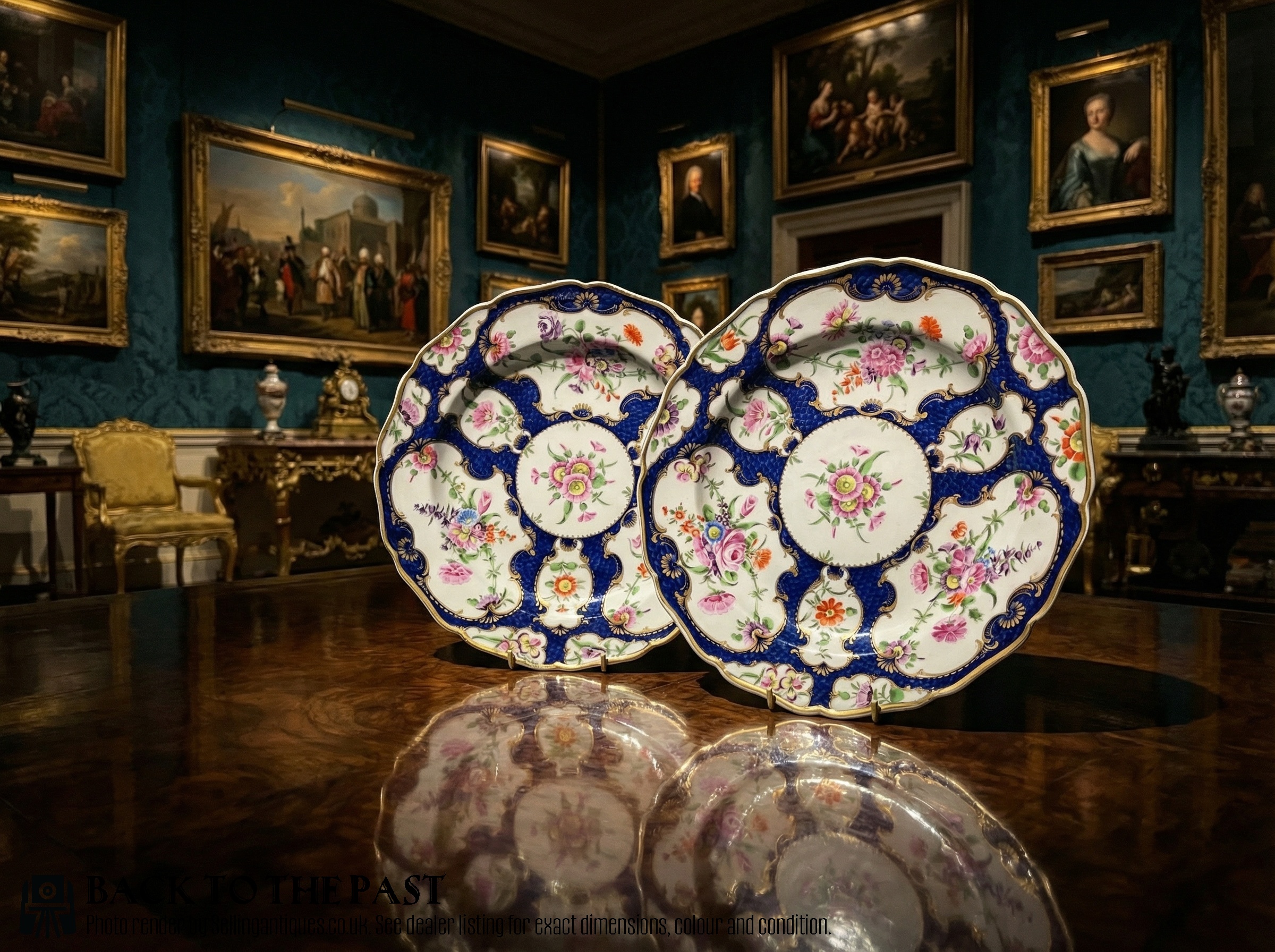
What english porcelain plates are
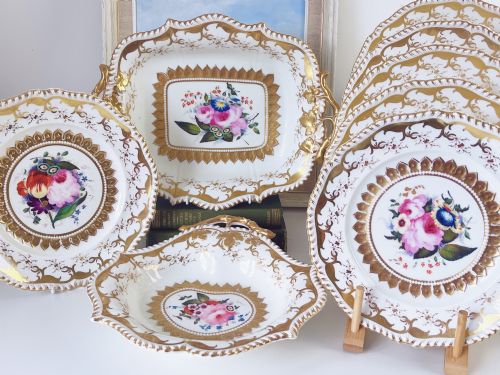
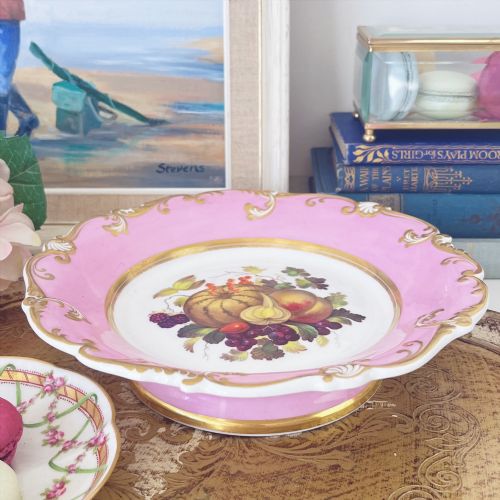
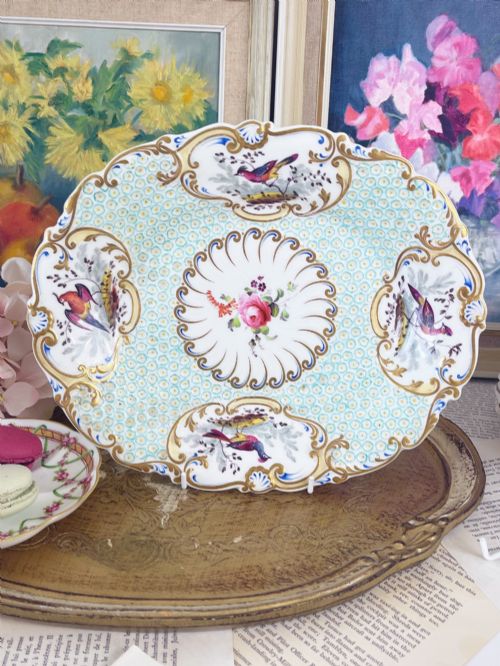
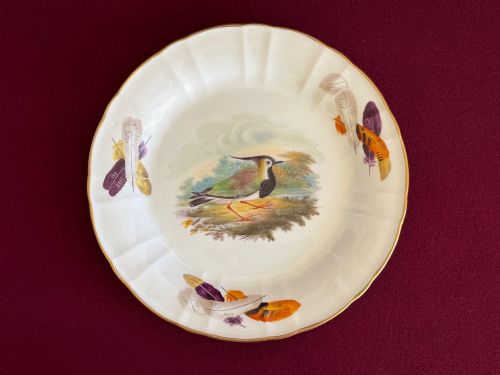
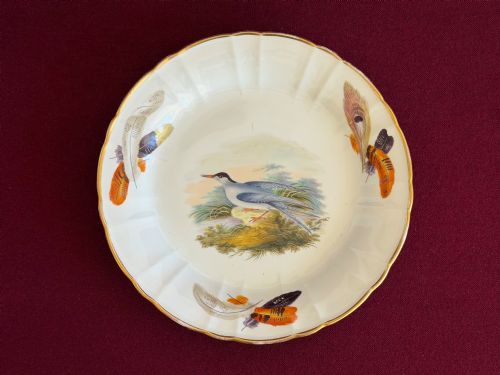
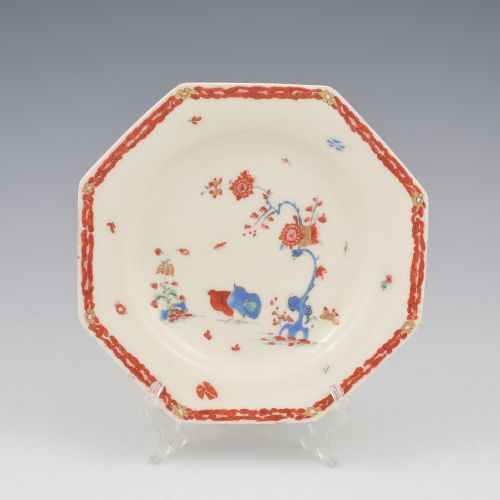
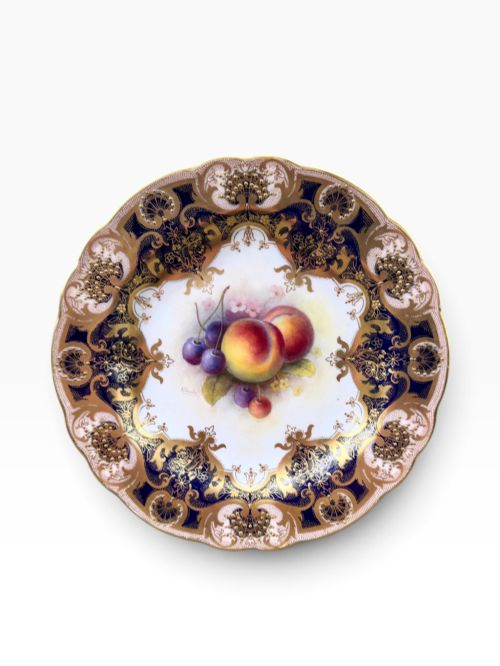
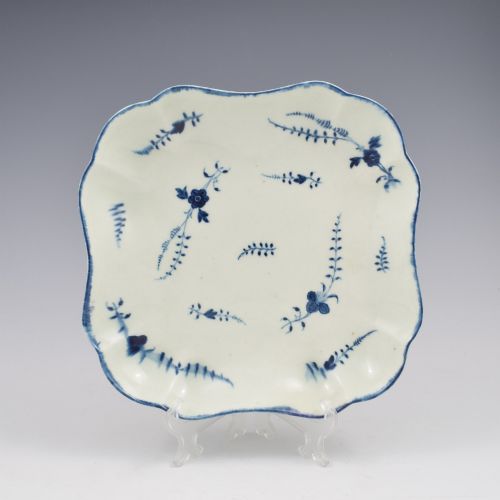
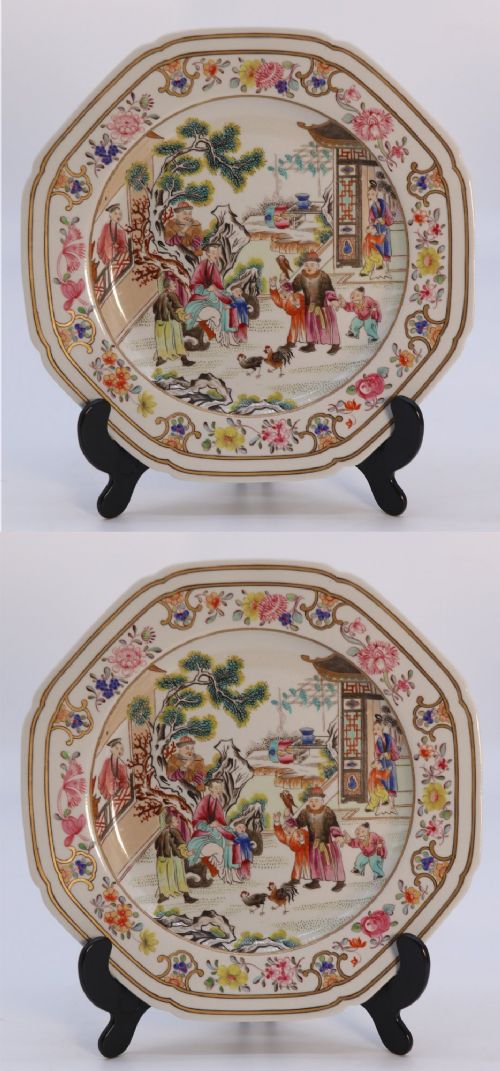
English porcelain plates span formal cabinet display pieces and dessert services made across multiple historical periods. When searching for english porcelain plates, buyers encounter forms ranging from cabinet plates to dessert plates and dinner plates.
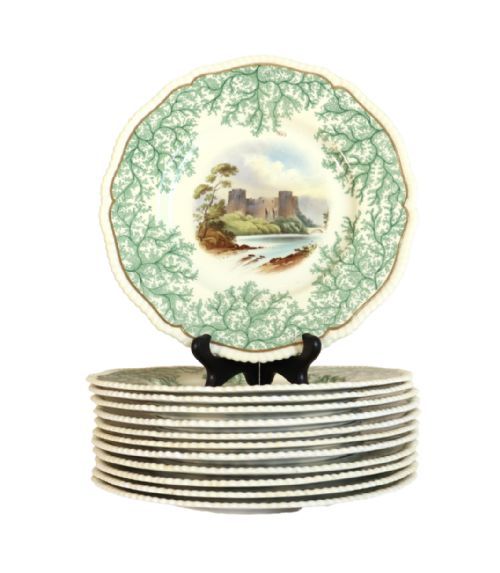
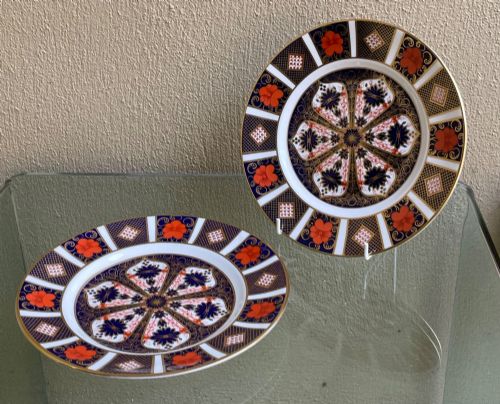
The selections on this page draw from Victorian, Georgian, and twentieth-century eras, alongside specific nineteenth-century items. Factory output includes named views, decorative designs, and traditional Imari style patterns.
How they were made
Makers utilised porcelain and bone china alongside soft-paste porcelain to shape the body of each plate. The forming process required careful kiln firing to achieve a durable ceramic base ready for decoration.
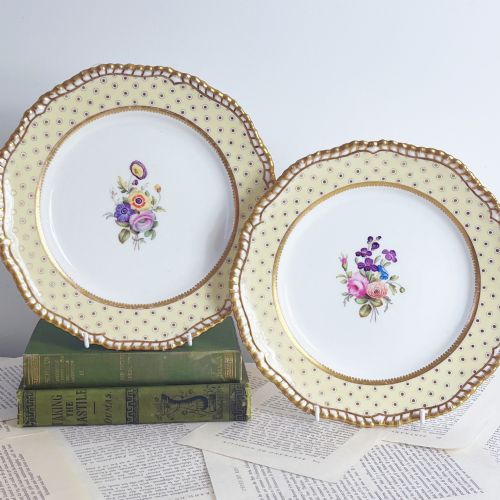
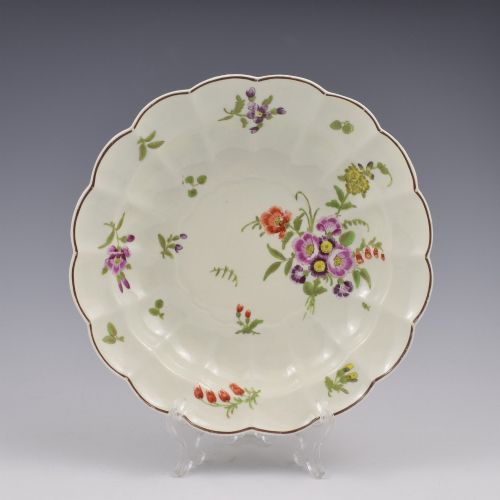
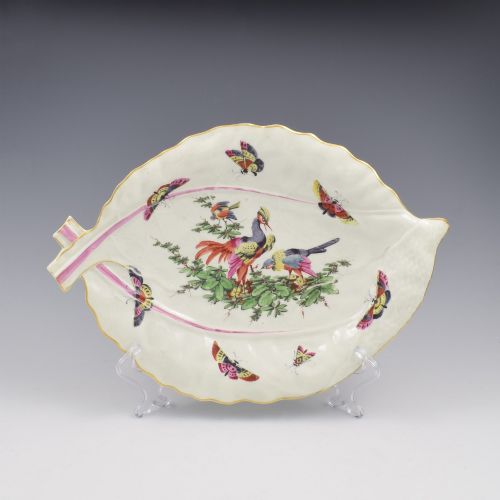
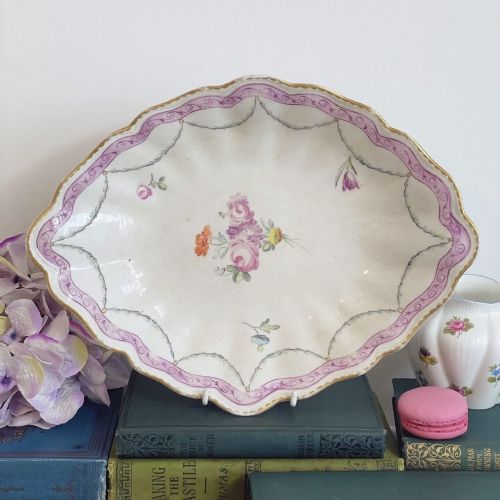
Decoration relied on applied enamel colours and gilding, with specific pieces incorporating gold leaf highlights. Skilled painters added detailed scenes, such as named views, directly onto the glazed ceramic surface.
Retail Price Guide 2026
Typical UK retail prices for english porcelain plates, calculated from the Sellingantiques database of over a million retail prices indexed since 2003. This retail price guide relies exclusively on Sellingantiques data; no external sources or auction records are used, so the figures do not describe the wider market.
Listings feature items from the Georgian and Victorian eras, alongside twentieth-century productions from nineteen-fifty and nineteen-twenty.
What varies in quality
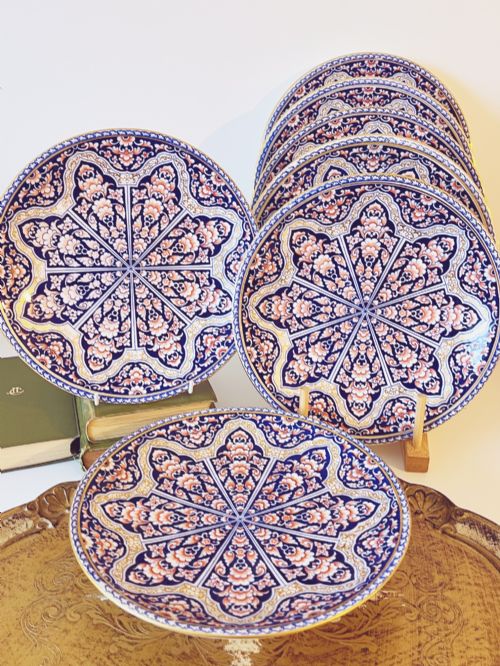
Quality differences depend on the precision of the hand-painted details and the crispness of the transfer-printed or hand-applied enamel work. Finer examples display meticulous brushwork on complex motifs like Imari style patterns or landscape views.
The application of gilding and gold leaf separates standard production from superior pieces. Weight, translucency of the porcelain body, and the prestige of the originating factory further define the hierarchy among these plates.
Royal Crown Derby·Spode·Aynsley·Royal Worcester
The English Porcelain Plates Glossary
- Bone china
- A type of porcelain containing bone ash, developed to increase strength and whiteness. It became a standard material for British tableware production.
- Soft-paste porcelain
- An early ceramic composition fired at lower temperatures than hard paste, creating a distinctively warm glaze surface. Eighteenth-century factories relied heavily on this formula.
- Imari style
- A decorative scheme inspired by Japanese export wares, featuring iron red, cobalt blue, and gold highlights. English factories frequently adopted this palette for dessert and cabinet services.
- Gilding
- The application of gold or gold leaf to ceramic surfaces for decorative enhancement. Skilled artisans burnished the metal to achieve a bright finish against the enamel colours.
- Dessert plate
- A smaller plate specifically intended for the final course of a formal meal. These items often received more elaborate decoration than standard dinner wares.
Frequently Asked Questions
What is the difference between bone china and soft-paste porcelain?
Bone china incorporates animal bone ash into the clay mixture, resulting in a durable and bright white material.
Soft-paste porcelain uses a mixture of white clay and ground glass or frit, creating a softer body typical of earlier production periods.
How were cabinet plates used compared to dessert plates?
Cabinet plates were primarily intended for display in dedicated furniture pieces rather than for dining purposes.
Dessert plates formed part of active dining services used for serving the final course of a meal.
How do I identify the period of an English plate?
Makers often incorporated factory marks, pattern numbers, or specific symbols on the underside of the ceramic body.
Style indicators, such as Regency motifs or Victorian named views, provide additional clues for dating an item.
What does Imari style mean on English ceramics?
Imari style refers to a distinct decorative palette copying Japanese wares from the port of Imari.
It typically combines cobalt blue underglaze with iron red and gold leaf details over the glaze.
Can these plates still be used for dining?
Many antique plates remain structurally sound enough for gentle service, particularly bone china examples.
Collector items with delicate gilding or soft-paste bodies are generally reserved for display to preserve their condition.