


English Lead Crystal Glass
English lead crystal glass spans centuries of drinking vessels, bringing clarity and heft to the table.
English Lead Crystal Glass
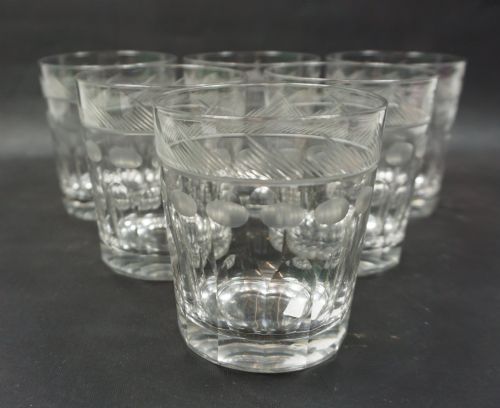
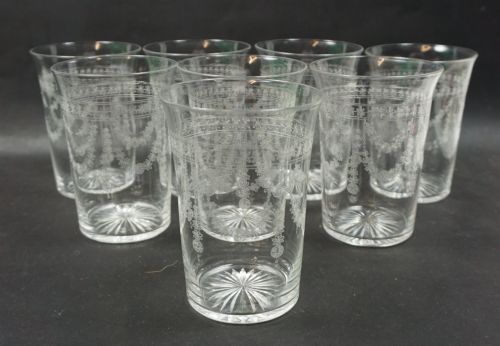
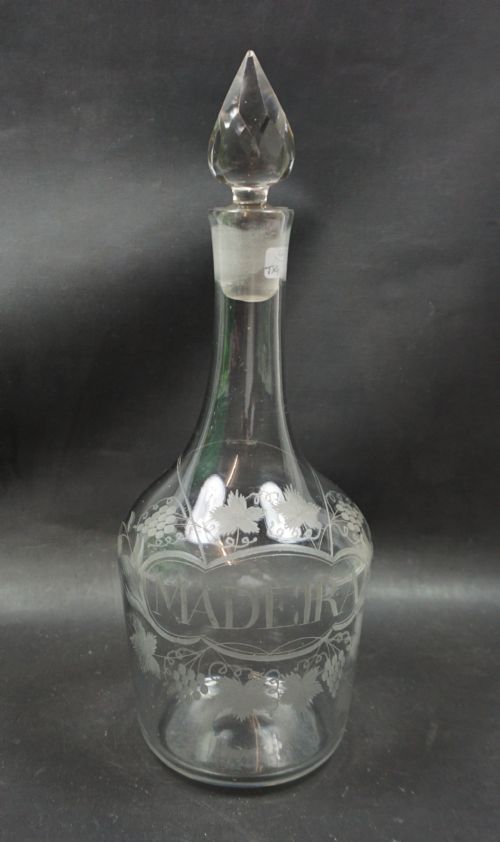
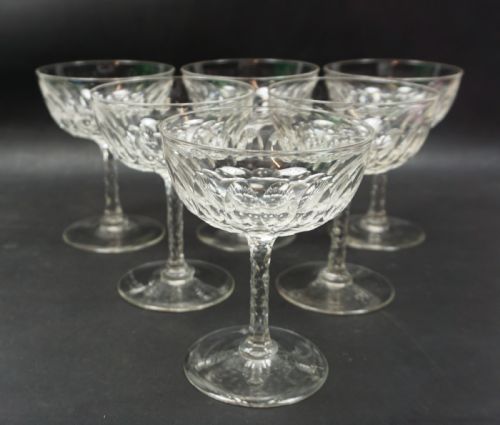
When you search for english lead crystal glass, you encounter drinking vessels ranging from mid-eighteenth-century wine glasses to Victorian rummers and decanters. The pieces on this page lean heavily towards Georgian stemware alongside later nineteenth- and twentieth-century tumblers and flutes.
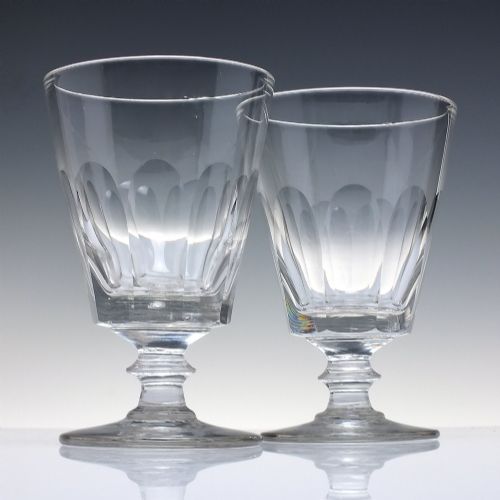
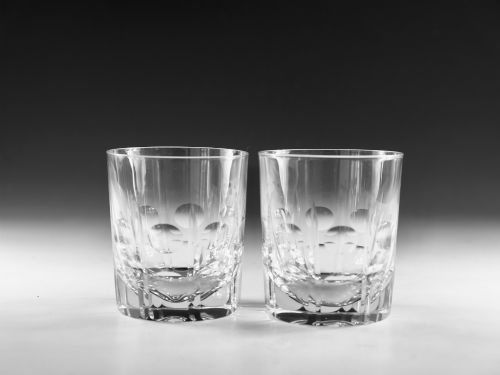
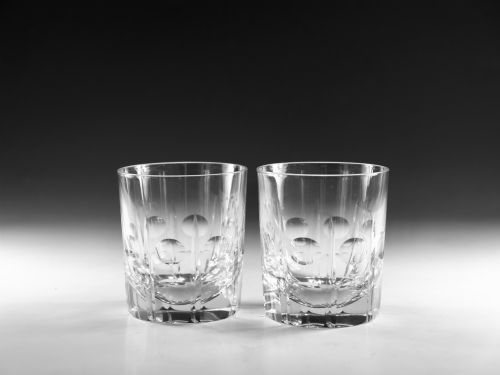
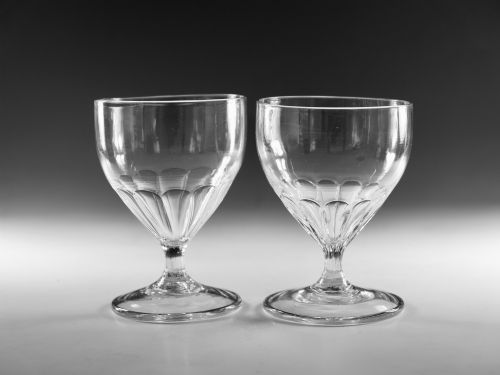
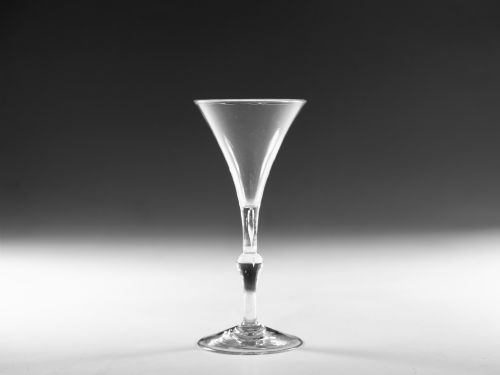
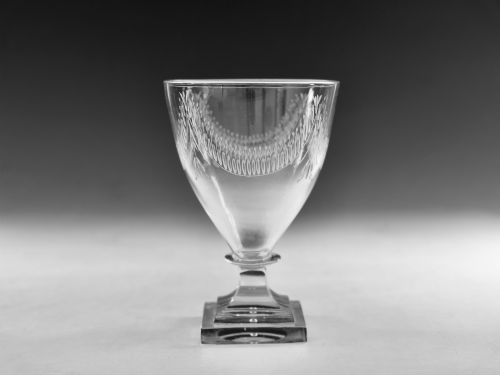
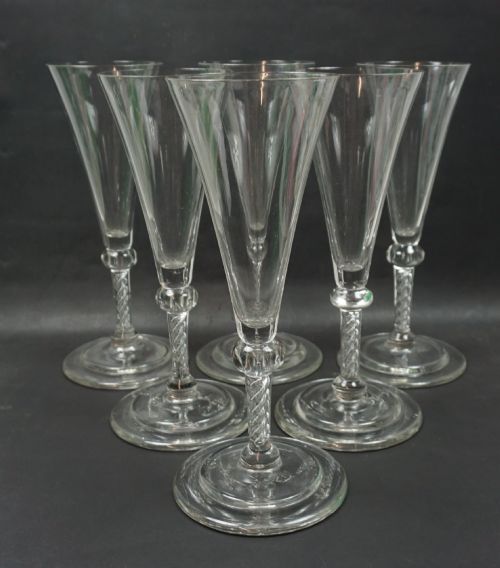
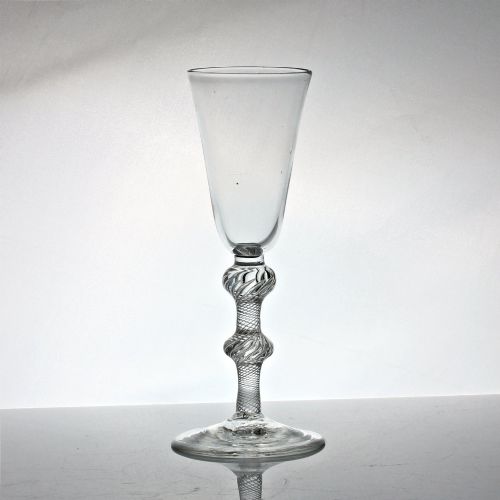
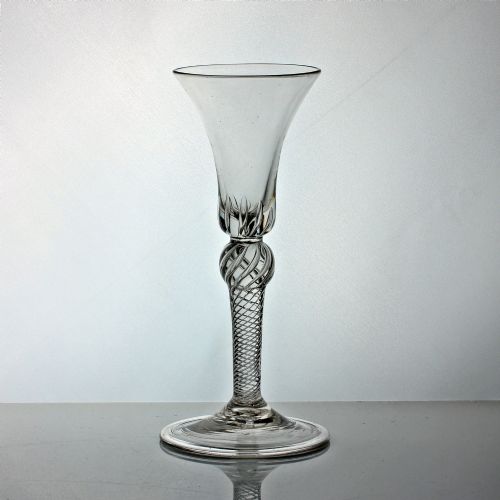
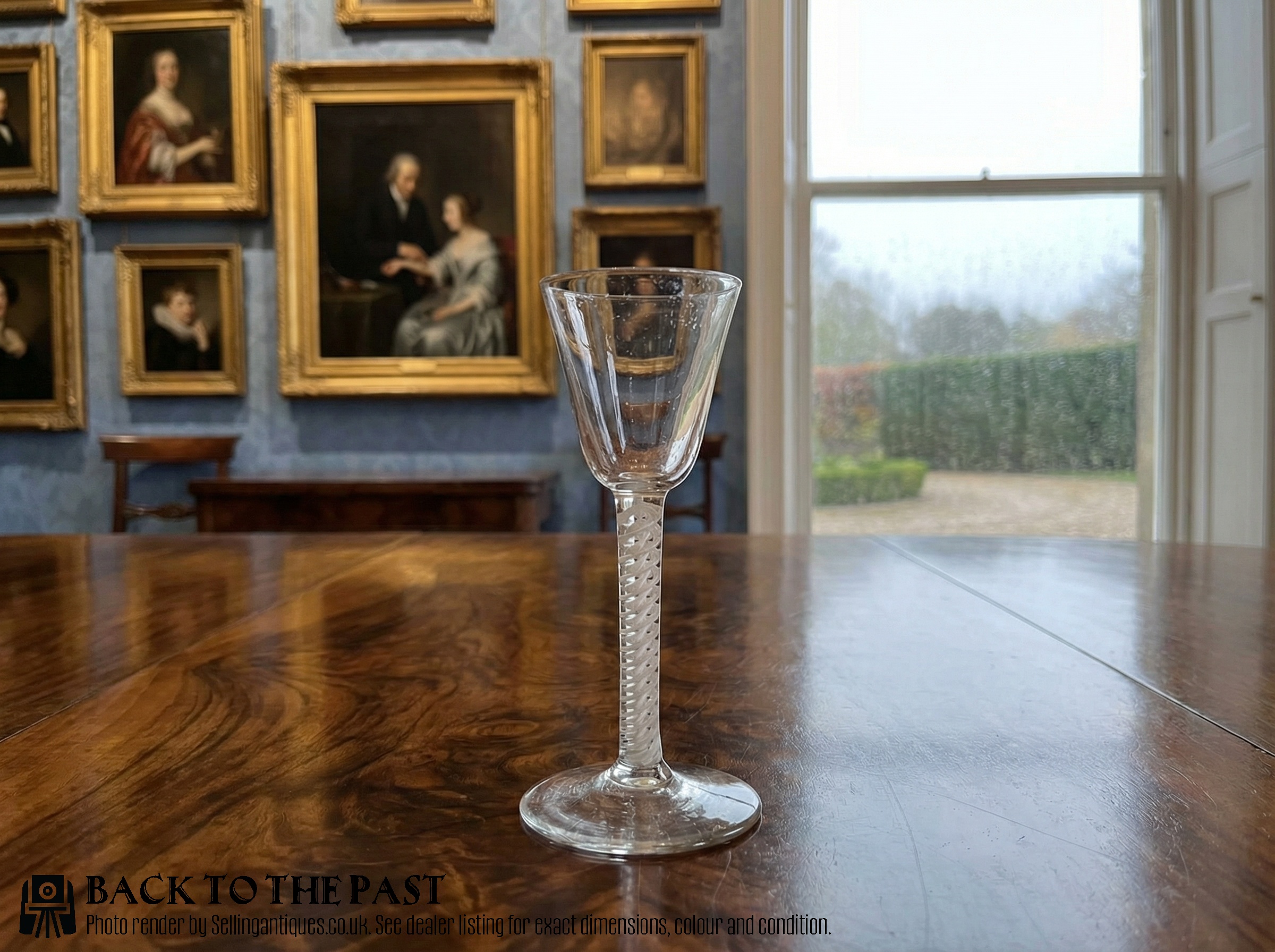
The forms span specialised serving pieces such as decanters and jelly glasses alongside everyday stemware like wine glasses, ale glasses, and rummers. Eighteenth-century examples frequently display air twist or opaque twist stems, while later nineteenth-century pieces showcase cut decoration and facet cutting.
Originating predominantly from English workshops, these items represent a continuity of domestic glass production across the Georgian, Victorian, and Edwardian eras. Buyers looking at these listings will find distinct periods reflected in the weight, bowl shape, and stem formation of each vessel.
Measures of quality
Clarity of the metal sets the baseline for evaluation, with exceptional brilliance distinguishing superior pieces from ordinary ones. The crispness of twist stems and the precision of facet cutting reveal the hand of the glassmaker.
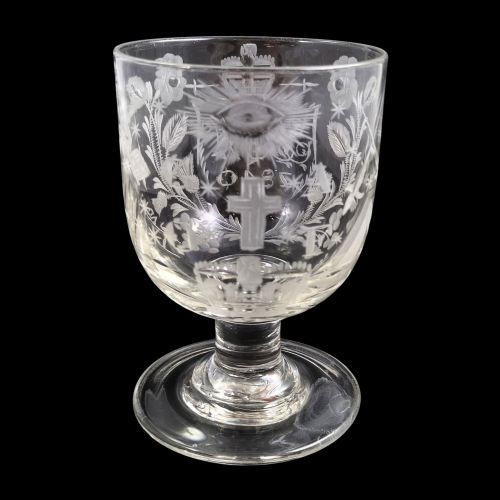
Proportion and weight dictate the tactile appeal of a vessel, from the heavy feel of a multiple spiral air twist wine glass to the balanced heft of a serving rummer. Preservation of surface decoration, whether engraved hops and barley or delicate enamel, completes the assessment.
Several rummers bear engraved hops and barley motifs, ensuring the glassware faithfully advertises its original liquid contents.
The English Lead Crystal Glass Glossary
- Air twist
- A stem formation containing internal threads of trapped air spiralling downwards. These are created by drawing and twisting bubbles within the hot metal.
- Opaque twist
- A stem enclosing white enamel rods twisted into spirals or threads. This technique gained popularity during the mid-eighteenth century.
- Rummer
- A large, sturdy drinking glass used for wine, ale, or punch. They typically feature thick bowls and short stems.
- Folded foot
- A glass foot where the outer rim is turned under to form a smooth, rounded edge. This adds weight and stability to the base.
- Balustroid
- A stem style mimicking architectural balusters, featuring knops and swelling profiles intermediate between plain stems and heavy balsters.
English Lead Crystal Glass: Frequently Asked Questions
How do I date an air twist wine glass?
Eighteenth-century examples generally exhibit specific bowl forms like ogee or trumpet shapes paired with hand-drawn stems.
Closer inspection of the pontil mark underneath the foot helps confirm the manufacturing period before modern grinding techniques became standard.
What is the difference between a rummer and a wine glass?
Rummers are substantially larger and heavier vessels designed for hearty pours of ale or wine during the Georgian and Victorian eras.
Wine glasses feature more delicate bowls and slender stems suited for smaller quantities of lighter drinks.
Are these glasses safe to use for daily dining?
Antique lead glass requires careful handling and hand washing to preserve the clarity of the metal and prevent thermal shock.
Avoiding dishwashers protects the delicate engraved decoration and faceted stems found on these historical pieces.
What does lead crystal mean in antique glass?
Historical lead glass incorporates lead oxide into the batch, increasing density, refractive index, and weight compared to standard soda glass.
This composition allowed makers to produce thicker walls and sharper cut facets that catch the light.